Craigslist, the digital bulletin board of the internet, remains a surprisingly robust marketplace for just about anything, including vehicles. Among the listings for pristine sedans and rugged trucks, you'll often find a category that raises eyebrows and sparks curiosity: wrecked cars for sale. This isn't your typical car shopping experience. It's a realm of salvage titles, mechanical challenges, and potential opportunities for those with the right skills, knowledge, and risk tolerance. Understanding the ins and outs of buying wrecked cars on Craigslist is crucial for avoiding costly mistakes and potentially uncovering a hidden gem. This guide provides a comprehensive overview of navigating this unique marketplace, from understanding the jargon to successfully completing a transaction.
I. Understanding the Appeal (and Risks) of Wrecked Cars on Craigslist
Navigating the Wrecked Car Landscape: A Comprehensive Guide to Craigslist Finds
The allure of a wrecked car is often driven by one thing: price. A vehicle that would cost thousands in good condition can be acquired for a fraction of the price when damaged. This opens possibilities for:
- DIY Repair: Individuals with mechanical expertise and a passion for restoration can find project cars at affordable prices.
- Parts Harvesting: Wrecked cars can be a goldmine of usable parts for repairing other vehicles or selling individually.
- Scrap Metal: Even if a car is beyond repair, its metal components hold value and can be sold for scrap.
- Specialized Projects: Some buyers seek out wrecked cars for unique projects like off-road conversions, race car builds, or even artistic creations.
However, the potential rewards are intertwined with significant risks:
- Hidden Damage: What appears to be minor damage on the surface might conceal more extensive and costly issues underneath.
- Title Issues: Salvage titles can complicate registration and resale. Some vehicles may have titles that are difficult or impossible to transfer.
- Safety Concerns: Attempting to repair a severely damaged vehicle can compromise its structural integrity and safety in a future accident.
- Time and Effort: Repairing a wrecked car is a time-consuming and labor-intensive process. It requires specialized tools, skills, and patience.
- Scams: Craigslist is notorious for attracting scammers. Dealing with wrecked cars increases the risk of encountering fraudulent listings or dishonest sellers.

II. Decoding the Craigslist Wrecked Car Listing
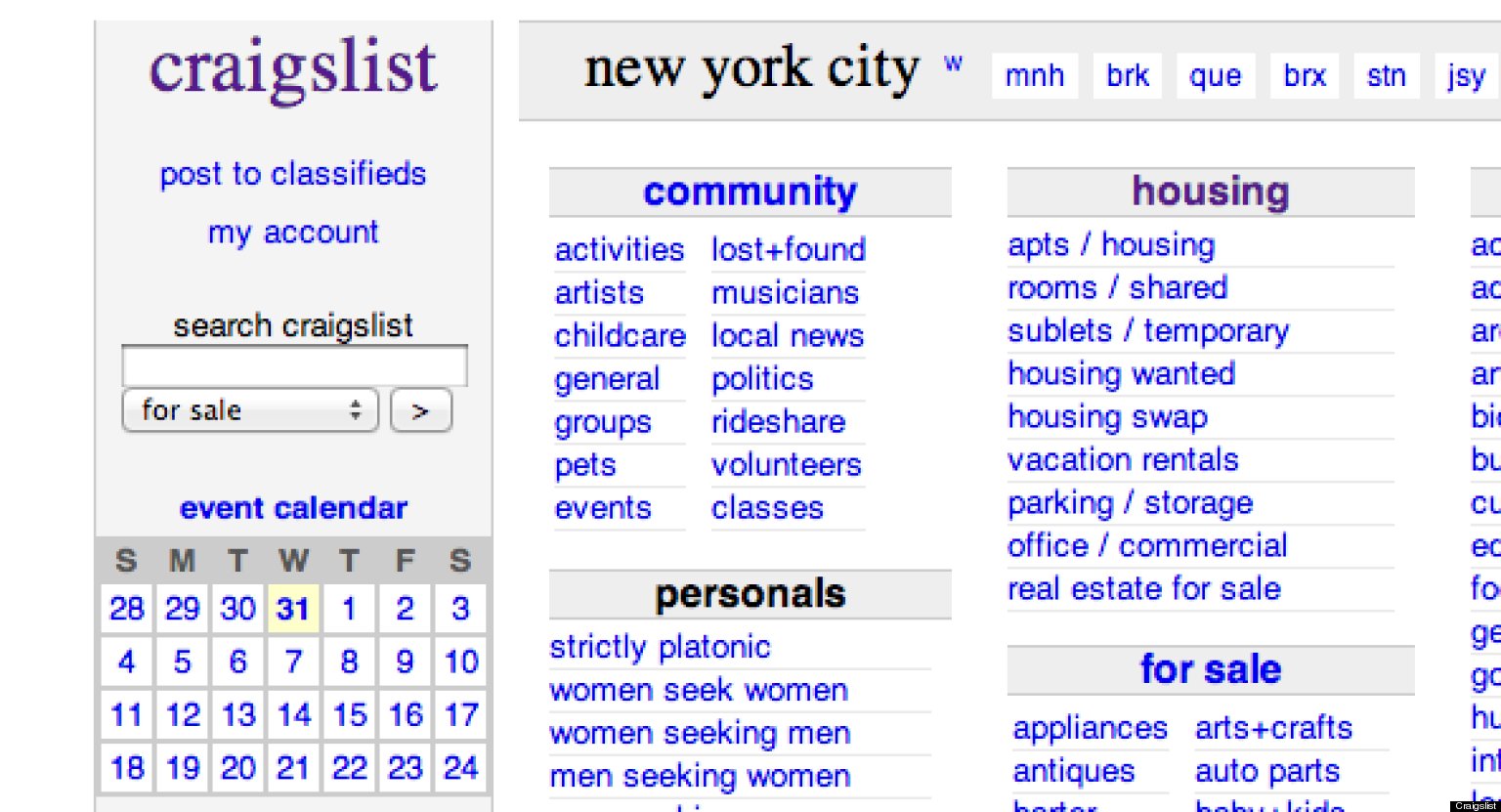
Before even considering a purchase, meticulously examine the Craigslist listing. Here's what to look for:
- Photos: High-quality photos from multiple angles are essential. Beware of listings with blurry, limited, or strategically cropped images.
- Detailed Description: A thorough description should outline the extent of the damage, the make and model of the vehicle, the year, mileage (if available), and any known mechanical issues. Vagueness or omissions should raise red flags.
- Title Status: The listing must clearly state the title status (salvage, rebuilt, clean, etc.). If the title status is unclear or suspicious, proceed with extreme caution.
- Price: Compare the asking price to similar wrecked vehicles in your area. A price that seems too good to be true often is.
- Seller Contact Information: Note the seller's contact information. Is it a private seller or a business? Be wary of sellers who are reluctant to provide their name or phone number.
- Location: Determine the location of the vehicle. Proximity is important for inspection and transportation.
III. The Essential Inspection: Seeing is Believing
Never, ever buy a wrecked car sight unseen. A thorough inspection is paramount. Here's a checklist of what to examine:
- Exterior: Assess the extent of the damage. Look for dents, scratches, rust, and any signs of structural damage. Pay close attention to the frame.
- Interior: Check for damaged airbags, torn upholstery, and any signs of water damage or mold.
- Engine: Attempt to start the engine (if possible). Listen for unusual noises or vibrations. Check fluid levels (oil, coolant, brake fluid).
- Transmission: If the engine runs, test the transmission. Look for slipping or rough shifting.
- Frame: The frame is the backbone of the vehicle. Check for bends, cracks, or signs of repair. Frame damage can be costly and difficult to fix.
- Suspension: Inspect the suspension components for damage or wear.
- Tires: Check the tire tread and condition.
- Documentation: Ask the seller to provide any available documentation, such as repair records or maintenance history.
- Diagnostic Scan: If possible, bring an OBD-II scanner to check for diagnostic trouble codes (DTCs). This can reveal hidden mechanical issues.
Important Tip: Consider bringing a trusted mechanic or body shop professional with you for the inspection. Their expertise can provide valuable insights and help you avoid costly mistakes.
IV. Title Matters: Navigating the Salvage Title Maze
The title status of a wrecked car is crucial. Here's a breakdown of common title types:
- Clean Indicates the vehicle has not been declared a total loss by an insurance company. While rare for significantly wrecked cars, it's possible if the damage was not reported to insurance.
- Salvage Issued to vehicles that have been declared a total loss due to damage, theft, or other reasons.
- Rebuilt/Reconstructed Issued to vehicles that were previously salvage titled but have been repaired and passed a state inspection.
- Parts Only Indicates the vehicle is not street legal and can only be used for parts.
- No Proceed with extreme caution. Acquiring a title for a vehicle with no title can be a lengthy and complicated process.
Key Considerations for Salvage Titles:
- State Regulations: Each state has its own regulations regarding salvage titles. Research the requirements for inspection, repair, and registration in your state.
- Insurance: Insuring a salvage-titled vehicle can be more difficult and expensive than insuring a vehicle with a clean title.
- Resale Value: Salvage-titled vehicles have a lower resale value than vehicles with clean titles.
V. Negotiation and Payment: Closing the Deal Safely
Once you've thoroughly inspected the vehicle and are comfortable with the title status, it's time to negotiate the price.
- Research Market Value: Use online resources like Kelley Blue Book (KBB) or Edmunds to research the market value of similar wrecked vehicles.
- Be Prepared to Walk Away: Don't be afraid to walk away from the deal if the seller is unwilling to negotiate or if you have any doubts about the vehicle's condition or title.
- Cash is King (and Risky): Cash is often the preferred payment method for Craigslist transactions. However, it's also the riskiest. Consider using a cashier's check or a secure online payment platform like PayPal (but be aware of fees and potential chargebacks).
- Meet in a Public Place: If you're paying in cash, meet the seller in a public place, such as a bank or a police station.
- Get a Bill of Sale: Always get a bill of sale that includes the seller's name and address, the vehicle's VIN, the sale price, and the date of the sale.
- Verify Identification: Verify the seller's identification to ensure they are the legal owner of the vehicle.
VI. Transportation: Getting Your Wreck Home
Unless the wrecked car is drivable (which is unlikely), you'll need to arrange for transportation.
- Towing: Towing is the most common method of transporting wrecked cars. Obtain quotes from several towing companies and ensure they are properly licensed and insured.
- Flatbed Truck: A flatbed truck is a good option for transporting vehicles with significant damage or those that are unable to be towed.
- Consider Distance: Factor in the distance when calculating transportation costs.
VII. Frequently Asked Questions (FAQ)
- Q: Is it safe to buy a wrecked car on Craigslist?
- A: It can be, but it requires careful research, thorough inspection, and a healthy dose of skepticism. Be aware of the risks and take steps to protect yourself from scams.
- Q: Can I get a loan for a wrecked car?
- A: It's unlikely. Most lenders are hesitant to finance salvage-titled vehicles.
- Q: What are the legal requirements for repairing a wrecked car?
- A: The legal requirements vary by state. Contact your local DMV for specific information.
- Q: How do I find a good mechanic to repair my wrecked car?
- A: Ask for recommendations from friends, family, or online forums. Check online reviews and verify the mechanic's credentials.
- Q: Can I sell parts from a wrecked car?
- A: Yes, but be aware of any regulations regarding the sale of used auto parts in your state.
VIII. Price Table: Craigslist Wrecked Cars For Sale
| Factor | Description | Typical Price Range (USD) | Considerations |
|---|---|---|---|
| Vehicle Type | Sedans, Trucks, SUVs, Motorcycles, etc. | Varies Widely | Demand for parts, scrap metal value, and complexity of repairs all influence price. Trucks and SUVs might command higher prices due to their larger size and more robust components. |
| Damage Severity | Minor dents/scratches, Engine problems, Frame Damage, Totaled | $100 - $5,000+ | Minor cosmetic damage will result in lower prices. Severe frame damage or a non-running engine drastically reduces value. "Totaled" vehicles are often sold for scrap value. |
| Make & Model | Brand reputation, parts availability, and desirability impact price. | Varies Widely | Popular brands with readily available parts are generally more desirable. Rare or luxury vehicles might command higher prices even in wrecked condition if parts are scarce. |
| Year & Mileage | Newer vehicles with lower mileage tend to fetch higher prices, even if wrecked. | Impactful | Newer vehicles often have more valuable parts and are potentially easier to repair. Higher mileage generally decreases value, especially if the vehicle has been poorly maintained. |
| Title Status | Clean, Salvage, Rebuilt, Parts Only, No Title | Varies Widely | Clean titles command the highest prices, but are rare on severely wrecked vehicles. Salvage titles are common. Rebuilt titles add value but require proper documentation. Parts Only titles have the lowest value. No title is high risk. |
| Geographic Location | Prices vary depending on regional demand and availability. | Impactful | Areas with high demand for parts or scrap metal may see higher prices. Rural areas might have fewer options and lower prices. |
| Negotiation Skills | Your ability to negotiate with the seller will directly impact the final price. | Significant | Research fair market value, be prepared to walk away, and highlight any flaws you discover during the inspection to justify a lower offer. |
| Towing/Transportation Costs | Costs associated with moving the wrecked car from the seller's location to your destination. | $50 - $500+ | Distance, vehicle size, and type of tow (flatbed vs. standard) all influence towing costs. |
| Repair Costs | Estimated costs for parts, labor, and other expenses needed to repair the vehicle. | Varies Widely | Obtaining quotes from multiple mechanics is crucial to accurately assess repair costs. Factor in the cost of specialized tools and equipment if you plan to do the repairs yourself. |
| State Fees & Taxes | Fees and taxes associated with transferring the title and registering the vehicle. | Varies by State | Research your state's DMV website to understand the fees and taxes involved. |
IX. Conclusion: Proceed with Caution, Reap the Rewards (Potentially)
Buying a wrecked car on Craigslist can be a rewarding experience for those with the right skills and knowledge. However, it's crucial to approach this market with caution and a healthy dose of skepticism. Thoroughly inspect the vehicle, understand the title status, negotiate the price carefully, and be prepared to walk away if anything seems suspicious. By following these guidelines, you can increase your chances of finding a hidden gem and avoid costly mistakes in the world of Craigslist wrecked cars. Remember, due diligence is your best friend in this automotive adventure.