1980 Cherokee Chief For Sale: A Guide to Finding and Owning a Classic Off-Roader
Introduction: The Enduring Appeal of the 1980 Cherokee Chief
Okay, here's a comprehensive article about a 1980 Cherokee Chief for sale, designed to be informative and engaging for potential buyers.
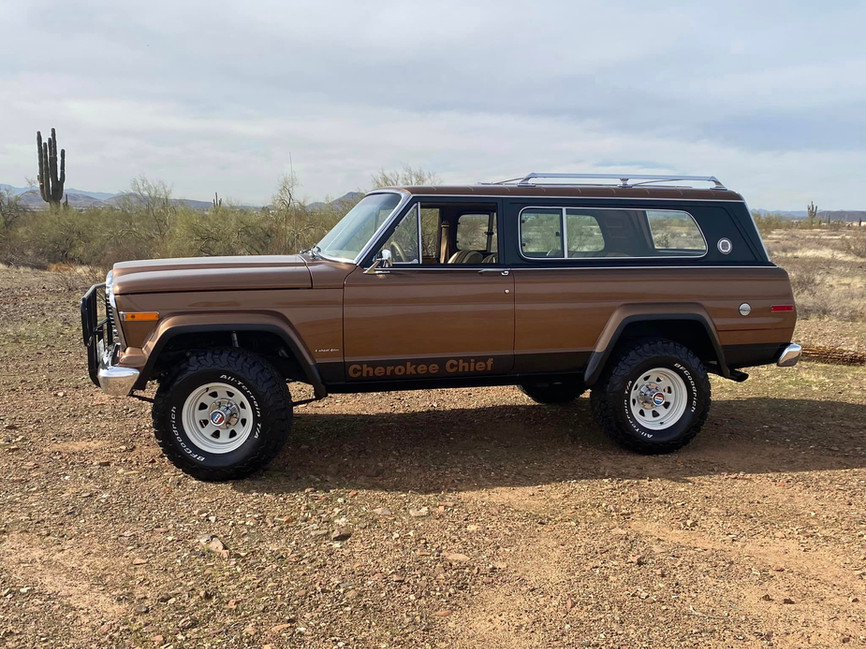
The 1980 Jeep Cherokee Chief. The name itself conjures images of rugged landscapes, off-road adventures, and classic American iron. For many, it represents the golden age of SUVs: a time when vehicles were built tough, designed with purpose, and possessed a certain undeniable charm. Finding a 1980 Cherokee Chief for sale is more than just buying a used car; it's acquiring a piece of automotive history, a rolling testament to a bygone era. These Chiefs are increasingly sought after by collectors, off-road enthusiasts, and anyone seeking a unique and capable vehicle. This article will serve as your comprehensive guide, covering everything you need to know about finding, evaluating, and potentially owning a 1980 Cherokee Chief.
Section 1: Why a 1980 Cherokee Chief? The Allure of a Classic
Before diving into the specifics of finding a Chief for sale, let's explore why these vehicles are so desirable.
- Classic Styling: The Cherokee Chief's boxy design, distinctive grille, and overall presence are instantly recognizable. It's a design that stands apart from modern SUVs, offering a unique aesthetic appeal. The iconic look of the 1980 Cherokee Chief makes it a head-turner wherever it goes.
- Off-Road Capability: Built on a robust platform with available four-wheel drive, the Chief was designed to tackle challenging terrain. Its solid axles, ample ground clearance, and powerful engine options made it a formidable off-roader in its day, and that capability remains relevant today.
- Simplicity and Durability: Compared to modern vehicles, the 1980 Cherokee Chief is relatively simple in its design and construction. This makes it easier to maintain and repair, and contributes to its overall durability. Less complex technology means fewer things to go wrong.
- Investment Potential: Classic SUVs are appreciating in value, especially those in good condition. A well-maintained 1980 Cherokee Chief can be a solid investment, potentially increasing in value over time.
- Community and Nostalgia: Owning a classic vehicle like a Cherokee Chief connects you to a community of enthusiasts who share a passion for these vehicles. It's a chance to relive a piece of automotive history and enjoy the nostalgia associated with these iconic machines.
Section 2: Where to Find a 1980 Cherokee Chief for Sale
The hunt for a 1980 Cherokee Chief can be challenging, but several avenues can lead you to your dream vehicle.
- Online Marketplaces: Websites like Craigslist, eBay Motors, Facebook Marketplace, and specialized classic car websites (e.g., Hemmings, ClassicCars.com) are excellent starting points. Be sure to use specific search terms like "1980 Jeep Cherokee Chief," "FSJ Cherokee," and variations thereof.
- Classic Car Auctions: Auctions, both online and in-person, can be a good source for finding classic vehicles. However, be prepared to do your research and potentially pay a premium.
- Local Car Clubs and Enthusiast Groups: Connecting with local Jeep clubs or classic car organizations can provide valuable leads. Members often know of vehicles for sale that may not be publicly listed.
- Word of Mouth: Let your friends, family, and colleagues know you're looking for a 1980 Cherokee Chief. You never know who might have a lead.
- Rural Areas: Chiefs are often found in rural areas where they were used as work vehicles or weekend off-roaders. Exploring smaller towns and communities might uncover hidden gems.


Section 3: Evaluating a 1980 Cherokee Chief: What to Look For
Once you've found a potential candidate, thorough inspection is crucial. Here's a checklist of key areas to examine:
- Rust: This is the biggest enemy of any classic vehicle. Pay close attention to the floors, rocker panels, quarter panels, frame rails, and areas around the wheel wells. Look for bubbling paint, rust holes, or signs of previous repairs.
- Engine: Listen for unusual noises, check for leaks, and inspect the overall condition of the engine. Common engine options in 1980 included the AMC 258 inline-six and the AMC 360 V8.
- Transmission: Test the transmission thoroughly, checking for smooth shifting and any signs of slippage or unusual noises. Automatic and manual transmissions were available.
- Four-Wheel Drive System: Engage the four-wheel drive system and ensure it functions correctly. Check for any unusual noises or vibrations.
- Interior: Inspect the seats, carpets, dashboard, and door panels for wear and tear. Replacement parts can be difficult to find, so a well-preserved interior is a plus.
- Electrical System: Test all lights, gauges, and accessories to ensure they are working properly. Electrical issues can be common in older vehicles.
- Frame: A straight and solid frame is crucial. Look for any signs of damage, rust, or previous repairs.
- Originality: Determine how original the vehicle is. Original parts and features can significantly increase its value.
- Paperwork: Review the vehicle's title, registration, and any available maintenance records. This can provide valuable information about its history.
- Test Drive: A thorough test drive is essential. Pay attention to how the vehicle handles, brakes, and accelerates. Listen for any unusual noises or vibrations.
Section 4: Key Considerations Before Buying
Beyond the physical inspection, consider these factors:
- Budget: Determine your budget and stick to it. Remember to factor in potential repairs, maintenance, and insurance costs.
- Parts Availability: While some parts are readily available, others can be difficult to find. Research the availability of parts before making a purchase.
- Your Mechanical Skills: Are you comfortable performing basic maintenance and repairs yourself? Owning a classic vehicle often requires a certain level of mechanical aptitude.
- Intended Use: How do you plan to use the vehicle? Will it be a daily driver, a weekend off-roader, or a show vehicle?
- Professional Inspection: Consider having a qualified mechanic inspect the vehicle before you buy it. This can help you identify potential problems and negotiate a fair price.
Section 5: Common Issues and Solutions
Here are some common issues that can affect 1980 Cherokee Chiefs and potential solutions:
- Rust Repair: Rust repair can be costly, but it's essential to address it properly to prevent further damage. Consider hiring a professional body shop.
- Engine Rebuild: If the engine is worn or damaged, a rebuild may be necessary. This can be a significant expense, but it can restore the vehicle's performance.
- Electrical Problems: Electrical issues can be frustrating to diagnose and repair. Consider hiring a qualified electrician to troubleshoot the system.
- Suspension Wear: The suspension components can wear out over time, affecting the vehicle's handling. Replacing worn shocks, springs, and bushings can improve the ride quality.
- Fuel System Issues: The fuel system can be prone to problems, especially if the vehicle has been sitting for a long time. Cleaning the fuel tank, replacing the fuel pump, and rebuilding the carburetor (if equipped) may be necessary.
Section 6: Tips for Negotiating the Price
- Do Your Research: Know the market value of similar vehicles in similar condition.
- Be Prepared to Walk Away: Don't be afraid to walk away if the price isn't right. There are other Chiefs out there.
- Point Out Flaws: Use any flaws or issues you find during the inspection to negotiate a lower price.
- Be Respectful: Maintain a respectful and professional attitude throughout the negotiation process.
- Cash is King: Offering cash can sometimes give you more leverage.
Section 7: Restoration vs. Preservation
When buying a 1980 Cherokee Chief, you'll likely encounter vehicles in varying conditions. Consider whether you're looking for a project to restore to its original glory or a well-preserved example to enjoy as-is. Restoration involves bringing a vehicle back to its original condition, while preservation focuses on maintaining its existing state.
Section 8: The Joy of Ownership
Owning a 1980 Cherokee Chief is more than just owning a vehicle; it's about embracing a lifestyle. It's about the open road, the off-road trails, and the camaraderie of the classic car community. It's about preserving a piece of automotive history and enjoying a unique and capable vehicle.
Table Price: Estimated Value Ranges for 1980 Cherokee Chiefs
| Condition | Description | Estimated Price Range |
|---|---|---|
| Project Vehicle | Significant rust, mechanical issues, incomplete. Requires extensive work. | $2,000 - $5,000 |
| Fair | Some rust, mechanical issues, but drivable. Needs work, but a good starting point. | $5,000 - $10,000 |
| Good | Minimal rust, mechanically sound, well-maintained. Minor cosmetic imperfections. | $10,000 - $20,000 |
| Excellent | Very little to no rust, mechanically excellent, well-maintained, original or restored. | $20,000 - $35,000+ |
| Concours/Mint | Fully restored to factory specifications, perfect condition. Typically a show-quality vehicle. | $35,000+ |
Important Notes:
- Prices can vary significantly based on location, specific features, engine options, and overall condition.
- These are estimated ranges. Always conduct thorough research and inspection before making a purchase.
- Professional appraisals are recommended for accurate valuations.
Conclusion: Embarking on Your Cherokee Chief Adventure
Finding a 1980 Cherokee Chief for sale can be a rewarding experience. It requires patience, research, and a willingness to get your hands dirty. However, the reward is owning a classic vehicle that embodies the spirit of adventure and American ingenuity. Take your time, do your homework, and don't be afraid to ask questions. With careful planning and execution, you can find the perfect 1980 Cherokee Chief to call your own and embark on a journey filled with classic style and off-road capability.
Frequently Asked Questions (FAQ)
Q: What were the common engine options for the 1980 Cherokee Chief?
A: The most common engine options were the AMC 258 cubic inch inline-six and the AMC 360 cubic inch V8.
Q: How can I tell if a Cherokee Chief is a true "Chief" model?
A: Chiefs typically had distinctive trim, badging, and often came with features like a wider track and more aggressive styling. Check the VIN and look for documentation that confirms it's a Chief model. Research specific features associated with the Chief trim level for that year.
Q: Are parts readily available for a 1980 Cherokee Chief?
A: Some parts are readily available through online retailers and specialty Jeep parts suppliers. However, certain trim pieces and model-specific parts can be difficult to find and may require searching through salvage yards or online forums.
Q: What should I look for in terms of rust?
A: Focus on areas like the floorboards, rocker panels, frame rails, lower quarter panels, and around the wheel wells. Use a screwdriver or other tool to probe areas that look suspicious.
Q: What is the best way to preserve the value of a 1980 Cherokee Chief?
A: Regular maintenance, proper storage, and careful driving habits are essential. Keep the vehicle clean, protect it from the elements, and address any issues promptly. Document all maintenance and repairs.