16-Inch 6-Lug Rims: A Comprehensive Guide to Selection, Fitment, and Care
Introduction: Understanding the Appeal of 16-Inch 6-Lug Wheels
Okay, here's a comprehensive article about 16-inch 6-lug rims, covering various aspects from selection to maintenance.
When it comes to trucks and SUVs, wheels are more than just functional components; they're a statement of style, performance, and capability. Among the diverse range of wheel sizes and configurations, the 16-inch 6-lug rim holds a special place. This configuration is frequently found on a wide variety of mid-size trucks and SUVs and offer a great balance between aesthetics, durability, and affordability.
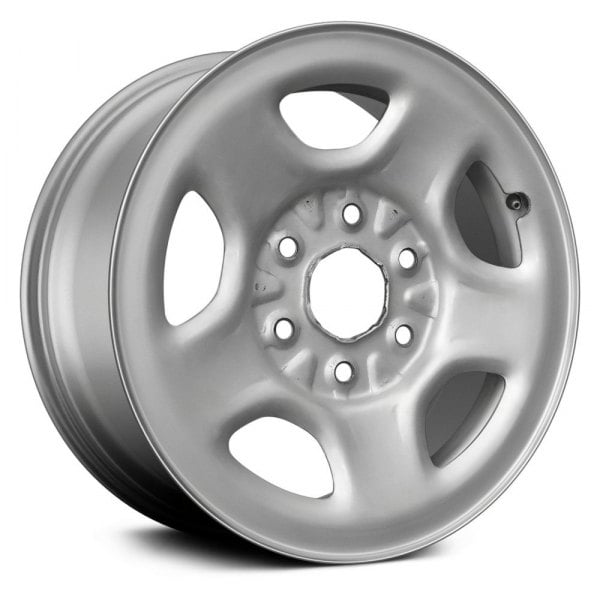
A 16-inch 6-lug wheel simply means that the rim has a diameter of 16 inches and utilizes six lug nuts to secure it to the vehicle's hub. This lug pattern is common on many trucks and SUVs designed for light-duty towing, off-road adventures, and everyday use. Understanding the intricacies of these rims – from choosing the right type to ensuring proper fitment and maintenance – is crucial for vehicle owners looking to enhance their ride's performance and appearance. This guide provides a detailed overview of 16-inch 6-lug rims, covering everything you need to know to make informed decisions.
Section 1: Why Choose 16-Inch 6-Lug Rims?
Several factors contribute to the popularity of 16-inch 6-lug rims:
- Versatility: This size is a sweet spot for many trucks and SUVs. It offers a good compromise between tire sidewall height and wheel diameter, contributing to both ride comfort and handling performance.
- Tire Availability: 16-inch tires are widely available in various tread patterns, load ratings, and brands, giving you a vast selection to choose from based on your specific needs and driving style. Whether you prioritize fuel efficiency, off-road traction, or on-road performance, you'll find suitable tire options.
- Affordability: Compared to larger diameter wheels, 16-inch rims and tires tend to be more affordable, making them a cost-effective upgrade or replacement option.
- Durability: The smaller diameter (compared to larger rims) often translates to a stronger wheel, more resistant to bending or damage from impacts, especially in off-road conditions.
- Aesthetics: A 16-inch wheel can provide a balanced, proportionate look on many trucks and SUVs, especially when paired with appropriately sized tires. They can provide a more rugged look than larger diameter wheels.
Section 2: Understanding Key Specifications and Terminology
Before purchasing 16-inch 6-lug rims, it's essential to understand the following specifications:

- Diameter: The diameter of the rim is 16 inches, as specified.
- Lug Pattern (Bolt Pattern): This refers to the number of lug nuts (6) and the diameter of the circle they form on the wheel hub. It's expressed as "6xXXX," where "XXX" is the diameter in millimeters or inches. Common 6-lug patterns include 6x139.7mm (6x5.5 inches), 6x114.3mm (6x4.5 inches). Make sure the lug pattern matches your vehicle's hub.
- Width: The rim width (e.g., 7 inches, 8 inches, 9 inches) determines the appropriate tire width.
- Offset: Offset is the distance (in millimeters) between the wheel's mounting surface and its centerline. A positive offset means the mounting surface is closer to the outside of the wheel, while a negative offset means it's closer to the inside. Offset affects wheel placement within the wheel well and can impact steering and suspension geometry.
- Center Bore: The center bore is the diameter of the hole in the center of the wheel that centers it on the vehicle's hub. It must be the same as or larger than the hub's diameter. If it's larger, hub-centric rings can be used to ensure proper centering.
- Load Rating: This indicates the maximum weight each wheel can safely support. It's crucial to choose wheels with a load rating that meets or exceeds your vehicle's Gross Axle Weight Rating (GAWR).
Section 3: Types of 16-Inch 6-Lug Rims
16-inch 6-lug rims come in various materials and styles:
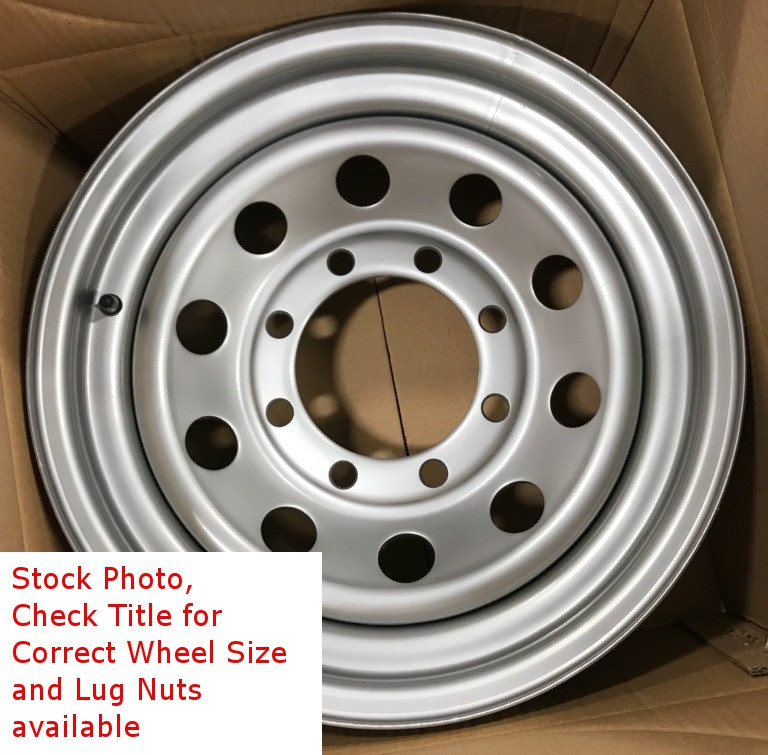
- Steel Wheels: Steel wheels are the most economical option. They are durable and can withstand rough conditions, making them suitable for off-road use and work trucks. However, they are typically heavier and less aesthetically pleasing than alloy wheels.
- Alloy Wheels: Alloy wheels (typically aluminum alloy) are lighter than steel wheels, improving fuel efficiency and handling. They also offer a wider range of designs and finishes, allowing for greater customization.
- Cast Alloy Wheels: These are made by pouring molten aluminum into a mold. They are generally more affordable than forged wheels.
- Forged Alloy Wheels: These are made by compressing solid aluminum under high pressure. Forged wheels are stronger and lighter than cast wheels but are also more expensive.
- Finishes: Common finishes include painted (black, silver, gray), polished, chrome, and machined. The finish affects the wheel's appearance and resistance to corrosion.
Section 4: Choosing the Right 16-Inch 6-Lug Rims for Your Vehicle
Selecting the correct 16-inch 6-lug rims involves considering several factors:
- Vehicle Compatibility: This is paramount. Use online fitment guides or consult with a tire/wheel specialist to ensure the rims are compatible with your vehicle's make, model, and year. Pay close attention to the lug pattern, center bore, and offset.
- Desired Style: Consider the overall look you want to achieve. Do you prefer a rugged off-road appearance, a sporty on-road look, or a classic aesthetic? Choose a wheel style and finish that complements your vehicle's design and personal preferences.
- Intended Use: How will you be using your vehicle? If you primarily drive on paved roads, alloy wheels with a stylish design may be a good choice. If you frequently go off-road, steel wheels or durable alloy wheels with a higher load rating are recommended.
- Budget: Set a budget and explore options within your price range. Steel wheels are the most affordable, while forged alloy wheels are the most expensive. Cast alloy wheels offer a good balance between cost and performance.
- Tire Size: Determine the appropriate tire size for your 16-inch rims. Consult your vehicle's owner's manual or a tire size calculator to ensure proper fitment and avoid rubbing issues.
Section 5: Installation Guide
While professional installation is always recommended, here's a general overview of the installation process:
- Gather Tools: You'll need a lug wrench, jack, jack stands, torque wrench, and wheel chocks.
- Loosen Lug Nuts: Loosen the lug nuts on the wheel you're removing while the vehicle is on the ground.
- Raise Vehicle: Use the jack to lift the vehicle and secure it with jack stands.
- Remove Wheel: Completely remove the lug nuts and carefully take off the old wheel.
- Install New Wheel: Mount the new wheel onto the hub, aligning the lug holes.
- Hand-Tighten Lug Nuts: Hand-tighten the lug nuts in a star pattern to ensure even pressure.
- Lower Vehicle: Lower the vehicle to the ground and remove the jack stands.
- Torque Lug Nuts: Use a torque wrench to tighten the lug nuts to the manufacturer's specified torque value. This is crucial for safety.
- Re-torque: After driving a short distance (e.g., 50-100 miles), re-torque the lug nuts to ensure they remain properly tightened.
Section 6: Maintenance and Care
Proper maintenance will prolong the life and appearance of your 16-inch 6-lug rims:
- Regular Cleaning: Wash your wheels regularly with soap and water to remove dirt, brake dust, and road grime. Use a soft brush or sponge to avoid scratching the finish.
- Avoid Harsh Chemicals: Avoid using harsh chemicals or abrasive cleaners, as they can damage the wheel's finish.
- Waxing/Sealing: Apply a wax or sealant to protect the wheel's finish from corrosion and UV damage.
- Inspect Regularly: Inspect your wheels regularly for signs of damage, such as cracks, bends, or dents. Address any issues promptly to prevent further damage or safety hazards.
- Tire Pressure: Maintain proper tire pressure to ensure even wear and optimal performance.
Section 7: Potential Challenges and Solutions
- Rubbing Issues: If the new wheels and tires are larger than the originals, they may rub against the fenders or suspension components. Solutions include:
- Choosing a different offset.
- Rolling the fenders.
- Installing a lift kit.
- Vibration: Vibration can occur if the wheels are not properly balanced or if the center bore is not a perfect match for the hub. Solutions include:
- Having the wheels professionally balanced.
- Using hub-centric rings.
- Lug Nut Compatibility: Ensure the lug nuts are compatible with the new wheels. Some aftermarket wheels may require different lug nuts than the factory wheels.
- Incorrect Load Rating: Choosing wheels with a load rating lower than your vehicle's GAWR can be dangerous. Always verify the load rating before purchasing wheels.
Section 8: Tips for Buying 16-Inch 6-Lug Rims
- Research: Thoroughly research different brands, styles, and specifications before making a purchase.
- Read Reviews: Read online reviews from other customers to get an idea of the wheel's quality and performance.
- Buy from Reputable Dealers: Purchase from reputable dealers or retailers who offer warranties and guarantees.
- Consider Used Options: Used wheels can be a more affordable option, but carefully inspect them for damage before buying.
- Don't Sacrifice Quality: While budget is a consideration, don't sacrifice quality for price. Choose wheels that are durable, reliable, and safe.
Table Price
| Brand | Model | Material | Finish | Bolt Pattern | Price (USD) | Load Rating (lbs) | Notes |
|---|---|---|---|---|---|---|---|
| Pro Comp | Series 51 Steel | Steel | Black | 6x5.5 | $80 - $120 | 2200 | Budget-friendly, durable, ideal for off-road. |
| Cragar | Soft 8 | Steel | Black | 6x5.5 | $90 - $130 | 2100 | Classic style, robust, good for work trucks. |
| Vision Wheel | 375 Warrior | Alloy | Black Machined | 6x5.5 | $150 - $250 | 2500 | Popular alloy option, stylish, suitable for on-road and light off-road. |
| Method Race WHeels | MR305 NV | Alloy | Matte Black | 6x5.5 | $250 - $350 | 2650 | High-performance alloy, durable, good for serious off-road. |
| Black Rhino | Armory | Alloy | Gunblack | 6x5.5 | $280 - $400 | 2450 | Rugged design, durable finish, premium off-road look. |
| American Racing | AR969 Ansen Offroad | Alloy | Satin Black | 6x5.5 | $200 - $300 | 2300 | Timeless design, suitable for various truck styles. |
Note: Prices are approximate and may vary depending on the retailer, location, and specific wheel dimensions.
Frequently Asked Questions (FAQ)
- Q: How do I determine the correct lug pattern for my vehicle?
- A: Consult your vehicle's owner's manual, use online fitment guides, or contact a tire/wheel specialist.
- Q: What is the difference between positive and negative offset?
- A: Positive offset means the wheel's mounting surface is closer to the outside of the wheel, while negative offset means it's closer to the inside.
- Q: Can I use 17-inch wheels instead of 16-inch wheels on my truck?
- A: Yes, you can, provided the lug pattern, center bore, offset, and load rating are compatible. You will also need to choose appropriately sized tires for the 17-inch rims.
- Q: Are steel wheels better than alloy wheels for off-road use?
- A: Steel wheels are generally more durable and resistant to damage, making them a good choice for serious off-roading. However, high-quality alloy wheels can also be suitable for off-road use, especially forged alloy wheels.
- Q: How often should I clean my wheels?
- A: Clean your wheels regularly, ideally every time you wash your vehicle.
- Q: What should I do if I notice a crack in my wheel?
- A: Replace the wheel immediately. Cracks can compromise the wheel's structural integrity and pose a safety hazard.
Conclusion: Rolling with Confidence
Choosing the right 16-inch 6-lug rims is a significant decision that impacts your vehicle's performance, appearance, and safety. By understanding the key specifications, types, and considerations outlined in this guide, you can make an informed choice that meets your specific needs and preferences. Remember to prioritize vehicle compatibility, load rating, and intended use. With proper selection, installation, and maintenance, your 16-inch 6-lug rims will provide years of reliable service and enhance your driving experience.