Moving, transporting goods, or expanding your business fleet? Penske Truck Leasing is a major player in the commercial vehicle rental and leasing space, offering a diverse range of trucks to meet various needs. But navigating their offerings can be overwhelming. This comprehensive guide, a Penske Truck Comparison, will break down the available options, helping you choose the right vehicle for your specific requirements. We'll cover everything from truck types and sizes to pricing considerations, potential challenges, and helpful tips to ensure a smooth rental or leasing experience.
Why Penske Truck Comparison Matters:
Penske Truck Comparison: A Comprehensive Guide to Choosing the Right Vehicle
Choosing the wrong truck can lead to significant problems. An undersized vehicle might require multiple trips, increasing fuel costs and adding time to your project. Conversely, an oversized truck can be unnecessarily expensive and difficult to maneuver. Understanding the different Penske truck options and their capabilities is crucial for optimizing efficiency, minimizing costs, and ensuring a safe and successful transportation experience. This guide serves as your comprehensive Penske Truck Comparison tool.
Section 1: Understanding the Penske Truck Fleet
Penske offers a wide variety of trucks, each designed for specific purposes and load capacities. Here's a breakdown of the most common types:
-
Cargo Vans: Ideal for small moves, deliveries, or transporting equipment within a city. They offer maneuverability and fuel efficiency.

12-Foot Trucks: A step up from cargo vans, these are suitable for small apartment moves or transporting moderate amounts of furniture and boxes.
-
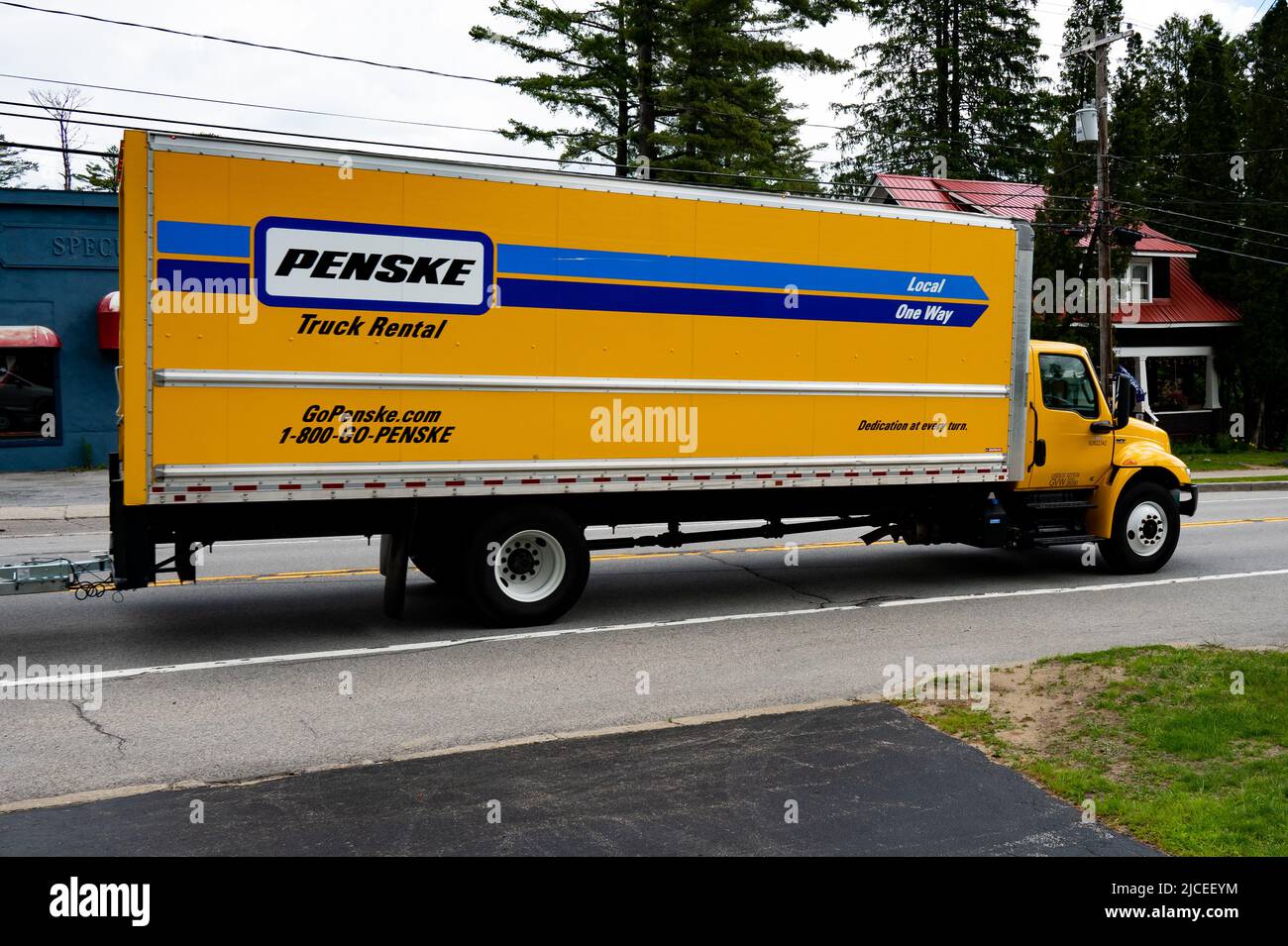
16-Foot Trucks: A popular choice for moving 1-2 bedroom apartments or small houses. They offer a good balance of cargo space and ease of driving.
-
22-Foot Trucks: Designed for larger moves, capable of handling the contents of a 2-3 bedroom house.
-
26-Foot Trucks: The largest moving truck option, suitable for large houses or commercial moves. Requires more driving experience and parking space.
-
Tractor-Trailers: For commercial hauling of goods over long distances. Penske offers various tractor-trailer configurations, including day cabs and sleeper cabs.
-
Flatbeds: Used for transporting oversized or irregularly shaped items, such as lumber, machinery, or construction materials.
-
Refrigerated Trucks (Reefers): Essential for transporting perishable goods, maintaining a consistent temperature throughout the journey.
-
Stake Body Trucks: Versatile trucks with open beds and stake sides, suitable for hauling landscaping materials, construction supplies, or other bulky items.
Section 2: Key Factors to Consider When Choosing a Penske Truck
Before making a decision, carefully evaluate these factors:
-
Size and Volume: Accurately estimate the amount of cargo you need to transport. Consider the dimensions and weight of your items. Using a moving calculator can be helpful.
-
Weight Capacity: Ensure the truck's weight capacity is sufficient for your load. Exceeding the weight limit can damage the truck and create safety hazards.
-
Distance: The distance you plan to travel will influence your fuel costs and overall rental price. For long distances, consider leasing options.
-
Driving Experience: Larger trucks require more driving experience and skill. If you're not comfortable driving a large vehicle, opt for a smaller option or hire professional movers.
-
Budget: Penske's rental rates vary depending on the truck type, rental duration, and mileage. Get quotes for different trucks and compare them.
-
Insurance: Review Penske's insurance options and determine if you need additional coverage.
-
Loading and Unloading: Consider the ease of loading and unloading. Some trucks have ramps or liftgates.
-
Parking: Ensure you have adequate parking space at your origin and destination.
Section 3: Rental vs. Leasing: Which is Right for You?
Penske offers both rental and leasing options, each with its own advantages and disadvantages:
-
Rental: Ideal for short-term needs, such as a one-time move or a temporary increase in transportation demand.
- Pros: Flexibility, no long-term commitment, includes maintenance and roadside assistance.
- Cons: Higher per-day cost, limited availability during peak seasons.
-
Leasing: Best suited for businesses with ongoing transportation needs.
- Pros: Predictable monthly payments, comprehensive maintenance programs, access to a dedicated fleet, tax advantages.
- Cons: Long-term commitment, early termination fees.
Section 4: Tips for a Smooth Penske Truck Rental Experience
-
Book in Advance: Especially during peak moving seasons (summer, end of the month), book your truck well in advance to ensure availability.
-
Inspect the Truck: Before driving off, thoroughly inspect the truck for any damage and document it with photos or videos.
-
Understand the Rental Agreement: Carefully read and understand the rental agreement, paying attention to mileage limits, late fees, and insurance coverage.
-
Drive Safely: Drive cautiously and defensively, especially in unfamiliar areas or during inclement weather.
-
Keep the Truck Clean: Return the truck in clean condition to avoid additional cleaning fees.
-
Refuel Before Returning: Refuel the truck to the specified fuel level to avoid fuel surcharges.
Section 5: Potential Challenges and Solutions
-
Truck Availability: During peak seasons, truck availability can be limited. Book in advance or consider alternative dates.
-
Unexpected Fees: Thoroughly review the rental agreement to understand all potential fees, such as mileage overage, late return, or damage.
-
Driving Difficulties: Larger trucks can be challenging to drive. Practice in an empty parking lot before loading cargo.
-
Mechanical Issues: In the event of a mechanical issue, contact Penske's roadside assistance immediately.
Section 6: Penske Truck Comparison - Example Scenarios
Let's consider a few scenarios to illustrate how to choose the right Penske truck:
- Scenario 1: Moving a Studio Apartment: A cargo van or 12-foot truck would likely be sufficient.
- Scenario 2: Moving a 2-Bedroom House: A 16-foot or 22-foot truck would be more appropriate.
- Scenario 3: Starting a Delivery Business: A cargo van or stake body truck, depending on the goods, might be ideal for a lease.
- Scenario 4: Long-Haul Transportation of Frozen Goods: A tractor-trailer with a reefer unit is essential.
Section 7: Penske Truck Comparison - Price Table (Estimates)
| Truck Type | Approximate Daily Rental Cost | Approximate Monthly Lease Cost | Typical Use Case | Notes |
|---|---|---|---|---|
| Cargo Van | $79 - $129 | $800 - $1500 | Small deliveries, light hauling | Fuel-efficient, easy to drive |
| 12-Foot Truck | $99 - $149 | $1000 - $1800 | Small apartment moves | Good for urban environments |
| 16-Foot Truck | $129 - $199 | $1300 - $2200 | 1-2 bedroom apartment/house moves | Most popular size |
| 22-Foot Truck | $179 - $279 | $1800 - $3000 | 2-3 bedroom house moves | Requires more driving experience |
| 26-Foot Truck | $229 - $349 | $2300 - $3800 | Large house moves, commercial hauling | Largest rental option |
| Flatbed Truck | $150 - $250 | $1600 - $2800 | Transporting construction materials | Open bed, requires securing load |
| Refrigerated Truck | $200 - $400 | $2500 - $4500 | Transporting perishable goods | Temperature controlled |
| Tractor-Trailer | Varies Widely (Quote Needed) | Varies Widely (Quote Needed) | Long-haul commercial freight | Complex regulations and licensing |
Note: Prices are estimates and can vary based on location, availability, time of year, and specific truck features. Contact Penske directly for accurate quotes.
Conclusion:
Choosing the right Penske truck requires careful consideration of your specific needs, budget, and driving experience. By understanding the different truck types, key factors, and potential challenges, you can make an informed decision that optimizes efficiency and minimizes costs. Remember to book in advance, inspect the truck thoroughly, and drive safely. With proper planning, your Penske truck rental or lease experience can be a smooth and successful one. This Penske Truck Comparison tool should enable you to do so.
Frequently Asked Questions (FAQ)
-
Q: What documents do I need to rent a Penske truck?
- A: Typically, you'll need a valid driver's license, a credit card, and proof of insurance (if not purchasing Penske's coverage).
-
Q: What happens if I return the truck late?
- A: Late fees will apply, as outlined in the rental agreement. Contact Penske as soon as possible if you anticipate a delay.
-
Q: What if the truck breaks down?
- A: Penske provides 24/7 roadside assistance. Contact them immediately for assistance.
-
Q: Can I tow a trailer with a Penske truck?
- A: This depends on the specific truck and the rental agreement. Confirm with Penske before attempting to tow.
-
Q: Does Penske offer moving supplies?
- A: Yes, Penske offers a variety of moving supplies, such as boxes, tape, and packing materials.
-
Q: What is the mileage policy?
- A: Most Penske rentals include a certain number of free miles. Overage charges apply for exceeding the mileage limit. Review the rental agreement for details.
-
Q: Can I return the truck to a different location?
- A: Yes, Penske offers one-way rentals. However, availability and rates may vary.
-
Q: How do I reserve a truck?
- A: You can reserve a truck online through Penske's website or by calling their customer service line.