Moving, relocating a business, or transporting goods can be a daunting task. One of the most crucial elements is choosing the right vehicle. Penske Truck Leasing offers a wide array of truck types, each designed for specific purposes and load capacities. Understanding these options is vital to ensuring a smooth and efficient transportation process. This comprehensive guide will explore the various Penske truck types, providing you with the information needed to select the perfect vehicle for your specific needs.
Why Understanding Penske Truck Types is Crucial
Penske Truck Types: A Comprehensive Guide to Choosing the Right Vehicle for Your Needs
Choosing the wrong truck can lead to a cascade of problems. Overloading a vehicle can damage the truck, create safety hazards, and potentially result in fines. Conversely, renting a truck that's too large wastes money on fuel and rental costs. Understanding the different Penske truck types allows you to:
- Maximize Efficiency: Select a truck that perfectly fits your cargo volume and weight, optimizing fuel consumption and minimizing trips.
- Ensure Safety: Choose a vehicle with the appropriate safety features and load capacity for your needs, preventing accidents and protecting your belongings.
- Minimize Costs: Avoid overpaying for a larger truck than necessary and reduce the risk of damage or fines associated with overloading.
- Streamline the Moving Process: Select a truck that's easy to maneuver and park in your destination location, simplifying the overall move.
Exploring the Spectrum of Penske Truck Types

Penske Truck Leasing offers a diverse fleet of vehicles, ranging from cargo vans suitable for small moves to semi-trucks designed for long-haul transportation. Here's a detailed breakdown of the most common types:
1. Cargo Vans:
- Ideal For: Small moves, transporting equipment, delivering packages, or hauling supplies for small businesses.
- Key Features: Typically feature a payload capacity of around 3,000-4,000 lbs, rear and side door access for easy loading, and relatively good fuel economy. They are also easy to drive and park in urban environments.
- Benefits: Fuel-efficient, easy to maneuver, suitable for urban environments, and relatively inexpensive to rent.
- Considerations: Limited cargo space, not suitable for moving large furniture or appliances.
- Tips: Pack items strategically to maximize space. Utilize shelving or dividers to keep belongings organized and secure.
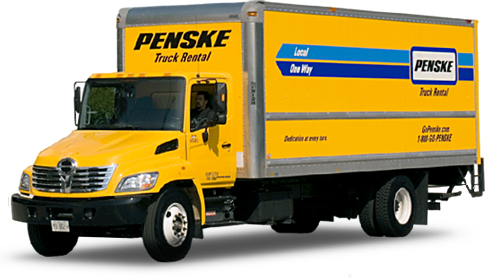
2. 12-Foot Trucks:

- Ideal For: Small apartment moves, studio apartment moves, or transporting a few pieces of furniture.
- Key Features: Offer a small cargo area, often equipped with a loading ramp, and typically have a payload capacity of around 3,000-4,000 lbs.
- Benefits: More cargo space than a cargo van, easier to drive than larger trucks, and relatively affordable.
- Considerations: Still limited cargo space, not suitable for larger homes or apartments.
- Tips: Use furniture pads to protect belongings during transit. Secure items with tie-downs to prevent shifting.
3. 16-Foot Trucks:
- Ideal For: Moving a one-bedroom apartment or small house, or transporting larger items like appliances or furniture.
- Key Features: Offer a larger cargo area than smaller trucks, often equipped with a loading ramp, and typically have a payload capacity of around 4,000-5,000 lbs.
- Benefits: Suitable for a wider range of moves, relatively easy to drive, and offer a good balance of size and maneuverability.
- Considerations: May be challenging to park in some urban areas.
- Tips: Load heavier items towards the front of the truck for better weight distribution. Utilize all available space, including vertical space, by stacking boxes.
4. 22-Foot Trucks:
- Ideal For: Moving a two- to three-bedroom house or apartment, or transporting large amounts of equipment or supplies.
- Key Features: Offer a substantial cargo area, often equipped with a loading ramp and E-track systems for securing cargo, and typically have a payload capacity of around 6,000-8,000 lbs.
- Benefits: Ample cargo space for most residential moves, relatively easy to load and unload, and offer good overall value.
- Considerations: Requires more driving experience than smaller trucks, and parking can be challenging in some areas.
- Tips: Enlist the help of friends or family to assist with loading and unloading. Use a dolly or hand truck to move heavy items.
5. 26-Foot Trucks:
- Ideal For: Moving a large house (three or more bedrooms), transporting large amounts of commercial goods, or relocating a business.
- Key Features: Offer the largest cargo area available in Penske's standard rental fleet, often equipped with a loading ramp, E-track systems, and lift gates, and typically have a payload capacity of around 8,000-10,000 lbs.
- Benefits: Maximum cargo space for residential moves, suitable for commercial applications, and often equipped with features that simplify loading and unloading.
- Considerations: Requires significant driving experience, parking can be very challenging, and fuel consumption is higher than smaller trucks. A commercial driver's license (CDL) may be required in some situations depending on the weight and intended use.
- Tips: Consider hiring professional movers to assist with loading and unloading. Plan your route carefully to avoid low bridges and narrow streets.
6. Semi-Trucks (Tractors and Trailers):
- Ideal For: Long-haul transportation of goods, commercial freight, and large-scale deliveries.
- Key Features: These vehicles consist of a tractor unit and a detachable trailer. Trailers come in various lengths and configurations (dry van, refrigerated, flatbed), each designed for specific types of cargo. Payload capacities can vary greatly depending on the configuration.
- Benefits: Enormous cargo capacity, suitable for long distances, and optimized for commercial transportation.
- Considerations: Requires a commercial driver's license (CDL), extensive driving experience, and specialized knowledge of regulations and safety procedures. Rental often involves complex logistics and requirements.
- Tips: Ensure proper load securement to prevent shifting during transit. Regularly inspect the vehicle for maintenance issues.
Factors to Consider When Choosing a Penske Truck Type
Before renting a Penske truck, carefully consider the following factors:
- Size of Your Move: Estimate the volume and weight of your belongings. Use online tools or consult with a Penske representative to determine the appropriate truck size.
- Distance of Your Move: Long-distance moves may require larger trucks with more fuel capacity.
- Driving Experience: Be honest about your comfort level driving larger vehicles. Consider renting a smaller truck if you lack experience driving trucks.
- Parking Availability: Assess the parking situation at your origin and destination. Choose a truck that can be easily maneuvered and parked in these locations.
- Budget: Truck rental rates vary depending on the size of the truck, the rental duration, and the distance traveled. Get quotes from Penske and compare prices.
- Loading and Unloading Assistance: Consider hiring professional movers or enlisting the help of friends and family to assist with loading and unloading.
Tips for a Smooth Penske Truck Rental Experience
- Reserve Your Truck in Advance: Especially during peak moving seasons (summer, holidays), book your truck well in advance to ensure availability.
- Inspect the Truck Before Accepting It: Thoroughly inspect the truck for any existing damage and report it to Penske before driving off.
- Understand the Rental Agreement: Read the rental agreement carefully and understand the terms and conditions, including mileage restrictions, insurance coverage, and late fees.
- Drive Safely: Drive defensively and follow all traffic laws. Be aware of the truck's size and weight, and adjust your driving accordingly.
- Return the Truck on Time: Return the truck on time to avoid late fees.
Potential Challenges and Solutions
- Challenge: Difficulty driving a large truck.
- Solution: Practice driving in an empty parking lot before your move. Enlist the help of a more experienced driver.
- Challenge: Difficulty parking in urban areas.
- Solution: Plan your route carefully and avoid narrow streets. Consider hiring a parking attendant to assist with maneuvering.
- Challenge: Overloading the truck.
- Solution: Weigh your belongings and consult with Penske to determine the maximum load capacity. Make multiple trips if necessary.
- Challenge: Unexpected mechanical issues.
- Solution: Contact Penske's roadside assistance for assistance. They will dispatch a mechanic to repair the truck or provide a replacement vehicle.
Penske Truck Types: Price Table (Estimates)
| Truck Type | Ideal Use Case | Estimated Daily Rate | Estimated Mileage Fee | Payload Capacity (lbs) | Special Considerations |
|---|---|---|---|---|---|
| Cargo Van | Small moves, deliveries | $79 - $99 | $0.79/mile | 3,000 - 4,000 | Easy to drive, limited space |
| 12-Foot Truck | Studio/small apt. moves | $99 - $129 | $0.89/mile | 3,000 - 4,000 | Suitable for smaller moves, easy to handle |
| 16-Foot Truck | 1-2 Bedroom apt./house moves | $129 - $169 | $0.99/mile | 4,000 - 5,000 | Good balance of size and maneuverability |
| 22-Foot Truck | 2-3 Bedroom apt./house moves | $169 - $229 | $1.19/mile | 6,000 - 8,000 | Ample space for most residential moves |
| 26-Foot Truck | Large house moves, commercial use | $229 - $349 | $1.49/mile | 8,000 - 10,000 | Largest truck, may require CDL depending on weight and use, challenging parking |
| Semi-Truck (Tractor) | Long-haul commercial transport | Contact Penske | Contact Penske | Varies greatly | Requires CDL, specialized regulations apply, complex logistics, trailer rental separate |
Note: These are estimated prices and can vary based on location, time of year, availability, and specific rental terms. Contact Penske directly for accurate pricing.
Frequently Asked Questions (FAQ)
- Q: Do I need a special license to drive a Penske truck?
- A: For most Penske trucks (cargo vans to 26-foot trucks), a standard driver's license is sufficient. However, for semi-trucks (tractors and trailers), a commercial driver's license (CDL) is required. The need for a CDL can also depend on the weight and intended use of the vehicle, even for a 26-foot truck, so always check local regulations.
- Q: What is Penske's mileage policy?
- A: Penske typically charges a per-mile fee in addition to the daily rental rate. The mileage fee varies depending on the size of the truck and the location.
- Q: What kind of insurance does Penske offer?
- A: Penske offers a variety of insurance options, including collision damage waiver (CDW), supplemental liability insurance (SLI), and cargo insurance.
- Q: What if I damage the truck during my rental?
- A: If you damage the truck, you will be responsible for paying for the repairs, subject to the terms of your rental agreement and any insurance coverage you have purchased.
- Q: Can I tow a trailer behind a Penske truck?
- A: Towing a trailer behind a Penske truck is generally not permitted. Check with Penske directly for specific policies.
- Q: What is the fuel policy?
- A: Typically, you need to return the truck with the same fuel level as when you picked it up. Failure to do so will result in a refueling charge.
Conclusion
Choosing the right Penske truck type is a crucial step in ensuring a successful and stress-free moving or transportation experience. By carefully considering the factors outlined in this guide, you can select the perfect vehicle for your specific needs and avoid costly mistakes. Remember to plan ahead, reserve your truck in advance, and drive safely. With the right preparation and the right truck, you can tackle your next transportation challenge with confidence. Consider consulting with a Penske representative to discuss your specific requirements and receive personalized recommendations. Good luck with your move!