Peterbilt, a name synonymous with quality, durability, and performance in the trucking industry, offers a range of heavy-duty trucks catering to various needs, from long-haul transport to vocational applications. However, the premium associated with the Peterbilt brand means that understanding Peterbilt truck prices is crucial for fleet owners, owner-operators, and anyone considering investing in these iconic vehicles. This comprehensive guide delves into the factors influencing Peterbilt truck prices, providing you with the knowledge to navigate the market and make informed purchasing decisions.
Why Understanding Peterbilt Truck Prices Matters
Peterbilt Truck Prices: A Comprehensive Guide to Understanding Costs and Making Informed Decisions
Investing in a Peterbilt truck is a significant financial undertaking. Understanding the price factors allows you to:
- Budget Effectively: Accurately estimate the initial investment and ongoing operational costs.
- Negotiate Effectively: Armed with knowledge, you can negotiate better deals with dealers.
- Compare Models Intelligently: Evaluate different Peterbilt models based on their features, capabilities, and associated costs.
- Make Informed Decisions: Align your purchase with your business needs and financial constraints.
- Maximize Return on Investment: Choose the right truck that offers the best balance of performance, reliability, and long-term value.
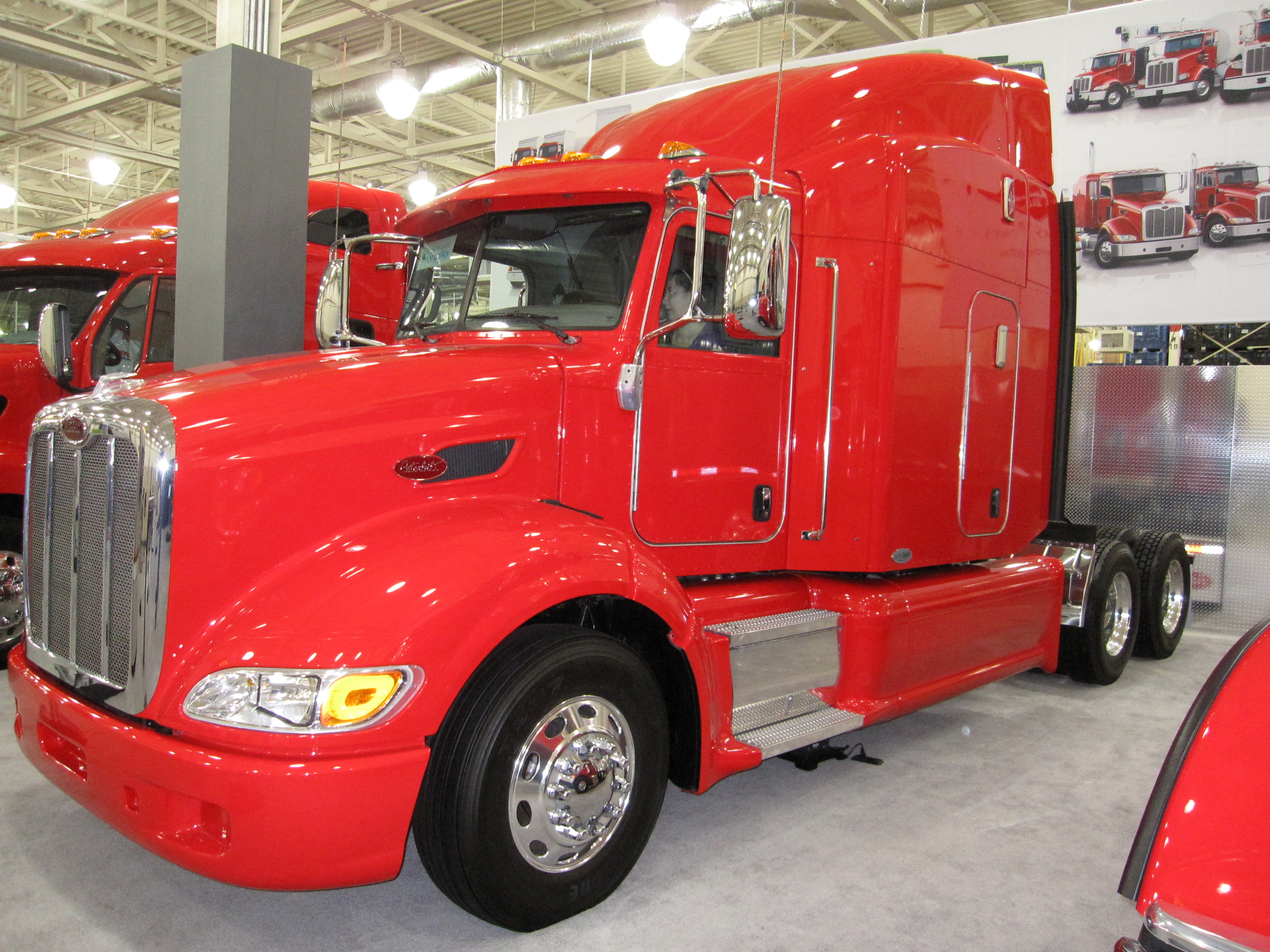
Factors Influencing Peterbilt Truck Prices
Several key factors contribute to the final price of a Peterbilt truck:
- Model Type: Different Peterbilt models are designed for specific applications, and their prices reflect these differences. For example, a long-haul tractor like the Model 579 will generally have a different price point than a vocational truck like the Model 567.
- Engine: The engine is a significant cost driver. More powerful and fuel-efficient engines will command a higher price. Consider the brand (e.g., Cummins, PACCAR), horsepower, and torque ratings.
- Transmission: Automatic transmissions are typically more expensive than manual transmissions. The number of gears and the manufacturer (e.g., Eaton, Allison) also impact the price.
- Axle Configuration: The number of axles (e.g., 6x4, 8x4) and their load-carrying capacity affect the price.
- Cab Configuration: Sleeper cabs, offering sleeping accommodations for long-haul drivers, are more expensive than day cabs. The size and features of the sleeper also influence the price.
- Suspension: Air ride suspension is often preferred for its ride quality and cargo protection, but it adds to the overall cost.
- Technology and Features: Advanced driver-assistance systems (ADAS), infotainment systems, and other technological features contribute to the price. Consider options like collision mitigation systems, lane departure warning, and adaptive cruise control.
- Customization and Upgrades: Custom paint jobs, specialized equipment, and other upgrades will increase the price.
- New vs. Used: New trucks come with warranties and the latest technology, but they also carry a higher price tag. Used trucks offer a more affordable option, but require careful inspection and may come with higher maintenance costs.
- Market Conditions: Supply and demand, economic factors, and government regulations can all influence Peterbilt truck prices.
- Dealer Markups: Different dealers may have different markups, so it's essential to shop around and compare prices.

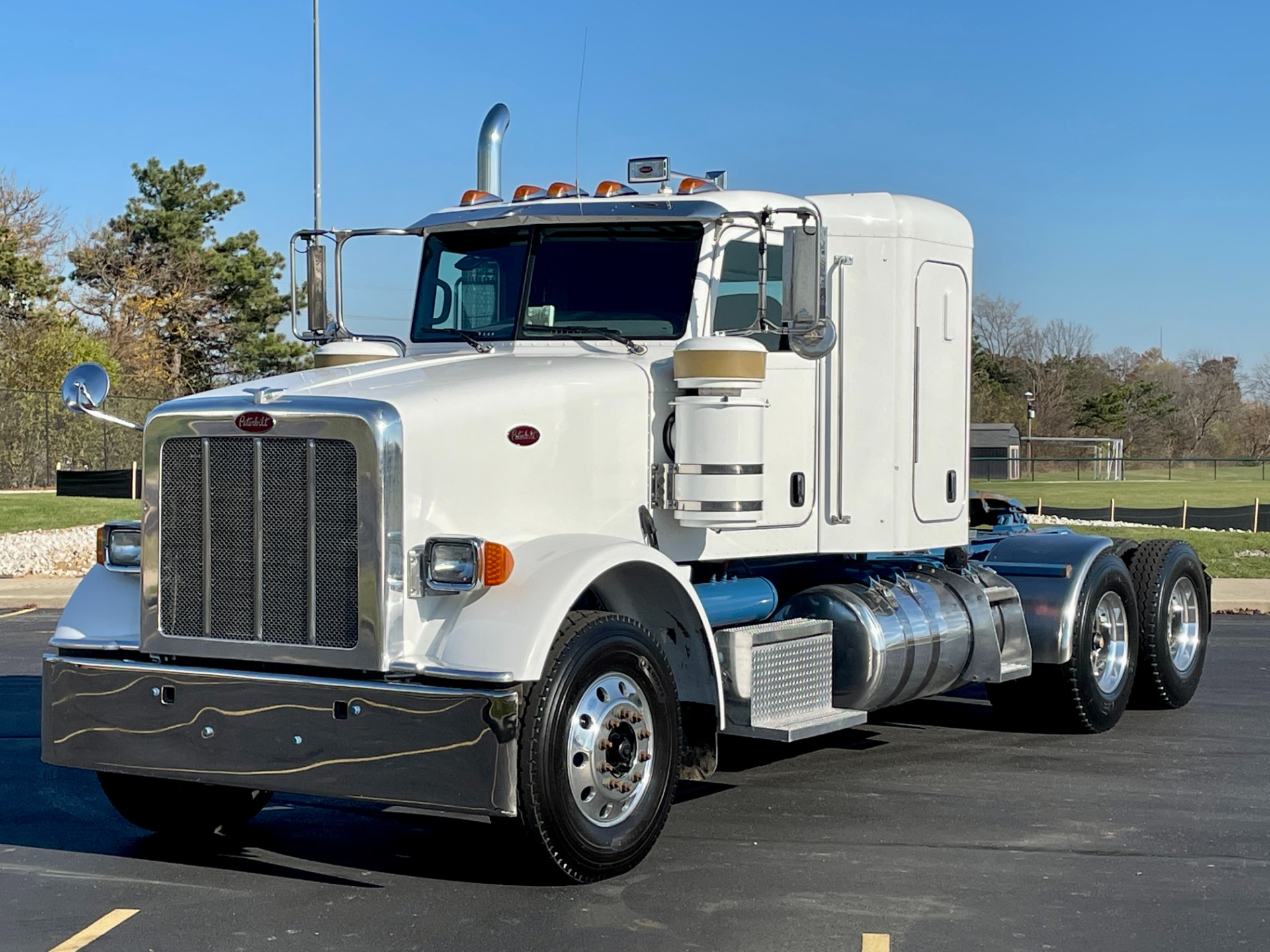
A Breakdown of Popular Peterbilt Models and Their Price Ranges (Estimates)
| Model | Application | Key Features | Estimated Price Range (New) | Estimated Price Range (Used - Dependent on Age & Mileage) |
|---|---|---|---|---|
| Model 579 | Long-Haul | Aerodynamic design, fuel efficiency, comfortable cab, advanced technology. | $180,000 - $250,000 | $80,000 - $180,000 |
| Model 567 | Vocational/Heavy-Haul | Rugged design, versatile configurations, durable chassis, powerful engines. | $160,000 - $230,000 | $70,000 - $160,000 |
| Model 389 | Long-Haul/Show Truck | Classic Peterbilt styling, powerful engines, customizable features. | $200,000 - $300,000+ | $90,000 - $200,000+ |
| Model 386 | Long-Haul | Aerodynamic, fuel efficient, and designed with driver comfort in mind. | $170,000 - $240,000 | $75,000 - $170,000 |
| Model 589 | Long-Haul | Aerodynamic design, fuel efficiency, comfortable cab, advanced technology. | $190,000 - $260,000 | $90,000 - $190,000 |
| Model 548 | Regional Haul | Versatile applications with lighter weight and great maneuverability. | $150,000 - $220,000 | $65,000 - $150,000 |
Important Considerations When Buying a Peterbilt Truck
- Assess Your Needs: Determine the specific requirements of your operation. What type of cargo will you be hauling? What distances will you be covering? What terrain will you be driving on?
- Set a Budget: Establish a realistic budget that includes the initial purchase price, financing costs, insurance, maintenance, and fuel.
- Research Different Models: Compare the features and specifications of different Peterbilt models to find the one that best meets your needs and budget.
- Consider Used Trucks: Explore the used truck market for potential cost savings. However, be sure to thoroughly inspect any used truck before making a purchase. Get a professional inspection to identify any potential problems.
- Negotiate with Dealers: Don't be afraid to negotiate with dealers to get the best possible price. Get quotes from multiple dealers and compare them carefully.
- Factor in Operational Costs: Consider the ongoing operational costs of owning a Peterbilt truck, such as fuel, maintenance, insurance, and driver salaries.
- Financing Options: Explore different financing options, such as loans and leases, to find the one that best suits your financial situation.
- Warranty Coverage: Understand the warranty coverage offered on new and used trucks.
Tips for Saving Money on a Peterbilt Truck
- Shop Around: Get quotes from multiple dealers and compare prices.
- Consider a Used Truck: A well-maintained used truck can offer significant cost savings.
- Negotiate: Don't be afraid to negotiate with dealers.
- Buy During Off-Peak Season: Truck prices may be lower during the off-peak season.
- Consider a Lease: Leasing can offer lower upfront costs and predictable monthly payments.
- Look for Incentives and Rebates: Check for government incentives and manufacturer rebates.
- Reduce Customization: Limiting customization can save money on the initial purchase price.
- Maintain Your Truck Properly: Regular maintenance can help prevent costly repairs and extend the life of your truck.
Potential Challenges and Solutions
- High Initial Cost: Peterbilt trucks are known for their premium price. Solution: Consider a used truck, lease, or explore financing options.
- Maintenance Costs: Heavy-duty trucks can have high maintenance costs. Solution: Establish a regular maintenance schedule, invest in quality parts, and consider a maintenance contract.
- Fuel Costs: Fuel is a significant operational expense. Solution: Choose a fuel-efficient engine, optimize driving habits, and consider aerodynamic upgrades.
- Depreciation: Trucks depreciate over time. Solution: Choose a model with good resale value and maintain it properly.
Conclusion
Understanding Peterbilt truck prices is crucial for making informed purchasing decisions. By considering the factors influencing price, researching different models, and exploring financing options, you can find a Peterbilt truck that meets your needs and budget. Remember to prioritize your specific operational requirements and focus on long-term value when making your decision. Investing in a Peterbilt is an investment in quality and performance, and with careful planning, you can maximize your return on investment.
Frequently Asked Questions (FAQ)
Q: What is the average lifespan of a Peterbilt truck? A: With proper maintenance, a Peterbilt truck can last for 750,000 to 1,000,000 miles or more.
Q: Are Peterbilt trucks worth the investment? A: Peterbilt trucks are known for their quality, durability, and performance. They often command higher resale values and can offer a lower total cost of ownership over the long term, making them a worthwhile investment for many operators.
Q: What are the most fuel-efficient Peterbilt models? A: The Model 579 and newer Model 589 are known for their aerodynamic designs and fuel-efficient engines.
Q: What are the best financing options for Peterbilt trucks? A: You can explore loans from banks, credit unions, and specialized truck financing companies, as well as lease options offered by Peterbilt and other leasing companies.
Q: Where can I find reliable information on Peterbilt truck prices? A: Contact authorized Peterbilt dealers, consult online truck marketplaces, and research industry publications and forums.
Q: What is the difference between a day cab and a sleeper cab? A: A day cab is a truck cab without sleeping accommodations, suitable for short-haul or local operations. A sleeper cab provides sleeping quarters for drivers on long-haul routes.
Q: How important is regular maintenance for a Peterbilt truck? A: Regular maintenance is crucial for extending the life of your Peterbilt truck, preventing costly repairs, and ensuring optimal performance and fuel efficiency.