The open road calls to many Texans, and for some, that call resonates most strongly from behind the wheel of a semi-truck. Whether you're an owner-operator looking to expand your fleet, a seasoned trucker aiming to upgrade your rig, or a budding entrepreneur ready to start your own trucking business, securing the right semi truck financing is a crucial first step. Navigating the financial landscape can seem daunting, especially in a state as vast and economically diverse as Texas. This comprehensive guide will walk you through everything you need to know about semi truck financing in Texas, from understanding your options to overcoming potential challenges and getting behind the wheel with confidence.
Why is Semi Truck Financing Important in Texas?
Semi Truck Financing In Texas: Your Comprehensive Guide to Hitting the Road
Texas is a major hub for transportation and logistics. Its sprawling network of highways and robust economy make it a prime location for the trucking industry. However, semi-trucks are significant investments, often costing upwards of $100,000 for a used model and much more for a new one. Most individuals and small businesses lack the capital to purchase these vehicles outright. This is where semi-truck financing comes in.
Financing allows aspiring and existing truckers to acquire the necessary equipment to operate their businesses without depleting their savings or taking on unsustainable debt. It provides the financial leverage needed to grow, compete, and contribute to the vital Texas transportation industry. Furthermore, strategically chosen financing can offer tax advantages and help manage cash flow effectively.
Understanding Your Financing Options:
Several financing options are available to those seeking to purchase a semi-truck in Texas. Each option comes with its own set of requirements, interest rates, and repayment terms. Understanding these differences is key to selecting the best fit for your individual circumstances.
-
Traditional Bank Loans: Banks offer secured loans using the truck as collateral. They typically require a good credit score, a solid business plan, and a substantial down payment (often 10-20%). Interest rates are generally lower than other options, but the approval process can be lengthy and stringent. Banks like Wells Fargo, Bank of America, and local Texas banks often offer commercial vehicle loans.
-
Credit Union Loans: Credit unions often provide more favorable terms and personalized service compared to traditional banks. They may be more willing to work with borrowers who have less-than-perfect credit or are new to the industry. Like banks, they require a strong application package and often a down payment. Consider credit unions like UFCU (University Federal Credit Union) or Amplify Credit Union if you qualify for membership.
-
Equipment Financing Companies: These companies specialize in financing commercial vehicles and equipment. They often have more flexible lending criteria than banks and can approve loans more quickly. However, interest rates tend to be higher, and down payment requirements can vary. Examples include Balboa Capital, Crest Capital, and CAG Truck Capital.

-
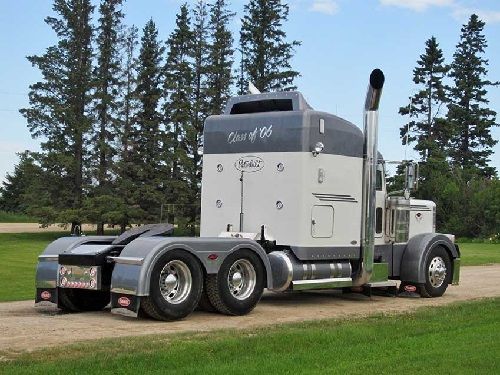
Manufacturer Financing: Some truck manufacturers, like Peterbilt, Kenworth, and Freightliner, offer their own financing programs. These programs can be attractive due to potential incentives or promotional rates. However, they are typically limited to purchasing new trucks from that specific manufacturer.
SBA Loans (Small Business Administration): The SBA doesn't directly lend money but guarantees a portion of the loan to lenders, reducing their risk and making them more willing to approve loans for small businesses. SBA loans often have longer repayment terms and lower down payment requirements. However, the application process can be complex and time-consuming.
-
Leasing: Leasing a semi-truck can be a good option for those who want to avoid the upfront costs and long-term commitment of ownership. There are two main types of leases:
- Operating Lease: Similar to renting, you make payments for the use of the truck but don't own it at the end of the lease term.
- Capital Lease: Structured like a loan, you make payments with the intention of owning the truck at the end of the lease term.
-
Peer-to-Peer Lending: Platforms like Funding Circle connect borrowers with individual investors. This can be an option for those who may not qualify for traditional financing. Interest rates and terms vary depending on the platform and the borrower's creditworthiness.

Factors Affecting Your Loan Approval and Terms:
Several factors will influence your ability to secure semi-truck financing and the terms you receive. These include:
-
Credit Score: A higher credit score demonstrates financial responsibility and increases your chances of approval with better interest rates. Aim for a score of 680 or higher for the best terms.
-
Down Payment: The larger the down payment you can afford, the lower your monthly payments will be and the less interest you'll pay over the life of the loan. A larger down payment also reduces the lender's risk.
-
Business Plan: A well-written business plan demonstrates your understanding of the trucking industry and your ability to generate revenue. It should include your market analysis, financial projections, and operational strategies.
-
Experience: Lenders prefer borrowers with experience in the trucking industry. If you're new to the business, consider partnering with an experienced driver or taking relevant training courses.
-
Truck Condition and Age: Lenders will assess the condition and age of the truck you're financing. Newer trucks generally qualify for better terms, while older trucks may require higher down payments or shorter repayment periods.
-
Debt-to-Income Ratio (DTI): Lenders will evaluate your DTI to determine your ability to repay the loan. A lower DTI indicates a stronger financial position.
Step-by-Step Guide to Securing Semi Truck Financing in Texas:
-
Assess Your Needs and Budget: Determine the type of truck you need, your budget, and how much you can realistically afford to pay each month.
-
Check Your Credit Score: Obtain a copy of your credit report from all three major credit bureaus (Equifax, Experian, and TransUnion) and review it for any errors. Dispute any inaccuracies to improve your score.
-
Develop a Business Plan: Create a comprehensive business plan that outlines your business goals, target market, financial projections, and operational strategies.
-
Gather Financial Documents: Collect all necessary financial documents, including your tax returns, bank statements, profit and loss statements, and balance sheets.
-
Shop Around for the Best Rates: Contact multiple lenders and compare their interest rates, fees, repayment terms, and other loan features. Don't be afraid to negotiate.
-
Complete the Application Process: Fill out the loan application accurately and completely. Provide all required documentation and answer any questions from the lender promptly.
-
Review the Loan Agreement: Carefully review the loan agreement before signing it. Make sure you understand all the terms and conditions, including the interest rate, repayment schedule, and any fees or penalties.
-
Secure Insurance: Obtain adequate truck insurance to protect your investment. Lenders typically require comprehensive and collision coverage.
-
Finalize the Purchase: Once your loan is approved, finalize the purchase of the truck and take possession.
Potential Challenges and Solutions:
- Poor Credit: Work to improve your credit score by paying bills on time, reducing debt, and disputing any errors on your credit report. Consider a co-signer or a secured loan to increase your chances of approval.
- Lack of Experience: Partner with an experienced driver or take relevant training courses to demonstrate your knowledge of the trucking industry.
- Limited Down Payment: Explore SBA loans or consider leasing as an alternative to purchasing.
- Older Truck: Consider focusing on lenders that specialize in financing older equipment, or be prepared for higher interest rates and a larger down payment.
Table: Semi Truck Financing Options in Texas
| Financing Option | Key Features | Pros | Cons | Typical Interest Rate | Down Payment Requirement | Approval Time |
|---|---|---|---|---|---|---|
| Traditional Bank Loan | Secured loan, requires good credit | Lower interest rates, predictable payments | Strict requirements, lengthy approval process | 6-10% | 10-20% | 2-4 Weeks |
| Credit Union Loan | Secured loan, personalized service | Potentially more favorable terms, community focus | Membership requirements may apply | 5-9% | 5-15% | 1-3 Weeks |
| Equipment Financing Company | Specialized in commercial vehicles | Flexible lending criteria, faster approval | Higher interest rates, potentially higher fees | 8-15% | 5-25% | 1-2 Weeks |
| Manufacturer Financing | Offered by truck manufacturers | Potential incentives, streamlined process | Limited to specific brands | Varies, often promotional rates | 0-10% | 1-2 Weeks |
| SBA Loan | Government-backed guarantee | Longer repayment terms, lower down payment | Complex application process, requires strong business plan | Prime + 2-3% | 10-20% | 4-8 Weeks |
| Operating Lease | Renting the truck | Lower upfront costs, predictable expenses | No ownership at the end of the lease | Varies depending on the lessor | Low or no down payment | 1-2 Weeks |
| Capital Lease | Lease with option to buy | Potential for ownership, tax advantages | Higher monthly payments than operating lease | Varies depending on the lessor | 5-15% | 1-2 Weeks |
Frequently Asked Questions (FAQ):
-
What credit score do I need to finance a semi-truck? While it varies by lender, a credit score of 680 or higher is generally recommended for the best terms.
-
How much down payment is required? Down payment requirements typically range from 5% to 25% of the truck's purchase price, depending on the lender and your creditworthiness.
-
Can I finance a used semi-truck? Yes, many lenders offer financing for used semi-trucks. However, interest rates may be higher and repayment terms shorter.
-
What is the typical loan term for semi-truck financing? Loan terms typically range from 3 to 7 years.
-
What documents do I need to apply for semi-truck financing? You'll typically need your credit report, business plan, financial statements, tax returns, and driver's license.
-
Is it better to lease or buy a semi-truck? The best option depends on your individual circumstances. Leasing offers lower upfront costs and predictable expenses, while buying allows you to build equity and potentially benefit from tax advantages.
Conclusion:
Securing semi-truck financing in Texas requires careful planning, research, and a thorough understanding of your options. By following the steps outlined in this guide, you can increase your chances of approval and obtain the best possible terms. Remember to compare offers from multiple lenders, prepare a strong business plan, and maintain a good credit score. With the right financing in place, you can confidently hit the road and contribute to the thriving Texas transportation industry. The road to success starts with a solid financial foundation.