The Chevrolet Silverado is a workhorse, a symbol of American truck culture, and a reliable companion for countless drivers. One of the unsung heroes contributing to its strength and capability is the wheel configuration, particularly the 6-lug pattern found on many Silverado models. "Silverado 6 Lug Wheels" refers to the wheels specifically designed with six lug holes, matching the corresponding hub pattern on the truck's axles. This configuration is crucial for secure wheel mounting, load-bearing capacity, and overall vehicle performance. This comprehensive guide will delve into the world of Silverado 6 lug wheels, exploring their importance, benefits, different types, considerations for choosing the right set, and more. Whether you're looking to upgrade your wheels for aesthetic appeal, improve off-road performance, or simply understand the mechanics behind your Silverado's mobility, this article will provide valuable insights.
Why the 6-Lug Pattern Matters on Your Silverado
Silverado 6 Lug Wheels: A Comprehensive Guide
The number of lugs (or bolts) securing a wheel to a vehicle's hub is a critical factor in determining its strength and load-bearing capacity. The 6-lug pattern, common on many Silverado models, represents a robust design that effectively distributes weight and torque across the wheel and axle. This is particularly important for trucks like the Silverado, which are often used for hauling, towing, and navigating challenging terrains. Compared to 5-lug configurations, the 6-lug pattern offers increased stability and resistance to stress, making it a safer and more reliable choice for heavier-duty applications. Ignoring the correct lug pattern when choosing wheels can lead to serious safety hazards, including wheel detachment and potential accidents.
Understanding the Key Specifications of Silverado 6 Lug Wheels
Before diving into the world of aftermarket wheels, it's crucial to understand the key specifications that define Silverado 6 lug wheels. These measurements determine compatibility and proper fitment:
- Bolt Pattern: The bolt pattern is expressed as two numbers: the number of lugs and the diameter of the circle formed by the lugs. For most Silverado 1500 models with a 6-lug configuration, the bolt pattern is 6x5.5" (6x139.7mm). This means six lugs are arranged on a circle with a diameter of 5.5 inches (or 139.7 millimeters).
- Wheel Diameter: This refers to the overall size of the wheel, measured in inches. Common diameters for Silverado 1500 wheels range from 17 inches to 22 inches, depending on the trim level and model year.
- Wheel Width: Measured in inches, the wheel width determines the tire size that can be safely mounted. Wider wheels typically allow for wider tires, which can improve grip and handling.
- Offset: Offset is the distance between the wheel's mounting surface and its centerline. A positive offset means the mounting surface is closer to the outside of the wheel, while a negative offset means it's closer to the inside. The correct offset is crucial for ensuring proper clearance and preventing rubbing against the suspension or body.
- Center Bore: This is the diameter of the hole in the center of the wheel that fits over the vehicle's hub. The correct center bore ensures the wheel is properly centered on the hub, reducing vibration and stress on the lugs.
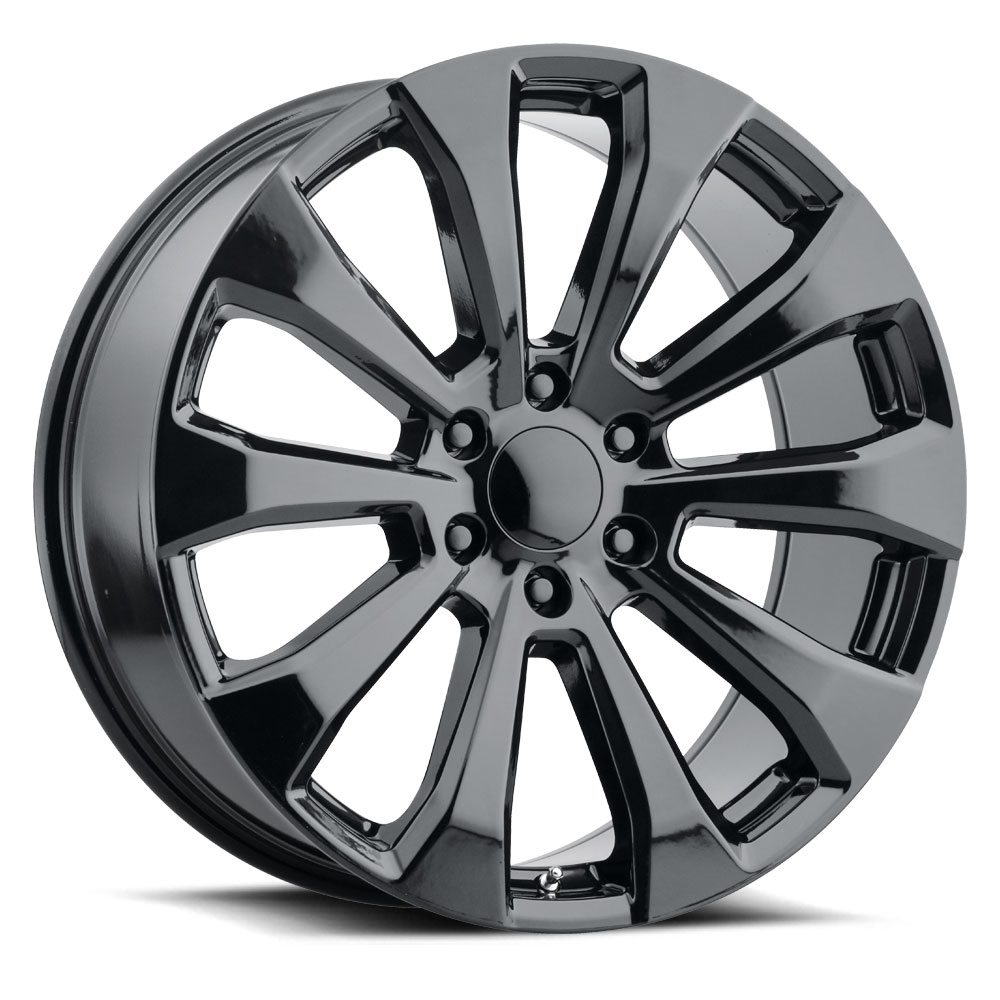
Types of Silverado 6 Lug Wheels: A Material and Design Overview
Silverado 6 lug wheels come in various materials and designs, each offering distinct advantages and aesthetic appeal:
- Steel Wheels: Steel wheels are the most affordable option, typically found on base-model Silverados. They are known for their durability and resistance to bending, making them suitable for heavy-duty use and off-road adventures. However, they are generally heavier than alloy wheels and offer fewer design options.
- Aluminum Alloy Wheels: Alloy wheels are a popular choice for their lightweight construction and stylish designs. Aluminum alloys offer a good balance of strength, durability, and aesthetics. They can improve fuel efficiency and handling due to their lower weight. They also dissipate heat more effectively than steel wheels, which can improve brake performance. Different casting and forging techniques result in different levels of strength and durability in alloy wheels.
- Forged Wheels: Forged wheels are the strongest and lightest type of wheel. They are manufactured through a process of compressing a solid block of aluminum under extreme pressure, resulting in a denser and more durable structure. Forged wheels are often preferred for high-performance applications and demanding off-road use. They are also the most expensive option.
- Cast Wheels: Cast wheels are made by pouring molten aluminum into a mold. This process is less expensive than forging, making cast wheels more accessible. While not as strong as forged wheels, high-quality cast wheels can still offer excellent performance and durability for most Silverado owners.

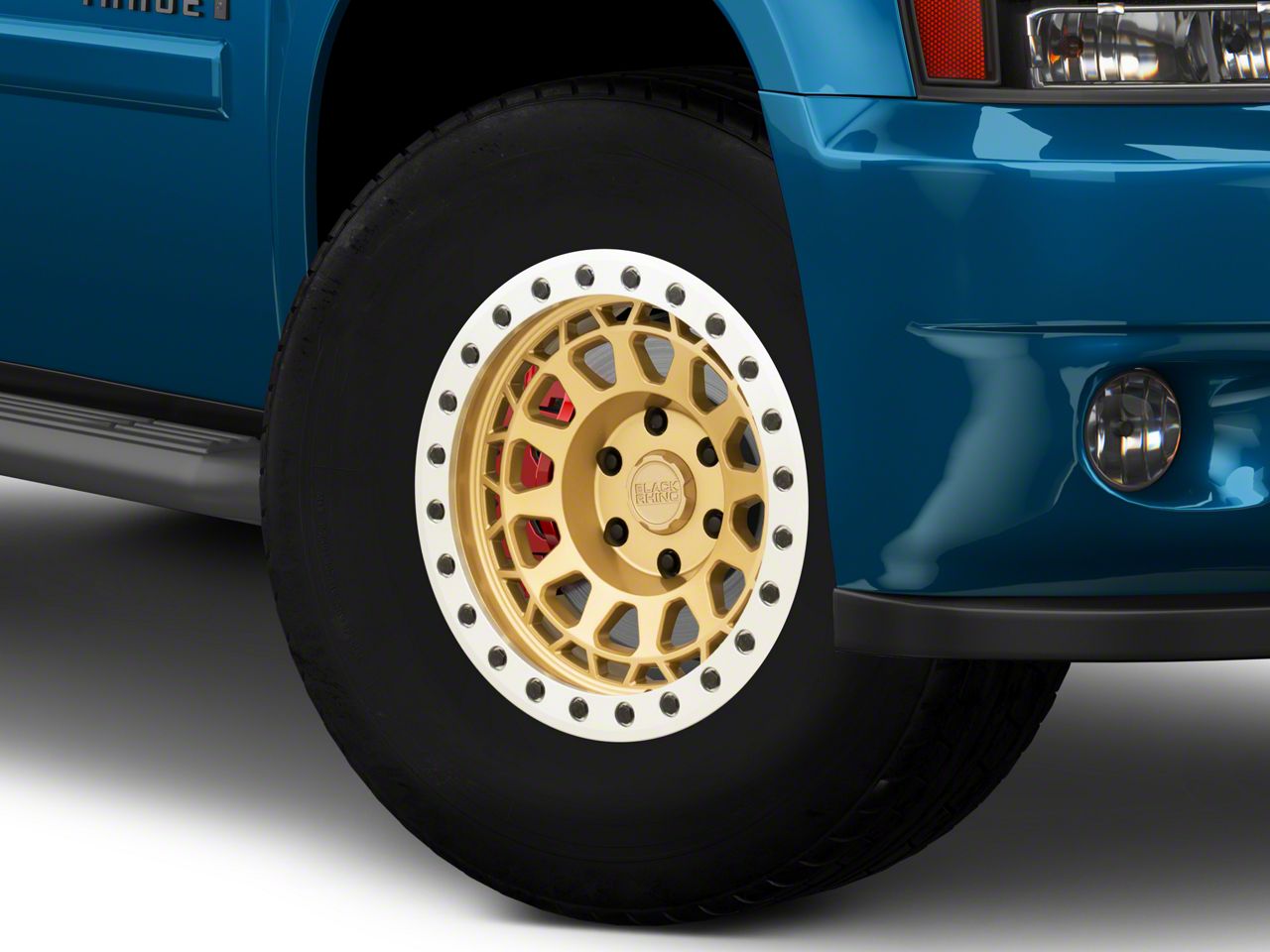
Beyond the material, wheel designs vary widely, from classic spoke patterns to modern, aggressive styles. The best choice depends on your personal preferences and the overall look you want to achieve for your Silverado.
Choosing the Right Silverado 6 Lug Wheels: Key Considerations
Selecting the right Silverado 6 lug wheels involves careful consideration of several factors:
- Intended Use: How do you primarily use your Silverado? If you frequently tow heavy loads or venture off-road, you'll need wheels that are strong and durable. For everyday driving and occasional hauling, alloy wheels may be a suitable option.
- Tire Size: Ensure the wheel width is compatible with the tire size you plan to use. Consult a tire size chart or consult with a tire professional to determine the appropriate wheel width for your desired tire size.
- Offset: As mentioned earlier, the correct offset is crucial for proper fitment. Use an online offset calculator or consult with a wheel specialist to determine the ideal offset for your Silverado.
- Load Rating: Verify that the wheels have a load rating that meets or exceeds the gross axle weight rating (GAWR) of your Silverado. This is essential for ensuring safe and reliable performance, especially when towing or hauling heavy loads.
- Budget: Wheel prices can vary significantly depending on the material, design, and brand. Set a budget before you start shopping to avoid overspending.
Installation Tips and Potential Challenges
Installing new wheels on your Silverado is a relatively straightforward process, but it's important to follow these tips:
- Proper Tools: Use a lug wrench or impact wrench to loosen and tighten the lug nuts. A torque wrench is essential for ensuring the lug nuts are tightened to the manufacturer's specifications.
- Safe Lifting: Use a jack and jack stands to safely lift and support the vehicle. Never work under a vehicle supported only by a jack.
- Torque Sequence: Tighten the lug nuts in a star pattern to ensure even pressure on the wheel.
- Torque Specifications: Consult your owner's manual or a reliable source for the correct torque specifications for your Silverado's lug nuts.
- Re-Torque: After driving approximately 50-100 miles, re-torque the lug nuts to ensure they are properly secured.
Potential Challenges and Solutions:
- Rubbing: If you install wheels with an incorrect offset or use tires that are too large, you may experience rubbing against the suspension or body. Solutions include installing a leveling kit or lift kit, trimming the fenders, or using wheels with a different offset.
- Vibration: Vibration can be caused by improperly balanced wheels or a damaged hub. Have the wheels balanced by a professional and inspect the hub for damage.
- Incorrect Lug Nuts: Ensure you are using the correct lug nuts for your new wheels. Aftermarket wheels may require different lug nuts than your factory wheels.
Upgrading Your Silverado 6 Lug Wheels: Aesthetic and Performance Benefits
Upgrading your Silverado 6 lug wheels offers several benefits:
- Improved Aesthetics: New wheels can dramatically transform the look of your Silverado, giving it a more aggressive, stylish, or personalized appearance.
- Enhanced Performance: Lighter wheels can improve acceleration, braking, and handling. Wider wheels can accommodate wider tires, providing increased grip and stability.
- Increased Load Capacity: Upgrading to wheels with a higher load rating can allow you to safely tow and haul heavier loads.
- Off-Road Capability: Choosing wheels and tires designed for off-road use can significantly improve your Silverado's performance on rough terrain.
Price Table for Silverado 6 Lug Wheels
| Wheel Type | Material | Diameter (inches) | Width (inches) | Typical Price Range (per wheel) | Notes |
|---|---|---|---|---|---|
| Steel Wheel | Steel | 17-18 | 7.5-8.5 | $75 - $150 | Most affordable, durable, heavy, limited designs. |
| Cast Alloy Wheel | Aluminum Alloy | 17-22 | 8-10 | $150 - $400 | Good balance of price, weight, and design options. |
| Forged Alloy Wheel | Aluminum Alloy | 18-22 | 8.5-12 | $400 - $1000+ | Strongest and lightest, best for performance and off-road, most expensive. |
| Beadlock Wheel | Aluminum Alloy/Steel | 17-20 | 8.5-10 | $300 - $800 | Designed for low-pressure off-roading, allows tires to be run at very low pressures without de-beading. |
| Specialty Wheel (e.g., Dually) | Varies | 16-17 | 6-7 | $200 - $600 | Specific to dually trucks, different bolt patterns may apply. |
Important Note: Prices are estimates and can vary based on brand, retailer, and specific features. Always verify the load rating and bolt pattern before purchasing.
Conclusion: Rolling with Confidence on Your Silverado 6 Lug Wheels
Silverado 6 lug wheels are a crucial component of your truck's performance, safety, and overall appeal. Understanding the key specifications, types, and considerations involved in choosing the right wheels is essential for making an informed decision. Whether you're seeking to enhance your Silverado's aesthetics, improve its off-road capabilities, or simply maintain its reliable performance, investing in a quality set of 6 lug wheels is a worthwhile investment. So, take the time to research your options, consult with experts, and choose wheels that meet your specific needs and preferences. By doing so, you'll be rolling with confidence and enjoying the full potential of your Silverado for years to come.
Frequently Asked Questions (FAQ)
Q: What is the bolt pattern for Silverado 1500 6 lug wheels?
A: The most common bolt pattern is 6x5.5" (6x139.7mm). However, it's always best to double-check your specific model year and trim level to confirm.
Q: Can I use 5-lug wheels on my 6-lug Silverado?
A: No, it is not safe or recommended to use 5-lug wheels on a 6-lug Silverado. The lug pattern must match the hub pattern for proper and safe wheel mounting.
Q: What is wheel offset and why is it important?
A: Wheel offset is the distance between the wheel's mounting surface and its centerline. It's important because it affects wheel clearance and prevents rubbing against the suspension or body.
Q: How do I find the correct load rating for my Silverado wheels?
A: Check your owner's manual or the sticker on your driver's side doorjamb for the gross axle weight rating (GAWR). The wheels should have a load rating that meets or exceeds the GAWR.
Q: Can I install larger wheels and tires on my Silverado?
A: Yes, but you need to consider the overall diameter of the tire and wheel combination. Larger tires may require a leveling kit or lift kit to prevent rubbing.
Q: Are forged wheels worth the extra cost?
A: Forged wheels offer superior strength and weight savings, making them a good choice for high-performance applications and demanding off-road use. However, they are more expensive. If you don't need the extra strength and weight savings, cast alloy wheels may be a more cost-effective option.
Q: Where can I buy Silverado 6 lug wheels?
A: You can buy them from tire and wheel retailers, online retailers, and dealerships. Be sure to purchase from a reputable source to ensure you are getting quality wheels.
Q: How often should I re-torque my lug nuts?
A: Re-torque your lug nuts after driving approximately 50-100 miles after installing new wheels. Then, check them periodically, especially if you frequently tow or drive on rough roads.