The pickup truck: a symbol of American ingenuity, rugged capability, and versatile utility. From hauling heavy loads to navigating off-road trails, these vehicles are built to endure. But even the most robust trucks are susceptible to wear and tear, collisions, and the occasional need for repairs or customization. Understanding the various body parts of your pickup is crucial for maintenance, repairs, upgrades, and even just understanding how your truck functions. This is where a Pickup Truck Body Parts Diagram comes in.
This comprehensive guide will delve into the world of pickup truck body parts diagrams, exploring their importance, the components they illustrate, and how they can be invaluable resources for truck owners, mechanics, and enthusiasts alike. We'll cover everything from identifying specific parts to understanding their functions and even troubleshooting common issues. So, buckle up and let's dive into the anatomy of your workhorse.
The Anatomy of Your Workhorse: A Comprehensive Guide to Pickup Truck Body Parts Diagrams
What is a Pickup Truck Body Parts Diagram?
At its core, a Pickup Truck Body Parts Diagram is a visual representation of all the external and some internal components that make up the body of a pickup truck. It's essentially an exploded view, showcasing how each part fits together and providing a clear identification of each component. These diagrams can be found in various formats, including printed manuals, online databases, and interactive software. They often include part numbers, descriptions, and sometimes even torque specifications for fasteners.
Why are Body Parts Diagrams Important?
Body parts diagrams are essential for several reasons:
- Accurate Identification: Precisely identify the correct part you need, preventing costly mistakes when ordering replacements. This is especially crucial when dealing with subtle variations between different models and years.
- Repair and Restoration: Guiding repairs and restoration projects by showing how parts fit together and highlighting potential problem areas. They are invaluable for DIY enthusiasts and professional mechanics alike.
- Customization and Upgrades: Planning customization projects by visualizing how new parts will integrate with the existing body structure. This ensures a seamless and aesthetically pleasing outcome.
- Insurance Claims: Facilitating insurance claims by providing clear evidence of damage and identifying the parts that need to be replaced.
- Understanding Your Truck: Enhancing your overall understanding of your truck's construction and how its various components interact.
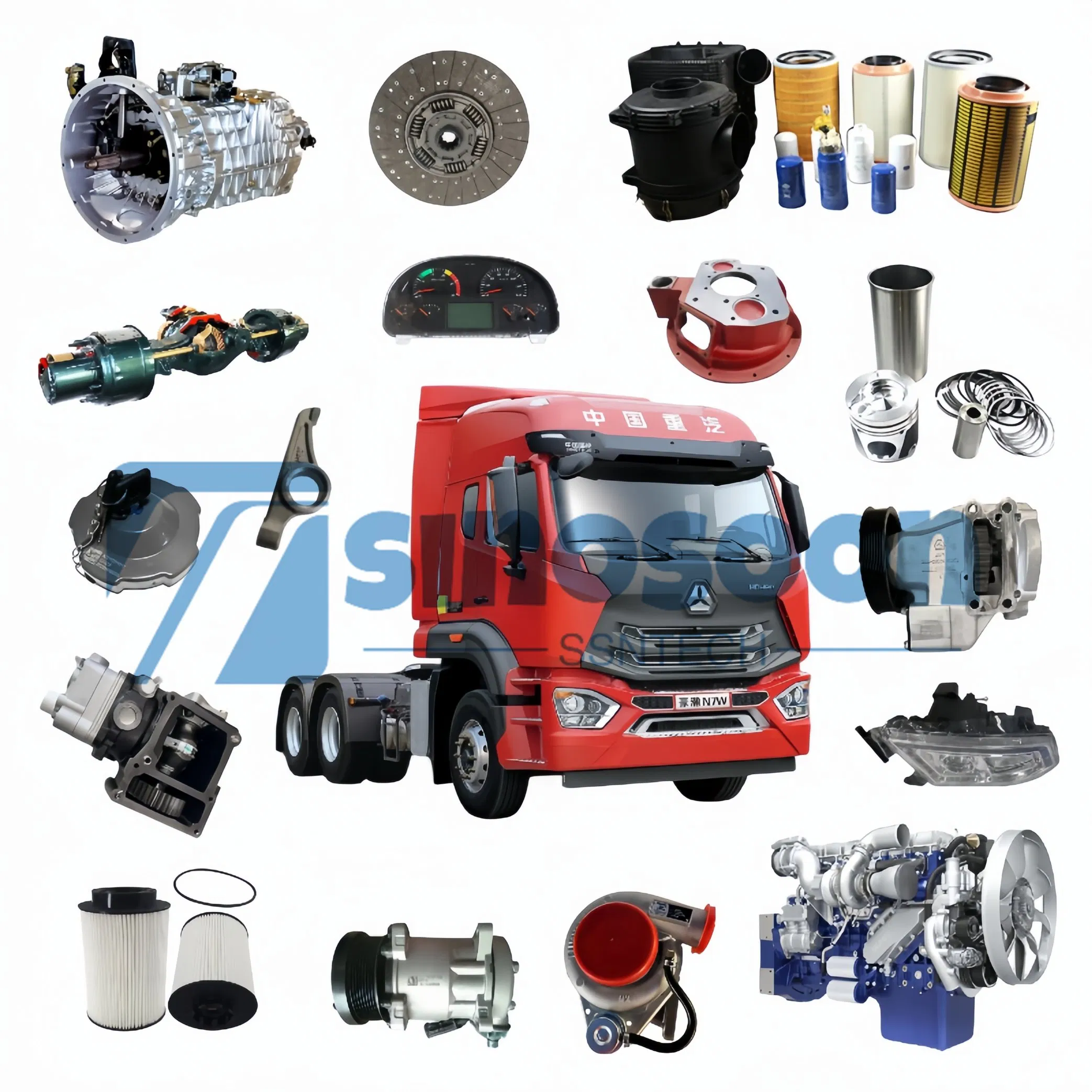
Key Sections of a Pickup Truck Body Parts Diagram:
A typical body parts diagram is organized into several key sections, each focusing on a specific area of the truck:

- Front End: This section typically includes the hood, grille, headlights, bumper, fenders, and radiator support. The diagram will illustrate how these components connect and their relationship to the engine compartment.
- Cab: The cab section focuses on the doors, windows, windshield, roof, and interior panels. It also shows the mounting points for seats, dashboards, and other internal components.
- Bed: This section details the pickup bed, including the bed floor, side panels, tailgate, and any bed liners or covers.
- Rear End: The rear end diagram includes the taillights, bumper, and often the frame section supporting the bed.
- Bumpers (Front and Rear): A more detailed breakdown of the bumper assembly, showing all mounting brackets, impact absorbers, and any integrated sensors (parking sensors, etc.).
- Doors: A separate diagram often details the door assembly, including the door handle, window regulator, hinges, and interior panels.
- Fenders: Showcasing the fender flares, mounting points, and inner fender liners.

Within each of these sections, individual components are labeled with part numbers and descriptions, making it easy to identify and order replacements.
Using a Body Parts Diagram: A Step-by-Step Guide
Using a body parts diagram is relatively straightforward, but here's a step-by-step guide to ensure you get the most out of it:
- Identify Your Truck: Start by confirming the year, make, and model of your pickup truck. This information is crucial for finding the correct diagram, as even slight variations can result in incorrect part identification.
- Locate the Diagram: Obtain a body parts diagram for your specific truck. You can find these in repair manuals, online databases (like those offered by auto parts retailers), or specialized software.
- Identify the Area of Interest: Determine the specific area of the truck you're working on (e.g., front end, cab, bed).
- Locate the Part: Use the diagram to locate the specific part you need to identify. Pay close attention to the orientation and connections of the part.
- Note the Part Number: Record the part number listed on the diagram. This is essential for ordering the correct replacement part.
- Cross-Reference (Optional): If possible, cross-reference the part number with multiple sources to ensure accuracy.
- Order the Part: Order the part from a reputable supplier, using the part number you recorded.
- Installation: Refer to the diagram for guidance on how to install the new part correctly. Pay attention to torque specifications and any special instructions.
Important Considerations When Using Body Parts Diagrams:
- Diagram Accuracy: Ensure the diagram you're using is accurate for your specific truck model and year. Incorrect diagrams can lead to incorrect part identification and costly mistakes.
- Diagram Quality: Use a high-quality diagram that is clear and easy to read. Blurry or incomplete diagrams can be difficult to interpret.
- Complementary Resources: Use body parts diagrams in conjunction with other resources, such as repair manuals, online forums, and videos.
- Professional Assistance: If you're unsure about anything, don't hesitate to seek professional assistance from a qualified mechanic.
Tips for Success:
- Organize Your Workspace: Keep your workspace clean and organized to avoid losing small parts.
- Take Pictures: Before disassembling anything, take pictures to document the original configuration.
- Label Everything: Label all parts and fasteners as you remove them to ensure you can put everything back together correctly.
- Use the Right Tools: Use the correct tools for the job to avoid damaging parts or injuring yourself.
- Be Patient: Take your time and don't rush the process. Rushing can lead to mistakes and frustration.
Potential Challenges and Solutions:
- Finding the Right Diagram: Challenge: Locating a diagram specific to your truck's year, make, and model can be difficult, especially for older or less common vehicles. Solution: Utilize online databases, specialized repair manuals, and ask for assistance from auto parts retailers.
- Interpreting the Diagram: Challenge: Understanding the diagram and identifying the correct part can be challenging, especially for those unfamiliar with automotive terminology. Solution: Use online resources, consult with experienced mechanics, and practice reading diagrams.
- Part Availability: Challenge: Finding replacement parts for older or less common vehicles can be difficult. Solution: Explore online marketplaces, salvage yards, and specialized parts suppliers.
Price Table
| Part Category | Part Example | Average Price Range | Notes |
|---|---|---|---|
| Front End | Hood | $200 - $800 | Prices vary by material (steel, aluminum) |
| Grille | $100 - $500 | Aftermarket options available | |
| Headlight Assembly | $150 - $600 (per pair) | LED, Halogen, Projector options | |
| Cab | Door Shell | $300 - $1000 | Depends on cab type and complexity |
| Windshield | $200 - $500 | Includes installation | |
| Seat Cover Set | $100 - $400 | Various materials and styles | |
| Bed | Bed Floor | $400 - $1200 | Steel or composite materials |
| Tailgate | $250 - $800 | With or without integrated step | |
| Bed Liner | $100 - $500 | Drop-in or spray-in options | |
| Bumpers | Front Bumper | $200 - $800 | Steel, chrome, or plastic options |
| Rear Bumper | $150 - $600 | Step bumpers available | |
| Fenders | Fender (Front) | $150 - $500 | Steel or plastic options |
| Accessories | Running Boards | $150 - $500 (per pair) | Various styles and materials |
| Tonneau Cover | $200 - $1000 | Soft or hard covers available |
Note: These are average price ranges and can vary significantly based on the specific make, model, year, condition, and supplier.
Frequently Asked Questions (FAQ):
- Q: Where can I find a body parts diagram for my truck?
- A: You can find body parts diagrams in repair manuals, online databases offered by auto parts retailers, and specialized automotive software.
- Q: How do I know if I'm using the correct diagram?
- A: Ensure the diagram matches your truck's year, make, and model. Double-check the part numbers and descriptions to confirm accuracy.
- Q: What if I can't find the part I need in the diagram?
- A: Consult with a qualified mechanic or auto parts retailer. They may be able to help you identify the part and find a replacement.
- Q: Can I use a body parts diagram to install aftermarket parts?
- A: Yes, body parts diagrams can be helpful for planning and executing aftermarket installations. However, always refer to the instructions provided with the aftermarket parts for specific guidance.
- Q: Are body parts diagrams only for repairs?
- A: No, body parts diagrams are also useful for customization projects, insurance claims, and understanding your truck's construction.
Conclusion:
Pickup Truck Body Parts Diagrams are indispensable tools for anyone working on or with pickup trucks. They provide a clear visual representation of the truck's body components, facilitating accurate part identification, repair guidance, and customization planning. By understanding how to use these diagrams effectively and considering the important factors discussed in this guide, you can ensure successful repairs, upgrades, and a deeper appreciation for the anatomy of your trusty workhorse. Remember to always prioritize safety and seek professional assistance when needed. Understanding your truck inside and out will not only save you money but also give you a greater appreciation for the machine that helps you get the job done.