Getting your vehicle stuck, broken down, or needing transport can be a stressful experience. While calling a towing service is the usual solution, sometimes you need to take matters into your own hands. That's where "Towing Trucks For Rent" comes in. This comprehensive guide explores everything you need to know about renting a towing truck, from understanding the different types available to navigating the rental process and ensuring a safe and successful towing experience. Whether you're a seasoned mechanic, a DIY enthusiast, or simply someone facing a unique towing situation, this article will equip you with the knowledge to make informed decisions and confidently handle the task at hand.
Why Consider Renting a Towing Truck?
Towing Trucks For Rent: Your Comprehensive Guide to Finding the Right Rig for the Job
While professional towing services are readily available, renting a towing truck can be a cost-effective and practical alternative in certain scenarios. Here are a few reasons why you might consider renting:
- Cost Savings: Renting can be cheaper than hiring a towing service for longer distances or multiple tows.
- Flexibility and Control: You have complete control over the timing and method of the tow.
- Specialized Needs: You might require a specific type of towing truck for a unique situation that standard towing services don't offer.
- Remote Locations: In remote areas where towing services are scarce or expensive, renting a truck can be the only viable option.
- Emergency Situations: If you're comfortable and competent, renting a truck can get you out of a tight spot faster than waiting for a tow truck to arrive.
Understanding the Different Types of Towing Trucks Available for Rent
Before you start your search, it's crucial to understand the different types of towing trucks and their capabilities. Choosing the right truck is essential for safety and efficiency.
-
Flatbed Tow Trucks (Rollbacks): These trucks have a flat bed that tilts and slides to ground level, allowing vehicles to be driven or winched onto the bed. They're ideal for transporting vehicles with significant damage, luxury cars, motorcycles, and vehicles with all-wheel drive. Renting a flatbed is generally safer and prevents further damage to the vehicle being towed.

-
Hook and Chain Tow Trucks (Wrecker): These trucks use chains and hooks to lift the vehicle's front or rear wheels off the ground. While traditionally common, they are less preferred today due to the potential for damage to the towed vehicle's frame and suspension. They are best suited for older vehicles or situations where the vehicle is severely damaged and other options are not feasible.
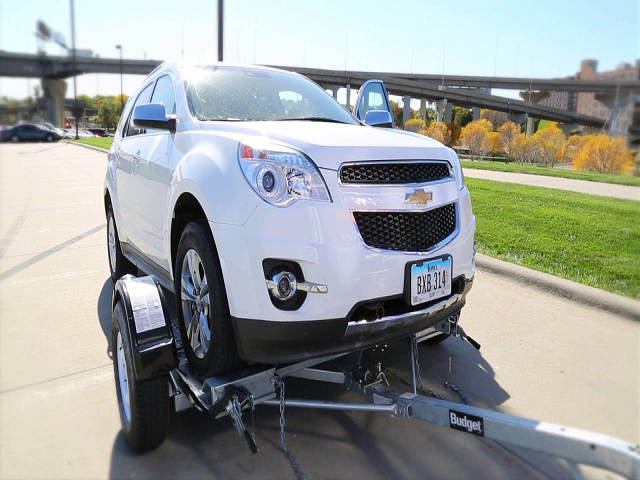
Wheel Lift Tow Trucks: These trucks use a metal yoke to lift the front or rear wheels of the vehicle off the ground. They are generally less damaging than hook and chain trucks but still carry a risk of damage, especially to vehicles with sensitive suspension systems.
-
Integrated Tow Trucks (Self-Loading Wreckers): These are heavy-duty trucks equipped with a boom and winch, often used for recovering large vehicles like buses, RVs, and semi-trucks. They require specialized training and are not typically available for rent to the general public.
-
Motorcycle Towing Trailers: These trailers are specifically designed for transporting motorcycles and offer a secure and damage-free towing solution. They are often available for rent from motorcycle dealerships or equipment rental companies.

Finding Towing Trucks For Rent: Where to Look
Several options exist for finding towing trucks for rent. Here's a breakdown of the most common places to start your search:
- Equipment Rental Companies: Companies like United Rentals, Sunbelt Rentals, and Herc Rentals often carry a range of towing trucks, including flatbeds and wheel lift trucks.
- Truck Rental Companies: U-Haul, Penske, and Enterprise Truck Rental may have some towing truck options, particularly flatbeds, though their selection may be limited.
- Local Towing Companies: Some local towing companies may rent out their trucks during off-peak hours. It's worth calling around to see if this is an option.
- Online Marketplaces: Websites like Craigslist and Facebook Marketplace may have individuals or small businesses renting out their towing trucks. Exercise caution when using these platforms and thoroughly vet the renter.
The Rental Process: A Step-by-Step Guide
Renting a towing truck involves several steps. Following this guide will help ensure a smooth and successful rental experience:
- Determine Your Needs: Identify the type of vehicle you need to tow, the distance you'll be towing it, and any specific requirements you might have (e.g., all-wheel drive, low clearance).
- Research Rental Companies: Compare prices, availability, and insurance options from different rental companies. Read online reviews to get a sense of their reputation.
- Check Requirements: Ensure you meet the rental company's requirements, which typically include a valid driver's license, a clean driving record, and proof of insurance. Some companies may also require a commercial driver's license (CDL) depending on the weight of the truck.
- Inspect the Truck: Before signing the rental agreement, thoroughly inspect the truck for any existing damage. Document any scratches, dents, or other issues with photos or video to avoid being held liable for them later.
- Understand the Rental Agreement: Carefully read and understand the rental agreement before signing. Pay attention to the rental period, mileage limits, insurance coverage, and any fees or penalties.
- Learn the Truck's Operation: Ask the rental company to demonstrate the truck's operation, including the winch, bed controls (for flatbeds), and any other relevant features.
- Plan Your Route: Plan your towing route in advance, considering factors like traffic, road conditions, and bridge clearances.
- Secure the Vehicle: Properly secure the vehicle being towed using chains, straps, and wheel chocks. Ensure the vehicle is centered on the bed (for flatbeds) and that all lights are functioning correctly.
- Drive Safely: Drive cautiously and follow all traffic laws. Maintain a safe following distance and avoid sudden braking or acceleration.
- Return the Truck: Return the truck on time and in the same condition you received it, minus normal wear and tear.
Important Considerations Before Renting
Renting a towing truck isn't a decision to take lightly. Consider these factors before committing:
- Your Experience: Do you have experience operating a towing truck? Handling heavy machinery requires skill and caution. If you're not comfortable, it's best to hire a professional.
- Licensing Requirements: Do you have the appropriate license to operate the towing truck? Some trucks may require a commercial driver's license (CDL), depending on their weight and GVWR (Gross Vehicle Weight Rating).
- Insurance Coverage: Does your existing auto insurance policy cover you while operating a rental towing truck? If not, you may need to purchase supplemental insurance from the rental company.
- Liability: You are responsible for any damage or injuries caused while operating the rental towing truck. Ensure you have adequate insurance coverage to protect yourself.
- Legal Requirements: Familiarize yourself with local and state laws regarding towing, including lighting requirements, weight restrictions, and safety regulations.
Tips for a Safe and Successful Towing Experience
- Use High-Quality Straps and Chains: Invest in strong and durable straps and chains to secure the vehicle being towed.
- Distribute Weight Evenly: Distribute the weight evenly on the towing truck to maintain stability.
- Check Your Mirrors Frequently: Regularly check your mirrors to monitor the towed vehicle and surrounding traffic.
- Take Breaks: If you're towing for a long distance, take frequent breaks to avoid fatigue.
- Be Aware of Your Surroundings: Pay attention to your surroundings and anticipate potential hazards.
- Communicate Clearly: Use hand signals or a two-way radio to communicate with anyone assisting you with the towing process.
Potential Challenges and Solutions
- Mechanical Problems: Towing trucks can experience mechanical problems, especially older models. Before renting, thoroughly inspect the truck and ask about its maintenance history.
- Solution: Choose a reputable rental company with well-maintained equipment and a roadside assistance program.
- Difficulty Maneuvering: Towing trucks can be difficult to maneuver, especially in tight spaces.
- Solution: Practice maneuvering the truck in an open area before attempting to tow the vehicle.
- Accidents: Accidents can happen, even with experienced drivers.
- Solution: Drive cautiously, maintain a safe following distance, and be aware of your surroundings. Ensure you have adequate insurance coverage.
Price Table For Towing Trucks For Rent
| Truck Type | Daily Rate (USD) | Weekly Rate (USD) | Mileage Limit | Insurance Options | Additional Notes |
|---|---|---|---|---|---|
| Flatbed Tow Truck | $150 - $300 | $800 - $1500 | 100-200 miles/day | Included/Optional | Best for long distances and valuable vehicles. Requires experience. |
| Wheel Lift Tow Truck | $120 - $250 | $650 - $1200 | 100-200 miles/day | Included/Optional | Suitable for shorter distances. Check suspension compatibility. |
| Hook and Chain Wrecker | $100 - $200 | $550 - $1000 | 100-200 miles/day | Included/Optional | Less recommended for newer vehicles due to potential damage. |
| Motorcycle Tow Trailer | $50 - $100 | $250 - $500 | Unlimited | Optional | Designed specifically for motorcycles. Easy to tow with a standard vehicle. |
Conclusion: Weighing the Pros and Cons of Renting
Renting a towing truck can be a valuable option in certain situations, offering cost savings, flexibility, and control. However, it's crucial to carefully consider your experience, licensing requirements, and insurance coverage before making a decision. Always prioritize safety and follow all applicable laws and regulations. If you're unsure or uncomfortable with any aspect of the process, it's best to hire a professional towing service. By carefully weighing the pros and cons, you can determine if renting a towing truck is the right choice for your needs.
Frequently Asked Questions (FAQ)
Q: Do I need a special license to rent a towing truck?
A: It depends on the size and weight of the truck. Smaller towing trucks may only require a standard driver's license, while larger trucks with a higher GVWR may require a commercial driver's license (CDL). Check with the rental company for specific requirements.
Q: What kind of insurance do I need?
A: You'll need liability insurance to cover any damage or injuries you cause while operating the rental towing truck. Your existing auto insurance policy may provide some coverage, but it's best to check with your insurance provider or purchase supplemental insurance from the rental company.
Q: What if the truck breaks down while I'm towing?
A: Choose a rental company with a roadside assistance program that can provide assistance if the truck breaks down.
Q: How do I properly secure the vehicle being towed?
A: Use high-quality straps and chains to secure the vehicle to the towing truck. Ensure the vehicle is centered on the bed (for flatbeds) and that all lights are functioning correctly. Consult the rental company for specific instructions.
Q: Can I tow a vehicle with a flat tire?
A: It's generally not recommended to tow a vehicle with a flat tire, as it can damage the wheel and suspension. Consider changing the tire or using a flatbed tow truck to transport the vehicle.
Q: What is the difference between a flatbed and a wheel lift tow truck?
A: A flatbed tow truck has a flat bed that tilts and slides to ground level, allowing vehicles to be driven or winched onto the bed. A wheel lift tow truck uses a metal yoke to lift the front or rear wheels of the vehicle off the ground. Flatbeds are generally safer and prevent further damage to the vehicle being towed.