Choosing the right rims for your truck can significantly impact its performance, aesthetics, and overall driving experience. Among the myriad of options, 17-inch truck rims with a 6-lug bolt pattern are a popular choice for many truck owners. This article serves as a comprehensive guide to understanding everything you need to know about these rims, from their benefits and considerations to selection tips and potential challenges. Whether you're looking to upgrade your current rims, replace damaged ones, or simply understand the technical aspects, this guide will equip you with the knowledge you need to make an informed decision.
Introduction: Why 17 Inch Truck Rims with a 6 Lug Pattern?
The Ultimate Guide to 17 Inch Truck Rims with a 6 Lug Pattern
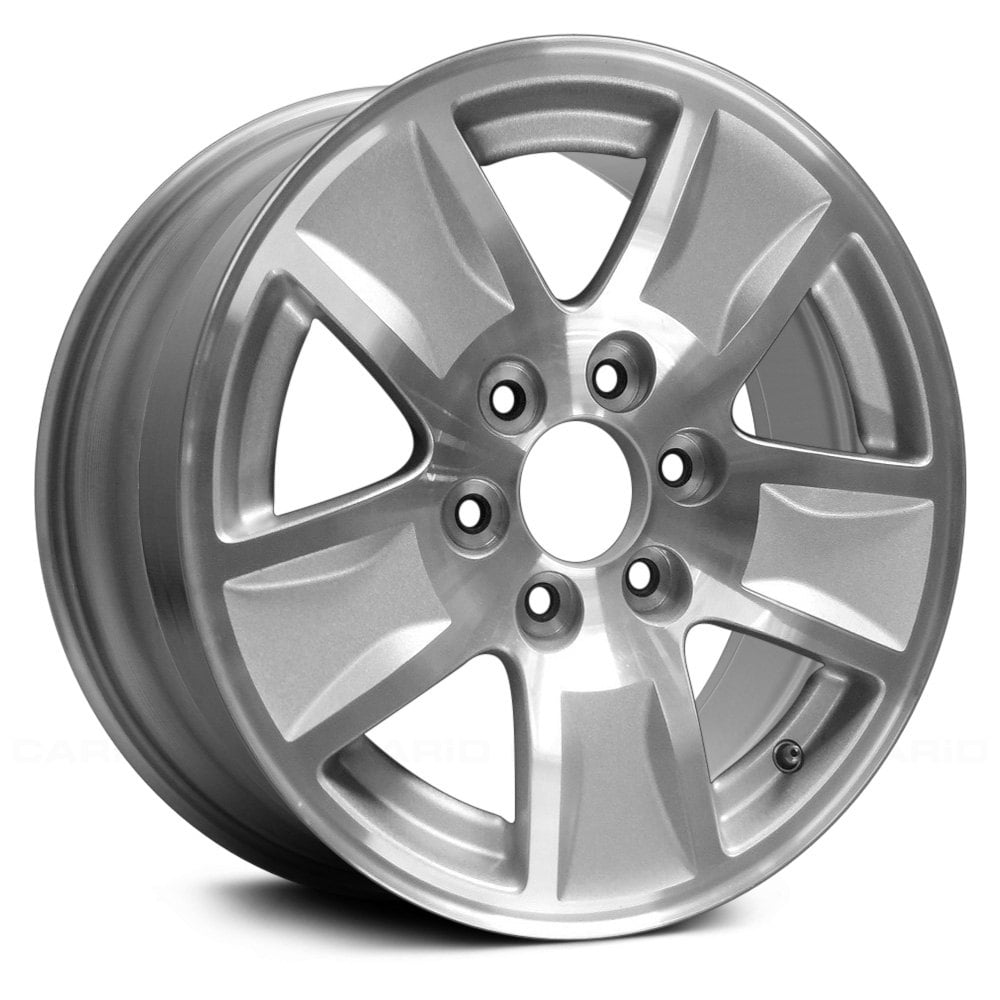
A 17-inch truck rim with a 6-lug bolt pattern refers to a wheel designed for trucks and SUVs that features a 17-inch diameter and is secured to the vehicle's hub using six bolts. The "lug pattern" (also known as a bolt pattern or bolt circle) refers to the number of bolts and the diameter of the circle they form around the center of the hub. The 6-lug pattern is common on a wide range of mid-size and full-size trucks, making 17-inch rims a versatile option.
The popularity of this size and lug pattern stems from a balance of factors:
- Aesthetics: 17-inch rims offer a good balance between tire sidewall height and wheel size, contributing to a visually appealing look.
- Performance: They allow for a good compromise between ride comfort and handling performance.
- Tire Availability: A vast selection of tire sizes and types are available for 17-inch rims, catering to various driving needs and preferences.
- Durability: 17-inch rims are generally robust enough to handle the demands of truck usage, including hauling and off-road driving.
- Cost: They often strike a good balance between cost and performance compared to larger or more specialized rim sizes.

Section 1: Understanding the Technical Aspects of 17 Inch 6 Lug Rims
Before diving into selection and purchasing, it's crucial to understand the key technical specifications that define a 17-inch 6-lug rim:
- Diameter: 17 inches, measured across the rim where the tire bead sits.
- Lug Pattern (Bolt Pattern): This is expressed as two numbers (e.g., 6x139.7mm or 6x5.5"). The first number indicates the number of lugs (6 in this case). The second number represents the diameter of the circle formed by the lugs. This measurement is critical and must match your vehicle's hub specification.
- Width: Measured in inches, this indicates the width of the rim from bead seat to bead seat. A wider rim can accommodate wider tires, influencing the truck's stance and handling.
- Offset: Measured in millimeters, offset indicates the distance between the wheel's mounting surface and its centerline. Positive offset means the mounting surface is closer to the outside of the wheel, while negative offset means it's closer to the inside. Offset affects wheel fitment, clearance, and the truck's track width.
- Center Bore (Hub Bore): This is the diameter of the hole in the center of the wheel that fits over the vehicle's hub. It's crucial that the center bore of the rim is either the same size as or larger than the hub diameter. If it's larger, hub-centric rings can be used to ensure proper centering and prevent vibrations.
- Load Rating: This indicates the maximum weight each rim can safely support. It's crucial to select rims with a load rating that meets or exceeds your truck's Gross Vehicle Weight Rating (GVWR).
Section 2: Benefits of Upgrading to 17 Inch 6 Lug Rims
Upgrading to aftermarket 17-inch 6-lug rims can offer several benefits:
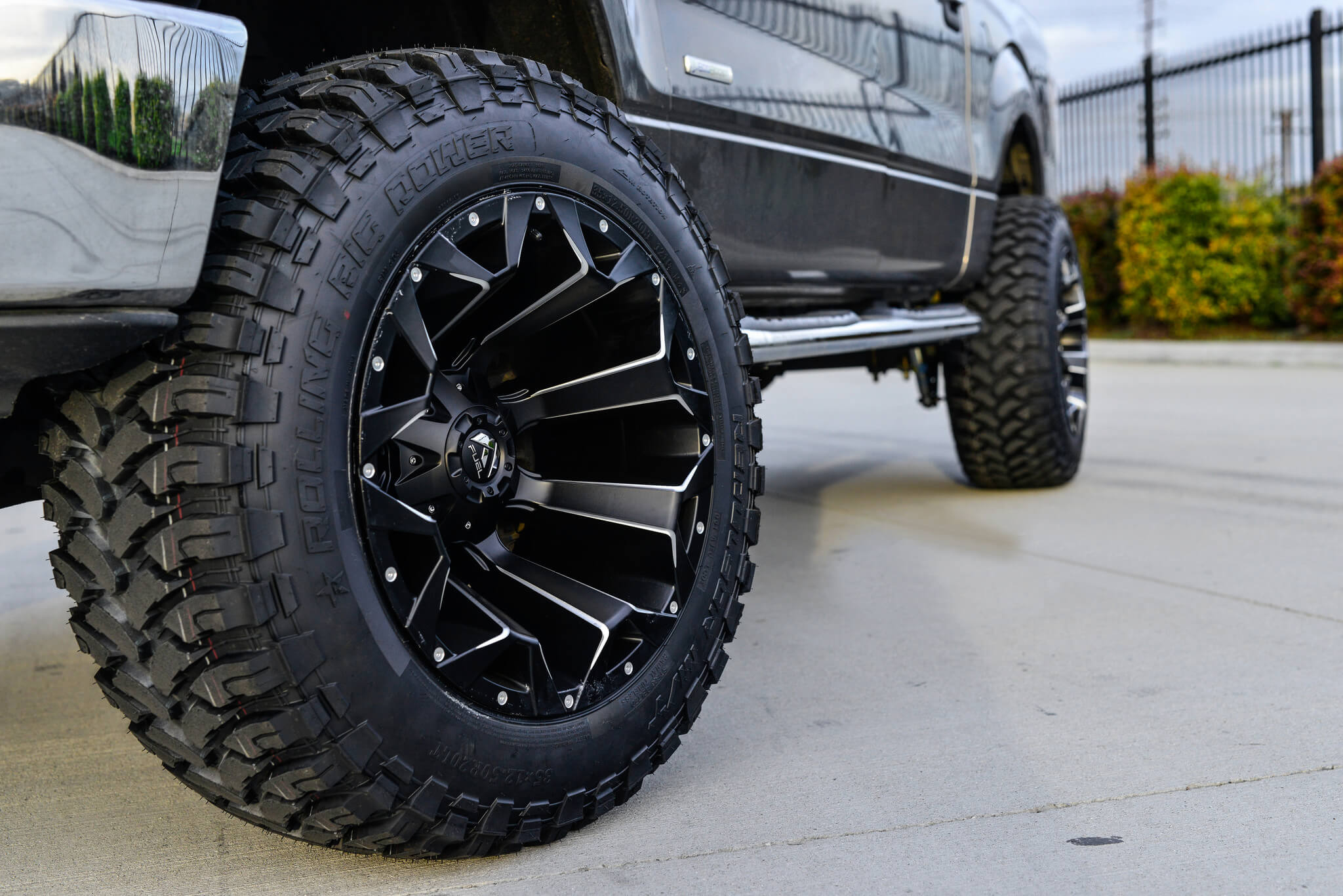
- Improved Aesthetics: A wide variety of styles, finishes, and designs are available, allowing you to personalize your truck's appearance.
- Enhanced Performance: Lighter rims can reduce unsprung weight, improving acceleration, braking, and handling.
- Increased Tire Options: A vast selection of tire sizes and types are available for 17-inch rims, catering to various driving needs, from aggressive off-road tires to fuel-efficient highway tires.
- Improved Durability: Aftermarket rims are often constructed from stronger materials, such as aluminum alloys, making them more resistant to damage from impacts and corrosion.
- Better Brake Clearance: Depending on the design, aftermarket rims can provide more clearance for larger brake calipers, allowing for future brake upgrades.
- Customization: Allows you to tailor the look and performance of your truck to your specific needs and preferences.
Section 3: Choosing the Right 17 Inch 6 Lug Rims: A Step-by-Step Guide
Selecting the right 17-inch 6-lug rims involves careful consideration of several factors:
- Determine Your Truck's Bolt Pattern: This is the most critical step. Consult your owner's manual, a reliable online resource, or a tire shop to confirm your truck's correct bolt pattern. Using the wrong bolt pattern can be dangerous and will prevent the wheels from mounting properly.
- Consider Your Driving Needs: Think about how you primarily use your truck. Do you mainly drive on paved roads, or do you frequently venture off-road? This will influence your choice of rim material, design, and tire size.
- Choose a Rim Style and Finish: Consider the overall look you want to achieve. Options include:
- Material: Aluminum alloy (lightweight and corrosion-resistant), steel (strong and durable, but heavier), or forged aluminum (strongest and lightest, but most expensive).
- Finish: Polished, chrome, painted (various colors), black (matte or gloss), or machined.
- Design: Spoke patterns, mesh designs, solid faces, etc.
- Determine the Correct Offset and Backspacing: Ensure the offset and backspacing of the new rims will provide adequate clearance for your brakes, suspension components, and fenders. Consult a tire shop or online resources for guidance.
- Check the Load Rating: Verify that the rims have a load rating that meets or exceeds your truck's GVWR. This is crucial for safety, especially if you frequently haul heavy loads.
- Set a Budget: Rims vary significantly in price depending on the material, brand, and design. Establish a budget before you start shopping to avoid overspending.
- Read Reviews and Compare Prices: Research different brands and models, read customer reviews, and compare prices from multiple retailers to find the best deal.
- Consult with a Professional: If you're unsure about any aspect of rim selection, consult with a tire shop or automotive expert. They can provide valuable advice and ensure you choose the right rims for your truck.
Section 4: Installation and Maintenance of 17 Inch 6 Lug Rims
- Installation: While some experienced DIYers can install rims themselves, it's generally recommended to have them installed by a professional. This ensures proper torqueing of the lug nuts and prevents potential damage to the rims or your vehicle.
- Torqueing Lug Nuts: Always torque lug nuts to the manufacturer's specified torque using a torque wrench. Over-tightening can damage the studs, while under-tightening can lead to the wheels coming loose.
- Re-Torquing: After driving approximately 50-100 miles after installation, re-torque the lug nuts to ensure they remain properly tightened.
- Cleaning: Regularly clean your rims with a mild soap and water solution to remove dirt, brake dust, and road grime. Avoid using harsh chemicals or abrasive cleaners, as they can damage the finish.
- Polishing: Polished aluminum rims may require occasional polishing to maintain their shine. Use a dedicated aluminum polish and follow the manufacturer's instructions.
- Inspection: Regularly inspect your rims for signs of damage, such as cracks, dents, or corrosion. Address any issues promptly to prevent further damage and ensure your safety.
Section 5: Potential Challenges and Solutions
- Fitment Issues: Incorrect bolt pattern, offset, or backspacing can lead to fitment problems, such as rubbing against the fenders or suspension components. Solution: Double-check all specifications before purchasing and consult with a professional if needed.
- Vibrations: Incorrectly balanced wheels or a mismatch between the center bore of the rim and the hub can cause vibrations. Solution: Have the wheels professionally balanced and use hub-centric rings if necessary.
- Corrosion: Aluminum rims can corrode over time, especially in areas with harsh winter weather. Solution: Regularly clean and protect your rims with a wheel sealant.
- Damage: Rims can be damaged by potholes, curbs, or off-road obstacles. Solution: Drive carefully and avoid these hazards. Consider purchasing wheel insurance to cover the cost of repairs or replacements.
- Load Rating: Exceeding the rim's load rating can lead to failure and potential accidents. Solution: Always choose rims with a load rating that meets or exceeds your truck's GVWR.
Section 6: Types and Categories of 17 Inch 6 Lug Rims
17-inch 6-lug rims can be categorized based on several factors:
- Material:
- Aluminum Alloy: Lightweight, corrosion-resistant, and available in various styles.
- Steel: Strong, durable, and often more affordable.
- Forged Aluminum: Strongest, lightest, and most expensive.
- Construction:
- One-Piece: Simplest and most common design.
- Two-Piece: Allow for more complex designs and customization.
- Three-Piece: Offer the highest level of customization and performance.
- Style:
- Spoke: Classic and versatile design.
- Mesh: Intricate and sporty look.
- Solid Face: Modern and aggressive appearance.
- Beadlock: Designed for extreme off-road use, allowing for lower tire pressures.
- Finish:
- Polished: Bright and shiny.
- Chrome: Highly reflective and durable.
- Painted: Available in various colors and finishes (matte, gloss, etc.).
- Black: Popular for a modern and aggressive look.
Table of 17 Inch Truck Rims 6 Lug:
| Feature | Description | Considerations | Price Range (USD) |
|---|---|---|---|
| Diameter | 17 inches | Standard size; ensure compatibility with tire size preferences. | N/A |
| Lug Pattern | 6x139.7mm (6x5.5") (Most Common) | Verify exact pattern required for your vehicle; incorrect pattern won't fit. | N/A |
| Width | 8, 8.5, 9 inches (Most Common) | Affects tire width options; consider desired tire profile and clearance. | N/A |
| Offset | +0 to +25mm (Typical Range) | Impacts wheel position relative to fender; influences clearance and stance. | N/A |
| Center Bore | Specific to vehicle; often 106.25mm (Check Your Vehicle Specs) | Ensures proper fitment on the hub; hub-centric rings can correct minor mismatches. | N/A |
| Material | Aluminum Alloy, Steel, Forged Aluminum | Aluminum: Lightweight, corrosion-resistant. Steel: Strong, affordable. Forged: Lightest, strongest, most expensive. | Variable |
| Load Rating | Minimum rating to match or exceed your truck's GVWR (Consult your manual) | Critical for safety; exceeding load rating can cause wheel failure. | N/A |
| Finish | Polished, Chrome, Painted (Various Colors), Black (Matte/Gloss), Machined | Aesthetic preference; consider durability and ease of maintenance. | Variable |
| Construction | One-Piece, Two-Piece, Three-Piece | One-piece: Simplest, most common. Two/Three-piece: More complex designs, customization options. | Variable |
| Example Rim 1 | Pro Comp Series 31 (Aluminum Alloy, Black Finish) | Popular off-road choice; known for durability and aggressive styling. | $150 - $250 |
| Example Rim 2 | American Racing AR901 (Aluminum Alloy, Polished) | Classic design; offers a clean and timeless look. | $180 - $300 |
| Example Rim 3 | Black Rhino Warlord (Aluminum Alloy, Matte Black) | Rugged design, often chosen for trucks with lifted suspensions. | $200 - $350 |
| Installation Cost | Professional Installation | Recommended for proper torqueing and safety. | $50 - $100 per wheel |
Please Note: Prices are approximate and can vary depending on the retailer, location, and current promotions. Always confirm specifications and fitment before purchasing.
Frequently Asked Questions (FAQ)
- Q: How do I find the correct bolt pattern for my truck?
- A: Consult your owner's manual, a reliable online resource (like a wheel fitment guide), or a tire shop.
- Q: What is offset and why is it important?
- A: Offset is the distance between the wheel's mounting surface and its centerline. It affects wheel fitment, clearance, and track width. Incorrect offset can cause rubbing or other issues.
- Q: Can I use 17-inch rims if my truck originally came with a different size?
- A: Yes, but you need to ensure that the bolt pattern, offset, and backspacing are correct and that the overall tire diameter remains within an acceptable range to avoid speedometer errors and clearance issues.
- Q: What is the difference between steel and aluminum rims?
- A: Steel rims are generally stronger and more affordable but heavier. Aluminum rims are lighter and corrosion-resistant but typically more expensive.
- Q: Do I need to re-torque the lug nuts after installing new rims?
- A: Yes, it's essential to re-torque the lug nuts after driving approximately 50-100 miles to ensure they remain properly tightened.
- Q: What are hub-centric rings and when should I use them?
- A: Hub-centric rings are used to center the wheel on the hub if the center bore of the rim is larger than the hub diameter. They help prevent vibrations.
- Q: Where can I purchase 17-inch 6-lug rims?
- A: You can purchase rims from tire shops, online retailers, and automotive parts stores.
Conclusion: Rolling on the Right Rims
Choosing the right 17-inch 6-lug rims for your truck is a decision that balances aesthetics, performance, and functionality. By understanding the technical aspects, considering your driving needs, and following the guidance in this article, you can make an informed choice that enhances your truck's appearance, handling, and overall driving experience. Remember to prioritize safety and consult with professionals when needed to ensure a proper fit and optimal performance. With the right rims, you'll be rolling in style and confidence for years to come.