Moving, whether across town or across the country, is often a stressful and expensive undertaking. One of the most common and practical solutions for transporting your belongings is renting a trailer. And when it comes to trailer rentals, U-Haul is often the first name that comes to mind. But before you hitch up and hit the road, understanding the cost of renting a U-Haul trailer is crucial for budgeting and avoiding unexpected expenses. This comprehensive guide will break down all the factors that influence the price, offering practical advice and insights to help you make an informed decision.
Why Understanding U-Haul Trailer Rental Costs Matters
The Ultimate Guide to Understanding the Cost of Renting a U-Haul Trailer
Knowing the cost of renting a U-Haul trailer isn't just about saving money (although that's definitely a plus!). It's about:
- Accurate Budgeting: Moving expenses can quickly spiral out of control. Knowing the trailer rental cost allows you to accurately budget for your move and avoid financial surprises.
- Choosing the Right Trailer: U-Haul offers a variety of trailer sizes and types. Understanding the cost differences will help you choose the most appropriate and cost-effective trailer for your needs.
- Comparing Options: You might be considering other moving options like hiring movers or using a moving container. Knowing the U-Haul trailer rental cost allows you to compare and make the most financially sound decision.
- Avoiding Hidden Fees: By understanding the various factors that contribute to the final cost, you can be aware of potential hidden fees and avoid them.
Let's delve into the details of U-Haul trailer rental costs.

I. Base Rental Rate: The Foundation of Your Cost
The base rental rate is the starting point for calculating the cost of your U-Haul trailer rental. This rate is influenced by several factors:
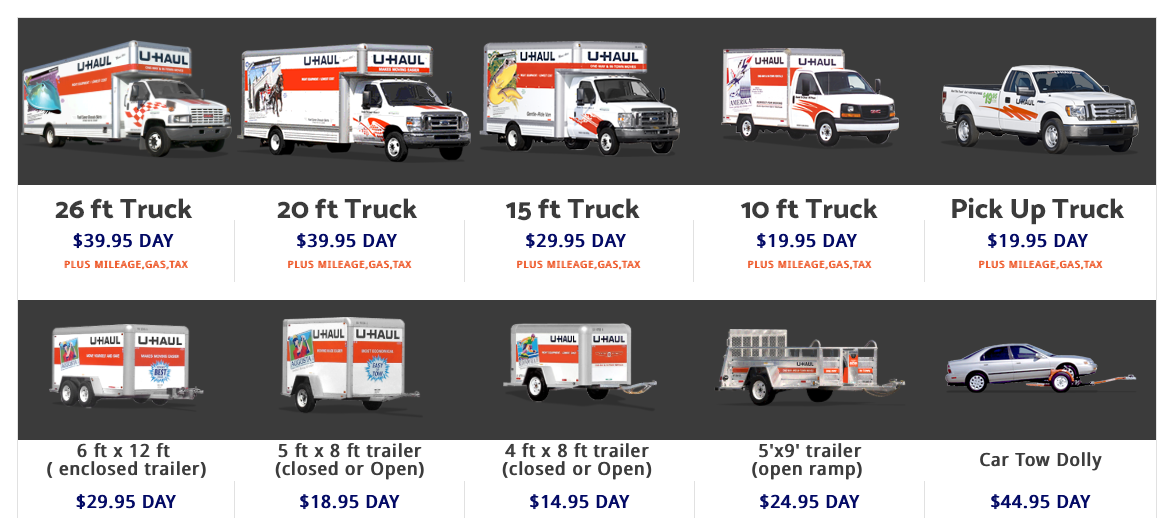
- Trailer Size: U-Haul offers a range of trailers, from small cargo trailers ideal for hauling a few boxes to larger car trailers capable of transporting a vehicle. The larger the trailer, the higher the base rental rate.
- Rental Duration: You can rent a trailer for a local move (typically charged by the day) or a one-way move (charged a flat rate for the entire trip). Local moves are often cheaper per day, but one-way moves offer convenience for long-distance relocations.
- Pick-Up and Drop-Off Locations: For one-way rentals, the distance between your pick-up and drop-off locations significantly impacts the base rental rate. Longer distances naturally translate to higher costs. Popular routes also tend to be more expensive.
- Seasonality and Demand: Just like hotels and airlines, U-Haul's rental rates fluctuate based on the time of year and overall demand. Peak moving seasons (summer, end of the month) typically see higher rates.
- Location of Rental: Rental rates can vary based on the specific U-Haul location. Areas with higher living costs may also have slightly higher U-Haul rental costs.
II. Additional Fees and Charges: The Fine Print You Need to Know
Beyond the base rental rate, several additional fees and charges can significantly impact the final cost of your U-Haul trailer rental. These include:
- Insurance: U-Haul offers various insurance options to cover potential damage to the trailer and/or your belongings. While optional, insurance is highly recommended to protect yourself from unexpected expenses in case of an accident or damage. Coverage options vary in price and coverage limits.
- Environmental Fees: These fees are typically a small percentage of the total rental cost and contribute to environmental initiatives undertaken by U-Haul.
- Late Return Fees: Returning the trailer late can result in significant late fees, often charged per day. Be sure to adhere to the agreed-upon return date and time to avoid these charges.
- Cleaning Fees: If the trailer is returned excessively dirty, U-Haul may charge a cleaning fee. Ensure the trailer is reasonably clean before returning it to avoid this charge.
- Mileage Fees (Sometimes Applicable): While less common for trailer rentals compared to trucks, some U-Haul locations may charge mileage fees, particularly for local rentals exceeding a certain mileage limit. Confirm if mileage fees apply before renting.
- Taxes: State and local taxes will be added to the total rental cost.
III. Estimating Your U-Haul Trailer Rental Cost: Practical Examples
To give you a better understanding of the potential costs, let's consider a few examples:
- Local Move (Same City): Renting a 5x8 cargo trailer for one day to move items across town might cost $29.95 (base rate) + $10 (insurance) + $5 (environmental fee) + applicable taxes, totaling around $50 - $60.
- One-Way Move (Short Distance - 200 miles): Renting a 6x12 cargo trailer for a one-way move of 200 miles might cost $150 (base rate) + $25 (insurance) + $10 (environmental fee) + applicable taxes, totaling around $190 - $210.
- One-Way Move (Long Distance - 1000 miles): Renting a car carrier trailer for a one-way move of 1000 miles might cost $400 (base rate) + $50 (insurance) + $20 (environmental fee) + applicable taxes, totaling around $480 - $520.
These are just examples, and the actual cost will vary based on the factors mentioned earlier.
IV. Tips for Saving Money on Your U-Haul Trailer Rental
Here are some practical tips to help you save money on your U-Haul trailer rental:
- Rent Off-Peak: Avoid renting during peak moving seasons (summer, end of the month) to take advantage of lower rates.
- Book in Advance: Booking your trailer well in advance can often secure a better rate.
- Consider Different Trailer Sizes: Choose the smallest trailer that meets your needs to minimize the rental cost.
- Compare Prices: Check prices at multiple U-Haul locations to find the best deal.
- Return on Time: Avoid late fees by returning the trailer on time.
- Clean the Trailer: Avoid cleaning fees by returning the trailer in a reasonably clean condition.
- Use U-Haul's Website for Estimates: U-Haul's website offers tools to estimate the cost of your rental. Use these tools to get a better understanding of the potential expenses.
- Consider Alternatives: Explore other moving options, such as renting a moving container or hiring movers, to see if they are more cost-effective for your specific situation.
- Check for Discounts: Inquire about discounts for students, military personnel, or AAA members.
V. Potential Challenges and Solutions
- Availability Issues: During peak seasons, trailer availability can be limited. Book in advance to secure the trailer you need.
- Unexpected Fees: Carefully review the rental agreement to understand all potential fees and charges. Ask questions if anything is unclear.
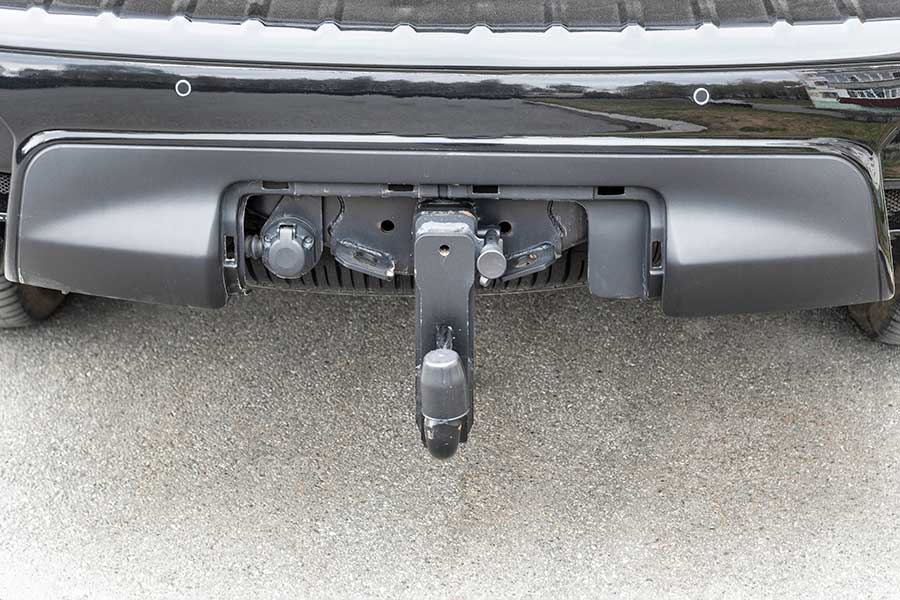
- Trailer Compatibility: Ensure your vehicle is properly equipped to tow the selected trailer. Check your vehicle's towing capacity and ensure you have the correct hitch and wiring.
- Damage to the Trailer: Purchase adequate insurance to protect yourself from financial losses in case of damage to the trailer.
VI. U-Haul Trailer Rental Cost: A Detailed Price Table
| Trailer Type | Typical Local Daily Rate | Typical One-Way Rate (Short Distance - 200 miles) | Typical One-Way Rate (Long Distance - 1000 miles) | Ideal Use |
|---|---|---|---|---|
| 4x8 Cargo Trailer | $14.95 - $19.95 | $80 - $120 | $200 - $300 | Small apartment, moving a few boxes and small furniture items. |
| 5x8 Cargo Trailer | $19.95 - $24.95 | $100 - $150 | $250 - $350 | Small apartment, moving a few boxes and small furniture items. |
| 6x12 Cargo Trailer | $29.95 - $34.95 | $150 - $200 | $350 - $450 | Small to medium-sized apartment, moving furniture, appliances, and boxes. |
| Auto Transport Trailer | $49.95 - $59.95 | $200 - $300 | $400 - $600 | Transporting a vehicle. |
| Motorcycle Trailer | $24.95 - $29.95 | $120 - $180 | $300 - $400 | Transporting a motorcycle. |
Disclaimer: These prices are estimates and can vary significantly based on location, demand, and other factors. Always check U-Haul's website or contact a local U-Haul dealer for the most accurate pricing information. Remember to factor in insurance, environmental fees, and taxes.
VII. Frequently Asked Questions (FAQ)
- Q: Does U-Haul require a deposit for trailer rentals?
- A: Yes, U-Haul typically requires a deposit for trailer rentals, especially for one-way rentals. The deposit amount can vary.
- Q: What happens if I damage the U-Haul trailer?
- A: If you damage the trailer, you will be responsible for the cost of repairs. This is why purchasing insurance is highly recommended.
- Q: Can I return the U-Haul trailer to a different location than where I picked it up?
- A: Yes, you can return the trailer to a different location for one-way rentals.
- Q: What are U-Haul's hours of operation?
- A: U-Haul's hours of operation vary by location. Check the specific location's hours before picking up or dropping off the trailer.
- Q: Do I need a special driver's license to rent a U-Haul trailer?
- A: In most cases, a standard driver's license is sufficient to rent a U-Haul trailer. However, confirm with U-Haul if you have any concerns.
- Q: How do I reserve a U-Haul trailer?
- A: You can reserve a U-Haul trailer online at U-Haul's website or by calling a local U-Haul dealer.
Conclusion: Making Informed Decisions for a Stress-Free Move
Understanding the cost of renting a U-Haul trailer is an essential step in planning your move. By carefully considering the factors that influence the price, exploring cost-saving tips, and being aware of potential challenges, you can make informed decisions that will help you stay within your budget and ensure a smoother, less stressful moving experience. Remember to get a quote directly from U-Haul and always read the fine print of your rental agreement before signing. Happy moving!