Introduction: Understanding the Foundation of Construction Costs
Cement is the lifeblood of modern construction. From towering skyscrapers to humble homes, it's the binder that holds our built environment together. But how much does this crucial material actually cost when you need a truckload of it? "Truck of Cement: What is the Cost?" is a question that every contractor, developer, and even homeowner embarking on a significant construction project must answer. The price isn't a static figure; it fluctuates based on a complex interplay of factors. Understanding these factors is crucial for accurate budgeting, efficient project management, and ultimately, successful construction outcomes. This comprehensive guide will delve into the various aspects influencing the cost of a truckload of cement, providing you with the knowledge needed to navigate the cement market effectively.
Truck Of Cement: What Is The Cost? A Comprehensive Guide
Section 1: Defining the Scope - What Constitutes a "Truck of Cement"?
Before diving into pricing, it's essential to define what we mean by a "truck of cement." The volume and weight of cement carried by a truck vary depending on the truck type, regional regulations, and the type of cement itself. Here's a breakdown:
-
Truck Types: Cement is typically transported by two main types of trucks:
- Bulk Cement Tanker Trucks (Pneumatic Trucks): These trucks carry cement in powdered form, unloading it pneumatically (using air pressure) into silos or storage facilities. Their capacity usually ranges from 25 to 30 tons (approximately 50,000 to 60,000 pounds).
- Flatbed Trucks (Carrying Palletized Cement): These trucks transport cement in bagged form, typically stacked on pallets. The number of bags per pallet and pallets per truck will vary, but a common load is around 20-25 tons (40,000 to 50,000 pounds).

-
Cement Types: Different types of cement (e.g., Portland cement Type I, Type II, Type III, white cement, etc.) have slightly different densities, which can marginally affect the total weight carried.
-
Regional Regulations: Weight restrictions on roads vary by region. This dictates the maximum legal load a truck can carry, impacting the amount of cement transported in a single shipment.
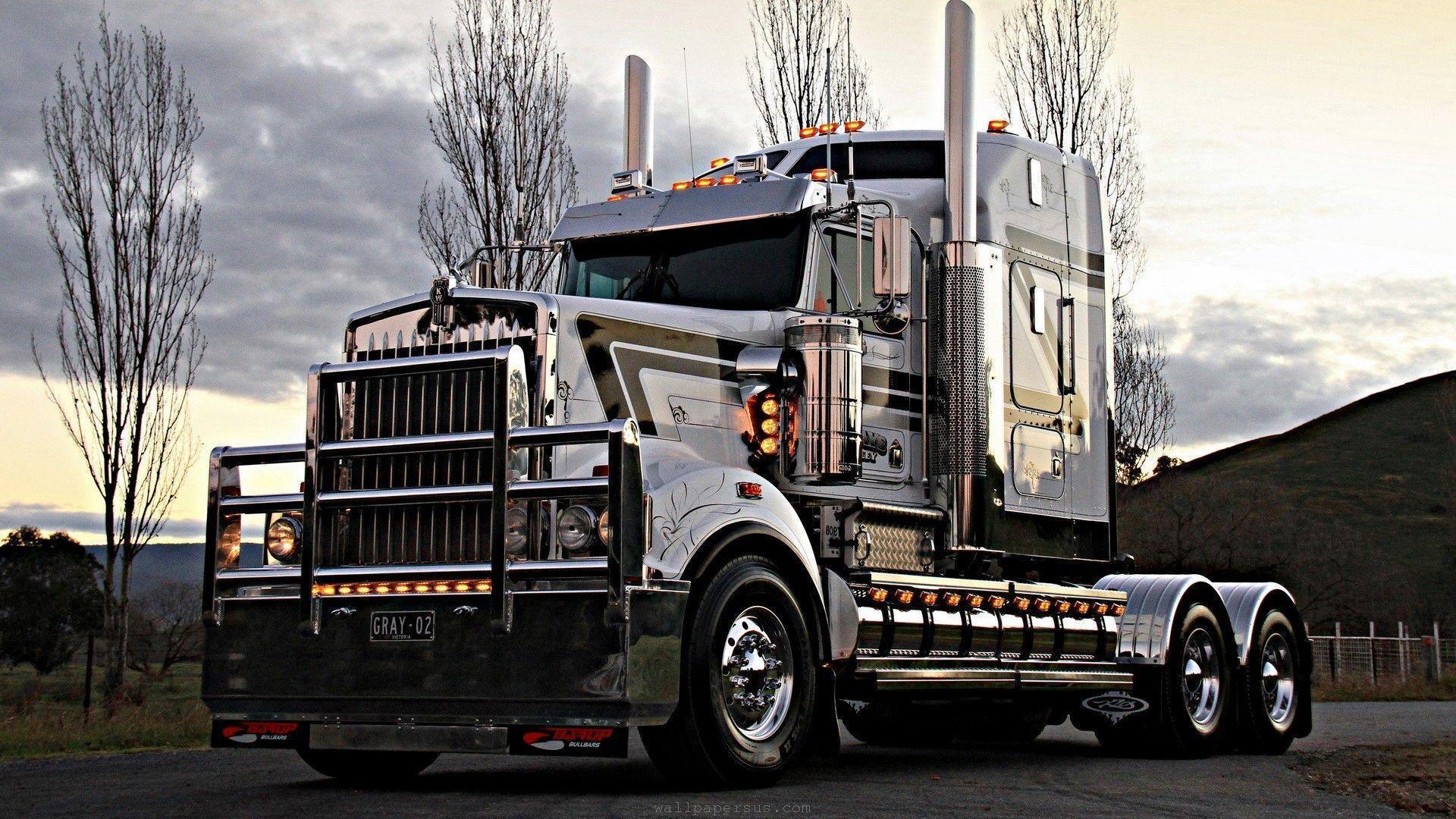
Therefore, when asking "What is the cost of a truck of cement?" be sure to specify the type of truck you're referring to and the approximate weight you need. This will ensure accurate pricing information.

Section 2: Key Factors Influencing Cement Prices
The cost of a truckload of cement is not a fixed number. It's subject to market dynamics and various contributing factors:
- Raw Material Costs: Cement production relies heavily on raw materials like limestone, clay, and gypsum. Fluctuations in the prices of these materials directly impact cement prices.
- Energy Costs: The cement manufacturing process is energy-intensive, particularly in the clinker production phase. Rising energy costs (coal, natural gas, electricity) translate to higher cement prices.
- Transportation Costs: Fuel prices, driver wages, and distance from the cement plant to the delivery site significantly influence the final cost.
- Demand and Supply: Like any commodity, cement prices are affected by the forces of supply and demand. Increased construction activity leads to higher demand and potentially higher prices. Conversely, a slowdown in construction can lead to lower prices.
- Government Regulations and Taxes: Environmental regulations, carbon taxes, and import/export duties can all add to the cost of cement.
- Cement Type: Specialty cements like white cement or rapid-hardening cement are typically more expensive than ordinary Portland cement (OPC).
- Location: Cement prices vary significantly by region, reflecting local market conditions, transportation costs, and the presence of cement plants.
- Supplier Margins: Different cement suppliers have different pricing strategies and profit margins, which can impact the final cost.
- Seasonality: Construction activity typically peaks during the warmer months, leading to higher demand and potentially higher prices during those periods.
Section 3: Estimating the Cost: A Step-by-Step Approach
While obtaining a precise quote requires contacting cement suppliers, you can estimate the cost of a truckload of cement by following these steps:
- Determine the Required Volume (Weight): Calculate the amount of cement needed for your project. This can be done by consulting with a structural engineer or using online concrete calculators.
- Identify Cement Type: Specify the type of cement required for your application (e.g., Portland cement Type I/II for general use, Type III for rapid setting).
- Research Local Cement Prices: Contact local cement suppliers, hardware stores, or construction material distributors to get an idea of the current price per ton or per bag of the required cement type. Online construction material marketplaces can also provide price benchmarks.
- Estimate Transportation Costs: Calculate the distance between the cement supplier and your project site. Obtain quotes from trucking companies or factor in fuel costs, driver wages, and other transportation expenses. Some suppliers include delivery charges in their quoted price.
- Consider Additional Costs: Factor in potential taxes, environmental fees, or handling charges.
- Negotiate with Suppliers: Don't hesitate to negotiate with multiple suppliers to get the best possible price. Volume discounts may be available for large orders.
Section 4: Tips for Minimizing Cement Costs
- Plan Ahead: Order cement well in advance to avoid potential price increases due to sudden demand surges.
- Buy in Bulk: If your project requires a significant amount of cement, buying in bulk (truckload quantities) is generally more cost-effective than purchasing individual bags.
- Compare Prices: Get quotes from multiple suppliers to ensure you're getting a competitive price.
- Negotiate: Don't be afraid to negotiate with suppliers, especially for large orders.
- Consider Alternative Cement Types: If appropriate for your application, consider using a less expensive cement type.
- Optimize Delivery Schedule: Coordinate deliveries efficiently to minimize transportation costs and avoid delays.
- Proper Storage: Store cement properly to prevent moisture damage and waste.
- Explore Local Suppliers: Prioritize sourcing from local cement suppliers to reduce transportation costs and support local businesses.
Section 5: Potential Challenges and Solutions
- Price Volatility: Cement prices can fluctuate significantly due to market conditions.
- Solution: Consider locking in prices with suppliers through contracts or forward agreements.
- Supply Chain Disruptions: Disruptions in the supply chain can lead to shortages and price increases.
- Solution: Maintain relationships with multiple suppliers and have contingency plans in place.
- Transportation Delays: Transportation delays can disrupt project schedules and increase costs.
- Solution: Communicate clearly with suppliers and trucking companies to coordinate deliveries efficiently.
- Cement Quality Issues: Substandard cement can compromise the structural integrity of your project.
- Solution: Source cement from reputable suppliers and ensure it meets the required quality standards. Request and review certifications and test reports.
Section 6: Example Price Table (Illustrative)
Please note: These prices are estimates and can vary significantly based on location, supplier, and market conditions. Always obtain quotes from local suppliers for accurate pricing.
| Cement Type | Truck Type | Approximate Weight (Tons) | Estimated Price Range (USD) | Notes |
|---|---|---|---|---|
| Ordinary Portland Cement (OPC) | Bulk Tanker Truck | 25-30 | $3,500 - $5,500 | Price excludes delivery; varies with raw material and energy costs. |
| Ordinary Portland Cement (OPC) | Flatbed (Bagged) | 20-25 | $3,800 - $6,000 | Price includes palletized bags; delivery charges may apply. |
| White Cement | Bulk Tanker Truck | 25-30 | $6,000 - $9,000 | Typically more expensive due to specialized manufacturing process. |
| Rapid Hardening Cement | Flatbed (Bagged) | 20-25 | $4,500 - $7,000 | Used when faster setting times are required. |
Section 7: Frequently Asked Questions (FAQ)
- Q: How can I get the most accurate price quote for a truck of cement?
- A: Contact local cement suppliers and provide them with the specific type and quantity of cement you need, as well as your project location.
- Q: Is it cheaper to buy cement in bags or in bulk?
- A: Buying in bulk is generally cheaper for large projects, but it requires specialized storage facilities.
- Q: What factors should I consider when choosing a cement supplier?
- A: Consider price, availability, delivery options, reputation, and customer service.
- Q: How long can I store cement before it expires?
- A: Properly stored cement can last for several months, but it's best to use it as soon as possible.
- Q: Can I use different types of cement for different applications?
- A: Yes, different cement types are designed for specific applications. Consult with a structural engineer to determine the appropriate cement type for your project.
- Q: Are cement prices expected to increase or decrease in the future?
- A: Cement price forecasts are subject to market conditions and economic trends. Consult industry reports and expert analysis for the latest predictions.
Conclusion: Informed Decisions for Solid Foundations
Determining the cost of a truckload of cement is a complex process that requires careful consideration of various factors. By understanding these factors, following the steps outlined in this guide, and engaging with local suppliers, you can make informed decisions that ensure your construction project stays on budget and on schedule. Remember to prioritize quality, plan ahead, and negotiate effectively to secure the best possible price for this essential building material. The foundation of any successful construction project starts with a solid understanding of cement costs.