Selling a truck privately, or "Truck Sales By Owner," can seem like a daunting task. However, with the right preparation and knowledge, it can be a rewarding experience, often yielding a higher profit than trading it in at a dealership. This comprehensive guide will walk you through every step of the process, from preparing your truck for sale to finalizing the paperwork. Whether you're selling a reliable workhorse or a well-maintained pickup, understanding the nuances of Truck Sales By Owner will empower you to navigate the process successfully.
Why Consider Truck Sales By Owner?
Truck Sales By Owner: A Comprehensive Guide to Selling Your Truck Privately
The primary motivation for selling your truck yourself is often financial. Dealership trade-in offers typically undervalue your vehicle, as they need to factor in their own profit margins. By selling privately, you can bypass the middleman and potentially receive a significantly higher price. Beyond the financial benefit, Truck Sales By Owner offers greater control over the selling process. You set the price, manage the negotiations, and deal directly with potential buyers, allowing you to showcase your truck's unique features and history.
I. Preparing Your Truck for Sale: Presentation is Key
First impressions matter, especially when selling a truck. A well-maintained and visually appealing truck will attract more buyers and command a higher price. Here's a step-by-step guide to preparing your truck for sale:
-
Thorough Cleaning: This is arguably the most important step.
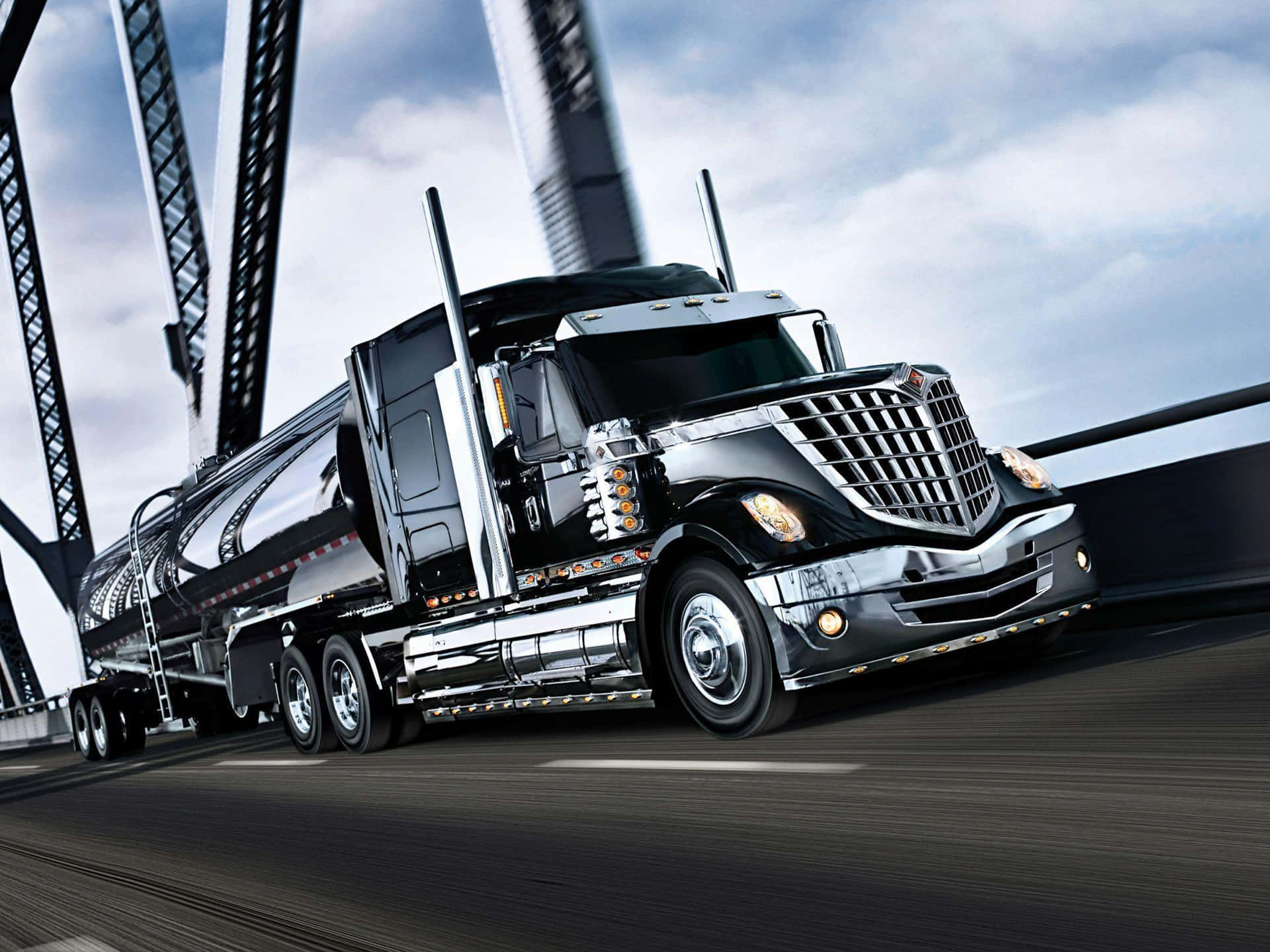
- Exterior: Wash and wax the truck thoroughly, paying attention to hard-to-reach areas. Consider professional detailing for a showroom-worthy finish. Clean the wheels and tires, and polish any chrome or aluminum.
- Interior: Vacuum the entire interior, including under the seats and in the crevices. Clean the dashboard, console, and door panels. Shampoo the carpets and upholstery to remove stains and odors. Consider using an air freshener, but avoid overpowering scents.
- Engine Bay: A clean engine bay demonstrates pride of ownership. Carefully degrease and clean the engine compartment, avoiding sensitive electronic components.
-
Mechanical Inspection and Repairs: Address any known mechanical issues before listing your truck.
- Maintenance Records: Gather all maintenance records, including oil changes, tire rotations, and repairs. This provides transparency and builds trust with potential buyers.
- Fluid Checks: Check all fluid levels (oil, coolant, brake fluid, power steering fluid, transmission fluid) and top them off as needed.
- Minor Repairs: Fix any minor issues such as burnt-out light bulbs, cracked mirrors, or loose trim.
- Major Repairs: Consider addressing more significant issues, such as worn tires, failing brakes, or a leaking exhaust. However, weigh the cost of repairs against the potential increase in selling price. Be transparent about any unresolved issues.
-
Documentation and Paperwork: Gather all necessary documents to streamline the sales process.
- Ensure you have the title in your name and that it's free of any liens.
- Registration: Locate the current registration.
- Maintenance Records: Compile all maintenance records and repair invoices.
- Warranty Information: If the truck is still under warranty, gather the warranty documents.
- Owner's Manual: Locate the owner's manual.
II. Pricing Your Truck: Finding the Sweet Spot
Setting the right price is crucial for a successful sale. Overpricing your truck will deter potential buyers, while underpricing it will leave money on the table. Here's how to determine a fair and competitive price:
- Research Market Value: Use online resources to research the market value of similar trucks in your area.
- Online Valuation Tools: Websites like Kelley Blue Book (KBB), NADAguides, and Edmunds provide valuation tools that consider factors such as year, make, model, mileage, condition, and options.
- Comparable Listings: Browse online marketplaces like Craigslist, Facebook Marketplace, and AutoTrader to see what similar trucks are selling for in your area.
- Consider Your Truck's Condition: Adjust the price based on your truck's condition.
- Excellent: Virtually flawless condition, with low mileage and meticulous maintenance.
- Good: Well-maintained, with some minor wear and tear.
- Fair: Shows signs of wear and tear, with some cosmetic or mechanical issues.
- Poor: Significant cosmetic and mechanical issues.
- Factor in Optional Equipment: Add value for any optional equipment, such as four-wheel drive, a premium sound system, or a towing package.
- Be Prepared to Negotiate: Leave some room for negotiation in your asking price. Most buyers will expect to haggle.
III. Creating a Compelling Listing: Attracting Potential Buyers
Your listing is your first opportunity to make a positive impression on potential buyers. A well-written and informative listing will attract more attention and generate more leads.
- High-Quality Photos: Take clear, well-lit photos of your truck from all angles. Include close-up shots of key features, such as the interior, engine bay, and bed.
- Detailed Description: Write a detailed description of your truck, highlighting its key features, condition, and history.
- Year, Make, Model, Trim Level: Provide accurate information about your truck.
- Mileage: Disclose the current mileage.
- Engine and Transmission: Specify the engine and transmission type.
- Features and Options: List all the key features and options, such as four-wheel drive, power windows, power locks, air conditioning, and a premium sound system.
- Condition: Be honest about the truck's condition, including any cosmetic or mechanical issues.
- Maintenance History: Highlight the maintenance history, including any recent repairs.
- Reason for Selling: Briefly explain why you're selling the truck.
- Contact Information: Provide clear and accurate contact information, including your phone number and email address.
- Be Responsive: Respond promptly to inquiries from potential buyers.
IV. Showcasing Your Truck: Making a Positive Impression
When showing your truck to potential buyers, it's important to be professional, knowledgeable, and accommodating.
- Schedule Appointments: Schedule appointments at a time and location that is convenient for both you and the buyer.
- Be Prepared: Have all the necessary documents on hand, including the title, registration, and maintenance records.
- Allow for Inspection: Allow the buyer to thoroughly inspect the truck, both inside and out.
- Answer Questions Honestly: Answer the buyer's questions honestly and accurately.
- Offer a Test Drive: Allow the buyer to take the truck for a test drive. Accompany them on the test drive to answer any questions and observe their driving habits.
- Be Negotiable: Be prepared to negotiate the price.
V. Negotiating the Sale: Reaching an Agreement
Negotiating the sale can be a delicate process. It's important to be firm but fair, and to be willing to compromise.
- Know Your Bottom Line: Before you start negotiating, determine your bottom line – the lowest price you're willing to accept.
- Listen to the Buyer: Listen carefully to the buyer's concerns and objections.
- Be Prepared to Counteroffer: Be prepared to counteroffer if the buyer's initial offer is too low.
- Be Respectful: Be respectful of the buyer, even if you disagree with their offer.
- Don't Be Afraid to Walk Away: If you can't reach an agreement that you're comfortable with, don't be afraid to walk away.
VI. Finalizing the Sale: Completing the Transaction
Once you've reached an agreement with the buyer, it's time to finalize the sale.
- Bill of Sale: Create a bill of sale that includes the following information:
- Seller's Name and Address:
- Buyer's Name and Address:
- Vehicle Year, Make, and Model:
- Vehicle Identification Number (VIN):
- Sale Price:
- Date of Sale:
- Signatures of Both Parties:
- Transfer of Complete the transfer of title form. This form typically requires the seller to sign the title over to the buyer.
- Payment: Accept payment from the buyer. Cash, certified check, or a cashier's check are the safest forms of payment. Avoid accepting personal checks.
- Release of Liability: Notify your insurance company and the Department of Motor Vehicles (DMV) that you have sold the truck. This will release you from liability for any accidents or damages that occur after the sale.
VII. Potential Challenges and Solutions:
- Dealing with Lowball Offers: Set a firm bottom line and be prepared to walk away. Highlight the truck's value and features to justify your asking price.
- Scammers and Fraud: Be wary of buyers who offer significantly more than your asking price or who refuse to meet in person. Insist on secure payment methods.
- Mechanical Issues Discovered During Inspection: Be transparent about any known issues upfront. Consider offering a discount or agreeing to address the issues before the sale.
VIII. Tips for Success:
- Be Patient: Selling a truck privately can take time. Don't get discouraged if you don't receive offers immediately.
- Be Flexible: Be willing to negotiate the price and terms of the sale.
- Be Professional: Treat potential buyers with respect and professionalism.
- Be Honest: Be honest about the truck's condition and history.
- Seek Professional Advice: If you're unsure about any aspect of the selling process, consult with a mechanic, lawyer, or financial advisor.
Conclusion:
Truck Sales By Owner can be a rewarding and profitable experience. By following the steps outlined in this guide, you can increase your chances of selling your truck quickly and for a fair price. Remember to prioritize presentation, price strategically, create a compelling listing, and be prepared to negotiate. With careful planning and execution, you can successfully navigate the world of Truck Sales By Owner and achieve your selling goals.
Table Price: Truck Sales By Owner - Key Considerations
| Factor | Description | Importance | Actionable Steps |
|---|---|---|---|
| Vehicle Preparation | Cleaning, Repairs, Documentation | High | Thoroughly clean interior and exterior. Address any mechanical issues. Gather all necessary paperwork. |
| Pricing Strategy | Market Research, Condition Assessment, Negotiation | High | Research comparable listings. Consider vehicle condition and features. Set a realistic price and be prepared to negotiate. |
| Listing Creation | High-Quality Photos, Detailed Description, Contact Information | High | Take clear photos from all angles. Write a detailed and accurate description. Provide clear contact information. |
| Showings & Test Drives | Scheduling, Preparation, Information | Medium | Schedule appointments at a convenient time. Allow thorough inspection and a test drive. Answer questions honestly. |
| Negotiation Process | Setting a Bottom Line, Counteroffers, Respect | Medium | Know your minimum acceptable price. Be willing to counteroffer. Remain respectful and professional. |
| Finalizing the Sale | Bill of Sale, Title Transfer, Payment, Release of Liability | High | Create a legally binding bill of sale. Properly transfer the title. Accept secure payment. Notify insurance and DMV. |
| Potential Challenges | Lowball Offers, Scams, Mechanical Issues | Medium | Be prepared to walk away from low offers. Be wary of scams and fraudulent buyers. Address mechanical issues transparently. |
| Time Investment | Research, Preparation, Showings, Paperwork | Medium | Allocate sufficient time for each stage of the selling process. Be patient and persistent. |
Frequently Asked Questions (FAQ)
-
Q: Is it better to sell my truck privately or trade it in?
- A: Selling privately typically yields a higher price, but it requires more effort. Trading in is more convenient but usually results in a lower offer.
-
Q: How do I determine the value of my truck?
- A: Use online valuation tools like KBB, NADAguides, and Edmunds. Also, research comparable listings in your area.
-
Q: What documents do I need to sell my truck privately?
- A: You'll need the title, registration, maintenance records, and a bill of sale.
-
Q: How do I protect myself from scams when selling my truck privately?
- A: Be wary of buyers who offer significantly more than your asking price or who refuse to meet in person. Insist on secure payment methods.
-
Q: What is a bill of sale?
- A: A bill of sale is a legal document that records the details of the sale, including the seller's and buyer's information, the vehicle's information, the sale price, and the date of sale.
-
Q: How do I transfer the title to the buyer?
- A: Complete the transfer of title form on the back of the title and sign it over to the buyer.
-
Q: What should I do after I sell my truck?
- A: Notify your insurance company and the Department of Motor Vehicles (DMV) that you have sold the truck.