The world of trucks is vast and varied, from rugged workhorses hauling heavy loads to sleek pickups cruising city streets. When it comes to buying or selling these versatile vehicles, you have several options: dealerships, online marketplaces, and the focus of this article: Trucks For Sale By Owners (FSBO). This approach cuts out the middleman, potentially offering advantages like lower prices, direct communication with the seller (or buyer), and a more personalized transaction. However, it also requires more due diligence and careful planning. This comprehensive guide will walk you through the ins and outs of buying and selling trucks FSBO, equipping you with the knowledge to navigate the process successfully.
Why Consider Buying or Selling a Truck FSBO?
Trucks For Sale By Owners: A Comprehensive Guide to Buying and Selling Directly
Before diving into the specifics, let's understand why someone might choose the FSBO route. The primary appeal lies in potential cost savings. Dealerships have overhead and markups that are naturally reflected in their prices. By dealing directly with an owner, both buyer and seller can potentially negotiate a more favorable price, splitting the difference and benefiting from the elimination of dealer profits.
Beyond price, the FSBO method offers:
- Transparency: Buyers can directly question the seller about the truck's history, maintenance records, and any known issues. Sellers can also accurately represent their truck without dealership spin.
- Personalized Interaction: Building rapport with the other party can lead to a smoother transaction and a better understanding of the vehicle's history or the buyer's intended use.
- Flexibility: FSBO allows for more flexible negotiation terms and potentially a quicker sale, bypassing dealership bureaucracy.
However, it's crucial to acknowledge the inherent risks. You'll be responsible for handling paperwork, inspections, and financing arrangements that a dealership typically manages. This guide will help you mitigate those risks and maximize the benefits.
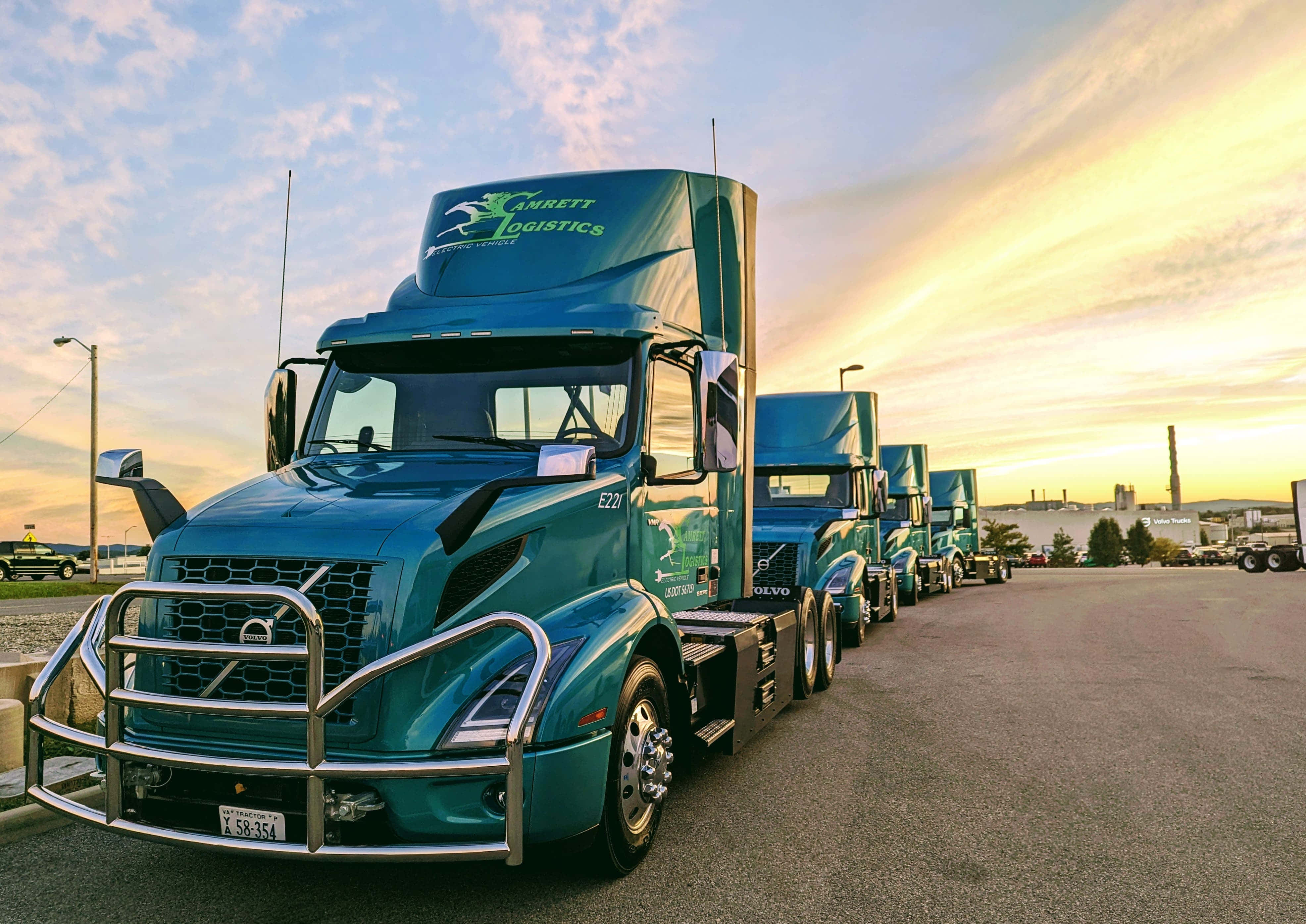
I. Buying a Truck FSBO: A Step-by-Step Guide
Buying a truck from a private seller requires a methodical approach. Here's a breakdown of the key steps:
1. Defining Your Needs and Budget:
Before even browsing listings, clarify your requirements. What will you primarily use the truck for? Work? Commuting? Off-roading? Towing? This will determine the type of truck (light-duty, heavy-duty, crew cab, etc.), engine size, and necessary features.
Next, establish a realistic budget. Factor in not only the purchase price but also potential repair costs, taxes, registration fees, and insurance. Get pre-approved for a loan if financing is required to understand your borrowing capacity.

2. Finding Trucks for Sale By Owner:
Several online platforms specialize in FSBO listings:
- Craigslist: A widely used platform with a large selection, but requires extra caution due to potential scams.
- Facebook Marketplace: Offers a more social and localized approach, often with seller profiles for added transparency.
- Specialized Truck Forums/Websites: Dedicated to specific truck brands or types (e.g., Ford F-150 forums, diesel truck marketplaces). These can be valuable for finding well-maintained vehicles and knowledgeable sellers.
- Local Classified Ads: Don't overlook traditional print classifieds in your local newspaper or community bulletin boards.

3. Evaluating Listings and Contacting Sellers:
When browsing listings, pay close attention to the following:
- Detailed Description: Look for comprehensive information about the truck's year, make, model, mileage, engine, transmission, features, and any modifications.
- High-Quality Photos: Multiple clear photos showcasing the truck's exterior, interior, engine bay, and undercarriage are essential. Be wary of listings with blurry or limited photos.
- Asking Price: Research the truck's market value using resources like Kelley Blue Book (KBB) or Edmunds. Compare the asking price to similar trucks in your area.
- Seller Information: Is the seller willing to provide their name, phone number, and address? Be cautious of anonymous or evasive sellers.
When contacting sellers, be polite and professional. Ask specific questions about the truck's history, maintenance, and any known issues. Schedule a time to inspect the vehicle in person.
4. Inspecting the Truck Thoroughly:
This is arguably the most critical step. A thorough inspection can reveal hidden problems that could cost you thousands down the line.
- Visual Inspection: Check for rust, dents, scratches, and other signs of damage. Pay close attention to the frame, undercarriage, and body panels. Inspect the tires for wear and tear.
- Mechanical Inspection: Check the engine oil, coolant, transmission fluid, and brake fluid levels. Look for leaks or unusual smells. Start the engine and listen for any strange noises.
- Test Drive: Drive the truck in various conditions (city streets, highways, hills) to assess its handling, acceleration, braking, and overall performance.
- Independent Inspection: Consider hiring a qualified mechanic to perform a pre-purchase inspection. This is especially important for older trucks or those with high mileage.
5. Negotiating the Price:
Based on your inspection and research, determine a fair offer. Be prepared to negotiate, but don't be afraid to walk away if the seller is unwilling to compromise.
6. Securing Financing (If Necessary):
If you're financing the purchase, secure a loan before finalizing the deal. Compare interest rates and loan terms from different lenders.
7. Completing the Paperwork:
Ensure all necessary paperwork is completed accurately, including the bill of sale, title transfer, and any other required documents. Consult your local DMV for specific requirements.
8. Final Payment and Ownership Transfer:
Once the paperwork is complete and you've secured financing, make the final payment to the seller. Obtain the signed title and any other relevant documents.
9. Registering the Truck and Obtaining Insurance:
Within the required timeframe, register the truck with your local DMV and obtain insurance coverage.
II. Selling a Truck FSBO: Maximizing Your Return
Selling your truck FSBO requires a different set of skills and strategies. Here's how to maximize your return and ensure a smooth transaction:
1. Preparing Your Truck for Sale:
- Cleanliness: Thoroughly clean the truck inside and out. Wash, wax, and detail the exterior. Clean the interior, vacuum the carpets, and remove any personal belongings.
- Minor Repairs: Address any minor repairs, such as replacing burned-out light bulbs or fixing small dents.
- Maintenance Records: Gather all maintenance records, including oil changes, tire rotations, and repairs. This demonstrates that you've taken good care of the truck.
2. Determining a Fair Price:
Research the truck's market value using resources like Kelley Blue Book (KBB) or Edmunds. Consider the truck's condition, mileage, features, and any modifications. Price your truck competitively to attract potential buyers.
3. Creating an Attractive Listing:
- Detailed Description: Write a comprehensive description that highlights the truck's key features, condition, and history.
- High-Quality Photos: Take multiple clear photos showcasing the truck's exterior, interior, engine bay, and undercarriage.
- Honesty and Transparency: Be honest and transparent about the truck's condition and any known issues.
4. Responding to Inquiries Promptly:
Respond to inquiries from potential buyers promptly and professionally. Answer their questions thoroughly and schedule appointments for them to inspect the truck.
5. Showing the Truck:
Be prepared to show the truck to potential buyers. Be knowledgeable about the truck's features and history. Allow buyers to test drive the truck.
6. Negotiating the Price:
Be prepared to negotiate the price with potential buyers. Be realistic about the truck's value and be willing to compromise.
7. Completing the Paperwork:
Ensure all necessary paperwork is completed accurately, including the bill of sale, title transfer, and any other required documents.
8. Final Payment and Ownership Transfer:
Once the paperwork is complete and you've received the final payment, sign over the title to the buyer and provide them with any other relevant documents.
III. Important Considerations for FSBO Truck Transactions:
- Safety: Meet buyers or sellers in a public place during daylight hours. Bring a friend or family member with you.
- Scams: Be wary of scams. Never send money to someone you haven't met in person. Be cautious of buyers or sellers who are unwilling to meet in person or provide their contact information.
- Legal Requirements: Familiarize yourself with your local laws regarding private vehicle sales.
IV. Types of Trucks Commonly Sold FSBO:
The FSBO market encompasses a wide range of trucks, including:
- Light-Duty Pickups: Popular for everyday use, commuting, and light hauling. Examples: Ford F-150, Chevrolet Silverado 1500, Ram 1500.
- Heavy-Duty Pickups: Designed for demanding work, towing, and hauling heavy loads. Examples: Ford F-250/F-350, Chevrolet Silverado 2500/3500, Ram 2500/3500.
- Commercial Trucks: Box trucks, flatbeds, and other commercial vehicles used for business purposes.
V. Tips for Success:
- Do Your Research: Thoroughly research the truck's market value and potential problems.
- Be Patient: Finding the right truck or buyer can take time.
- Be Prepared to Walk Away: Don't be afraid to walk away from a deal if you're not comfortable with the terms.
- Get it in Writing: Always get all agreements in writing.
VI. Potential Challenges and Solutions:
| Challenge | Solution |
|---|---|
| Difficulty Finding Buyers | Advertise on multiple platforms, offer competitive pricing, and highlight the truck's unique features. |
| Negotiating Price | Research market value, be prepared to compromise, and emphasize the truck's strengths. |
| Paperwork Complications | Consult your local DMV or a legal professional. |
| Financing Issues | Secure financing before finalizing the deal. |
Table: Price Guide for Trucks for Sale By Owner
| Truck Type | Year | Mileage | Condition | Estimated Price Range | Additional Notes |
|---|---|---|---|---|---|
| Light-Duty Pickup (F-150) | 2018 | 80,000 | Good | $22,000 - $28,000 | Varies based on trim level (XLT, Lariat, etc.), engine (EcoBoost, V8), and features (4x4, tow package). |
| Heavy-Duty Pickup (F-250) | 2015 | 120,000 | Fair | $18,000 - $24,000 | Diesel engines command a higher price. Check for rust, especially in areas with road salt. |
| Commercial Box Truck | 2010 | 150,000 | Good | $10,000 - $16,000 | Maintenance records are crucial. Inspect the cargo area for damage. Consider the truck's GVWR (Gross Vehicle Weight Rating). |
| Mid-Size Pickup (Tacoma) | 2020 | 40,000 | Excellent | $28,000 - $34,000 | Tacomas hold their value well. Off-road trims (TRD Off-Road, TRD Pro) command a premium. |
| Light-Duty Pickup (Ram) | 2019 | 65,000 | Very Good | $25,000 - $31,000 | Air suspension systems should be thoroughly inspected. Hemi engines are desirable. |
| Heavy Duty Pickup (Ram) | 2017 | 100,000 | Good | $22,000 - $28,000 | Cummins diesel engines are highly regarded. Check for modifications related to increased horsepower and torque. |
| Chevrolet Silverado 1500 | 2021 | 30,000 | Excellent | $30,000 - $36,000 | High Country and LTZ trims are typically priced higher. Ensure all technology features are functioning correctly. |
| Chevrolet Silverado 2500 | 2016 | 90,000 | Good | $20,000 - $26,000 | Duramax diesel engines are reliable. Inspect the transmission for signs of heavy towing. |
| Ford Ranger | 2022 | 20,000 | Excellent | $32,000 - $38,000 | Considerably higher price than older models due to being a newer truck with low mileage. Check for any recall notices. |
Note: These are estimated price ranges and may vary depending on location, specific features, and market conditions. Always research comparable trucks in your area before buying or selling.
Frequently Asked Questions (FAQ):
- Q: Is it safe to buy a truck FSBO?
- A: Yes, but exercise caution. Meet in public places, bring a friend, and thoroughly inspect the vehicle.
- Q: How do I handle the paperwork?
- A: Consult your local DMV for specific requirements. A bill of sale and title transfer are typically required.
- Q: What if the seller doesn't have maintenance records?
- A: This is a red flag. Proceed with caution and consider a pre-purchase inspection.
- Q: Can I get a warranty on a used truck from a private seller?
- A: It's unlikely, but you can purchase an aftermarket warranty.
- Q: How do I know if the title is clean?
- A: You can run a title search through a third-party service or your local DMV.
Conclusion:
Buying or selling a truck FSBO can be a rewarding experience, offering potential cost savings and a more personalized transaction. However, it requires careful planning, due diligence, and a willingness to handle the details that a dealership typically manages. By following the steps outlined in this guide, you can navigate the FSBO process successfully and achieve your goals, whether it's finding the perfect truck at a great price or selling your current truck for top dollar. Remember to prioritize safety, transparency, and thorough research throughout the process. Good luck!