U-Haul Quote: Your Complete Guide to Getting the Best Moving Deal
Introduction: Understanding the Importance of a U-Haul Quote
Uhaul Qoute
Moving can be one of life's most stressful events. From packing up your belongings to coordinating logistics, there are countless details to manage. One of the most crucial aspects of a successful move is securing reliable transportation, and for many, U-Haul is the go-to option. However, simply walking into a U-Haul location and renting a truck without prior planning can lead to unexpected costs and potential disappointments. This is where understanding and utilizing the U-Haul quote system becomes essential.
A U-Haul quote is an estimate of the total cost you'll incur for your rental, encompassing the truck or trailer itself, mileage charges, insurance options, and any additional services you might require (like moving supplies). Getting an accurate quote allows you to:
- Budget effectively: Knowing the approximate cost beforehand prevents financial surprises and allows you to compare U-Haul's pricing against other moving options.
- Plan your move strategically: The quote process forces you to consider essential details like distance, rental duration, and required equipment, enabling better planning.
- Identify potential cost-saving opportunities: Understanding the breakdown of the quote allows you to explore ways to reduce your expenses, such as adjusting your moving dates or opting for a different insurance package.
- Avoid last-minute scrambles: A quote gives you a clear understanding of availability and requirements, reducing the risk of encountering unexpected issues on moving day.
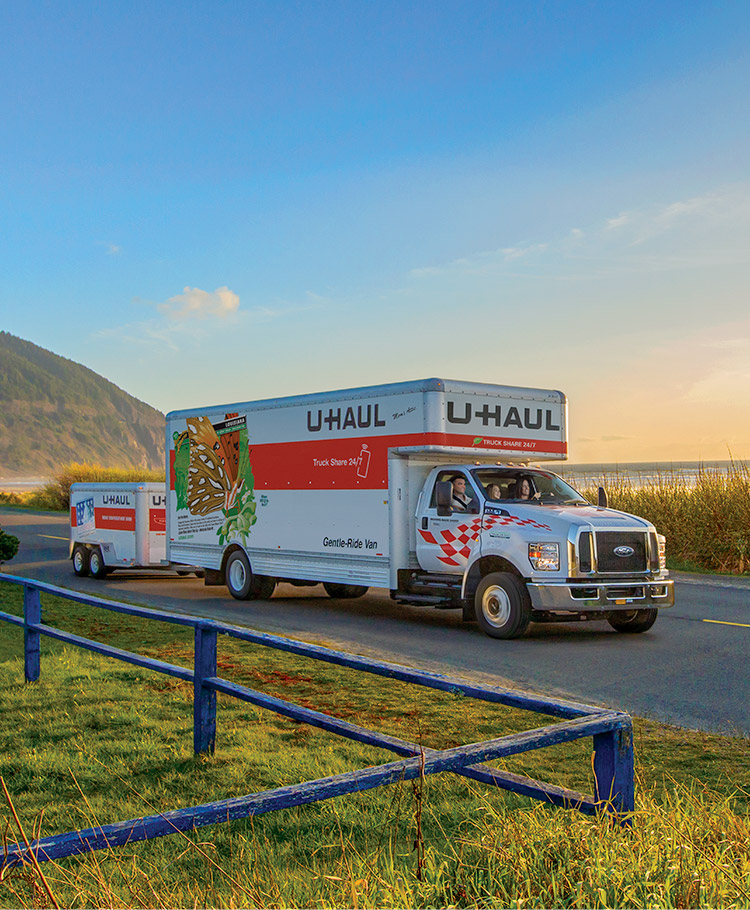
This article provides a comprehensive guide to U-Haul quotes, covering everything from how to obtain one to interpreting the details and finding ways to optimize your moving costs.
Section 1: How to Obtain a U-Haul Quote
U-Haul offers several convenient ways to obtain a quote, catering to different preferences and levels of planning:

Online Quote Tool: The most popular and efficient method is through the U-Haul website (uhaul.com). The online quote tool is user-friendly and allows you to input all the necessary information to generate a personalized estimate.
- Steps:
- Visit the U-Haul website.
- Select the type of equipment you need (truck, trailer, etc.).
- Enter your pickup and drop-off locations. You can specify exact addresses or use city and state combinations.
- Choose your desired pickup and drop-off dates and times. Be as precise as possible, as pricing can vary based on demand.
- Select the size of the truck or trailer you need. If you're unsure, U-Haul provides helpful guidelines based on the size of your home or apartment.
- Indicate whether you need any additional services or equipment, such as moving boxes, furniture pads, or a hand truck.
- Review the quote details and proceed to reserve your equipment.
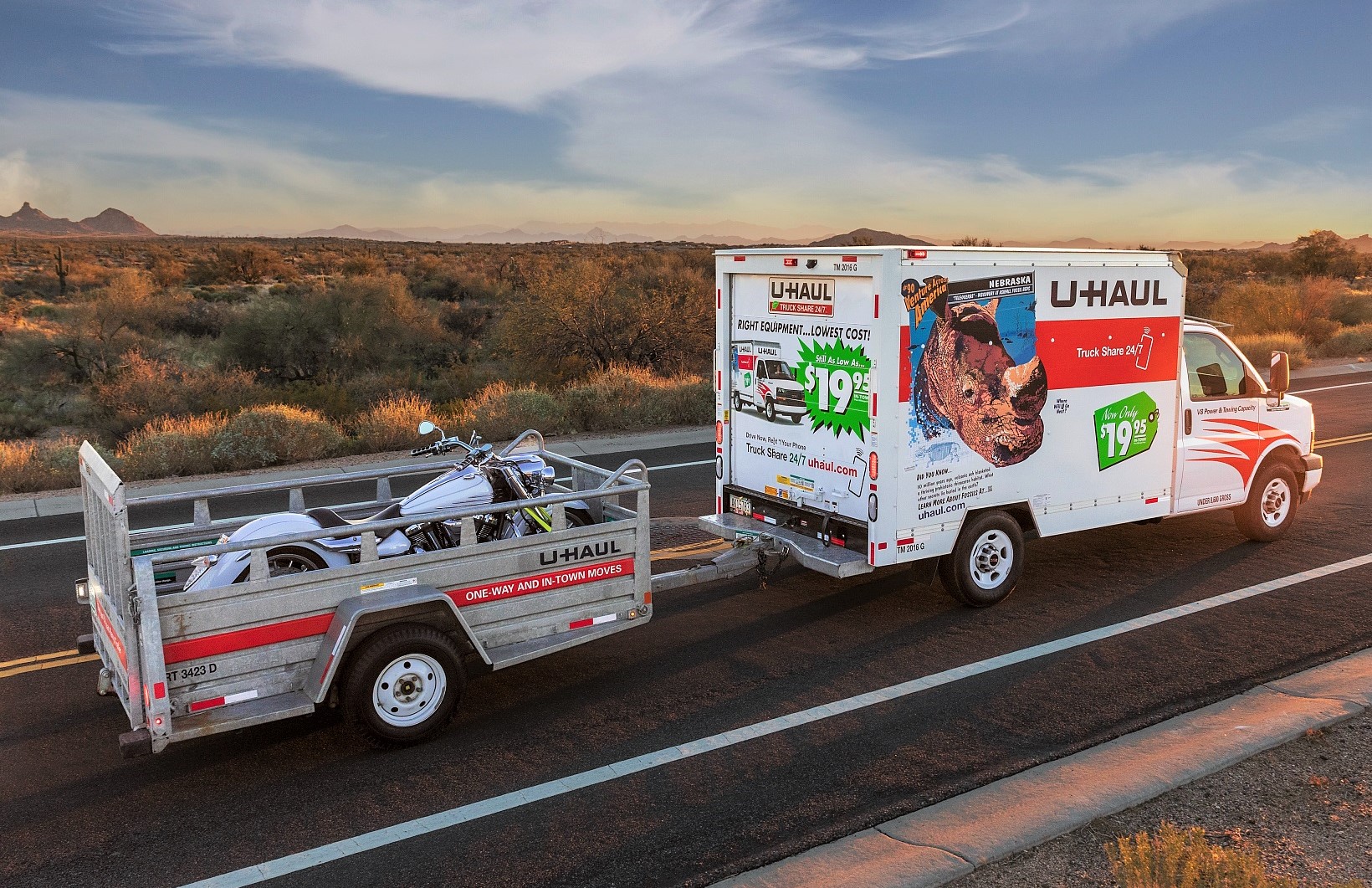
- Steps:
-
Phone Quote: You can call U-Haul's customer service line to obtain a quote over the phone. This option is helpful if you have complex moving needs or prefer to speak directly with a representative.
- Process:
- Call the U-Haul customer service number (found on their website).
- Be prepared to provide the same information as required for the online quote tool (pickup and drop-off locations, dates, times, equipment size, etc.).
- The representative will generate a quote based on your information.
- Ask any questions you have about the quote and the rental process.
- Process:
-
In-Person Quote: You can visit a local U-Haul location to obtain a quote in person. This option is beneficial if you want to inspect the equipment firsthand or discuss your moving needs with a local representative.
- Procedure:
- Locate a U-Haul location near you.
- Visit the location during business hours.
- Speak with a representative and provide the necessary information for your move.
- The representative will generate a quote and answer any questions you have.
- Procedure:
Section 2: Understanding the Components of a U-Haul Quote
A U-Haul quote typically includes the following components:
- Base Rental Fee: This is the cost of renting the truck or trailer for a specific period (usually per day). This rate varies based on equipment size, location, and demand.
- Mileage Charge: U-Haul charges a per-mile fee for one-way rentals. The mileage rate depends on the distance between your pickup and drop-off locations. Local rentals (same city) may have a set mileage allowance included in the base rental fee.
- Environmental Fee: This fee covers the costs associated with environmental regulations and vehicle maintenance.
- SafeMove Insurance: U-Haul offers various insurance options (SafeMove) to protect against damage to the equipment, cargo, and injuries. These options vary in coverage and cost. Common SafeMove options include:
- SafeMove Damage Waiver: Covers damage to the U-Haul equipment.
- Cargo Protection: Covers damage or loss of your belongings.
- Medical/Life Protection: Provides coverage for injuries or death resulting from an accident.
- Sales Tax: Applicable sales tax will be added to the total cost of the rental.
- Additional Services/Equipment: If you request moving boxes, furniture pads, hand trucks, or other services, the cost will be added to the quote.
- Estimated Total: This is the overall estimated cost of your U-Haul rental, including all applicable fees and taxes.
Section 3: Factors Affecting Your U-Haul Quote
Several factors can influence the final cost of your U-Haul quote:
- Equipment Size: Larger trucks and trailers are generally more expensive to rent than smaller ones.
- Rental Duration: The longer you need the equipment, the higher the rental cost will be.
- Distance: The mileage charge is directly proportional to the distance you're traveling.
- Location: Rental rates can vary depending on the location. High-demand areas may have higher prices.
- Seasonality: Moving during peak season (summer, end of the month) typically results in higher rates due to increased demand.
- Day of the Week: Weekends and holidays are usually more expensive than weekdays.
- Insurance Coverage: The level of insurance coverage you choose will affect the total cost.
- One-Way vs. Local Rental: One-way rentals (returning the equipment to a different location) typically have higher mileage charges than local rentals.
- Advance Booking: Booking in advance can sometimes secure a better rate, especially during peak season.
Section 4: Tips for Getting the Best U-Haul Quote
- Compare Quotes: Obtain quotes from multiple U-Haul locations (if possible) and other moving companies to compare pricing.
- Be Flexible with Dates: If possible, adjust your moving dates to avoid peak season or weekends. Even shifting your move by a day or two can sometimes result in significant savings.
- Choose the Right Size Truck: Avoid renting a truck that's too large, as you'll be paying for unused space. U-Haul's online size guide can help you determine the appropriate truck size.
- Minimize Mileage: Plan your route carefully to minimize the distance you travel.
- Consider Alternatives to U-Haul Boxes: U-Haul boxes can be expensive. Consider using free boxes from grocery stores or purchasing used boxes.
- Use Your Own Insurance (If Applicable): Check if your auto insurance or homeowner's insurance covers U-Haul rentals. If so, you may not need to purchase additional insurance from U-Haul.
- Look for Discounts: U-Haul sometimes offers discounts for students, military personnel, or AAA members.
- Book in Advance: Booking your rental well in advance can often secure a lower rate.
- Read the Fine Print: Carefully review the terms and conditions of the rental agreement before signing.
- Avoid Add-Ons You Don't Need: Only select the insurance coverage and additional services that you truly need.
- Return the Truck Clean and with a Full Tank of Gas: Avoid additional charges by returning the truck in the same condition you received it, with a full tank of gas.
Section 5: Potential Challenges and Solutions
- Hidden Fees: Be aware of potential hidden fees, such as cleaning fees or late return fees. Clarify all fees upfront.
- Solution: Ask for a detailed breakdown of all potential charges before signing the rental agreement.
- Availability Issues: During peak season, U-Haul equipment may be limited.
- Solution: Book your rental well in advance to secure the equipment you need.
- Unexpected Damage: Accidents can happen.
- Solution: Carefully inspect the truck before driving it and document any existing damage. Purchase adequate insurance coverage.
- Mileage Overages: Exceeding the estimated mileage can result in significant additional charges.
- Solution: Accurately estimate your mileage and plan your route carefully.
Section 6: U-Haul Quote Price Table
| Feature | Description | Price (Estimated) | Notes |
|---|---|---|---|
| Base Rental Fee | Cost of renting the truck per day/trip. Varies significantly by truck size and location. | $19.95 - $39.95+ per day (local) / Varies (one-way) | Local rentals are generally cheaper, one-way depends on the distance. |
| Mileage Charge | Per-mile charge for one-way rentals. | $0.40 - $1.49+ per mile (depends on truck size and distance) | Higher for larger trucks and longer distances. Can vary based on time of the year. |
| SafeMove Coverage | Optional insurance coverage for damage to the U-Haul equipment, cargo, and injuries. | $14 - $80+ (depending on coverage level and equipment) | Several tiers available, from basic damage waiver to comprehensive coverage. |
| Environmental Fee | Fee for environmental compliance. | Varies by location. | Typically a small, fixed fee. |
| Sales Tax | State and local sales tax applied to the total rental cost. | Varies by location. | Depends on your state and local tax rates. |
| Boxes & Supplies | Moving boxes, tape, furniture pads, hand trucks, etc. | Prices vary widely based on items and quantities. | Cheaper to source externally (e.g., free boxes from stores). |
| Fuel | Cost of refueling the truck to the same level as when picked up. | Varies depending on fuel prices. | Can be avoided by returning the truck with a full tank. |
| Cleaning Fee | Fee if the truck is not returned in a reasonably clean condition. | Varies. Can be significant. | Avoid by cleaning the truck before returning it. |
| Late Return Fee | Fee for returning the truck after the agreed-upon return time. | Varies. Can be substantial. | Avoid by returning the truck on time. |
| One-Way Fee | Additional fee when dropping off equipment at a location different than the pick-up location | Varies based on distance, equipment type and time of year | Fee can range from hundreds to thousands of dollars depending on the specifics of your move. |
Note: These are estimated prices and can vary depending on your specific location, equipment, and rental dates. Always obtain a formal quote from U-Haul for accurate pricing.
Conclusion: Planning for a Smooth Move
Getting a U-Haul quote is an essential first step in planning a successful and affordable move. By understanding the various components of the quote, the factors that influence pricing, and the tips for saving money, you can make informed decisions and avoid unpleasant surprises. Remember to compare quotes, be flexible with your dates, and carefully review the rental agreement before signing. With careful planning and a proactive approach, you can ensure a smooth and stress-free moving experience with U-Haul.
Frequently Asked Questions (FAQ)
-
Q: Is a U-Haul quote binding?
- A: Generally, a U-Haul quote is an estimate, not a binding contract. The final cost may vary based on actual mileage, fuel costs, and any additional charges incurred during the rental. However, booking a "guaranteed reservation" does lock in the equipment and price.
-
Q: How long is a U-Haul quote valid?
- A: U-Haul quotes are typically valid for a limited time, usually a few days. Rates are subject to change based on availability and demand.
-
Q: Can I change my U-Haul reservation after getting a quote?
- A: Yes, you can usually change your reservation, but changes may affect the rental rate. Contact U-Haul customer service to make any modifications.
-
Q: What happens if I return the U-Haul truck late?
- A: You will be charged a late return fee, which can be substantial. It's essential to return the truck on time to avoid these charges.
-
Q: Can I pick up the U-Haul truck early?
- A: It depends on availability. Contact the U-Haul location to inquire about early pickup.
-
Q: What forms of payment does U-Haul accept?
- A: U-Haul typically accepts credit cards, debit cards, and cash (although cash may require a larger deposit).
-
Q: Do I need a special driver's license to rent a U-Haul truck?
- A: A standard driver's license is usually sufficient for most U-Haul trucks. However, you may need a commercial driver's license (CDL) for larger vehicles.
-
Q: What is the U-Haul "24/7 Truck Share" program?
- A: The 24/7 Truck Share program allows you to pick up and drop off your U-Haul truck using your smartphone, providing greater flexibility and convenience.