The 2002 Jeep Grand Cherokee, often referred to as the WJ generation, is a beloved SUV known for its blend of on-road comfort and off-road capability. While capable in its stock form, many WJ owners look to enhance its potential with a lift kit. A lift kit for your 2002 Jeep Grand Cherokee provides increased ground clearance, allowing you to tackle tougher trails and install larger, more aggressive tires. This guide provides a comprehensive look at lift kits for the 2002 WJ, covering everything from benefits and types to installation considerations and common challenges. Whether you're a seasoned off-roader or just starting to explore, this article will equip you with the knowledge to make informed decisions about lifting your WJ.
Why Lift Your 2002 Jeep Grand Cherokee?
Unleash Your WJ: A Comprehensive Guide to 2002 Jeep Grand Cherokee Lift Kits
Before diving into the specifics, let's understand the motivations behind installing a lift kit on your 2002 WJ. The benefits extend beyond aesthetics, offering tangible improvements to your vehicle's performance and versatility:
- Increased Ground Clearance: This is the primary reason for lifting your WJ. More ground clearance allows you to navigate obstacles like rocks, logs, and deep ruts without scraping or damaging your undercarriage.
- Larger Tire Fitment: A lift kit creates space for larger tires, which further increases ground clearance and provides better traction on various terrains. Larger tires also contribute to a more aggressive and imposing appearance.
- Improved Off-Road Capability: The combined effect of increased ground clearance and larger tires translates to enhanced off-road performance. Your WJ will be better equipped to handle challenging trails and uneven terrain.
- Enhanced Aesthetics: While performance is key, the visual appeal of a lifted Jeep is undeniable. A lift kit gives your WJ a more rugged and commanding presence.
- Better Approach, Departure, and Breakover Angles: Lifting your WJ improves its ability to approach steep inclines, descend sharp declines, and clear obstacles without getting hung up.
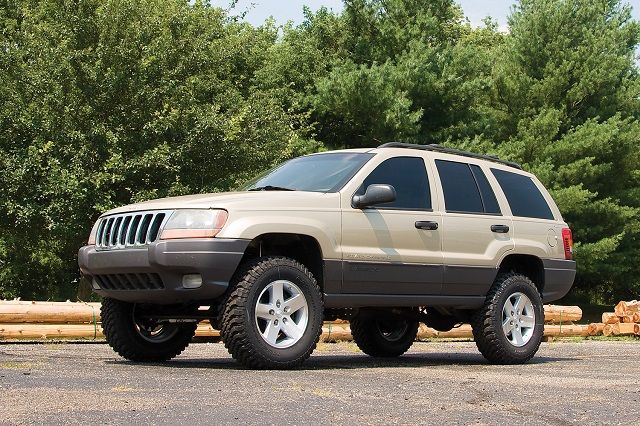
Types of Lift Kits for the 2002 Jeep Grand Cherokee
Lift kits come in various configurations, each offering a different level of performance and complexity. Here's a breakdown of the most common types for the 2002 WJ:
- Budget Boosts (Coil Spacers): This is the most economical option. Budget boosts consist of polyurethane or steel spacers that sit on top of the coil springs, effectively raising the vehicle's ride height.
- Pros: Inexpensive, easy to install, minimal impact on ride quality.
- Cons: Limited lift height (typically 2 inches or less), doesn't improve suspension articulation.

- Coil Spring Lift Kits: These kits replace the factory coil springs with longer, stiffer springs. They offer a more significant lift height and can improve ride quality compared to budget boosts.
- Pros: Improved ride quality, greater lift height options (2-4 inches), enhanced off-road performance.
- Cons: More expensive than budget boosts, requires more extensive installation.

- Long Arm Lift Kits: This is the most comprehensive and capable type of lift kit. Long arm kits replace the factory control arms with longer arms that improve suspension geometry and articulation.
- Pros: Superior off-road performance, significantly improved articulation, smoother ride quality on and off-road.
- Cons: Most expensive option, requires welding and significant modifications, potentially more complex installation.
- Complete Suspension Systems: These kits often include a combination of coil springs, shocks, control arms, and other components designed to work together for optimal performance. They offer a balanced approach to lifting your WJ.
- Pros: Comprehensive upgrade, matched components for optimal performance, often includes necessary hardware.
- Cons: Can be more expensive than individual components, requires careful research to ensure compatibility.
Choosing the Right Lift Kit for Your Needs
Selecting the appropriate lift kit depends on your intended use, budget, and mechanical skills. Consider the following factors:
- Intended Use: Are you primarily driving on the road with occasional off-road excursions, or are you a dedicated off-roader tackling challenging trails? Your intended use will dictate the level of performance you need.
- Budget: Lift kits range in price from a few hundred dollars for budget boosts to several thousand dollars for long arm kits. Determine your budget before you start shopping.
- Lift Height: Consider how much lift you need to clear your desired tire size and navigate your typical terrain. A 2-3 inch lift is often sufficient for moderate off-roading.
- Installation Complexity: Budget boosts are relatively easy to install, while long arm kits require significant modifications and welding. Assess your mechanical skills and available tools before choosing a kit.
- Ride Quality: Some lift kits can negatively impact ride quality, especially on the road. Research the ride quality of different kits before making a decision.
- Component Quality: Choose a lift kit from a reputable manufacturer known for using high-quality components. This will ensure durability and longevity.
Installation Considerations and Important Tips
Installing a lift kit can be a rewarding experience, but it's crucial to approach the project with careful planning and attention to detail. Here are some important considerations and tips:
- Read the Instructions: Always read the manufacturer's instructions thoroughly before starting the installation.
- Gather the Necessary Tools: Make sure you have all the necessary tools, including wrenches, sockets, a torque wrench, a jack, jack stands, and potentially a spring compressor.
- Work in a Safe Environment: Work in a well-lit and ventilated area. Use jack stands to support the vehicle securely.
- Disconnect the Battery: Disconnect the negative battery terminal before working on any electrical components.
- Loosen Lug Nuts: Loosen the lug nuts before lifting the vehicle.
- Inspect Components: Inspect all components before installation to ensure they are in good condition.
- Torque Specifications: Torque all bolts to the manufacturer's specifications.
- Alignment: After installing the lift kit, it's essential to get a professional wheel alignment. This will ensure proper handling and prevent premature tire wear.
- Extended Brake Lines: Depending on the lift height, you may need to install extended brake lines to prevent them from being stretched or damaged.
- Track Bar Adjustment: A lift kit can shift the axle off-center. Consider using an adjustable track bar to recenter the axle.
- Sway Bar Disconnects: Sway bar disconnects can improve off-road articulation.
- Consider a SYE (Slip Yoke Eliminator): For lifts over 3 inches, a slip yoke eliminator is highly recommended to prevent driveline vibrations.
- Professional Installation: If you're not comfortable performing the installation yourself, consider hiring a professional mechanic.
Potential Challenges and Solutions
Installing a lift kit can present some challenges. Here are some common issues and potential solutions:
- Driveline Vibrations: Lift kits can alter driveline angles, leading to vibrations. A SYE, transfer case drop, or adjustable control arms can help correct these angles.
- Steering Issues: Lift kits can affect steering geometry, leading to bump steer or other handling problems. An adjustable track bar, drop pitman arm, or steering stabilizer can help address these issues.
- Alignment Problems: It can be difficult to achieve a proper alignment after installing a lift kit. Consider using adjustable control arms or ball joints to fine-tune the alignment.
- Clearance Issues: Larger tires may rub against the fenders or suspension components. Trimming the fenders or using wheel spacers can provide additional clearance.
- Difficulty Removing Old Components: Rusty or seized bolts can be difficult to remove. Use penetrating oil and heat to loosen them.
Price Table for 2002 Jeep Grand Cherokee Lift Kits
| Lift Kit Type | Brand Example | Lift Height (Inches) | Estimated Price (USD) | Notes |
|---|---|---|---|---|
| Budget Boost (Spacers) | Rough Country | 2 | $100 - $200 | Simplest and cheapest option, primarily for appearance. |
| Coil Spring Lift Kit | Old Man Emu | 2-3 | $500 - $1000 | Offers improved ride quality and off-road performance compared to spacers. |
| Complete Suspension System | Zone Offroad | 3-4 | $800 - $1500 | Includes springs, shocks, and sometimes other components for a balanced upgrade. |
| Long Arm Lift Kit | Clayton Off Road | 4.5-6 | $2500 - $4500 | Provides the best off-road performance and articulation, but requires significant modification and welding. |
| Long Arm Lift Kit | IRO (Iron Rock Offroad) | 4.5-6 | $2000 - $4000 | Provides the best off-road performance and articulation, but requires significant modification and welding. |
Note: Prices are estimates and may vary depending on the retailer, specific kit features, and any additional components purchased.
Frequently Asked Questions (FAQ)
- Q: Will a lift kit affect my gas mileage?
- A: Yes, a lift kit can negatively impact gas mileage due to increased weight, larger tires, and altered aerodynamics.
- Q: Do I need to re-gear after installing a lift kit and larger tires?
- A: Re-gearing is recommended for larger tires to restore power and fuel efficiency, especially if you frequently drive off-road or tow.
- Q: How much does it cost to have a lift kit professionally installed?
- A: Professional installation costs vary depending on the complexity of the kit and the labor rates in your area, but typically range from $500 to $1500.
- Q: What tire size can I fit with a 2-inch lift?
- A: With a 2-inch lift, you can typically fit 31-inch tires on your 2002 Jeep Grand Cherokee with minimal trimming.
- Q: Will a lift kit void my warranty?
- A: A lift kit may void portions of your factory warranty that are directly affected by the modification, such as suspension components.
- Q: What is bump steer?
- A: Bump steer is a phenomenon where the steering wheel moves involuntarily when the suspension travels up and down, typically caused by improper steering geometry after a lift.
Conclusion
Lifting your 2002 Jeep Grand Cherokee is a fantastic way to enhance its capabilities and appearance. By carefully considering your needs, budget, and mechanical skills, you can choose the right lift kit and enjoy the benefits of increased ground clearance, larger tires, and improved off-road performance. Remember to prioritize safety, follow the manufacturer's instructions, and address any potential challenges that may arise during the installation process. With the right preparation and execution, you can transform your WJ into a capable and eye-catching off-road machine. Happy Jeeping!