Flatbed trucks are the workhorses of the transportation industry, offering unmatched versatility for hauling oversized, irregularly shaped, and heavy loads. However, purchasing a new flatbed can be a significant investment. This is where used flatbeds for trucks come into play, providing a cost-effective alternative for individuals and businesses alike. This comprehensive guide will explore the world of used flatbeds, covering everything from benefits and types to inspection tips and potential pitfalls, empowering you to make an informed decision and find the perfect flatbed for your needs.
Introduction: Unleashing the Potential of Used Flatbeds
Used Flatbeds For Trucks: A Comprehensive Guide to Finding the Right Fit
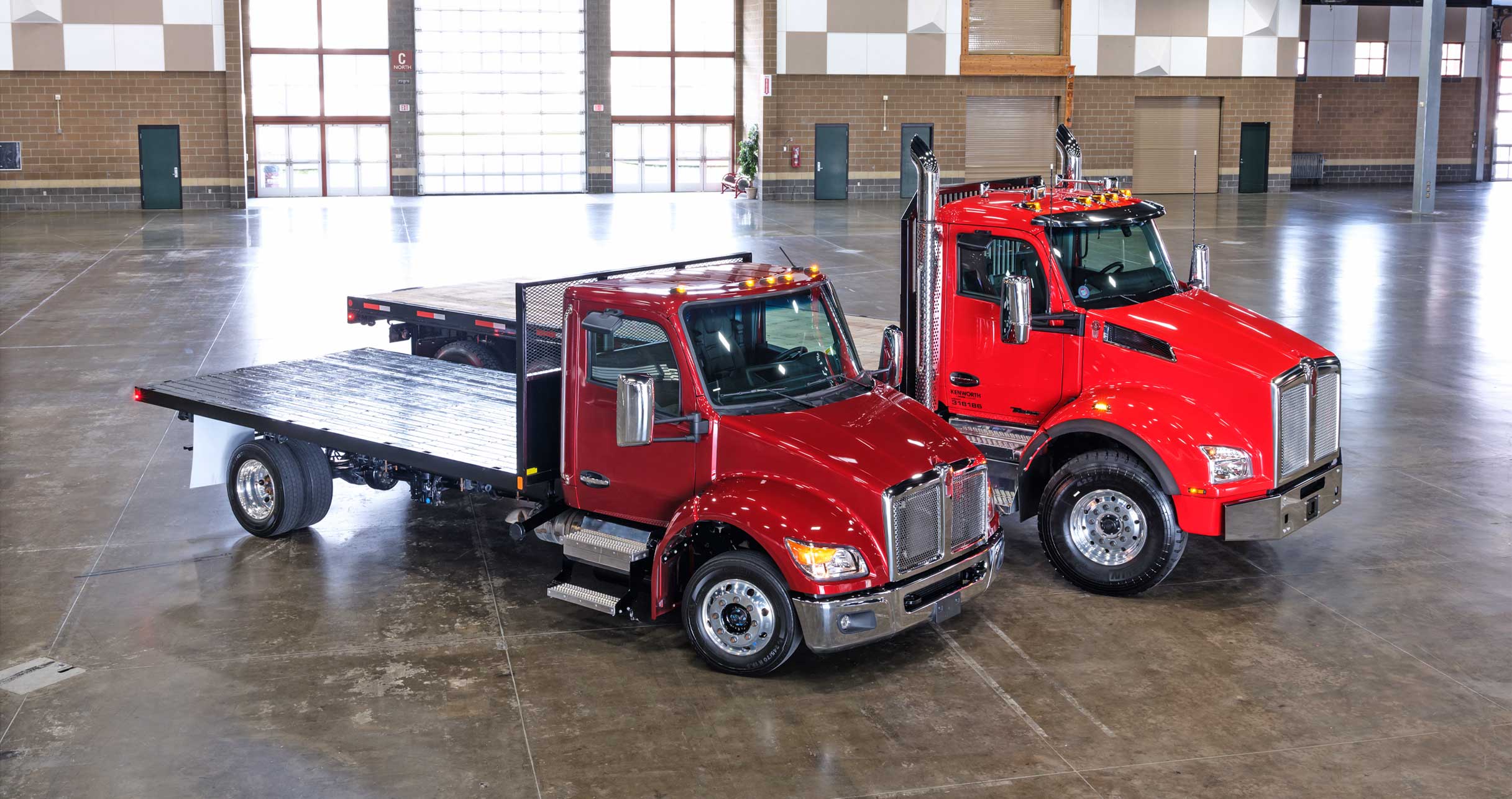
A used flatbed for trucks is essentially a platform bed, typically constructed from steel or aluminum, designed to be mounted onto a truck chassis. Unlike traditional truck beds with enclosed sides, flatbeds offer an open, unobstructed surface, allowing for the easy loading and transport of diverse cargo, including lumber, machinery, construction materials, and even vehicles. Opting for a used flatbed presents a compelling opportunity to acquire this versatility at a fraction of the cost of a new one. This makes them particularly attractive to small businesses, independent contractors, and individuals who require a flatbed for occasional or specialized tasks. The availability of various sizes, materials, and configurations means there's likely a used flatbed perfectly suited to your specific truck and hauling requirements.
Section 1: The Allure of Used: Benefits of Choosing a Pre-Owned Flatbed
The advantages of purchasing a used flatbed extend far beyond just the initial price tag:
- Cost Savings: The most obvious benefit is the significant reduction in cost compared to buying new. Depreciation hits flatbeds just like vehicles, meaning you can often find a well-maintained used flatbed for 30-70% less than its original price.
- Faster Availability: New flatbeds can sometimes have long lead times, especially if you require custom modifications. Used flatbeds are typically available immediately, allowing you to get to work sooner.
- Reduced Depreciation: The largest depreciation occurs in the first few years of a product's life. By buying used, you avoid this initial depreciation hit, retaining more of the flatbed's value.
- Environmentally Friendly: Purchasing used contributes to a more sustainable economy by extending the lifespan of existing products and reducing the demand for new manufacturing.
- Opportunity for Upgrades: With the money saved on the initial purchase, you can invest in upgrades such as toolboxes, headache racks, or specialized tie-down systems to customize the flatbed to your exact needs.

Section 2: Exploring the Landscape: Types of Used Flatbeds
Understanding the different types of flatbeds available is crucial for making the right choice. While variations exist, the primary distinctions lie in materials and specific features:
- Steel Flatbeds: The most common and generally the most affordable option. Steel flatbeds are known for their strength and durability, making them suitable for heavy-duty applications. However, they are susceptible to rust and require regular maintenance.
- Aluminum Flatbeds: Lighter than steel, aluminum flatbeds offer improved fuel efficiency and are highly resistant to corrosion. They are generally more expensive than steel options but require less maintenance.
- Wood Deck Flatbeds: These flatbeds feature a wooden deck surface, offering good traction and cushioning for cargo. They are often used for hauling delicate or irregularly shaped items. The wood requires regular maintenance and can be susceptible to rot and wear.
- Gooseneck Flatbeds: Designed for towing gooseneck trailers, these flatbeds feature a recessed ball mount in the bed. They are ideal for hauling heavy loads over long distances.
- Tilt Bed Flatbeds: These flatbeds can be tilted hydraulically, allowing for easy loading and unloading of equipment. They are particularly useful for hauling machinery and vehicles.
- Drop-Side Flatbeds: Offer hinged sides that can be lowered for easier loading and unloading.

Section 3: The Inspection Checklist: Ensuring a Solid Investment
Thorough inspection is paramount when buying a used flatbed. Here's a comprehensive checklist to guide you:
- Frame Inspection: Carefully examine the frame for signs of rust, cracks, bends, or welds. Pay close attention to areas around mounting points and stress concentrations. Any significant damage could compromise the structural integrity of the flatbed.
- Deck Condition: Assess the condition of the deck surface. Look for cracks, splinters, rot (in wood decks), or corrosion (in steel decks). Ensure the deck is securely attached to the frame.
- Welds and Joints: Inspect all welds and joints for cracks, porosity, or signs of repair. Poorly executed welds can indicate underlying structural issues.
- Tie-Down Points: Verify the condition and security of all tie-down points. Ensure they are not damaged, rusted, or loose. Adequate tie-down points are essential for safe cargo transport.
- Lighting and Wiring: Test all lights, including brake lights, turn signals, and running lights. Inspect the wiring for damage, corrosion, or loose connections. Faulty wiring can be a safety hazard.
- Hydraulic System (if applicable): If the flatbed has a hydraulic system (e.g., for tilting), check for leaks, smooth operation, and proper pressure.
- Overall Appearance: While not a definitive indicator of quality, the overall appearance can provide clues about the previous owner's maintenance habits. A well-maintained flatbed is more likely to be in good condition.
- Mounting Points: Check that the mounting points are in good condition and compatible with your truck's chassis.
- Ask Questions: Don't hesitate to ask the seller about the flatbed's history, including its previous use, maintenance records, and any known issues.
Section 4: Finding the Right Fit: Matching the Flatbed to Your Truck
Compatibility is key. Consider these factors when selecting a used flatbed:
- Truck Bed Dimensions: Accurately measure your truck's bed length and width to ensure the flatbed is a suitable size. Overhang can be dangerous and illegal.
- Weight Capacity: Determine the maximum weight you will be hauling and ensure the flatbed's weight capacity meets or exceeds your requirements. Overloading can damage the flatbed and your truck.
- Mounting System: Verify that the flatbed's mounting system is compatible with your truck's frame. Professional installation may be required.
- GVWR (Gross Vehicle Weight Rating): Ensure that adding the flatbed and your typical cargo does not exceed your truck's GVWR. Exceeding the GVWR is illegal and unsafe.
- Desired Features: Consider the specific features you need, such as toolboxes, headache racks, or tie-down systems.
Section 5: Navigating the Market: Where to Find Used Flatbeds
Several avenues exist for finding used flatbeds:
- Online Marketplaces: Websites like Craigslist, eBay, Facebook Marketplace, and specialized trucking classifieds often list used flatbeds.
- Local Dealers: Truck dealerships, particularly those specializing in commercial vehicles, may have used flatbeds in their inventory.
- Equipment Auctions: Auctions can be a good source of deals, but thorough inspection is even more critical.
- Used Truck Equipment Suppliers: These businesses specialize in buying and selling used truck equipment, including flatbeds.
- Word of Mouth: Network with other truck owners and businesses in your area. They may know of available flatbeds.
Section 6: Potential Pitfalls and Solutions: Addressing Common Challenges
Buying used always involves some risk. Here are some potential challenges and how to overcome them:
- Hidden Damage: Thorough inspection is crucial to uncover any hidden damage. If possible, have a mechanic inspect the flatbed before you buy it.
- Misrepresentation: Sellers may not always be truthful about the flatbed's condition. Ask detailed questions and verify their answers with your own inspection.
- Compatibility Issues: Ensure the flatbed is compatible with your truck before you buy it. Measure carefully and consult with a professional if needed.
- Installation Costs: Factor in the cost of professional installation if you are not comfortable installing the flatbed yourself.
- Lack of Warranty: Used flatbeds typically do not come with a warranty. Consider purchasing an extended warranty if available.
Section 7: Tips for a Successful Purchase: Maximizing Your Chances of Success
- Do Your Research: Before you start looking, research the different types of flatbeds, their features, and their typical prices.
- Set a Budget: Determine how much you are willing to spend and stick to your budget.
- Inspect Carefully: Take your time and thoroughly inspect the flatbed before you buy it.
- Negotiate the Price: Don't be afraid to negotiate the price.
- Get it in Writing: Get all the terms of the sale in writing, including the price, condition, and any warranties.
- Arrange for Transportation: Plan how you will transport the flatbed to your location.
Price Table for Used Flatbeds For Trucks
| Flatbed Type | Material | Condition | Size (Length x Width) | Average Price Range | Notes |
|---|---|---|---|---|---|
| Steel Flatbed | Steel | Good | 8 ft x 8 ft | $1,500 - $3,000 | Most common, prone to rust, suitable for heavy loads. |
| Steel Flatbed | Steel | Excellent | 8 ft x 8 ft | $3,000 - $4,500 | Well-maintained, minimal rust, may include additional features. |
| Aluminum Flatbed | Aluminum | Good | 8 ft x 8 ft | $2,500 - $4,500 | Lightweight, corrosion-resistant, slightly higher price. |
| Aluminum Flatbed | Aluminum | Excellent | 8 ft x 8 ft | $4,500 - $6,000 | Minimal wear, excellent condition, often includes accessories. |
| Steel Gooseneck Flatbed | Steel | Good | 8 ft x 8 ft | $2,000 - $3,500 | Designed for gooseneck trailers, sturdy, check gooseneck hitch condition. |
| Steel Tilt Bed Flatbed | Steel | Fair | 8 ft x 8 ft | $2,500 - $4,000 | Hydraulic system should be thoroughly inspected, may need maintenance. |
Conclusion: Embracing the Value of Used Flatbeds
Purchasing a used flatbed for your truck can be a smart and cost-effective way to enhance its versatility and capabilities. By carefully considering your needs, thoroughly inspecting potential purchases, and understanding the market, you can find a used flatbed that provides years of reliable service without breaking the bank. Remember to prioritize safety, compatibility, and long-term value to ensure a successful and rewarding investment. With the right approach, a used flatbed can be a valuable asset for your business or personal endeavors.
Frequently Asked Questions (FAQ)
Q: Is it safe to buy a used flatbed?
A: Yes, provided you conduct a thorough inspection and ensure the flatbed is structurally sound and compatible with your truck.
Q: How can I tell if a used flatbed has been overloaded?
A: Look for signs of stress, such as cracks, bends, or welds on the frame. Overloading can significantly weaken the structure.
Q: What is the best way to clean and maintain a steel flatbed?
A: Regularly clean the flatbed with soap and water. Apply a rust inhibitor to prevent corrosion. Inspect for rust regularly and address it promptly.
Q: Can I install a used flatbed myself?
A: If you have mechanical experience and the necessary tools, you may be able to install it yourself. However, professional installation is recommended to ensure proper fit and safety.
Q: What are some common upgrades for used flatbeds?
A: Common upgrades include toolboxes, headache racks, tie-down systems, and lighting improvements.
Q: Where can I find information on flatbed weight limits and regulations?
A: Consult your local Department of Transportation (DOT) for information on weight limits and regulations for flatbed trucks in your area.