Introduction: Navigating the North Carolina Semi-Truck Market
The open road calls to many, and for those answering that call with a career in trucking, the semi-truck is more than just a vehicle; it's a livelihood. In North Carolina, a state with a robust transportation and logistics sector, the demand for semi-trucks is consistently high. However, the cost of a brand-new rig can be prohibitive for many owner-operators and smaller trucking companies. This is where the market for used semi-trucks steps in, offering a more accessible and cost-effective entry point into the industry. This comprehensive guide aims to navigate the landscape of used semi-trucks for sale in North Carolina, providing potential buyers with the knowledge and tools necessary to make informed decisions and find the perfect truck to suit their needs.
Used Semi Trucks For Sale In North Carolina: A Comprehensive Guide for Buyers
1. Why Buy a Used Semi-Truck in North Carolina?
Purchasing a used semi-truck offers several advantages, particularly for those just starting out or looking to expand their fleet without breaking the bank.
- Cost Savings: This is the most obvious benefit. Used trucks are significantly cheaper than new ones, freeing up capital for other business expenses like insurance, maintenance, and fuel.
- Lower Depreciation: New trucks experience the steepest depreciation in their first few years. Buying used allows you to avoid this initial drop in value.
- Established Reliability (Potentially): With a used truck, you can research its make and model to understand common issues and maintenance requirements. A well-maintained used truck can be just as reliable as a new one.
- Faster Acquisition: New truck orders can often face long lead times. Used trucks are readily available, allowing you to get on the road sooner.
- Wide Selection: The used market offers a diverse range of makes, models, and configurations, allowing you to find a truck that perfectly matches your specific hauling needs.
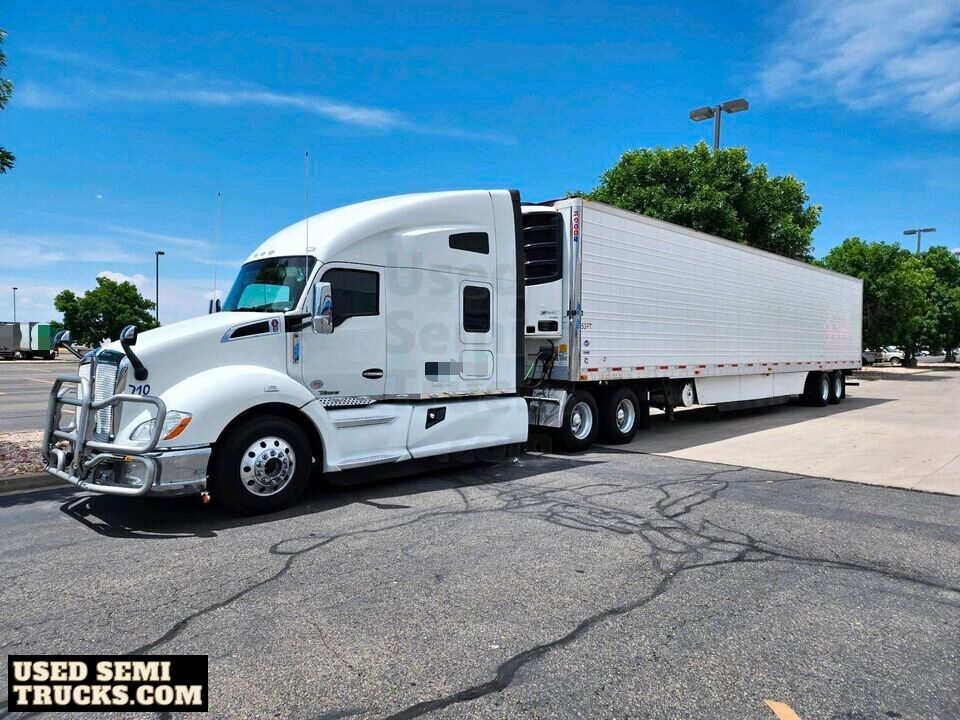
2. Where to Find Used Semi-Trucks for Sale in North Carolina
North Carolina offers a variety of avenues for finding used semi-trucks:
- Dealerships: Many dealerships specializing in commercial vehicles offer a selection of used trucks. These dealerships often provide financing options and warranties, offering a layer of security.
- Online Marketplaces: Websites like TruckPaper.com, CommercialTruckTrader.com, and even Facebook Marketplace can be valuable resources. However, exercise caution when dealing with private sellers.
- Auction Houses: Auction houses specializing in commercial vehicles can offer opportunities to find trucks at competitive prices. However, inspections are often limited, and you'll need to act quickly.
- Private Sellers: Directly purchasing from individual owner-operators or smaller trucking companies can sometimes yield good deals, but due diligence is crucial.
- Truck Brokers: Truck brokers act as intermediaries between buyers and sellers, helping to find suitable trucks and negotiate prices.
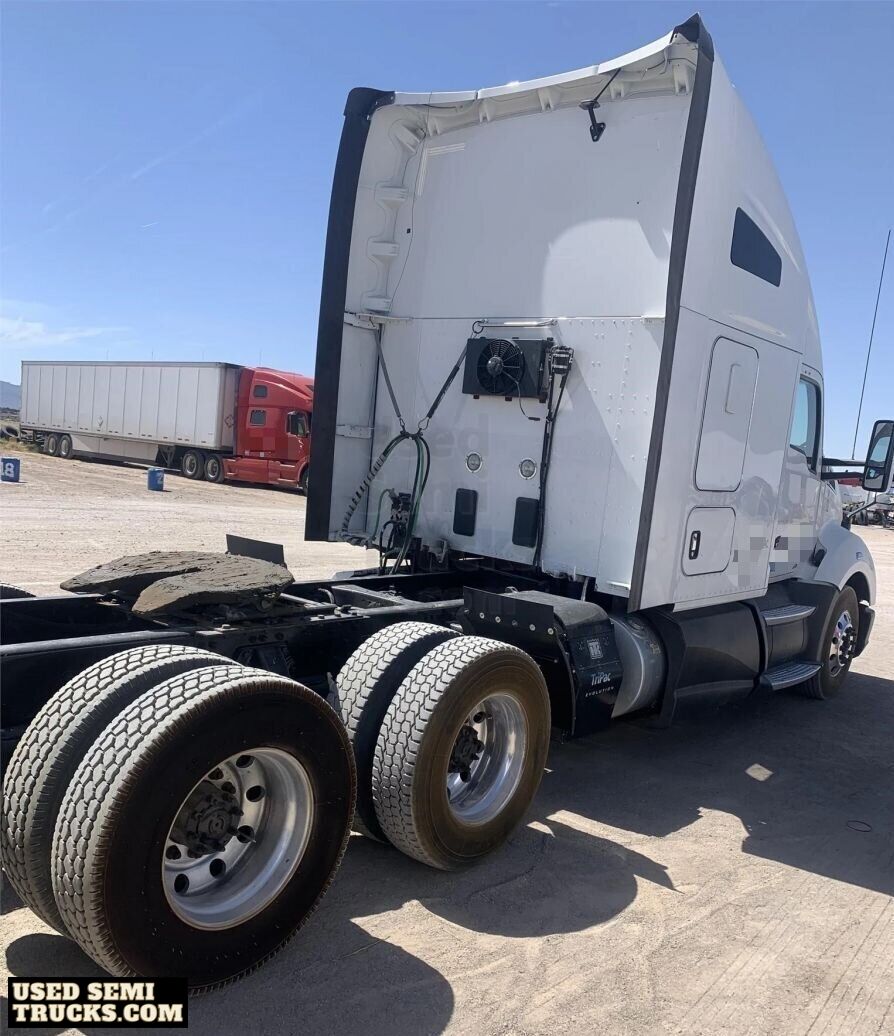

3. Key Considerations Before Buying
Before committing to a purchase, carefully consider the following factors:
- Budget: Determine your maximum spending limit, including the purchase price, taxes, registration fees, insurance, and potential maintenance costs.
- Intended Use: What type of cargo will you be hauling? What distances will you be covering? This will influence the type of truck you need (e.g., day cab, sleeper cab, engine horsepower, axle configuration).
- Mileage and Hours: Lower mileage and engine hours generally indicate less wear and tear, but maintenance history is equally important.
- Maintenance Records: Request and thoroughly review maintenance records to understand the truck's service history. This will reveal any recurring problems or major repairs.
- Inspection: Conduct a thorough inspection, either yourself or by a qualified mechanic. This should include checking the engine, transmission, brakes, tires, suspension, and electrical system.
- Emissions Compliance: Ensure the truck meets current emissions standards in North Carolina and any other states you plan to operate in.
- Title and Ownership: Verify that the seller has a clear title to the truck and that there are no liens or encumbrances.
- Financing: Explore financing options from banks, credit unions, or specialized lenders.
- Insurance: Obtain quotes from multiple insurance providers to understand the costs associated with insuring the truck.
4. Essential Inspection Checklist
A thorough inspection is crucial to avoid costly surprises down the road. Here's a checklist of key areas to examine:
- Engine:
- Check for leaks (oil, coolant, fuel).
- Listen for unusual noises (knocking, ticking).
- Inspect the exhaust for excessive smoke.
- Check the oil level and condition.
- Have an oil analysis performed to assess engine health.
- Transmission:
- Check for smooth shifting through all gears.
- Listen for unusual noises (grinding, whining).
- Inspect for leaks.
- Brakes:
- Check brake pad/shoe thickness.
- Inspect brake lines and hoses for leaks or damage.
- Test the air brake system for proper operation.
- Tires:
- Check tire tread depth.
- Inspect for cuts, bulges, or uneven wear.
- Verify proper inflation pressure.
- Suspension:
- Inspect springs, shocks, and air bags for damage or wear.
- Check for excessive sway or bounce.
- Electrical System:
- Test all lights, signals, and gauges.
- Check the battery and charging system.
- Frame:
- Inspect for cracks, rust, or damage.
- Cab:
- Check for rust, leaks, and damage.
- Ensure all interior components are functioning properly.
5. Negotiation and Closing the Deal
Once you've found a truck that meets your needs and passed inspection, it's time to negotiate the price. Research comparable trucks to determine a fair market value. Be prepared to walk away if the seller is unwilling to negotiate.
When closing the deal:
- Review all paperwork carefully.
- Ensure the title is properly transferred.
- Obtain a bill of sale.
- Arrange for insurance coverage.
- Register the truck with the North Carolina Department of Motor Vehicles (DMV).
6. Types of Used Semi-Trucks Available in North Carolina
Understanding the different types of semi-trucks will help you narrow your search:
- Day Cabs: Designed for short-haul routes and local deliveries.
- Sleeper Cabs: Equipped with a sleeping berth for long-haul drivers. These come in various sizes, from small "condo" sleepers to larger, more luxurious models.
- Dump Trucks: Used for hauling materials like gravel, sand, and asphalt.
- Tanker Trucks: Designed for transporting liquids like fuel, chemicals, and milk.
- Flatbed Trucks: Used for hauling lumber, steel, and other oversized items.
- Reefer Trucks: Refrigerated trucks used for transporting perishable goods.
7. Tips for a Successful Purchase
- Be patient: Don't rush into a purchase. Take your time to research and compare different trucks.
- Get a pre-purchase inspection: This is well worth the cost to avoid potential problems.
- Negotiate aggressively: Don't be afraid to haggle for a better price.
- Consider a warranty: If available, a warranty can provide peace of mind.
- Factor in maintenance costs: Budget for routine maintenance and potential repairs.
- Network with other truckers: They can provide valuable insights and advice.
8. Potential Challenges and Solutions
- Finding a reliable truck: Thorough inspections and maintenance records are crucial.
- Securing financing: Shop around for the best interest rates and terms.
- Dealing with unscrupulous sellers: Be wary of deals that seem too good to be true.
- Maintenance costs: Budget for repairs and preventative maintenance.
- Emissions compliance: Ensure the truck meets all applicable regulations.
Table Price: Estimated Costs Associated with Buying and Operating a Used Semi-Truck in North Carolina
| Item | Estimated Cost | Notes |
|---|---|---|
| Used Semi-Truck Purchase | $20,000 - $80,000+ | Varies widely based on age, mileage, condition, and type of truck. |
| Pre-Purchase Inspection | $200 - $500+ | Highly recommended to identify potential problems. |
| Sales Tax | Varies (State & Local) | Check your local tax rates. |
| Registration Fees | $100 - $500+ | Depends on weight class and type of operation. |
| Title Transfer Fees | $50 - $100 | |
| Commercial Truck Insurance | $8,000 - $15,000+/year | Varies based on coverage, driving record, and type of cargo. |
| Fuel | Variable | Depends on mileage, fuel prices, and fuel efficiency. |
| Maintenance & Repairs | $5,000 - $15,000+/year | Varies based on truck age, condition, and usage. |
| Tires | $2,000 - $4,000+/set | Depends on tire type and brand. |
| Permits & Licenses | Variable | Depends on operating area and type of cargo. |
Frequently Asked Questions (FAQ)
-
Q: What is the average lifespan of a semi-truck engine?
- A: With proper maintenance, a semi-truck engine can last for 750,000 to 1,000,000 miles or more.
-
Q: How often should I change the oil in a semi-truck?
- A: Oil change intervals typically range from 25,000 to 50,000 miles, depending on the engine and oil type. Consult your owner's manual for specific recommendations.
-
Q: What are the common problems with used semi-trucks?
- A: Common problems include engine issues, transmission problems, brake wear, tire wear, and electrical system malfunctions.
-
Q: Is it better to buy a used truck with lower mileage or a newer truck with higher mileage?
- A: It depends on the overall condition of the truck and its maintenance history. A well-maintained truck with higher mileage may be a better option than a poorly maintained truck with lower mileage.
-
Q: Where can I find a qualified mechanic to inspect a used semi-truck in North Carolina?
- A: Ask for recommendations from other truckers, check online reviews, or contact a local truck repair shop.
Conclusion: Making the Right Choice
Purchasing a used semi-truck in North Carolina is a significant investment that requires careful planning and due diligence. By understanding the market, considering your needs, conducting thorough inspections, and negotiating wisely, you can find a reliable and cost-effective truck that will help you succeed in the trucking industry. Remember to prioritize safety, reliability, and compliance to ensure a smooth and profitable journey on the road. The open road awaits – choose wisely and drive safely!