Moving can be one of life's most stressful experiences. Whether you're relocating across town or across the country, the logistical challenges can quickly become overwhelming. One of the biggest pieces of the puzzle is figuring out transportation – and for many, that means renting a U-Haul truck. But before you load up your belongings and hit the road, you need to understand the costs involved. What does it really cost to rent a U-Haul truck? This comprehensive guide breaks down all the factors that contribute to the final price, helping you budget effectively and avoid unwelcome surprises.
1. Base Rental Rates: The Starting Point
What Does It Cost To Rent A U-Haul Truck? A Comprehensive Guide
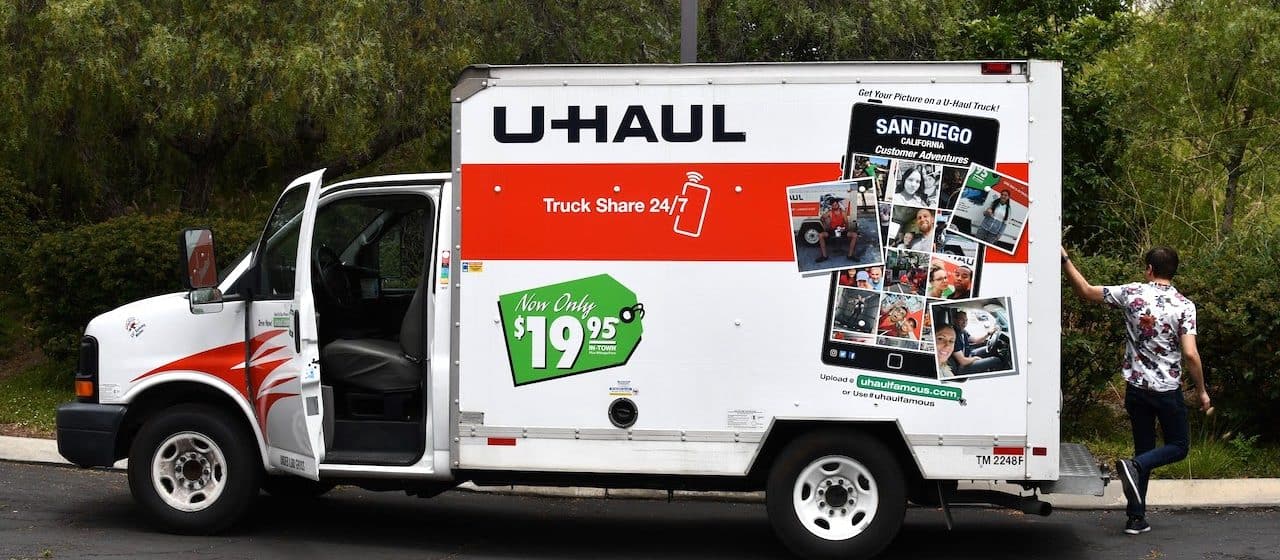
The most obvious cost is the base rental rate. This is the daily (or mileage-based) charge for using the U-Haul truck itself. However, this rate is just the tip of the iceberg. The base rate varies dramatically based on several factors:
-
Truck Size: U-Haul offers a range of truck sizes, from pickup trucks and cargo vans to large 26-foot trucks. Naturally, larger trucks cost more to rent. Expect to pay significantly more for a truck that can handle the contents of a three-bedroom house compared to one suited for a studio apartment.
-
Rental Duration: You'll typically be charged a daily rate, but shorter rentals (a few hours) might be possible in some locations. Longer rentals, especially for one-way moves, can sometimes qualify for discounted rates.
-
Local vs. One-Way Rental: Local rentals, where you pick up and return the truck to the same location, are usually cheaper than one-way rentals. One-way rentals incur additional fees because U-Haul needs to account for the truck being returned to a different location.
-
Location and Seasonality: Rental rates can fluctuate based on location and the time of year. Demand is typically higher during peak moving seasons (summer, end of the month, weekends), which can drive up prices. Major cities or areas with limited truck availability often have higher rates as well.
-
Availability: Just like airline tickets, U-Haul truck rental prices can fluctuate based on availability. Booking in advance, especially during peak season, can often secure a better rate.


Actionable Insight: Check U-Haul's website for estimated rates based on your specific needs. Input your pickup and drop-off locations, desired dates, and the size of truck you think you'll need to get a preliminary estimate. Remember that this is just an estimate, and the final price may vary.
2. Mileage Fees: The Distance Factor
Mileage fees are a significant component of the overall cost, especially for longer moves. U-Haul charges a per-mile fee, which can range from a few cents to over a dollar, depending on the truck size and rental agreement.
-
Local Rentals: Often, local rentals include a set number of free miles. If you exceed that limit, you'll be charged a per-mile fee for the extra distance.
-
One-Way Rentals: One-way rentals typically include an estimated mileage allowance based on the distance between your pickup and drop-off locations. If you exceed this allowance, you'll be charged a per-mile fee.
Actionable Insight: Carefully plan your route and estimate the total mileage you'll be driving. Factor in potential detours, traffic delays, and any extra trips you might need to make. Use online mapping tools to get an accurate estimate of the distance between your locations.
3. Insurance Coverage: Protecting Yourself and the Truck
U-Haul offers various insurance coverage options, which can add to the rental cost. While these are optional, they provide protection against damage to the truck, cargo, and yourself in the event of an accident. Consider these options carefully:
-
Safemove: This is the most comprehensive coverage option, protecting against damage to the truck, cargo, and providing medical and life coverage.
-
Safemove Plus: Builds on Safemove by adding coverage for accidental damage caused by loading and unloading.
-
Safetow: This covers the trailer and its contents if you're towing a trailer behind the U-Haul truck.
-
Collision Damage Waiver (CDW): This covers damage to the truck itself, but typically doesn't cover cargo or personal injuries.
Important Consideration: Check your existing auto insurance policy to see if it provides any coverage for rental trucks. Your credit card might also offer some level of rental car insurance. However, these policies may not cover all potential risks, so carefully weigh the pros and cons of purchasing U-Haul's insurance options.
4. Taxes and Fees: The Fine Print
Don't forget to factor in taxes and other miscellaneous fees. These can vary depending on your location and the specifics of your rental agreement. Common fees include:
- Sales Tax: Applicable sales tax will be added to the total rental cost.
- Environmental Fees: Some locations may charge environmental fees.
- Late Return Fees: Returning the truck late can result in hefty late fees.
- Cleaning Fees: If the truck is returned excessively dirty, you may be charged a cleaning fee.
Actionable Insight: Carefully read the rental agreement to understand all the applicable fees and taxes. Ask U-Haul representatives to clarify any unclear charges before signing the agreement.
5. Additional Equipment and Services: Adding Convenience
U-Haul offers a range of additional equipment and services that can add to the convenience of your move, but also increase the cost:
-
Moving Boxes and Supplies: U-Haul sells a variety of moving boxes, tape, bubble wrap, and other packing supplies.
-
Furniture Pads: Renting furniture pads can protect your furniture from scratches and damage during transit.
-
Hand Trucks and Dollies: These can make it easier to move heavy items.
-
Towing Equipment: If you need to tow a car or trailer, you'll need to rent the appropriate towing equipment.
-
Moving Help: U-Haul partners with Moving Help, a service that connects you with local movers who can assist with loading, unloading, and packing.
Actionable Insight: Evaluate your needs and budget carefully before adding extra equipment or services. You may be able to save money by sourcing packing supplies elsewhere or enlisting the help of friends and family.
6. The Cost of Fuel: Filling the Tank
You are responsible for returning the U-Haul truck with the same amount of fuel as when you picked it up. This can be a significant expense, especially for larger trucks that consume more fuel.
Actionable Insight: Before returning the truck, fill the tank to the appropriate level. Keep the fuel receipt as proof.
U-Haul Truck Rental Costs: A Summary Table
| Cost Category | Description | Price Range (Estimate) | Factors Affecting Price |
|---|---|---|---|
| Base Rental Rate | Daily or hourly charge for the truck | $19.95 - $39.95+ per day | Truck size, rental duration, local vs. one-way, location, seasonality, availability |
| Mileage Fee | Per-mile charge for distance traveled | $0.69 - $1.29+ per mile | Truck size, rental type (local vs. one-way), included mileage |
| Insurance Coverage | Protection against damage to the truck, cargo, and yourself | $14 - $80+ per day | Type of coverage (Safemove, Safemove Plus, etc.), truck size |
| Taxes & Fees | Sales tax, environmental fees, late return fees, cleaning fees | Varies | Location, rental agreement terms, condition of the truck upon return |
| Fuel Costs | Cost of gasoline to refill the truck | Varies | Truck size, distance traveled, fuel efficiency |
| Additional Equipment | Moving boxes, furniture pads, hand trucks, dollies, towing equipment | Varies | Items rented, quantity, rental duration |
| Moving Help | Cost for assistance with loading, unloading, and packing | Varies | Number of movers, hours of service, location |
Note: These are just estimated price ranges. Actual costs may vary depending on specific circumstances.
Frequently Asked Questions (FAQ)
-
Q: How can I get the cheapest U-Haul rental?
- Book in advance, especially during peak season.
- Rent a smaller truck if possible.
- Opt for a local rental if feasible.
- Compare prices at different U-Haul locations.
- Avoid renting on weekends or at the end of the month.
- Skip unnecessary insurance coverage if your existing insurance covers you.
- Decline optional equipment or services if you can manage without them.
-
Q: What happens if I return the U-Haul truck late?
- You'll be charged a late fee, which can be substantial. It's best to return the truck on time to avoid extra charges.
-
Q: Can I drop off a U-Haul truck at a different location than I picked it up?
- Yes, but only if you've booked a one-way rental. Dropping off a local rental at a different location will likely incur a significant fee.
-
Q: What kind of fuel does a U-Haul truck use?
- Most U-Haul trucks use unleaded gasoline. Check the specific truck you're renting to confirm.
-
Q: Do I need a special license to drive a U-Haul truck?
- Generally, a standard driver's license is sufficient for most U-Haul trucks. However, some larger trucks might require a commercial driver's license (CDL). Check with U-Haul for specific requirements.
Conclusion: Planning for a Smooth Move
Renting a U-Haul truck involves more than just the base rental rate. By understanding all the factors that contribute to the overall cost, you can budget effectively and avoid unpleasant surprises. Careful planning, accurate estimations, and a thorough understanding of the rental agreement are key to a smooth and cost-effective moving experience. Don't hesitate to contact U-Haul directly with any questions or concerns before finalizing your reservation. A well-informed mover is a successful mover!