Moving earth is a fundamental part of countless construction, landscaping, and agricultural projects. Whether you're building a house, installing a pool, creating a garden, or leveling a field, you'll likely need to move significant quantities of dirt. Understanding how dirt is measured, how much a dump truck can hold, and the factors affecting those quantities is crucial for efficient and cost-effective project management. This article delves into the world of "Yards of Dirt in a Dump Truck," providing you with a comprehensive guide to help you navigate this often-overlooked aspect of material handling.
Introduction: The Importance of Understanding Dirt Volume
Yards Of Dirt In Dump Truck: A Comprehensive Guide
The phrase "Yards of Dirt in a Dump Truck" might seem straightforward, but it involves several variables. A "yard" is a unit of volume, specifically a cubic yard (often abbreviated as "yd³"). A cubic yard represents a cube that is 3 feet long, 3 feet wide, and 3 feet high. Knowing how many cubic yards of dirt a dump truck can carry is essential for several reasons:
- Accurate Project Planning: Estimating the amount of dirt needed or removed is crucial for budgeting, scheduling, and resource allocation.
- Cost Control: Over or underestimating dirt volume can lead to significant cost overruns or delays. Knowing the truck capacity helps you accurately calculate transportation costs.
- Efficient Material Handling: Optimizing truckloads minimizes the number of trips required, saving time, fuel, and labor.
- Regulatory Compliance: Some projects require accurate documentation of material removed or delivered, often measured in cubic yards.
- Safety: Overloading a dump truck is dangerous and illegal. Understanding capacity prevents accidents and ensures compliance with weight regulations.
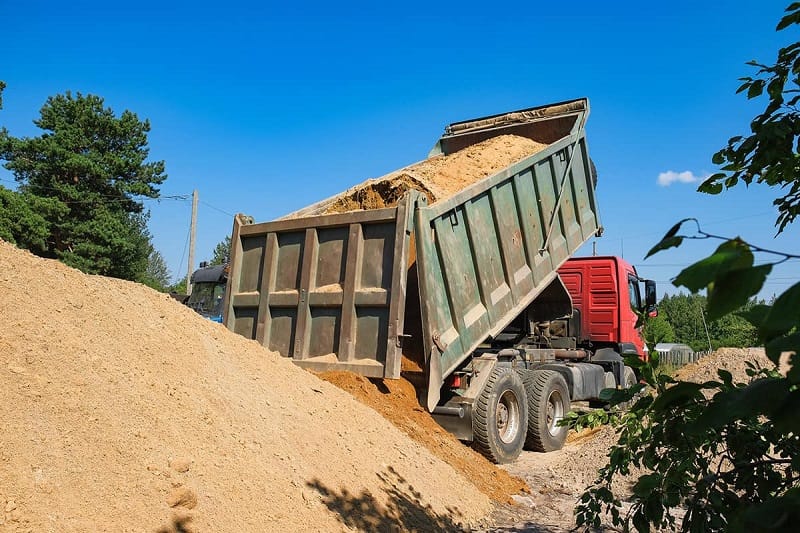
This article will break down the factors that determine the number of yards of dirt a dump truck can hold, offering practical advice and actionable insights to help you manage your earthmoving projects effectively.
Section 1: Understanding Cubic Yards and Types of Dirt
Before diving into dump truck capacities, it's essential to understand the fundamental unit of measurement: the cubic yard. As mentioned earlier, a cubic yard is a three-dimensional measurement equal to 27 cubic feet (3ft x 3ft x 3ft). Visualizing this volume helps in accurately estimating the amount of dirt required for a project.
Furthermore, the type of dirt significantly impacts its weight and how it fills a dump truck. Different types of dirt have varying densities, which affect how many cubic yards a truck can legally carry. Here's a breakdown of common soil types:
- Topsoil: The uppermost layer of soil, rich in organic matter. It's relatively lightweight, typically weighing around 2,000 to 2,500 pounds per cubic yard.
- Clay: Fine-grained soil that retains water well. It's heavier than topsoil, weighing around 2,700 to 3,300 pounds per cubic yard. Clay can also become very sticky when wet, making it difficult to load and unload.
- Sand: Coarse-grained soil with good drainage. It weighs around 2,500 to 3,000 pounds per cubic yard.
- Gravel: A mixture of rock fragments. It's one of the heaviest soil types, weighing around 3,000 to 3,500 pounds per cubic yard.
- Fill Dirt: A general term for dirt used to fill holes or level surfaces. Its composition varies, and its weight depends on the specific materials it contains.

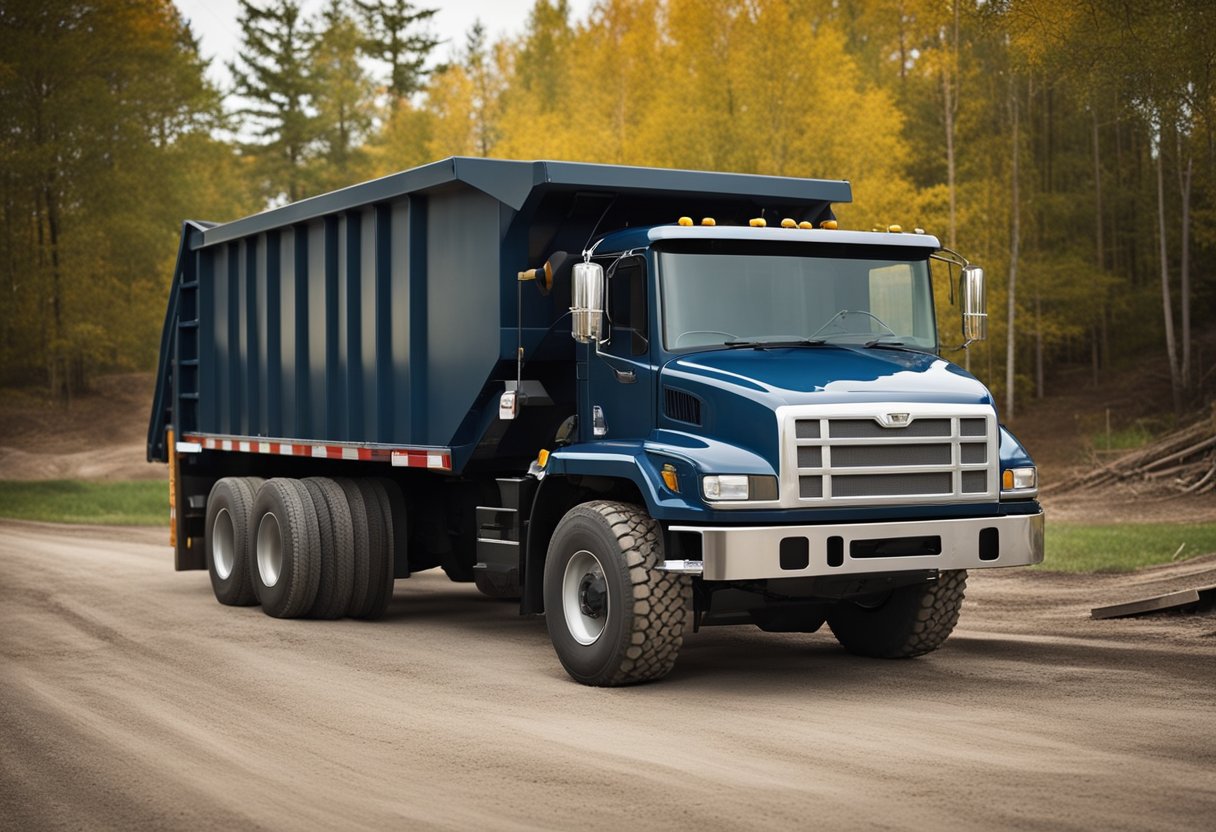
The moisture content of the dirt also affects its weight. Wet dirt is significantly heavier than dry dirt, which can impact the amount a truck can carry without exceeding weight limits.
Section 2: Dump Truck Sizes and Capacities
Dump trucks come in various sizes, each with a different bed capacity. The most common types include:
- Standard Dump Truck (Single Axle): Typically holds 10-14 cubic yards of dirt. However, their legal weight capacity is often reached before the bed is completely full, especially with heavier materials like clay or gravel.
- Tandem Axle Dump Truck: A more common type, often holding 10-16 cubic yards. These trucks have two rear axles, allowing them to carry heavier loads while remaining within legal weight limits.
- Tri-Axle Dump Truck: Larger than tandem axle trucks, they can typically hold 15-20 cubic yards. They are well-suited for hauling large quantities of dirt or other heavy materials.
- Semi-Trailer Dump Truck (Transfer Dump Truck): These are the largest type, capable of hauling 20-25+ cubic yards. They are typically used for large-scale construction or demolition projects.
It's crucial to remember that these are just typical ranges. The actual capacity of a dump truck depends on the specific make, model, and configuration. Always check the manufacturer's specifications and local weight regulations before loading a truck.
Section 3: Factors Affecting the Number of Yards a Dump Truck Can Hold
Several factors determine how many cubic yards of dirt a dump truck can legally and safely carry:
- Truck Bed Size: The physical dimensions of the truck bed directly limit the maximum volume of dirt it can hold.
- Legal Weight Limits: Federal and state regulations impose weight limits on commercial vehicles. These limits vary depending on the number of axles and the type of road. Exceeding these limits can result in fines, penalties, and even the truck being impounded.
- Material Density: As discussed earlier, the type of dirt significantly impacts its weight. Heavier materials like gravel will reduce the number of cubic yards a truck can carry compared to lighter materials like topsoil.
- Moisture Content: Wet dirt is heavier than dry dirt. The more moisture, the fewer cubic yards the truck can legally haul.
- Truck Condition: The condition of the truck's suspension and tires can affect its weight capacity. Worn components may reduce the amount of weight the truck can safely handle.
- Loading Technique: How the dirt is loaded into the truck can also affect the amount it can carry. Uneven loading can create stress points and reduce overall capacity.
Section 4: Estimating Dirt Volume and Truckload Calculations
Accurately estimating the amount of dirt needed or removed is critical for project planning and cost control. Here are some methods for estimating dirt volume:
- Manual Measurement: For smaller areas, you can manually measure the length, width, and depth of the area to be filled or excavated. Multiply these dimensions to calculate the volume in cubic feet, then divide by 27 to convert to cubic yards.
- Online Calculators: Numerous online calculators are available to help you estimate dirt volume. These calculators typically require you to input the dimensions of the area and the depth of the excavation or fill.
- Professional Surveying: For larger or more complex projects, consider hiring a professional surveyor to accurately measure the area and calculate the volume of dirt.
- Software Solutions: CAD software and specialized earthwork estimation programs can provide highly accurate volume calculations for complex terrains.
Once you have an estimate of the total dirt volume, you can calculate the number of truckloads required:
- Determine the Legal Weight Limit: Find the legal weight limit for the type of truck you're using in your area.
- Determine the Empty Truck Weight: Find the empty weight (tare weight) of the truck.
- Calculate the Maximum Payload: Subtract the empty truck weight from the legal weight limit. This is the maximum weight of dirt the truck can legally carry.
- Determine the Weight Per Cubic Yard: Determine the weight per cubic yard of the type of dirt you're hauling (refer to Section 1).
- Calculate the Maximum Cubic Yards: Divide the maximum payload by the weight per cubic yard. This is the maximum number of cubic yards the truck can legally carry.
- Calculate the Number of Truckloads: Divide the total dirt volume by the maximum cubic yards per truckload. Round up to the nearest whole number to ensure you have enough truckloads.
Example:
- Total Dirt Volume: 50 cubic yards of clay
- Truck Type: Tandem Axle Dump Truck
- Legal Weight Limit: 60,000 lbs
- Empty Truck Weight: 25,000 lbs
- Maximum Payload: 60,000 lbs - 25,000 lbs = 35,000 lbs
- Weight Per Cubic Yard of Clay: 3,000 lbs
- Maximum Cubic Yards Per Truckload: 35,000 lbs / 3,000 lbs/yd³ = 11.67 cubic yards
- Number of Truckloads: 50 cubic yards / 11.67 cubic yards/truckload = 4.28 truckloads. Round up to 5 truckloads.
Section 5: Tips for Efficient and Safe Dirt Hauling
- Choose the Right Truck Size: Select a truck size appropriate for the volume of dirt and the project site conditions.
- Load the Truck Evenly: Distribute the dirt evenly throughout the truck bed to prevent stress points and ensure stability.
- Avoid Overloading: Always stay within the legal weight limits to avoid fines, penalties, and safety hazards.
- Use a Tarp: Cover the load with a tarp to prevent dirt from spilling onto the road.
- Communicate Clearly: Ensure clear communication between the loader operator, truck driver, and site personnel.
- Maintain Equipment: Regularly inspect and maintain the truck's tires, brakes, and suspension to ensure safe operation.
- Consider Weather Conditions: Avoid hauling dirt in heavy rain or snow, as it can make the roads slippery and dangerous.
- Plan the Route: Choose the most efficient and safest route to minimize travel time and fuel consumption.
Section 6: Potential Challenges and Solutions
- Unexpected Soil Conditions: The actual soil conditions may differ from initial estimates. Be prepared to adjust your plans and calculations accordingly.
- Limited Access: Tight spaces or uneven terrain can make it difficult to maneuver dump trucks. Consider using smaller trucks or alternative methods of material handling.
- Delays Due to Weather: Inclement weather can halt dirt hauling operations. Factor in potential weather delays when scheduling your project.
- Difficulty Finding Reliable Haulers: Partner with reputable and experienced hauling companies to ensure timely and efficient delivery of dirt.
- Disposal Issues: Ensure you have a proper disposal site for excess dirt and comply with all local regulations.
Table: Yards Of Dirt In Dump Truck Pricing
| Dump Truck Type | Typical Cubic Yard Capacity | Average Cost Per Load (Local) | Average Cost Per Mile (Delivery) | Considerations |
|---|---|---|---|---|
| Standard Dump Truck | 10-14 yd³ | $300 - $500 | $3 - $5 | Suitable for smaller projects; Weight limits matter. |
| Tandem Axle Dump Truck | 10-16 yd³ | $400 - $650 | $3.50 - $5.50 | Most common type; Good balance of capacity/cost. |
| Tri-Axle Dump Truck | 15-20 yd³ | $550 - $800 | $4 - $6 | Larger volume; Requires more space. |
| Semi-Trailer | 20-25+ yd³ | $700 - $1000+ | $4.50 - $7+ | Largest volume; Best for major projects. |
Note: These prices are estimates and can vary based on location, dirt type, demand, and specific hauling company.
Conclusion: Mastering the Art of Dirt Hauling
Understanding "Yards of Dirt in a Dump Truck" is more than just knowing the truck's capacity. It involves a comprehensive understanding of soil types, weight limits, truck sizes, and efficient hauling practices. By carefully considering these factors, you can optimize your earthmoving projects, minimize costs, and ensure safety. Remember to always prioritize safety, follow local regulations, and plan thoroughly to make your next dirt-moving project a success. Ultimately, mastering this aspect of construction and landscaping contributes to the efficient and successful completion of a wide range of projects.
Frequently Asked Questions (FAQ)
Q: How do I know what size dump truck I need?
A: Determine the total volume of dirt you need to move. Then, consider the site access, legal weight limits, and budget. Smaller trucks are suitable for tight spaces and smaller volumes, while larger trucks are more efficient for larger projects with good access.
Q: Can I overload a dump truck?
A: No. Overloading a dump truck is illegal and dangerous. It can result in fines, penalties, and potentially cause accidents. Always stay within the legal weight limits.
Q: How much does it cost to rent a dump truck?
A: Dump truck rental costs vary depending on the size of the truck, the rental duration, and the location. Expect to pay anywhere from $150 to $500 per day for a standard dump truck.
Q: What is the difference between a tandem axle and a tri-axle dump truck?
A: A tandem axle dump truck has two rear axles, while a tri-axle dump truck has three. Tri-axle trucks can carry heavier loads and are generally used for larger projects.
Q: Do I need a special license to drive a dump truck?
A: Yes, you typically need a Commercial Driver's License (CDL) to operate a dump truck, depending on its Gross Vehicle Weight Rating (GVWR). Check your local regulations for specific requirements.
Q: What is "swell" in relation to dirt hauling?
A: Swell refers to the increase in volume that occurs when soil is excavated. When dirt is dug up, it loosens and takes up more space than it did in its compacted state. This swell factor needs to be considered when estimating the amount of dirt that will need to be hauled. A typical swell factor is around 10-20%. Therefore, you need to haul more than the in-place volume you calculated.
Q: How can I find a reputable dirt hauling company?
A: Ask for referrals from contractors or other businesses in your area. Check online reviews and ratings. Ensure the company is licensed and insured. Get multiple quotes to compare prices and services.
By understanding these aspects of "Yards of Dirt in a Dump Truck," you can confidently plan and execute your earthmoving projects, ensuring efficiency, safety, and cost-effectiveness.