Rock lights. The name conjures images of rugged terrain, nighttime off-roading, and a truck bathed in a vibrant, otherworldly glow. More than just a cosmetic addition, rock lights are a functional and stylish upgrade for any truck owner who values safety, visibility, and a touch of personalized flair. This comprehensive guide will delve into the world of rock lights, covering everything you need to know to choose the best set for your truck and your specific needs. From understanding the benefits and features to installation tips and potential challenges, we'll illuminate your path to a brighter, safer, and more stylish ride.
What Are Rock Lights and Why Do You Need Them?
Best Rock Lights For Truck: Illuminate Your Adventure
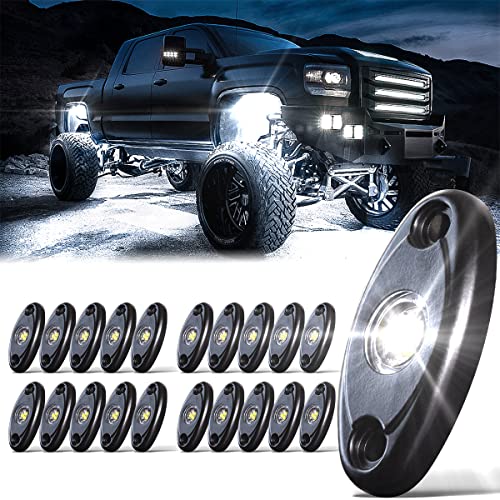
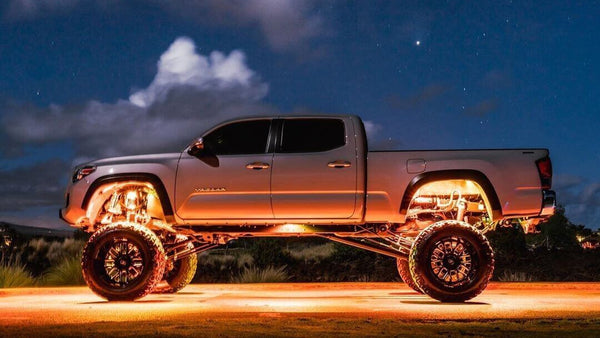
Rock lights are typically small, powerful LED lights designed to be mounted on the undercarriage of your truck. Their primary function is to provide enhanced visibility in low-light conditions, especially when off-roading. They illuminate the ground around your tires, allowing you to see obstacles like rocks, ruts, and branches that could damage your vehicle.
But their utility extends beyond off-roading. Rock lights can also be incredibly useful for:
- Safety: Increased visibility in parking lots, on dimly lit roads, and in emergency situations.
- Convenience: Making it easier to load and unload cargo in the dark.
- Aesthetics: Adding a unique and personalized look to your truck.
- Work Lighting: Providing additional light for repairs or maintenance tasks performed under the vehicle.
Benefits of Installing Rock Lights on Your Truck
Beyond the basic functionality, rock lights offer a multitude of benefits that make them a worthwhile investment for truck owners:
- Enhanced Visibility: The most significant benefit. Rock lights provide crucial illumination for navigating challenging terrain and avoiding potential hazards.
- Improved Safety: By increasing your visibility, rock lights reduce the risk of accidents, especially in low-light or off-road environments.
- Protection from Damage: By clearly showing obstacles, rock lights help you avoid costly damage to your tires, suspension, and undercarriage.
- Customization: Rock lights come in a variety of colors, allowing you to personalize the look of your truck and express your individual style.
- Increased Resale Value: Well-chosen and properly installed rock lights can add to the overall appeal and resale value of your truck.
- Enhanced Functionality: Making tasks like hooking up trailers or accessing under-vehicle components easier and safer in the dark.
Choosing the Right Rock Lights: Key Considerations
Selecting the best rock lights for your truck involves careful consideration of several factors:
- Brightness (Lumens): Lumens measure the total amount of visible light emitted. Higher lumens translate to brighter lights. Consider the type of terrain you'll be navigating. For moderate trails, 1000-2000 lumens per light might suffice. For more challenging and darker environments, opt for 2000+ lumens.
- Durability: Rock lights are exposed to harsh conditions, so durability is crucial. Look for lights made from robust materials like aluminum or polycarbonate, with a waterproof and dustproof rating (IP67 or higher).
- Color: Rock lights are available in a wide range of colors, from classic white and amber to vibrant blues, greens, and reds. Consider the legal restrictions in your area regarding colored lights on vehicles. Some states prohibit certain colors while driving on public roads.
- Number of Lights: The number of lights you need depends on the size of your truck and the desired level of illumination. A standard setup usually involves four to eight lights, strategically placed under the vehicle.
- Wiring and Installation: Rock lights come in various wiring configurations, including hardwired and wireless options. Consider your technical skills and the complexity of the installation process.
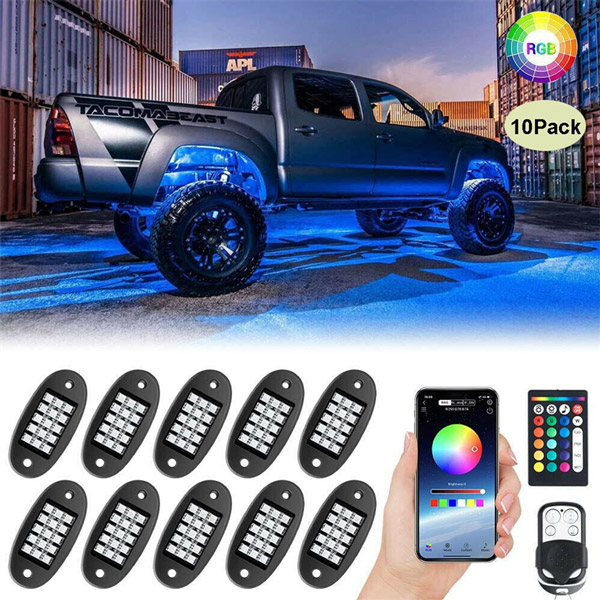
- Control Options: Some rock light kits offer remote control or Bluetooth connectivity, allowing you to adjust the brightness, color, and lighting patterns from your smartphone.
- Warranty: A good warranty provides peace of mind and protects you against defects in materials or workmanship.
- Price: Rock light kits vary significantly in price, depending on the quality, features, and brand. Set a budget and compare different options within your price range.
Types of Rock Lights: A Quick Overview
While most rock lights share a similar design, there are subtle differences in their construction and features:
- Standard LED Rock Lights: These are the most common type, offering a balance of brightness, durability, and affordability.
- RGB Rock Lights: These lights offer a full spectrum of colors, allowing you to customize the look of your truck with a wide range of hues.
- RGBW Rock Lights: Similar to RGB lights, but with the addition of a dedicated white LED for a brighter and purer white light output.
- Strobe/Flash Rock Lights: These lights offer a strobe or flashing function, which can be useful for emergency situations or adding a unique visual effect.
- Wireless Rock Lights: These lights connect wirelessly to a control module, simplifying the installation process and eliminating the need for extensive wiring. However, they may be more expensive.
Installation Guide: Step-by-Step
Installing rock lights can be a DIY project, but it requires some basic mechanical skills and knowledge of automotive wiring. If you're not comfortable working on your vehicle, it's best to hire a professional.
Tools You'll Need:
- Rock light kit
- Drill and drill bits
- Wire stripper and crimper
- Electrical tape or heat shrink tubing
- Zip ties
- Screwdrivers
- Multimeter (optional)
- Safety glasses
- Gloves
Installation Steps:
- Plan Your Layout: Determine the best locations for your rock lights, considering factors like tire clearance, suspension components, and accessibility for wiring.
- Prepare the Mounting Surfaces: Clean the areas where you'll be mounting the lights to ensure proper adhesion.
- Drill Mounting Holes: Use a drill to create mounting holes for the lights, following the instructions provided in the rock light kit.
- Mount the Lights: Secure the lights to the mounting surfaces using screws or bolts.
- Run the Wiring: Carefully run the wiring from each light to a central location, avoiding any moving parts or areas that could be exposed to excessive heat.
- Connect the Wiring: Connect the wires to the control module or power source, following the wiring diagram provided in the rock light kit.
- Test the Lights: Before securing all the wiring, test the lights to ensure they're working properly.
- Secure the Wiring: Use zip ties to secure the wiring and prevent it from dangling or rubbing against any components.
- Waterproof Connections: Use electrical tape or heat shrink tubing to waterproof all connections.
- Final Check: Double-check all connections and mounting points to ensure everything is secure.
Tips for a Successful Installation
- Read the Instructions: Always read the instructions provided with your rock light kit carefully before starting the installation process.
- Plan Ahead: Take the time to plan your layout and wiring route before drilling any holes or connecting any wires.
- Use Proper Wiring Techniques: Use proper wiring techniques to ensure a secure and reliable connection.
- Protect the Wiring: Protect the wiring from damage by using zip ties and routing it away from moving parts and heat sources.
- Test Before Securing: Test the lights before securing all the wiring to ensure they're working properly.
- Waterproof Connections: Waterproof all connections to prevent corrosion and ensure long-lasting performance.
Potential Challenges and Solutions
- Finding Suitable Mounting Locations: Some trucks may have limited mounting locations. Consider using custom brackets or adapters to create suitable mounting points.
- Wiring Complexity: Wiring can be complex, especially with RGB or RGBW lights. Take your time and follow the wiring diagram carefully.
- Waterproofing Issues: Inadequate waterproofing can lead to corrosion and failure. Use high-quality electrical tape or heat shrink tubing to waterproof all connections.
- Compatibility Issues: Some rock light kits may not be compatible with certain truck models. Check the compatibility information before purchasing.
Conclusion: Light Up Your Adventure
Rock lights are more than just an aesthetic upgrade; they're a practical and valuable addition to any truck, enhancing safety, visibility, and functionality. By carefully considering your needs, budget, and technical skills, you can choose the best rock lights for your truck and enjoy the benefits of a brighter, safer, and more stylish ride. So, illuminate your adventure and experience the world from a whole new perspective with a set of high-quality rock lights.
Price Table for Best Rock Lights For Truck
| Brand | Product Name | Lumens (per light) | Features | Price (USD) |
|---|---|---|---|---|
| Nilight | Rock Lights 8 Pods | 1200 | Waterproof, RGB, Bluetooth Control | $35 - $45 |
| MICTUNING | RGB LED Rock Lights with Wiring Kit | 1600 | Multi-Color, Music Mode, App Control | $40 - $55 |
| Xprite | White LED Rock Lights Kit | 1800 | Super Bright, Waterproof, Durable | $30 - $40 |
| SUNPIE | RGBW LED Rock Lights | 2000 | RGBW Color, App Control, Waterproof | $50 - $65 |
| LX-LIGHT | LED Rock Lights | 1500 | Waterproof, Aluminum Housing, Easy Installation | $25 - $35 |
| Heise | HE-RGBW8 RGBW Rock Light Kit | 2500 | RGBW Color, App Control, High-Intensity LEDs | $80 - $100 |
| Baja Designs | Rock Light | 1450 | Wide-Angle Beam, Rugged Construction, IP69K Waterproof | $150 - $200 (per light) |
| KC HiLiTES | Cyclone LED Rock Light Kit | 513 | Compact Design, Multi-Purpose, IP68 Rated | $100 - $130 |
Frequently Asked Questions (FAQ)
-
Are rock lights legal?
- The legality of rock lights varies by state and local regulations. Check your local laws regarding colored lights and their usage on public roads.
-
What is the best color for rock lights?
- White and amber are generally considered the safest and most practical colors for rock lights, as they provide good visibility without being distracting. However, personal preference and local regulations will ultimately determine the best color for you.
-
How many rock lights do I need?
- A standard setup typically involves four to eight lights, strategically placed under the vehicle. However, the number of lights you need depends on the size of your truck and the desired level of illumination.
-
Can I install rock lights myself?
- Yes, installing rock lights can be a DIY project, but it requires some basic mechanical skills and knowledge of automotive wiring. If you're not comfortable working on your vehicle, it's best to hire a professional.
-
How do I waterproof rock lights?
- Use high-quality electrical tape or heat shrink tubing to waterproof all connections. Ensure that all connections are properly sealed to prevent corrosion and ensure long-lasting performance.
-
What is the difference between RGB and RGBW rock lights?
- RGB rock lights offer a full spectrum of colors, allowing you to customize the look of your truck. RGBW rock lights are similar, but with the addition of a dedicated white LED for a brighter and purer white light output.
-
How do I control RGB rock lights?
- Most RGB rock light kits come with a remote control or Bluetooth connectivity, allowing you to adjust the brightness, color, and lighting patterns from your smartphone.
-
Are wireless rock lights worth the extra cost?
- Wireless rock lights simplify the installation process and eliminate the need for extensive wiring. However, they may be more expensive than traditional hardwired lights. Consider your budget and technical skills when deciding whether wireless lights are worth the extra cost.
-
How do I choose the right brightness for my rock lights?
- Consider the type of terrain you'll be navigating. For moderate trails, 1000-2000 lumens per light might suffice. For more challenging and darker environments, opt for 2000+ lumens.
-
What is an IP rating?
- IP (Ingress Protection) rating is a standard that defines the level of protection an electrical enclosure provides against solid objects and liquids. A higher IP rating indicates better protection. Look for lights with an IP67 or higher rating for optimal durability.