Dually trucks, also known as dual-rear-wheel (DRW) trucks, are the heavy-duty workhorses of the automotive world. They're built for serious towing and hauling, from transporting heavy equipment and livestock to pulling large trailers and campers. However, the unique configuration of two tires on each side of the rear axle presents specific challenges and considerations when it comes to tire selection. Choosing the right tires for your dually truck is crucial for safety, performance, fuel efficiency, and longevity. This comprehensive guide will walk you through everything you need to know to make an informed decision and ensure your dually is running smoothly and efficiently.
Why Tire Choice Matters for Dually Trucks
Best Tires For Dually Truck: A Comprehensive Guide to Choosing the Right Rubber
Unlike single-rear-wheel trucks, duallys distribute weight across a larger surface area, improving stability and load-carrying capacity. However, this also means that tire pressure and proper fitment are even more critical. Here's why:
- Load Capacity: Dually tires must be able to handle the considerable weight your truck is designed to carry. Overloading tires can lead to premature wear, tire failure, and dangerous blowouts.
- Tire Wear: Uneven tire wear is a common issue with duallys. Improper inflation, misalignment, and mismatched tires can all contribute to this problem.
- Handling and Stability: The right tires will provide optimal traction and stability, especially when towing or hauling heavy loads.
- Fuel Efficiency: Rolling resistance is a major factor in fuel consumption. Choosing fuel-efficient tires can save you money at the pump.
- Safety: Properly inflated and maintained tires are essential for safe driving, especially under heavy loads.

Understanding Tire Specifications
Before diving into specific tire recommendations, it's important to understand the key specifications found on the tire sidewall.
- Tire Size: This is the most critical specification. For example, LT235/85R16 indicates a Light Truck (LT) tire, with a section width of 235 millimeters, an aspect ratio of 85 (sidewall height as a percentage of section width), Radial (R) construction, and a rim diameter of 16 inches. Always adhere to the tire size recommended by your truck manufacturer.
- Load Range (or Ply Rating): This indicates the tire's load-carrying capacity. Common load ranges for dually trucks are E (10-ply rated) and F (12-ply rated). Higher load ranges can handle more weight. Check your truck's door jamb sticker for the recommended load range.
- Load Index: A numerical code that corresponds to the maximum weight a single tire can carry at its maximum inflation pressure.
- Speed Rating: An alphabetical code indicating the maximum speed at which the tire is designed to operate.
- Treadwear Rating: A relative rating indicating the tire's expected lifespan compared to a standard reference tire. A higher number suggests a longer lifespan.
- Traction Rating: An alphabetical rating (AA, A, B, C) indicating the tire's ability to stop on wet pavement. AA is the highest rating.
- Temperature Rating: An alphabetical rating (A, B, C) indicating the tire's resistance to heat buildup. A is the highest rating.
- DOT Code: Indicates the tire's date of manufacture. Avoid purchasing tires that are several years old.
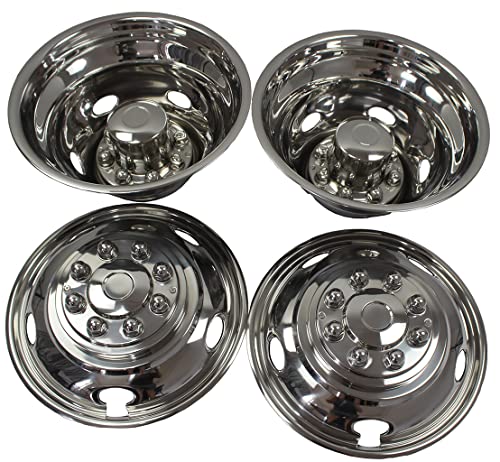

Types of Tires for Dually Trucks
The best type of tire for your dually depends on your driving conditions and needs. Here's a breakdown of common options:
- Highway Tires: Designed for smooth, quiet rides and long tread life on paved roads. They typically offer good fuel efficiency. Ideal for drivers who primarily use their dually for commuting and light towing.
- All-Terrain Tires: A versatile option that balances on-road comfort with off-road capability. They provide better traction on gravel, dirt, and snow than highway tires. A good choice for drivers who occasionally venture off-pavement.
- Mud-Terrain Tires: Designed for extreme off-road conditions, with aggressive tread patterns for maximum traction in mud, rocks, and snow. They tend to be noisy on the highway and wear more quickly than other types.
- Commercial Tires: Specifically designed for heavy-duty use and long-distance hauling. They often feature reinforced construction and durable compounds for extended tread life.
Factors to Consider When Choosing Tires
Beyond the type of tire, consider these factors when making your selection:
- Load Requirements: Determine the maximum weight you'll be carrying or towing. Choose tires with a load range and load index that meets or exceeds your needs.
- Driving Conditions: Consider the types of roads you'll be driving on (highway, gravel, dirt, snow).
- Climate: If you live in an area with severe winter weather, consider tires with the "3 Peak Mountain Snowflake" symbol, indicating they meet specific snow traction requirements.
- Budget: Tire prices vary widely. Balance your needs with your budget.
- Tire Reviews: Research online reviews to see what other dually owners are saying about different tire brands and models.
Top Tire Recommendations for Dually Trucks (Illustrative Examples)
Note: This is not an exhaustive list, and specific recommendations may vary based on your truck model, driving conditions, and budget. Always consult with a tire professional for personalized advice.
- Michelin LTX M/S2: A popular highway tire known for its long tread life, quiet ride, and excellent handling. A great choice for dually owners who primarily drive on paved roads.
- Goodyear Wrangler TrailRunner AT: A solid all-terrain option that offers a good balance of on-road comfort and off-road traction.
- BFGoodrich All-Terrain T/A KO2: Another highly regarded all-terrain tire known for its durability and aggressive tread pattern.
- Cooper Discoverer AT3 XLT: A well-rounded all-terrain tire that provides good traction in various conditions and a comfortable ride.
- Toyo Open Country H/T: A durable highway tire with excellent wet traction and a long tread life, making it suitable for heavy-duty hauling.
Maintaining Your Dually Tires
Proper tire maintenance is essential for safety, performance, and longevity.
- Check Tire Pressure Regularly: Use a reliable tire pressure gauge and inflate your tires to the recommended pressure (found on your truck's door jamb sticker or in the owner's manual). Check tire pressure at least once a month and before any long trips.
- Rotate Your Tires: Regular tire rotation helps ensure even wear. Consult your owner's manual for the recommended rotation pattern.
- Inspect Your Tires Regularly: Look for signs of wear, damage, or uneven wear patterns.
- Get Your Wheels Aligned: Proper wheel alignment is crucial for even tire wear and optimal handling.
- Balance Your Tires: Balanced tires provide a smoother ride and reduce vibration.
- Avoid Overloading Your Truck: Exceeding your truck's weight limits can damage your tires and compromise safety.
Potential Challenges and Solutions
- Uneven Tire Wear: Ensure proper inflation, regular tire rotation, and proper wheel alignment.
- Tire Rubbing: If you're running larger-than-stock tires, they may rub against the wheel wells or suspension components. Consider using wheel spacers or a leveling kit to provide more clearance.
- Finding the Right Tire Pressure: Experiment with different tire pressures to find the optimal balance between ride comfort, handling, and fuel efficiency.
Price Table for Dually Truck Tires (Illustrative)
| Tire Brand & Model | Tire Size | Load Range | Estimated Price (per tire) | Key Features |
|---|---|---|---|---|
| Michelin LTX M/S2 | LT235/85R16 | E | $250 - $300 | Long tread life, quiet ride, excellent highway handling |
| Goodyear Wrangler TrailRunner AT | LT235/85R16 | E | $200 - $250 | Good balance of on-road and off-road performance |
| BFGoodrich All-Terrain T/A KO2 | LT235/85R16 | E | $220 - $280 | Durable, aggressive tread pattern, good off-road traction |
| Cooper Discoverer AT3 XLT | LT235/85R16 | E | $190 - $240 | Comfortable ride, good traction in various conditions |
| Toyo Open Country H/T | LT235/85R16 | E | $210 - $260 | Durable, excellent wet traction, long tread life, suitable for heavy hauling |
Note: Prices are approximate and may vary depending on the retailer and location.
Conclusion
Choosing the right tires for your dually truck is a critical decision that impacts safety, performance, and overall ownership experience. By understanding tire specifications, considering your driving conditions and needs, and following proper maintenance practices, you can ensure that your dually is running smoothly and efficiently for years to come. Don't hesitate to consult with a tire professional for personalized advice and recommendations tailored to your specific truck and driving requirements. Invest in quality tires and prioritize their maintenance – it's an investment in your safety and the longevity of your valuable dually truck.
Frequently Asked Questions (FAQ)
- Q: Can I use different brands of tires on my dually?
- A: It's generally recommended to use the same brand and model of tires on all four rear wheels to ensure consistent handling and wear.
- Q: What is the correct tire pressure for my dually?
- A: The recommended tire pressure can be found on your truck's door jamb sticker or in the owner's manual. Always adhere to these recommendations.
- Q: How often should I rotate my dually tires?
- A: Consult your owner's manual for the recommended rotation interval. A typical interval is every 5,000 to 7,000 miles.
- Q: Can I use a single tire on each side of the rear axle instead of dual tires?
- A: It is strongly discouraged to remove one tire from each side of a dually axle and operate it as a single-rear-wheel vehicle. The axle and suspension are designed for the load distribution of dual tires. Doing so is unsafe and can lead to mechanical failure.
- Q: What does LT mean on a tire?
- A: LT stands for "Light Truck," indicating that the tire is designed for use on pickup trucks and SUVs.
- Q: What is the difference between load range E and load range F tires?
- A: Load range E tires have a 10-ply rating, while load range F tires have a 12-ply rating. Load range F tires have a higher load-carrying capacity than load range E tires.
- Q: Where can I find the DOT code on my tires?
- A: The DOT code is located on the sidewall of the tire. It's a series of letters and numbers that provide information about the tire's manufacturer, plant code, tire size, and date of manufacture.