Hotshot trucking, a specialized segment of the transportation industry, demands reliability, efficiency, and above all, safety. Unlike long-haul trucking, hotshot operations typically involve smaller loads, shorter distances, and a faster turnaround time. This often means utilizing heavy-duty pickup trucks or smaller commercial vehicles pulling trailers. While a powerful engine and robust drivetrain are crucial, the unsung hero of a successful hotshot operation is the right set of tires. Choosing the best tires for hotshot trucking can significantly impact fuel efficiency, handling, longevity, and ultimately, your bottom line. This comprehensive guide will delve into the intricacies of selecting the optimal tires to keep your hotshot business rolling.
Why Tire Selection Matters in Hotshot Trucking
Best Tires For Hotshot Trucking: A Comprehensive Guide to Maximizing Performance and Profit
Think of your tires as the foundation of your business. They are the only point of contact between your vehicle and the road, directly influencing:
- Fuel Efficiency: Rolling resistance is a major factor in fuel consumption. The right tires can minimize rolling resistance, saving you money on every mile.
- Handling and Stability: Hotshot loads can vary in weight and distribution. Proper tires provide the necessary stability and handling to maintain control, especially in challenging weather conditions.
- Safety: Reliable tires with adequate tread depth are crucial for safe braking, cornering, and preventing blowouts.
- Tire Life: Hotshot trucking puts significant strain on tires. Choosing durable, high-quality tires will extend their lifespan, reducing replacement costs.
- Ride Comfort: While often overlooked, tire quality significantly impacts ride comfort, especially on long hauls. A smoother ride reduces driver fatigue.
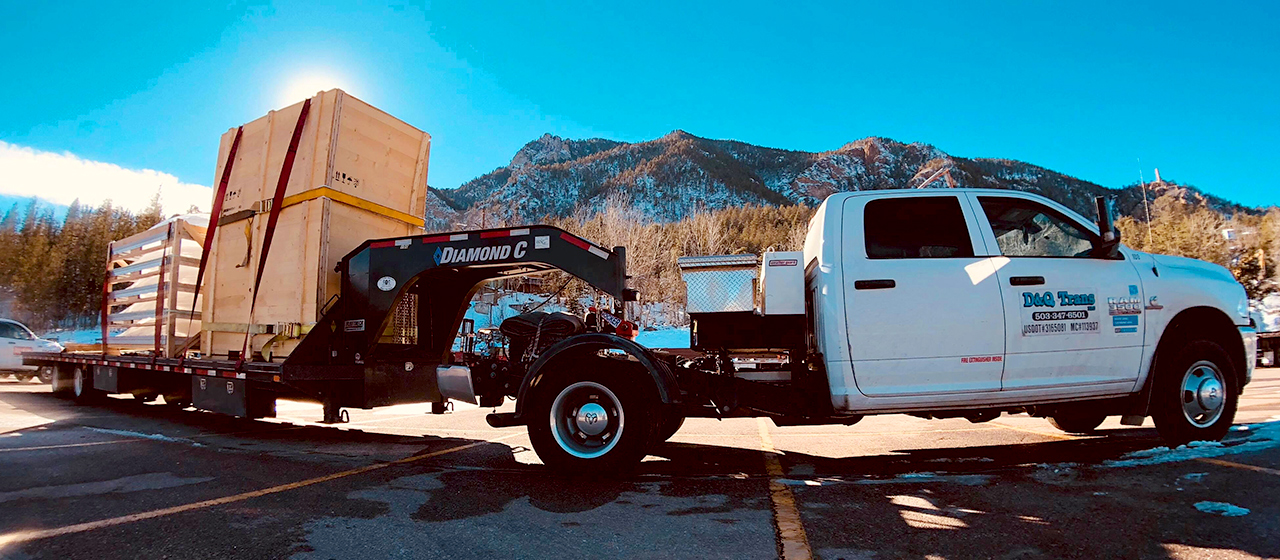
Choosing the wrong tires can lead to increased fuel costs, poor handling, premature wear, and even dangerous situations. Therefore, careful consideration is paramount.
Key Considerations When Choosing Hotshot Trucking Tires
Before diving into specific tire recommendations, let's examine the key factors you need to consider:

Load Rating (Load Index): This is arguably the most critical factor. Your tires MUST have a load rating sufficient to handle the maximum weight of your truck, trailer, and cargo combined. Consult your vehicle's owner's manual and the trailer's weight specifications. Exceeding the load rating is extremely dangerous and can lead to tire failure.
-
Tire Size: Stick to the tire size recommended by your vehicle manufacturer. Deviating from the recommended size can affect speedometer accuracy, handling, and potentially damage your vehicle's suspension.
-
Tire Type: Several tire types are suitable for hotshot trucking, each with its own advantages and disadvantages:
- Highway Tires: Designed for smooth, paved roads, offering excellent fuel efficiency and a quiet ride. Ideal for hotshot operations primarily focused on highway driving.
- All-Terrain Tires: A versatile option that balances on-road comfort with off-road capability. Suitable for hotshot operations that occasionally encounter gravel roads or light off-road conditions.
- All-Season Tires: Designed to perform well in a variety of weather conditions, including light snow. A decent compromise, but may not excel in extreme conditions.
- Commercial Truck Tires (LT Tires): These tires are specifically designed for heavy-duty applications and are a good option for hotshot trucks that consistently haul heavy loads.
-
Tread Pattern: The tread pattern affects traction, noise levels, and water dispersal. Aggressive tread patterns offer better grip in off-road conditions but can be noisier on the highway.
-
Tire Construction: Radial tires are the most common type, offering superior handling, fuel efficiency, and tread life compared to bias-ply tires.
-
Tire Pressure: Maintaining proper tire pressure is crucial for optimal performance, fuel efficiency, and tire life. Check your tire pressure regularly, especially before long hauls. Consult your vehicle's door placard or owner's manual for the recommended tire pressure.
-
Climate and Terrain: Consider the typical weather conditions and terrain you'll be driving in. If you frequently encounter snow or ice, consider winter tires or all-weather tires.
-
Budget: Tire prices can vary significantly. While it's tempting to opt for the cheapest option, remember that quality tires offer better performance, safety, and longevity. Invest in the best tires you can afford.

Top Tire Recommendations for Hotshot Trucking
While specific recommendations will depend on your individual needs and vehicle, here are some popular and highly-rated tire options for hotshot trucking:
- Michelin LTX M/S2: A popular choice for highway driving, offering excellent fuel efficiency, a quiet ride, and long tread life. Known for its durability and consistent performance.
- Bridgestone Duravis R250: A durable commercial tire designed for long-haul applications. Offers excellent load-carrying capacity and resistance to wear.
- Goodyear Wrangler DuraTrac: An aggressive all-terrain tire that provides excellent traction in a variety of conditions, including mud, snow, and gravel. Suitable for hotshot operations that occasionally encounter challenging terrain.
- Firestone Transforce HT: A highway tire designed for commercial vehicles. Offers good fuel efficiency, handling, and tread life.
- Continental TerrainContact H/T: A premium highway tire that provides a comfortable ride, excellent handling, and long tread life.
Maintaining Your Tires for Optimal Performance
Proper tire maintenance is crucial for maximizing tire life, ensuring safety, and maintaining fuel efficiency. Here are some essential maintenance tips:
- Regular Tire Pressure Checks: Check your tire pressure at least once a week, and always before long hauls. Use a reliable tire pressure gauge.
- Tire Rotation: Rotate your tires every 5,000 to 8,000 miles to ensure even wear.
- Wheel Alignment: Ensure your wheels are properly aligned to prevent uneven tire wear and improve handling.
- Tire Balancing: Have your tires balanced when you rotate them to prevent vibrations and ensure a smooth ride.
- Regular Inspections: Inspect your tires regularly for signs of damage, such as cuts, bulges, or uneven wear.
- Avoid Overloading: Never exceed the maximum load rating of your tires.
- Proper Storage: If you're storing tires, keep them in a cool, dry place away from direct sunlight.
Potential Challenges and Solutions
- Blowouts: Blowouts can be caused by underinflation, overloading, or tire damage. Regularly inspect your tires and maintain proper tire pressure to minimize the risk of blowouts.
- Uneven Wear: Uneven tire wear can be caused by improper inflation, wheel misalignment, or worn suspension components. Address these issues promptly to prevent premature tire wear.
- High Fuel Costs: High fuel costs can be partially attributed to rolling resistance. Choosing fuel-efficient tires and maintaining proper tire pressure can help reduce fuel consumption.
Price Table
| Tire Model | Tire Type | Load Rating | Price (Approx. per Tire) | Key Features |
|---|---|---|---|---|
| Michelin LTX M/S2 | Highway | Varies | $200 - $350 | Excellent fuel efficiency, quiet ride, long tread life |
| Bridgestone Duravis R250 | Commercial Truck | Varies | $250 - $400 | Durable, high load capacity, wear-resistant |
| Goodyear Wrangler DuraTrac | All-Terrain | Varies | $220 - $380 | Aggressive tread, excellent traction in various conditions |
| Firestone Transforce HT | Highway | Varies | $180 - $300 | Good fuel efficiency, handling, and tread life |
| Continental TerrainContact H/T | Highway | Varies | $210 - $360 | Comfortable ride, excellent handling, long tread life |
Note: Prices are approximate and may vary depending on tire size, retailer, and current promotions.
Frequently Asked Questions (FAQ)
-
Q: How do I determine the correct load rating for my tires?
- A: Consult your vehicle's owner's manual and the trailer's weight specifications. The load rating must be sufficient to handle the maximum weight of your truck, trailer, and cargo combined.
-
Q: What is the best tire pressure for hotshot trucking?
- A: The recommended tire pressure is typically found on a sticker on your vehicle's doorjamb or in the owner's manual. Always use the manufacturer's recommended tire pressure, not the maximum pressure listed on the tire sidewall.
-
Q: How often should I rotate my tires?
- A: Rotate your tires every 5,000 to 8,000 miles to ensure even wear.
-
Q: Can I use passenger car tires on my hotshot truck?
- A: No. Passenger car tires are not designed to handle the weight and stress of hotshot trucking. You must use light truck (LT) or commercial truck tires with the appropriate load rating.
-
Q: What are the signs of a bad tire?
- A: Signs of a bad tire include cuts, bulges, uneven wear, excessive vibration, and difficulty maintaining tire pressure.
Conclusion
Choosing the best tires for hotshot trucking is a critical decision that can significantly impact your business's profitability, safety, and overall success. By carefully considering the factors outlined in this guide, researching different tire options, and prioritizing regular maintenance, you can equip your vehicle with tires that will deliver optimal performance, longevity, and peace of mind on the road. Remember, investing in quality tires is an investment in your business's future. So, do your research, make an informed decision, and keep those wheels turning!