The Toyota Tundra is a workhorse, a reliable companion for hauling, towing, and tackling tough terrain. But even the mightiest Tundra is rendered useless without a healthy, robust battery. Choosing the best truck battery for your Toyota Tundra is a crucial decision that impacts its starting reliability, performance, and overall lifespan. This article will guide you through the key considerations, top contenders, and everything you need to know to make an informed choice, ensuring your Tundra is always ready to roar to life.
Why the Right Battery Matters for Your Tundra:
Best Truck Battery For Toyota Tundra: Powering Your Performance
Your Tundra's battery isn't just for starting the engine. It powers a multitude of electrical systems, including:
- Starting the Engine: This is the primary function, requiring a high burst of power (Cold Cranking Amps - CCA).
- Running Electronics: Your Tundra's infotainment system, lights, power windows, and other accessories draw power from the battery.
- Supporting the Alternator: The battery assists the alternator when the electrical demand is high, preventing voltage drops and potential damage to sensitive electronics.
- Providing Backup Power: In the event of alternator failure, the battery provides temporary power to keep essential systems running.
A weak or unsuitable battery can lead to frustrating starting problems, dimmed headlights, sluggish performance, and even damage to your Tundra's electrical system. Investing in the right battery is an investment in your Tundra's reliability and longevity.
Understanding Key Battery Specifications:
Before diving into specific battery recommendations, let's define some crucial battery specifications:
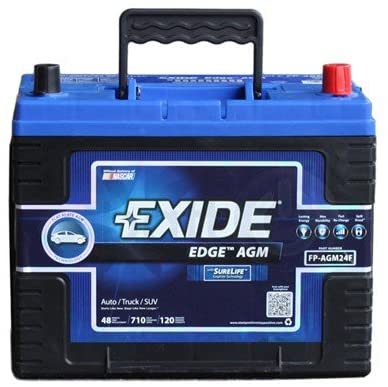
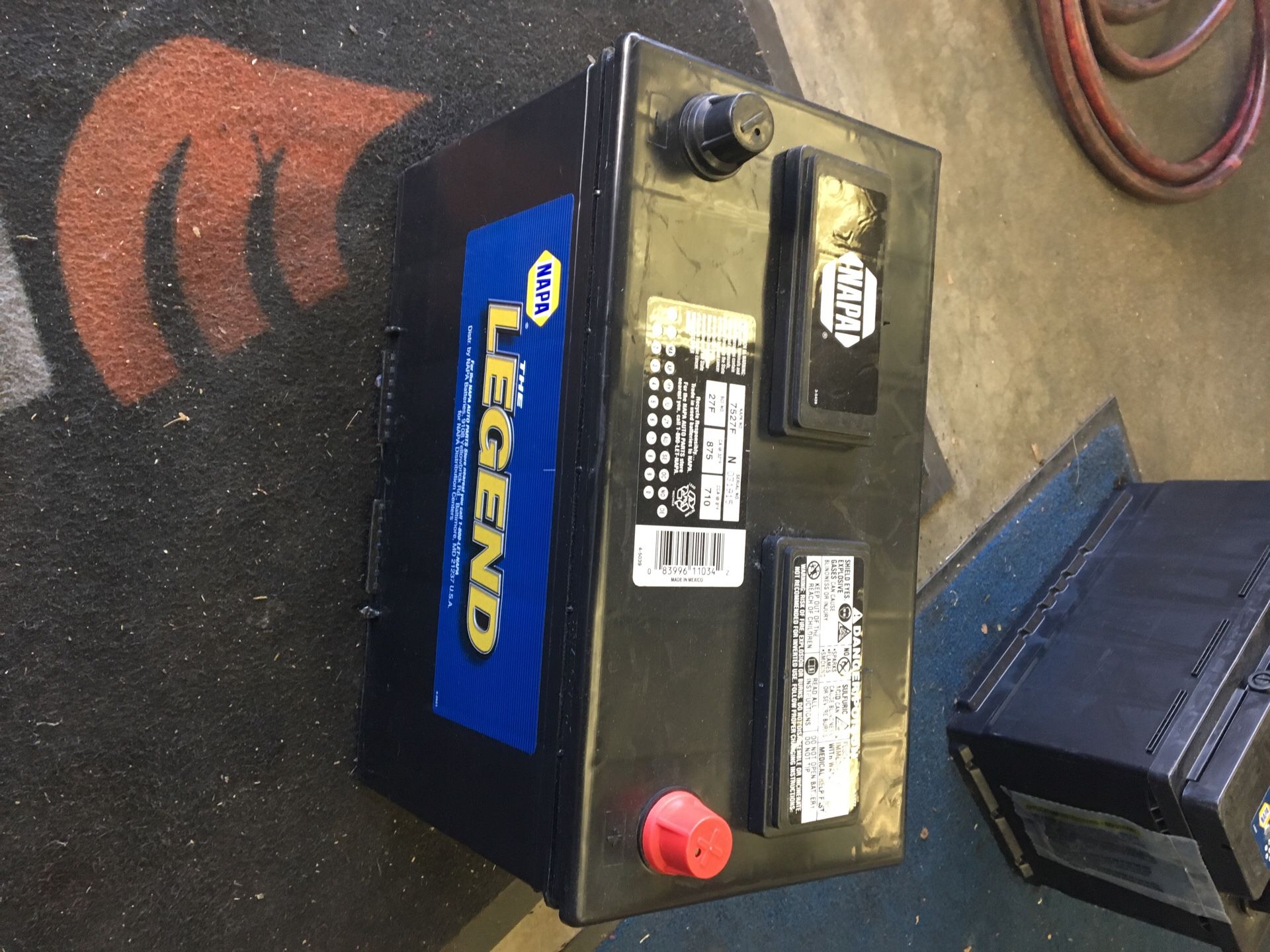
- Group Size: This refers to the battery's physical dimensions. Your Tundra requires a specific group size to fit properly in the battery tray and connect to the terminals. Check your owner's manual or the existing battery for the correct group size. Typically, Group 24F, 27F, and 31 are common for Toyota Tundras, but always verify.
- Cold Cranking Amps (CCA): This measures the battery's ability to deliver a high current for 30 seconds at 0°F (-18°C) without dropping below a specified voltage. A higher CCA rating is beneficial, especially in cold climates.
- Reserve Capacity (RC): This indicates how long the battery can continuously supply a specified current (usually 25 amps) before the voltage drops below a usable level. A higher RC rating is valuable for running accessories with the engine off.
- Amp-Hour (Ah): This measures the battery's total energy storage capacity. A higher Ah rating means the battery can provide power for a longer duration.
- Battery Type: The two main types are lead-acid (flooded, AGM) and lithium-ion. AGM (Absorbent Glass Mat) batteries are more durable, vibration-resistant, and maintenance-free than traditional flooded lead-acid batteries. Lithium-ion batteries are lighter and offer higher energy density but are significantly more expensive.
Top Battery Contenders for Your Toyota Tundra:
Here are some of the best battery options for your Toyota Tundra, considering performance, durability, and value:
-
Optima RedTop (AGM): Known for its exceptional starting power and vibration resistance, the Optima RedTop is a popular choice for Tundra owners who demand reliable performance. However, it's primarily designed for starting power and may not be the best choice for heavy accessory use.
-
Optima YellowTop (AGM): The YellowTop is a dual-purpose battery, excelling at both starting power and deep cycling. This makes it ideal for Tundras with aftermarket accessories like winches, lights, or sound systems. It's also more tolerant of repeated discharge cycles.
-
Odyssey Battery (AGM): Odyssey batteries are renowned for their rugged construction, high CCA ratings, and long lifespan. They are a premium option for Tundra owners who prioritize reliability and durability, especially in demanding conditions.
-
NorthStar Battery (AGM): Similar to Odyssey, NorthStar batteries offer exceptional performance, long lifespan, and vibration resistance. They are built to withstand harsh environments and provide consistent power.
-
DieHard Platinum (AGM): DieHard Platinum batteries are a solid choice for Tundra owners seeking a balance between performance and value. They offer good starting power, decent reserve capacity, and are readily available.
-
XS Power Batteries (AGM): XS Power specializes in high-performance batteries designed for demanding applications. They offer a wide range of batteries with high CCA and Ah ratings, making them suitable for Tundras with extensive electrical modifications.
Factors to Consider When Choosing a Battery:
- Climate: If you live in a region with extreme temperatures, choose a battery with a high CCA rating (for cold climates) and a good heat tolerance (for hot climates).
- Accessory Usage: If you frequently use accessories with the engine off, opt for a battery with a high reserve capacity.
- Driving Habits: If you primarily drive short distances, the battery may not have enough time to fully recharge. Consider a dual-purpose battery that can handle frequent discharge cycles.
- Budget: Battery prices vary significantly. Set a budget and choose a battery that offers the best performance and features within your price range.
- Warranty: Check the battery's warranty terms and conditions. A longer warranty provides peace of mind and protection against premature failure.
Installation Tips and Safety Precautions:
- Gather Tools: You'll need a wrench (usually 10mm or 13mm) to loosen the battery terminals, a battery terminal cleaner, and possibly a battery terminal puller.
- Safety First: Wear safety glasses and gloves to protect yourself from battery acid.
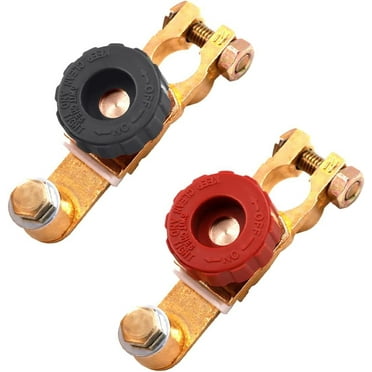
- Disconnect the Old Battery: Disconnect the negative (-) terminal first, followed by the positive (+) terminal.
- Clean the Terminals: Use a battery terminal cleaner to remove corrosion from the terminals and cable ends.
- Install the New Battery: Place the new battery in the tray and secure it with the hold-down clamp.
- Connect the Terminals: Connect the positive (+) terminal first, followed by the negative (-) terminal. Ensure the connections are tight.
- Dispose of the Old Battery Properly: Take the old battery to a recycling center or auto parts store.
Potential Challenges and Solutions:
- Battery Doesn't Fit: Double-check the battery group size before purchasing. If the battery is slightly larger, you may need to modify the battery tray (not recommended).
- Terminals Don't Align: Use a battery terminal adapter to ensure proper alignment.
- Corrosion: Regularly clean the battery terminals to prevent corrosion. Apply a battery terminal protector spray to inhibit future corrosion.
- Battery Drains Quickly: Have your Tundra's electrical system checked for parasitic drains. This could be caused by a faulty accessory or a short circuit.
Price Table:
| Battery Brand & Model | Group Size | CCA | RC | Price (Approx.) | Notes |
|---|---|---|---|---|---|
| Optima RedTop 34R | 34R | 800 | 100 | $250 - $300 | Excellent starting power, vibration resistant. |
| Optima YellowTop D34/78 | D34/78 | 750 | 120 | $300 - $350 | Dual-purpose, good for accessories. |
| Odyssey 34-PC1500 | 34 | 850 | 135 | $350 - $400 | Rugged, high CCA, long lifespan. |
| NorthStar NSB-AGM34 | 34 | 880 | 134 | $380 - $450 | Exceptional performance, vibration resistant. |
| DieHard Platinum 34R | 34R | 850 | 120 | $280 - $330 | Good balance of performance and value. |
| XS Power D3400 | 34 | 1000 | $400 - $500 | High-performance, suitable for extensive electrical modifications. | |
| Interstate MT-24F | 24F | 700 | 130 | $150 - $200 | Reliable flooded lead-acid, good for basic needs. |
Note: Prices are approximate and may vary depending on the retailer and location.
Frequently Asked Questions (FAQ):
-
Q: How often should I replace my Tundra's battery?
- A: On average, a truck battery lasts 3-5 years. However, factors like climate, driving habits, and accessory usage can affect its lifespan.
-
Q: Can I use a car battery in my Tundra?
- A: No. Your Tundra requires a battery with a specific group size and CCA rating to handle the demands of its engine and electrical system.
-
Q: What is the difference between a flooded lead-acid and an AGM battery?
- A: AGM batteries are sealed, maintenance-free, and more durable than flooded lead-acid batteries. They are also more vibration-resistant and offer better performance in extreme temperatures.
-
Q: How can I test my Tundra's battery?
- A: You can use a battery tester or take your Tundra to an auto parts store for a free battery test.
-
Q: What is parasitic draw and how can I prevent it?
- A: Parasitic draw is the slow draining of the battery when the vehicle is off. You can prevent it by ensuring all accessories are turned off, disconnecting the battery when storing the vehicle for extended periods, and having your electrical system checked for faults.
Conclusion:
Choosing the best truck battery for your Toyota Tundra is a critical step in ensuring its reliable performance and longevity. By understanding the key battery specifications, considering your driving habits and accessory usage, and choosing a reputable brand, you can select a battery that will keep your Tundra powering through any challenge. Remember to prioritize safety during installation and maintain your battery properly to maximize its lifespan. A well-chosen and well-maintained battery will ensure your Tundra is always ready to tackle the road ahead.