Chevrolet trucks, a cornerstone of the American automotive landscape, have a long and storied history, evolving from simple workhorses to sophisticated machines capable of tackling both demanding tasks and comfortable commutes. But with decades of models to choose from, determining the "best years" for Chevy trucks can feel like a daunting task. This guide aims to provide a comprehensive overview, helping you navigate the used truck market and identify models known for their reliability, value, and overall performance.
Introduction: Defining "Best" and Why It Matters
Best Years For Chevy Trucks: A Comprehensive Guide to Reliability and Value
The "best" year for a Chevy truck is subjective and depends entirely on your individual needs and priorities. Are you looking for a classic project truck, a dependable workhorse, or a modern pickup with advanced technology? Factors like budget, desired features (4x4, towing capacity, cab configuration), and intended use all play a significant role.
Understanding which years are generally considered more reliable and offer better value can save you money, headaches, and ensure you end up with a truck that meets your expectations. This guide will delve into specific model years, highlighting their strengths and weaknesses, common issues to watch out for, and overall value proposition.
Section 1: The Golden Age - Classic Chevy Trucks (1967-1972)
Often referred to as the "Action Line" generation, these Chevy trucks are highly sought after by collectors and enthusiasts for their iconic styling, simplicity, and ease of maintenance.
- Key Features: Clean lines, durable construction, simple mechanical components, and a wide range of engine options, including the legendary small-block V8.
- Benefits: Classic aesthetics, strong aftermarket support, relatively easy to work on, appreciating value.
- How-To: Restoring these trucks is a popular hobby. Numerous online resources and communities offer guidance on everything from bodywork to engine rebuilds.
- Important Considerations: Rust is a major concern, especially in areas with harsh winters. Original parts can be expensive. Fuel economy is poor compared to modern trucks.
- Types/Categories: Available in half-ton (C10), three-quarter-ton (C20), and one-ton (C30) configurations, with various bed lengths and cab styles (regular, long, and crew cab).
- Tips: Thoroughly inspect the frame for rust, check the engine and transmission for leaks, and research common issues before purchasing.
- Potential Challenges/Solutions: Finding rust-free examples can be difficult. Consider investing in a frame-off restoration if necessary.

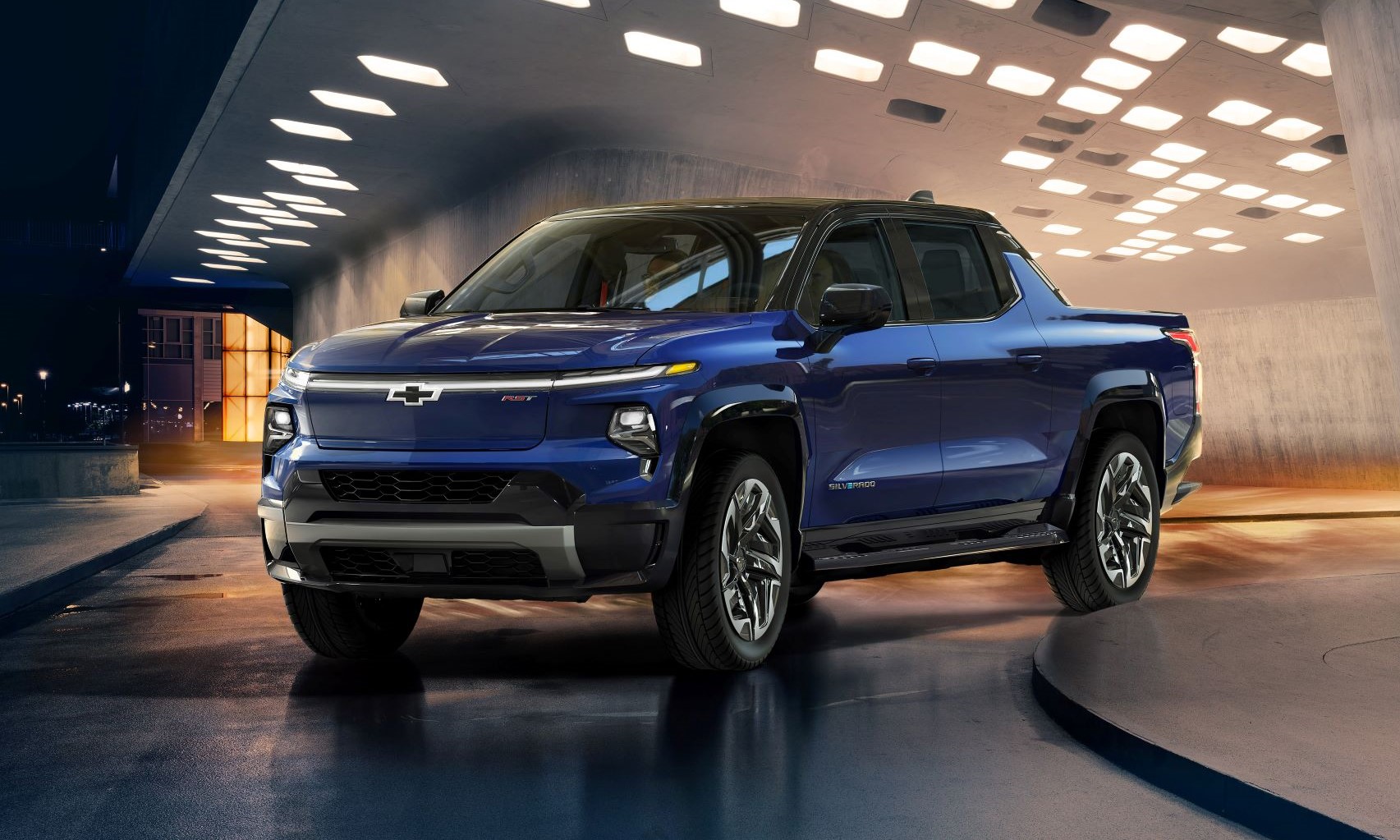
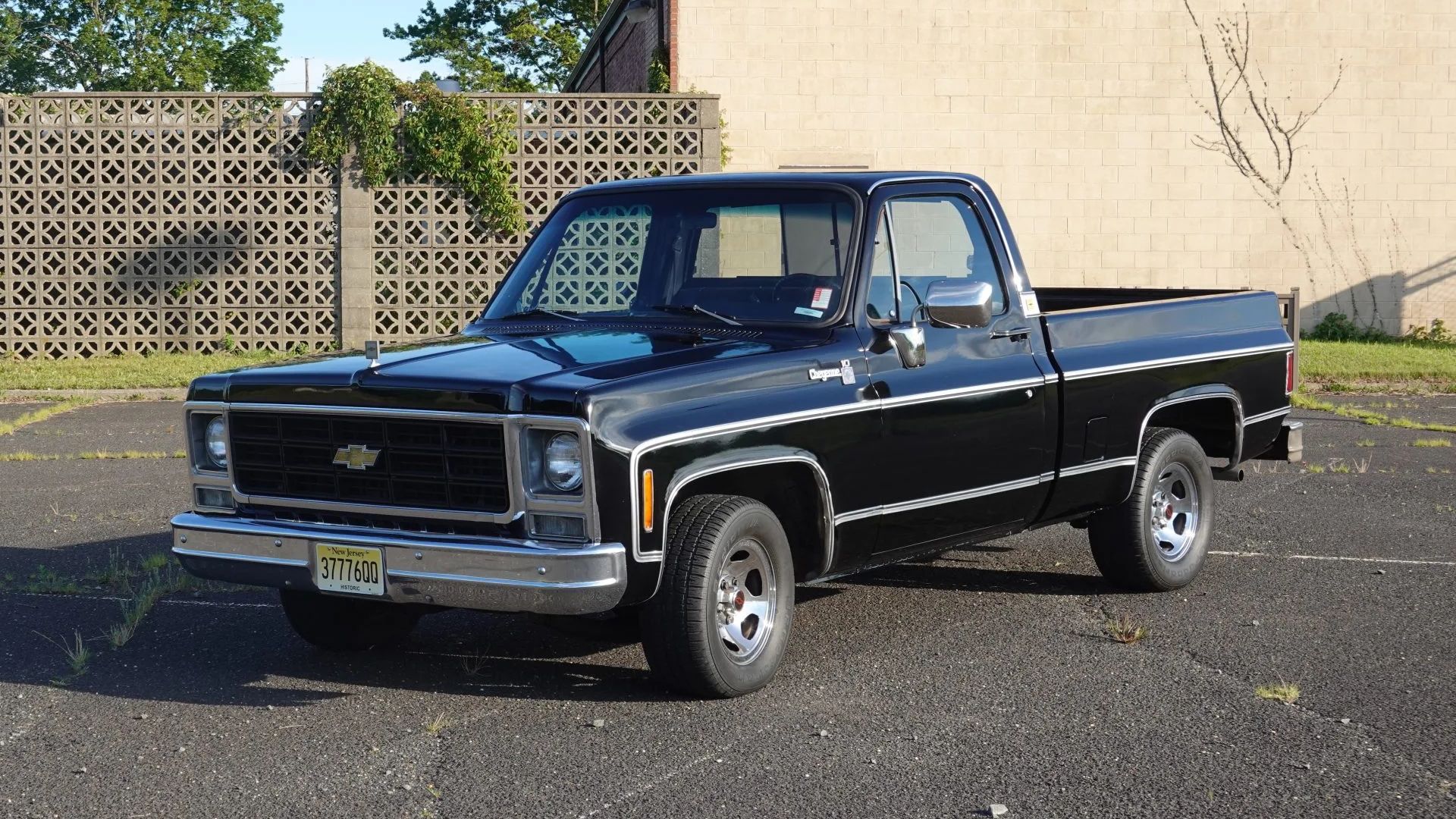
Section 2: The Square Body Era (1973-1987): Rugged Reliability
Known for their boxy design and robust construction, the "Square Body" Chevy trucks are a popular choice for those seeking a dependable workhorse.
- Key Features: Strong chassis, durable engines (including the 350 V8), and a relatively simple design.
- Benefits: Affordability, readily available parts, strong towing capabilities, and a distinctive appearance.
- How-To: Many Square Body trucks are still in service, making them relatively easy to find and maintain. Numerous online resources cater to this generation.
- Important Considerations: Rust is again a significant issue. The later years (1981-1987) offer improved fuel economy and some technological advancements.
- Types/Categories: Similar to the "Action Line" era, available in half-ton (C10/K10), three-quarter-ton (C20/K20), and one-ton (C30/K30) configurations, with various bed lengths and cab styles. "K" indicates 4x4.
- Tips: Look for trucks with minimal rust, especially in the rocker panels, cab corners, and bed. Check the transmission for smooth shifting.
- Potential Challenges/Solutions: Carbureted engines can be finicky. Consider converting to fuel injection for improved reliability and performance.
Section 3: The OBS (1988-1998): Modernizing the Pickup
The "Old Body Style" (OBS) trucks represent a significant step towards modern pickup design, offering improved comfort, performance, and features.
- Key Features: Fuel-injected engines, improved suspension, and a more aerodynamic design compared to previous generations.
- Benefits: Better fuel economy, more comfortable ride, and increased reliability compared to older models.
- How-To: These trucks are still relatively easy to work on, with ample online resources and readily available parts.
- Important Considerations: The 4L60E transmission can be prone to issues, especially in higher mileage examples. Check for rust, particularly around the wheel wells and rocker panels.
- Types/Categories: Available in half-ton (C1500/K1500), three-quarter-ton (C2500/K2500), and one-ton (C3500/K3500) configurations, with various bed lengths and cab styles (regular, extended, and crew cab).
- Tips: Look for trucks with well-maintained engines and transmissions. Pay attention to any signs of rust or damage.
- Potential Challenges/Solutions: The 4L60E transmission can be rebuilt or replaced. Rust repair can be costly, so prioritize trucks with minimal rust.
Section 4: The GMT800 (1999-2006): A New Era of Performance and Comfort
The GMT800 platform marked a significant leap forward in terms of performance, comfort, and technology. These trucks are often praised for their reliability and overall value.
- Key Features: Powerful Vortec engines, improved suspension, and a more refined interior.
- Benefits: Strong performance, comfortable ride, and relatively affordable prices.
- How-To: These trucks are generally reliable, but regular maintenance is crucial.
- Important Considerations: The early years (1999-2002) can have some electrical gremlins. The 4L60E transmission is still present, but improvements were made over the OBS generation.
- Types/Categories: Available in half-ton (1500), three-quarter-ton (2500), and one-ton (3500) configurations, with various bed lengths and cab styles (regular, extended, and crew cab). The Silverado replaced the C/K nomenclature.
- Tips: Look for trucks with well-documented maintenance records. Check for signs of rust, especially around the wheel wells and rocker panels.
- Potential Challenges/Solutions: Electrical issues can be diagnosed and repaired. The 4L60E transmission can be upgraded for increased durability.
Section 5: The GMT900 (2007-2013): Modern Features and Capabilities
The GMT900 generation offered even more advanced features and improved performance. While some model years had specific issues, these trucks are generally considered reliable and capable.
- Key Features: Improved fuel economy, more refined interior, and available features like navigation and Bluetooth.
- Benefits: Modern features, strong performance, and a comfortable ride.
- How-To: Regular maintenance is key to keeping these trucks running smoothly.
- Important Considerations: The AFM (Active Fuel Management) system can be problematic in some models. Check for signs of excessive oil consumption.
- Types/Categories: Available in half-ton (1500), three-quarter-ton (2500), and one-ton (3500) configurations, with various bed lengths and cab styles (regular, extended, and crew cab).
- Tips: Research the specific model year you're interested in to identify any potential issues. Consider disabling the AFM system to prevent problems.
- Potential Challenges/Solutions: AFM issues can be addressed by disabling the system or replacing the affected components.
Practical Advice and Actionable Insights
- Thorough Inspection: Always thoroughly inspect any used truck before purchasing, paying close attention to rust, engine condition, transmission performance, and overall maintenance.
- Test Drive: Take the truck for a test drive to assess its handling, ride quality, and overall performance.
- Research Common Issues: Research common issues associated with the specific model year you're considering.
- Maintenance Records: Ask to see maintenance records to get an idea of how well the truck has been cared for.
- Professional Inspection: Consider having a professional mechanic inspect the truck before making a purchase.
Concluding Summary
Choosing the "best year" for a Chevy truck is a personal decision based on your individual needs and preferences. Classic trucks offer timeless styling and simplicity, while newer models provide modern features and improved performance. By carefully considering your budget, desired features, and intended use, and by thoroughly inspecting any used truck before purchasing, you can find a Chevy truck that will provide years of reliable service.
Table: Best Years For Chevy Trucks - Price and Key Features
| Model Year | Generation | Estimated Price Range (USD) | Key Features | Potential Issues |
|---|---|---|---|---|
| 1967-1972 | "Action Line" | $15,000 - $50,000+ | Classic styling, simple mechanics, wide range of engine options. | Rust, expensive original parts, poor fuel economy. |
| 1973-1987 | Square Body | $5,000 - $25,000 | Rugged construction, durable engines, readily available parts. | Rust, carbureted engines (early years). |
| 1988-1998 | OBS | $4,000 - $15,000 | Fuel-injected engines, improved suspension, more aerodynamic design. | 4L60E transmission issues, rust. |
| 1999-2006 | GMT800 | $6,000 - $20,000 | Powerful Vortec engines, improved suspension, refined interior. | Electrical gremlins (early years), 4L60E transmission (can be improved). |
| 2007-2013 | GMT900 | $8,000 - $28,000 | Improved fuel economy, more refined interior, available modern features. | AFM (Active Fuel Management) system issues, excessive oil consumption (some models). |
Note: Price ranges are estimates and can vary depending on condition, location, and specific features.
Frequently Asked Questions (FAQ)
- Q: What is the most reliable Chevy truck engine?
- A: The small-block V8 (350, 305, etc.) is widely considered one of the most reliable engines ever produced. The Vortec engines (4.8L, 5.3L, 6.0L) are also known for their durability.
- Q: What are the common problems with the 4L60E transmission?
- A: The 4L60E can be prone to slipping, hard shifting, and premature failure, especially in higher mileage examples. Regular maintenance and proper fluid levels are crucial.
- Q: Is it worth buying an older Chevy truck?
- A: It depends on your needs and budget. Older trucks can be affordable and easy to work on, but they may require more maintenance and have fewer modern features.
- Q: How can I prevent rust on my Chevy truck?
- A: Regularly wash and wax your truck, especially during the winter months. Apply rust inhibitors to vulnerable areas. Consider undercoating to protect the frame and undercarriage.
- Q: What is the difference between a C10 and a K10 Chevy truck?
- A: The "C" designates a two-wheel-drive truck, while the "K" designates a four-wheel-drive truck.