Trucks are workhorses, capable of hauling everything from construction materials to recreational vehicles. But a truck's utility is only as good as its ability to secure the cargo it carries. That's where tie-down anchors come in. These unassuming metal pieces are the unsung heroes of safe transportation, ensuring your load stays put, protecting both your cargo and other drivers on the road. This comprehensive guide will delve into the world of truck tie-down anchors, exploring their importance, types, installation, and everything you need to know to choose the right anchors for your needs.
Why are Truck Tie Down Anchors Essential?
Best Truck Tie Down Anchors: Secure Your Load with Confidence
Imagine driving down the highway, and the lumber you're carrying suddenly shifts, causing your truck to swerve uncontrollably. This isn't just a hypothetical scenario; unsecured loads are a leading cause of accidents. Tie-down anchors are the critical component in preventing such incidents. They provide secure attachment points for straps, ropes, or chains, effectively preventing cargo from shifting, falling out, or causing damage during transit.
Here's a breakdown of their importance:
- Safety: The primary function of tie-down anchors is to ensure safety. Properly secured cargo prevents accidents caused by shifting loads, sudden braking, or evasive maneuvers.
- Legal Compliance: Most jurisdictions have laws mandating secure cargo transport. Failing to properly secure your load can result in hefty fines and potential legal liabilities.
- Cargo Protection: Tie-down anchors prevent damage to your cargo. Shifting loads can cause items to collide, break, or become unusable.
- Vehicle Protection: A shifting load can damage your truck bed, cab, or other components. Secure anchoring prevents this.
- Peace of Mind: Knowing your load is securely fastened allows you to focus on driving safely and reduces stress during transport.

Understanding Different Types of Truck Tie Down Anchors
The world of tie-down anchors isn't a one-size-fits-all scenario. Various types exist, each designed for specific applications and load requirements. Understanding these differences is crucial for selecting the right anchors for your truck and the type of cargo you typically carry.

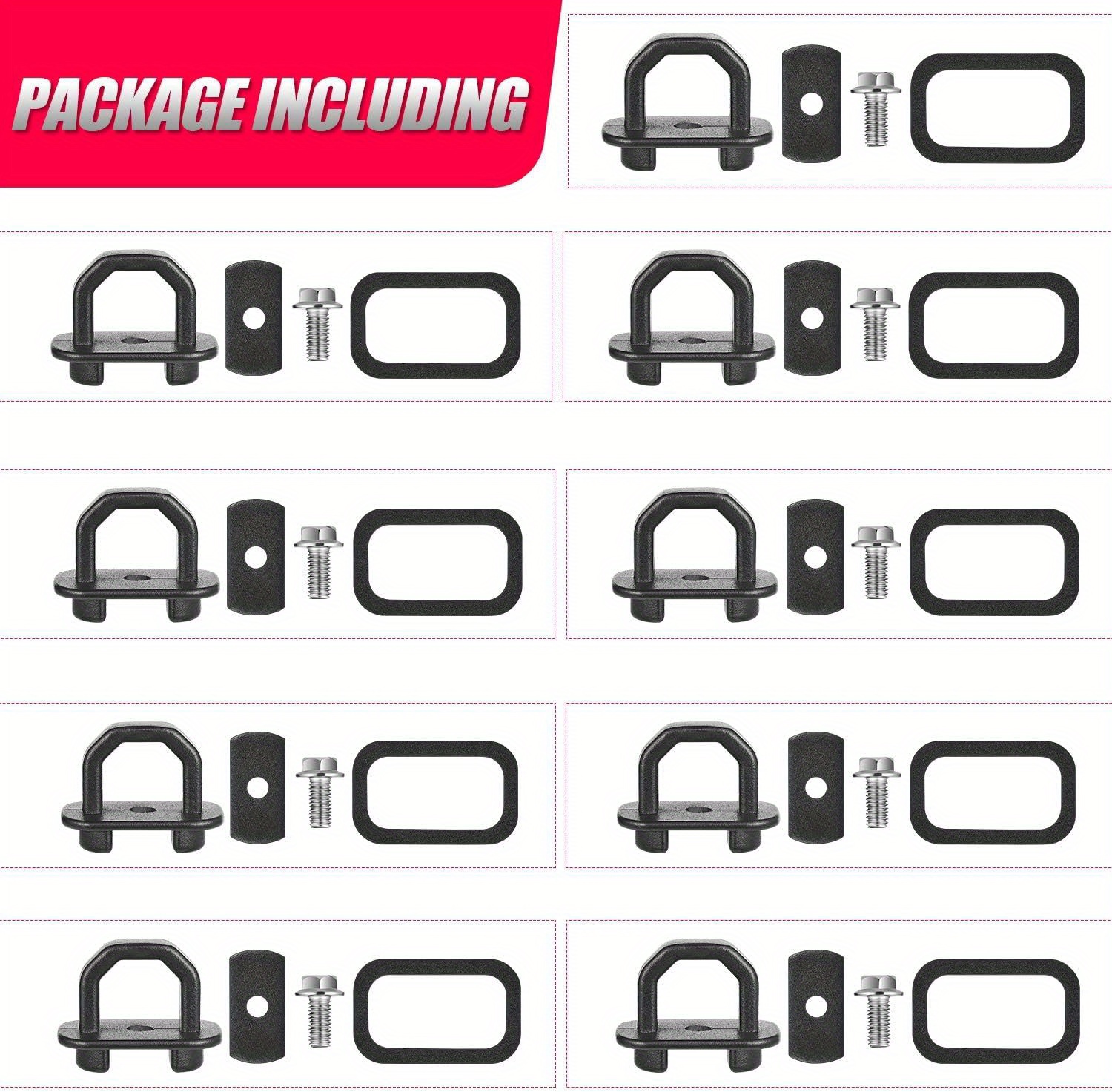
Stake Pocket Anchors: These anchors utilize the existing stake pockets in your truck bed. They are typically easy to install and require no drilling. They come in various designs, including D-rings, O-rings, and swivel hooks.
- Pros: Easy installation, no drilling required, relatively inexpensive.
- Cons: Load capacity may be limited by the stake pocket's strength, may not be suitable for heavy-duty applications.
-
Flush Mount Anchors: These anchors are installed flush with the truck bed surface, providing a clean and unobtrusive look when not in use. They typically feature a D-ring that pops up when needed.
- Pros: Clean aesthetic, doesn't interfere with loading or unloading when not in use.
- Cons: Requires drilling for installation, can be more expensive than stake pocket anchors.
-
Bolt-On Anchors: These anchors are bolted directly to the truck bed, providing a very secure and robust attachment point. They are available in various configurations, including D-rings, O-rings, and swivel hooks.
- Pros: High load capacity, very secure, suitable for heavy-duty applications.
- Cons: Requires drilling for installation, can be more time-consuming to install.
-
Bed Rail Anchors: These anchors attach to the truck bed rails, providing a convenient and accessible attachment point. They are often adjustable, allowing you to position them where needed.
- Pros: Easy to install and adjust, convenient location for securing cargo.
- Cons: Load capacity may be limited by the bed rail's strength, may not be suitable for very heavy loads.
-
Retractable Anchors: Similar to flush mount anchors, retractable anchors offer a clean look. The D-ring or hook retracts completely into the housing when not in use, minimizing the chance of snagging or obstruction.
- Pros: Clean, sleek design, minimizes obstruction.
- Cons: Can be more expensive than other options, may require more complex installation.
Factors to Consider When Choosing Tie Down Anchors
Selecting the right tie-down anchors involves considering several key factors to ensure they meet your specific needs:
- Load Capacity (Working Load Limit - WLL): This is the most crucial factor. The WLL indicates the maximum weight an anchor can safely handle. Always choose anchors with a WLL that exceeds the weight of your cargo. Remember to consider the combined weight if you're using multiple anchors.
- Anchor Type: As discussed above, different anchor types are suitable for different applications. Consider the type of cargo you'll be carrying and the ease of installation when making your choice.
- Material: Look for anchors made from durable materials like high-strength steel or stainless steel. These materials offer excellent corrosion resistance and can withstand heavy loads.
- Installation Requirements: Some anchors require drilling, while others are designed for easy installation using existing stake pockets. Consider your comfort level with drilling and the tools you have available.
- Truck Bed Material: The type of truck bed material (steel, aluminum, composite) can influence the type of anchor you choose. Some anchors are specifically designed for certain bed materials.
- Compatibility with Tie-Down Straps/Chains: Ensure the anchor's D-ring or hook is compatible with the type of tie-down straps or chains you plan to use.
- Price: Tie-down anchors range in price depending on their type, material, and load capacity. Set a budget and compare prices from different manufacturers.
Installation Guide: A Step-by-Step Approach
The installation process varies depending on the type of anchor you choose. However, here's a general guide:
- Gather Your Tools: Depending on the anchor type, you may need tools such as a drill, drill bits, socket set, wrench, screwdriver, measuring tape, and safety glasses.
- Read the Instructions: Always read the manufacturer's instructions carefully before beginning installation.
- Mark the Location (If Drilling): If drilling is required, carefully measure and mark the desired location for the anchor. Use a center punch to create a starting point for the drill bit.
- Drill the Hole (If Drilling): Use the appropriate size drill bit to drill the hole. Be careful not to drill too deep or damage the truck bed.
- Install the Anchor: Follow the manufacturer's instructions to install the anchor. This may involve inserting bolts, tightening screws, or securing the anchor with nuts.
- Test the Anchor: Once installed, test the anchor to ensure it is securely attached. Apply moderate pressure and check for any signs of movement or weakness.
Important Considerations and Safety Tips
- Never Exceed the Working Load Limit (WLL): Overloading anchors is extremely dangerous and can lead to anchor failure and cargo loss.
- Inspect Anchors Regularly: Inspect your tie-down anchors regularly for signs of wear, damage, or corrosion. Replace any damaged anchors immediately.
- Use Appropriate Tie-Down Straps/Chains: Choose tie-down straps or chains with a WLL that matches or exceeds the WLL of the anchors.
- Distribute the Load Evenly: When securing cargo, distribute the load evenly across multiple anchors to prevent overloading any single anchor.
- Secure the Load Properly: Use appropriate tie-down techniques to secure the load properly. This may involve crisscrossing straps, using multiple straps, or using load binders.
- Check the Load Regularly During Transit: Stop periodically during transit to check the load and ensure the tie-down straps/chains are still tight.
- Consult a Professional: If you're unsure about which anchors to choose or how to install them properly, consult a professional mechanic or truck accessory installer.
Troubleshooting Common Issues
- Anchor Won't Stay Secure: Ensure the anchor is properly installed and tightened. Check for any stripped threads or damaged components.
- Anchor is Corroded: Clean the anchor with a wire brush and apply a rust inhibitor. Consider replacing the anchor if the corrosion is severe.
- Anchor is Bent or Broken: Replace the anchor immediately. Never use a damaged anchor.
Frequently Asked Questions (FAQ)
-
Q: How many tie-down anchors do I need?
- A: The number of anchors needed depends on the size and weight of your cargo. As a general rule, use at least four anchors for securing a load. For heavier or more complex loads, use more anchors. Consult regulations in your area for specific requirements.
-
Q: Can I use rope instead of tie-down straps?
- A: While rope can be used for some light-duty applications, it's generally not recommended for securing cargo on a truck. Tie-down straps and chains offer superior strength and durability.
-
Q: Where can I buy tie-down anchors?
- A: Tie-down anchors are available at most auto parts stores, truck accessory stores, and online retailers.
-
Q: Are all tie-down anchors the same size?
- A: No, tie-down anchors come in various sizes to accommodate different tie-down straps and chains.
-
Q: Do I need special tools to install tie-down anchors?
- A: The tools required depend on the type of anchor. Some anchors can be installed with basic hand tools, while others require drilling and more specialized tools.
Price Table for Truck Tie Down Anchors
| Anchor Type | Material | Load Capacity (WLL) | Typical Price Range (per anchor) | Notes |
|---|---|---|---|---|
| Stake Pocket Anchor | Steel/Stainless Steel | 500-1000 lbs | $15 - $30 | Easy installation, good for lighter loads |
| Flush Mount Anchor | Steel/Stainless Steel | 1000-2000 lbs | $25 - $50 | Clean look, requires drilling |
| Bolt-On Anchor | High-Strength Steel | 2000-5000 lbs | $30 - $75 | High capacity, requires drilling |
| Bed Rail Anchor | Steel/Aluminum | 500-1500 lbs | $20 - $40 | Easy to adjust, may be limited by bed rail strength |
| Retractable Anchor | Steel/Stainless Steel | 1000-2000 lbs | $40 - $80 | Sleek design, more expensive |
Conclusion: Secure Your Load, Secure Your Peace of Mind
Choosing the right truck tie-down anchors is an investment in safety, cargo protection, and peace of mind. By understanding the different types of anchors, considering the load capacity requirements, and following proper installation and usage guidelines, you can ensure your cargo stays securely fastened, no matter the distance or terrain. Don't compromise on safety – choose quality tie-down anchors and travel with confidence, knowing your load is secure.