Fifth-wheel RVs offer a luxurious and spacious travel experience, but they require a powerful and capable truck to tow them safely and efficiently. Choosing the right truck is crucial, as an undersized or improperly equipped vehicle can lead to dangerous driving conditions, mechanical problems, and a generally unpleasant towing experience. This comprehensive guide will walk you through the essential considerations and help you identify the best truck to haul your fifth wheel, ensuring your adventures are memorable for all the right reasons.
Introduction: The Importance of Matching Truck to Trailer
The Ultimate Guide to Choosing the Best Truck to Haul a Fifth Wheel
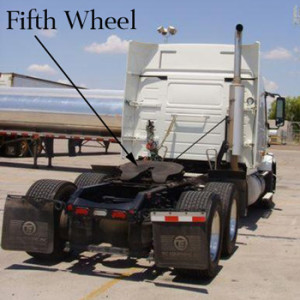
Hauling a fifth wheel is significantly different than towing a travel trailer. Fifth wheels are larger, heavier, and connect to the tow vehicle via a specialized hitch mounted in the truck bed, directly over or slightly forward of the rear axle. This positioning improves stability and maneuverability compared to bumper-pull trailers. However, this configuration also places considerable weight on the truck, making it imperative to select a truck with the proper towing capacity, payload capacity, and overall engineering to handle the load.
Using an inadequate truck can result in:
- Reduced Stability: Swaying and poor handling, especially in windy conditions or during emergency maneuvers.
- Overheating: Strain on the engine, transmission, and brakes, leading to premature wear and potential failure.
- Mechanical Damage: Damage to the suspension, axles, and frame due to excessive weight.
- Safety Risks: Increased risk of accidents due to compromised handling and braking.
- Legal Issues: Exceeding the truck's Gross Vehicle Weight Rating (GVWR) or other weight limits can result in fines and legal penalties.
Therefore, choosing the "best" truck isn't just about power; it's about a holistic approach to safety, performance, and long-term reliability.
Section 1: Understanding Key Towing Terminology and Ratings
Before diving into specific truck models, it's vital to understand the key towing terms and ratings that will guide your decision:
- Gross Vehicle Weight Rating (GVWR): The maximum permissible weight of the fully loaded truck, including the truck itself, passengers, cargo, and the weight of the fifth wheel (specifically, the pin weight). This is a crucial number that must not be exceeded.
- Gross Combined Weight Rating (GCWR): The maximum permissible weight of the truck and the fully loaded fifth wheel combined. This rating represents the total weight the truck is designed to handle.
- Towing Capacity: The maximum weight the truck can tow. This number is often prominently advertised, but it's important to remember that it's a maximum and often decreases when you add passengers and cargo to the truck.
- Payload Capacity: The maximum weight the truck can carry in its cab and bed, including passengers, cargo, and the fifth wheel's pin weight. This is the weight that is transferred to the truck's suspension and axles. This is often the limiting factor when hauling a fifth wheel.
- Pin Weight: The weight exerted by the fifth wheel's hitch pin on the truck bed. This is typically 15-25% of the fifth wheel's total weight. Knowing your fifth wheel's pin weight is crucial.
- Axle Weight Ratings (GAWR): The maximum weight each axle (front and rear) can support. These ratings must not be exceeded.
- Curb Weight: The weight of the truck as it sits from the factory, with standard equipment and fluids.
- Hitch Rating: The maximum weight the fifth-wheel hitch can handle. Ensure your hitch is rated for at least the gross weight of your fifth wheel.


How to Determine Your Requirements:
- Find Your Fifth Wheel's Specifications: Obtain the fifth wheel's dry weight (weight as it leaves the factory), GVWR (maximum loaded weight), and pin weight. These are usually found on a sticker or in the owner's manual. Always use the GVWR of the fifth wheel to calculate your needs, not the dry weight.
- Calculate Your Estimated Loaded Fifth Wheel Weight: Account for the weight of your belongings, water, propane, and any other gear you plan to carry in the fifth wheel.
- Calculate Your Required Payload: Add the estimated pin weight to the weight of all passengers, cargo in the truck bed, and any aftermarket accessories (e.g., bed liner, toolboxes).
- Compare to Truck Ratings: Find the GVWR, GCWR, towing capacity, payload capacity, and axle weight ratings for the trucks you're considering. These are usually found on a sticker on the driver's side doorjamb.
Section 2: Truck Categories and Their Capabilities
Trucks capable of hauling fifth wheels typically fall into three categories:
- Heavy-Duty (HD) Pickups (3/4-ton and 1-ton): These are the most common and generally the best choice for hauling fifth wheels. They offer a balance of power, capability, and everyday usability.
- 3/4-ton (2500/250): Suitable for smaller to mid-sized fifth wheels. Payload capacity can be a limiting factor.
- 1-ton (3500/350): Offers significantly higher payload capacity and towing capacity, making them ideal for larger and heavier fifth wheels. Single Rear Wheel (SRW) and Dual Rear Wheel (DRW) options are available.
- Medium-Duty Trucks (4500/450, 5500/550): These trucks are larger and more robust than HD pickups and are designed for commercial use. They offer exceptional towing and payload capacities, making them suitable for the largest and heaviest fifth wheels, but they are less practical for everyday driving.
- Conventional Pickups (1/2-ton - 1500/150): While some half-ton trucks can tow a small fifth wheel, their payload capacity is almost always insufficient. Avoid using a half-ton truck for fifth-wheel towing unless the fifth wheel is exceptionally light and your cargo is minimal.
Section 3: Key Features to Look For in a Fifth-Wheel Towing Truck
Beyond basic weight ratings, consider these features:
- Engine: Diesel engines are generally preferred for fifth-wheel towing due to their superior torque at low RPMs, which is essential for pulling heavy loads uphill. Modern gasoline engines can also be capable, but fuel economy will likely be lower.
- Transmission: A heavy-duty automatic transmission is crucial for handling the stress of towing. Look for transmissions with tow/haul modes that optimize shift points for improved performance and engine braking.
- Brakes: Upgraded brakes are essential for safe stopping. Exhaust brakes or engine brakes (available on diesel engines) provide additional braking power, reducing wear on the service brakes, especially on downhill grades.
- Suspension: A robust suspension system is necessary to handle the added weight of the fifth wheel. Look for trucks with heavy-duty shocks, springs, and sway bars. Air suspension systems can provide a smoother ride and automatically level the truck.
- Rear Axle Ratio: A lower (numerically higher) axle ratio provides more torque, which is beneficial for towing. Consult with a truck specialist to determine the optimal ratio for your specific needs.
- Fifth-Wheel Prep Package: Many trucks offer a factory-installed fifth-wheel prep package, which includes the mounting hardware and wiring needed to install a fifth-wheel hitch. This simplifies the installation process and ensures proper fitment.
- Towing Technology: Modern trucks offer a range of towing technologies, such as trailer sway control, hill start assist, blind-spot monitoring with trailer coverage, and integrated trailer brake controllers. These features can significantly enhance safety and ease of use.
- Long Bed vs. Short Bed: Long beds (8 feet) are generally preferred for fifth-wheel towing, as they provide more clearance between the truck cab and the fifth wheel. Short beds (6.5 feet) can be used with a sliding fifth-wheel hitch, which allows for tighter turning without cab contact.
Section 4: Top Truck Recommendations (Model Year Dependent - Check Current Specs)
It's important to note that towing capacities and features can vary significantly between model years. Always consult the manufacturer's specifications for the specific truck you are considering. However, here are some generally recommended trucks (check current model year for updated specs):
- Ford F-250/F-350 Super Duty: Known for their powerful engines (including the Power Stroke diesel), robust transmissions, and available towing technology. The F-350 DRW is a top choice for heavy fifth wheels.
- Chevrolet Silverado 2500HD/3500HD: Offers a strong Duramax diesel engine, a smooth-shifting Allison transmission, and a comfortable ride. The Silverado 3500HD DRW is a capable hauler.
- GMC Sierra 2500HD/3500HD: Essentially the same truck as the Silverado, but with a more upscale interior and styling. The Sierra 3500HD DRW provides excellent towing performance.
- Ram 2500/3500: Known for their comfortable ride, refined interiors, and available Cummins diesel engine. The Ram 3500 DRW is a popular choice for heavy-duty towing.
Section 5: The Importance of a Proper Fifth-Wheel Hitch
The fifth-wheel hitch is the critical connection point between the truck and the trailer. Choosing the right hitch is essential for safety and performance.
- Types of Hitches:
- Fixed Hitches: Simple and reliable, but they offer limited maneuverability.
- Sliding Hitches: Allow for tighter turning with short-bed trucks by sliding the hitch backward, providing more cab clearance. Manual and automatic sliding hitches are available.
- Gooseneck Adapters: While some people consider using gooseneck adapters on a fifth wheel, this is not recommended. It can void the fifth wheel's warranty and potentially weaken the frame.
- Hitch Capacity: Ensure the hitch is rated for at least the GVWR of your fifth wheel.
- Installation: Professional installation is highly recommended to ensure proper fitment and secure attachment to the truck frame.
Section 6: Tips for Safe and Efficient Fifth-Wheel Towing
- Proper Weight Distribution: Load the fifth wheel so that the weight is evenly distributed, with heavier items closer to the axles.
- Tire Pressure: Maintain the correct tire pressure on both the truck and the fifth wheel.
- Regular Maintenance: Keep your truck and fifth wheel properly maintained, including regular oil changes, brake inspections, and tire rotations.
- Practice Towing: Before embarking on a long trip, practice towing in a safe and controlled environment.
- Drive Defensively: Be aware of your surroundings and drive defensively. Allow for extra braking distance and avoid sudden maneuvers.
- Use Tow/Haul Mode: Engage the tow/haul mode on your truck's transmission to optimize shift points and engine braking.
- Monitor Temperatures: Keep an eye on engine coolant temperature, transmission temperature, and oil temperature, especially when towing uphill or in hot weather.
- Consider a TPMS: Install a tire pressure monitoring system (TPMS) on the fifth wheel to alert you to low tire pressure or overheating tires.
- Plan Your Route: Avoid routes with steep grades, sharp turns, or low bridges.
Section 7: Potential Challenges and Solutions
- Finding a Truck with Sufficient Payload: Payload capacity is often the limiting factor when hauling a fifth wheel. Consider a 1-ton truck or a DRW model for higher payload.
- Cost: Heavy-duty trucks can be expensive. Consider buying a used truck in good condition.
- Fuel Economy: Fifth-wheel towing will significantly reduce fuel economy. Budget accordingly.
- Maneuvering in Tight Spaces: Fifth wheels can be difficult to maneuver in tight spaces. Practice backing and turning in a safe environment.
- Finding a Qualified Mechanic: Not all mechanics are familiar with heavy-duty trucks and fifth-wheel trailers. Find a qualified mechanic who specializes in these types of vehicles.
Conclusion: Choosing the Right Truck for Your Adventure
Selecting the best truck to haul your fifth wheel is a crucial decision that impacts your safety, comfort, and overall enjoyment of your RV adventures. By understanding the key towing terminology, considering the specific requirements of your fifth wheel, and carefully evaluating the available truck options, you can make an informed choice that will provide years of reliable and safe towing. Remember to prioritize safety, adhere to weight ratings, and invest in a quality fifth-wheel hitch. With the right truck, you can confidently explore the open road and create lasting memories with your fifth wheel.
Price Table of Best Truck To Haul A Fifth Wheel
| Truck Model | Engine Type | Towing Capacity (lbs) | Payload Capacity (lbs) | Estimated Base Price | Notes |
|---|---|---|---|---|---|
| Ford F-250 Super Duty | 6.8L V8 Gas | Up to 17,500 | Up to 4,260 | $43,970 | Great for smaller fifth wheels, payload can be a limiting factor. |
| Ford F-350 Super Duty (SRW) | 7.3L V8 Gas | Up to 21,200 | Up to 7,850 | $45,415 | Significantly higher payload than F-250, suitable for mid-sized fifth wheels. |
| Ford F-350 Super Duty (DRW) | 6.7L Power Stroke Diesel | Up to 32,000 | Up to 7,260 | $56,755 | Ideal for larger and heavier fifth wheels, DRW provides increased stability. |
| Chevy Silverado 2500HD | 6.6L V8 Gas | Up to 18,510 | Up to 3,979 | $43,000 | Similar to F-250 in capabilities, payload can be a limiting factor. |
| Chevy Silverado 3500HD (SRW) | 6.6L Duramax Diesel | Up to 20,000 | Up to 7,442 | $45,500 | Strong diesel engine, suitable for mid-sized fifth wheels. |
| Chevy Silverado 3500HD (DRW) | 6.6L Duramax Diesel | Up to 36,000 | Up to 7,442 | $57,000 | Top choice for heavy fifth wheels, DRW provides excellent stability and towing power. |
| GMC Sierra 2500HD | 6.6L V8 Gas | Up to 18,500 | Up to 4,000 | $44,500 | Similar to Silverado 2500HD, with a more upscale interior. |
| GMC Sierra 3500HD (SRW) | 6.6L Duramax Diesel | Up to 20,000 | Up to 7,400 | $47,000 | Strong diesel engine, suitable for mid-sized fifth wheels. |
| GMC Sierra 3500HD (DRW) | 6.6L Duramax Diesel | Up to 36,000 | Up to 7,500 | $58,500 | Top choice for heavy fifth wheels, DRW provides excellent stability and towing power. |
| Ram 2500 | 6.4L V8 Gas | Up to 17,540 | Up to 4,000 | $43,000 | Great for smaller fifth wheels, payload can be a limiting factor. |
| Ram 3500 (SRW) | 6.7L Cummins Diesel | Up to 22,670 | Up to 6,910 | $46,500 | Strong diesel engine, comfortable ride, suitable for mid-sized fifth wheels. |
| Ram 3500 (DRW) | 6.7L Cummins Diesel | Up to 37,000 | Up to 7,680 | $59,000 | Ideal for the heaviest fifth wheels, known for its refined interior and powerful Cummins diesel. |
Disclaimer: Prices are estimates and can vary based on location, trim level, and options. Towing and payload capacities also vary based on configuration. Always consult the manufacturer's specifications for the specific truck you are considering.
Frequently Asked Questions (FAQ)
Q: Can I use a half-ton truck to tow a fifth wheel?
A: While some half-ton trucks may have a sufficient towing capacity for a very small fifth wheel, the payload capacity is almost always insufficient. It's generally not recommended.
Q: What's the difference between SRW and DRW?
A: SRW stands for Single Rear Wheel, while DRW stands for Dual Rear Wheel. DRW trucks have two wheels on each side of the rear axle, providing increased stability and payload capacity, making them ideal for heavier fifth wheels.
Q: Is a diesel engine necessary for fifth-wheel towing?
A: While not strictly necessary, a diesel engine is generally preferred due to its superior torque at low RPMs, which is essential for pulling heavy loads.
Q: What is pin weight, and why is it important?
A: Pin weight is the weight exerted by the fifth wheel's hitch pin on the truck bed. It's crucial because it directly affects the truck's payload capacity.
Q: Should I buy a new or used truck for fifth-wheel towing?
A: This depends on your budget and preferences. Used trucks can be a more affordable option, but be sure to have them inspected by a qualified mechanic before purchasing.
Q: What is a fifth-wheel prep package?
A: A fifth-wheel prep package is a factory-installed option that includes the mounting hardware and wiring needed to install a fifth-wheel hitch, simplifying the installation process.
Q: How can I improve fuel economy when towing a fifth wheel?
A: Drive at a moderate speed, maintain proper tire pressure, avoid sudden acceleration and braking, and keep your truck and fifth wheel properly maintained.