Winter's icy grip can transform even familiar roads into treacherous terrains. For those who live in snowy climates, or those who need to navigate challenging conditions for work or recreation, having a capable truck is not just a convenience – it's a necessity. But with a vast array of options available, determining the "best truck in the snow" can feel overwhelming. This article aims to cut through the blizzard of information and provide a comprehensive guide to choosing the right truck to confidently tackle winter's challenges. We'll explore crucial features, analyze top contenders, and offer practical advice to ensure you're well-equipped to handle whatever the snow season throws your way.
What Makes a Truck Great in the Snow?
Conquer the Cold: Finding the Best Truck In The Snow
Before diving into specific models, it's essential to understand the key characteristics that define a truck's snow-conquering prowess. These aren't just about raw power; they're about a combination of engineering, technology, and thoughtful design:
-
Four-Wheel Drive (4WD) or All-Wheel Drive (AWD): This is the cornerstone of snow capability. 4WD provides superior traction in low-grip situations by distributing power to all four wheels. While AWD can be effective, true 4WD systems with low-range gearing offer better control and pulling power in deep snow or icy conditions.
-
Traction Control System (TCS): TCS helps prevent wheel spin by automatically reducing engine power or applying brakes to the slipping wheel. This maintains stability and control, especially on slick surfaces.
-
Electronic Stability Control (ESC): ESC monitors the truck's direction and compares it to the driver's intended path. If a discrepancy is detected, ESC applies brakes to individual wheels to help the driver maintain control and prevent skidding.
-
Anti-Lock Braking System (ABS): ABS prevents the wheels from locking up during braking, allowing the driver to steer and maintain control while stopping on slippery surfaces.
-
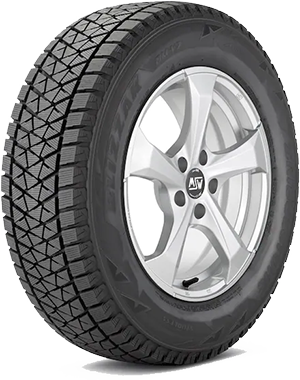
Tires: The right tires are paramount. All-season tires offer some snow performance, but dedicated winter tires (often marked with a three-peak mountain snowflake symbol) provide significantly superior grip and braking ability in cold temperatures and snowy conditions. Tire pressure is also crucial; lowering the pressure slightly can increase the contact patch and improve traction.
Ground Clearance: Higher ground clearance allows the truck to navigate deeper snowdrifts without getting stuck.
-
Engine Power and Torque: While not the sole determinant, adequate engine power and, more importantly, torque (the twisting force that helps get the truck moving) are essential for pulling through snow and ice.
-
Weight Distribution: A balanced weight distribution improves traction and stability. Trucks with more weight over the rear axle tend to perform better in snow, especially when empty.
-
Driver-Assist Technologies: Features like hill descent control, tow/haul mode, and selectable terrain modes (snow, mud, etc.) can further enhance snow driving capabilities.

Top Truck Contenders for Snow Domination
Based on these criteria, here are some of the top trucks that consistently perform well in snowy conditions:
-
Ford F-150: A perennial favorite, the F-150 offers a robust 4WD system, a range of powerful engines (including the EcoBoost options), and available features like a locking rear differential and selectable terrain modes. Its advanced traction control and stability control systems contribute to confident handling in slippery conditions. The Tremor and Raptor models take snow performance to the next level with increased ground clearance and off-road-focused features.
-
Ram 1500: The Ram 1500 boasts a smooth ride, a comfortable interior, and a potent 4WD system. The available air suspension allows for adjustable ride height, increasing ground clearance for deeper snow. The Rebel trim, in particular, is designed for off-road adventures and excels in snowy environments.
-
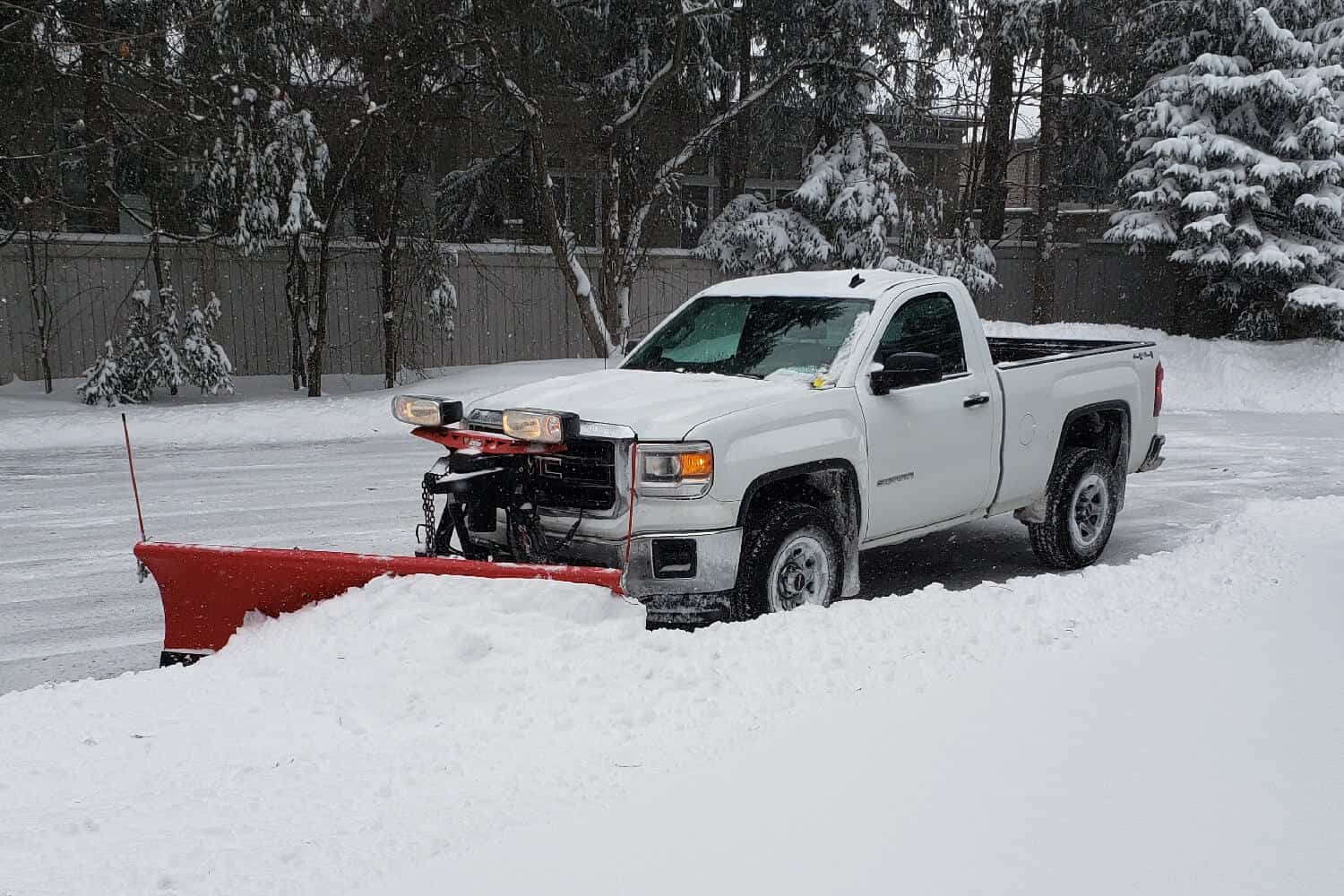
Chevrolet Silverado/GMC Sierra: These trucks share a platform and offer similar capabilities. Their 4WD systems are reliable, and available features like the Z71 off-road package enhance snow performance. The Multi-Flex tailgate can be useful for loading and unloading gear in snowy conditions.
-
Toyota Tacoma: This mid-size truck is known for its reliability and off-road prowess. Its 4WD system is robust, and the TRD Off-Road and TRD Pro models offer features like a locking rear differential, crawl control, and skid plates, making them highly capable in snow.
-
Toyota Tundra: The Tundra offers a tried-and-true 4WD system and a powerful V8 engine. While it may lack some of the advanced technology of its competitors, its simplicity and durability make it a reliable choice for winter driving.
-
Jeep Gladiator: The Gladiator combines the versatility of a pickup truck with the legendary off-road capabilities of a Jeep. Its 4WD system, high ground clearance, and available locking differentials make it a formidable snow conqueror.
How to Drive a Truck Safely in the Snow: A Practical Guide
Even the best truck in the snow is only as good as the driver behind the wheel. Here are some essential tips for safe snow driving:
-
Slow Down: Reduce your speed significantly and increase your following distance. The posted speed limit is for ideal conditions, not snowy roads.
-
Be Smooth: Avoid sudden acceleration, braking, and steering maneuvers. Gradual inputs are key to maintaining control.
-
Look Ahead: Scan the road ahead for potential hazards, such as icy patches, snowdrifts, and other vehicles.
-
Use Low Gear: When starting from a stop or climbing a hill, use a lower gear to provide more torque and prevent wheel spin.
-
Brake Gently: Apply the brakes smoothly and gradually. If you feel the wheels locking up (even with ABS), release the brake pedal slightly and then reapply it.
-
Steer into a Skid: If your truck starts to skid, steer in the direction of the skid. This will help you regain control.
-
Practice in a Safe Area: Before venturing out onto public roads, practice driving in the snow in a safe, open area, such as an empty parking lot. This will help you get a feel for how your truck handles in slippery conditions.
-
Carry an Emergency Kit: Always carry an emergency kit in your truck, including items like a shovel, jumper cables, a flashlight, blankets, and extra clothing.
Considerations Beyond the Truck Itself
Choosing the right truck is just one part of the equation. Consider these additional factors:
- Budget: Trucks can range in price from affordable to very expensive. Determine your budget before you start shopping.
- Use Case: How will you be using the truck? Will you be hauling heavy loads, towing trailers, or simply commuting to work?
- Maintenance: Regular maintenance is essential for keeping your truck running smoothly, especially in harsh winter conditions.
- Insurance: Truck insurance rates can vary depending on the model, your driving record, and your location.
- Local Weather Conditions: Consider the specific snow conditions in your area. Do you typically encounter deep snow, ice, or a combination of both?
Table Price: Best Truck In The Snow
| Truck Model | Starting MSRP | Engine Options | 4WD System Type | Key Features for Snow |
|---|---|---|---|---|
| Ford F-150 | $34,585 | 2.7L EcoBoost V6, 3.5L EcoBoost V6, 5.0L V8, Hybrid | Electronic Shift-On-The-Fly | Selectable Terrain Modes, Locking Rear Diff, Winter Tires |
| Ram 1500 | $38,570 | 3.6L V6, 5.7L V8, 3.0L Diesel V6 | Part-Time 4WD | Air Suspension (adjustable height), Limited-Slip Diff, Winter Tires |
| Chevrolet Silverado | $36,800 | 2.7L Turbo, 5.3L V8, 6.2L V8, 3.0L Diesel | AutoTrac 4WD | Z71 Package (off-road tuned suspension), Winter Tires |
| GMC Sierra | $37,200 | 2.7L Turbo, 5.3L V8, 6.2L V8, 3.0L Diesel | AutoTrac 4WD | Z71 Package (off-road tuned suspension), Multi-Flex Tailgate, Winter Tires |
| Toyota Tacoma | $28,600 | 2.7L I4, 3.5L V6 | Part-Time 4WD | TRD Off-Road Package (locking rear diff, crawl control), Winter Tires |
| Toyota Tundra | $39,965 | 3.5L Twin-Turbo V6 | Part-Time 4WD | Limited-Slip Diff, Winter Tires |
| Jeep Gladiator | $40,500 | 3.6L V6 | Part-Time 4WD | Rock-Trac 4WD System (Rubicon), Locking Differentials, Winter Tires |
Frequently Asked Questions (FAQ)
-
Q: Is 4WD always better than AWD in the snow?
- A: Not necessarily. While 4WD generally offers superior traction in deep snow and off-road conditions, AWD can be more convenient for on-road driving in light snow or ice. True 4WD systems often have a low-range gear, which provides additional torque for challenging situations.
-
Q: Are winter tires really necessary?
- A: Yes, winter tires make a significant difference in snow and ice. Their specialized tread patterns and rubber compounds provide much better grip than all-season tires in cold temperatures.
-
Q: Can I just use chains instead of winter tires?
- A: Chains can provide excellent traction in deep snow, but they are not suitable for driving on bare pavement. They can also damage the road surface and your vehicle. Winter tires are a more versatile and practical option for most situations.
-
Q: How much should I lower my tire pressure in the snow?
- A: Lowering your tire pressure by a few PSI (pounds per square inch) can increase the contact patch and improve traction. However, do not lower it too much, as this can damage the tires. Consult your owner's manual or a tire professional for specific recommendations.
-
Q: What is "crawl control" on the Toyota Tacoma TRD Off-Road?
- A: Crawl control is an advanced off-road system that automatically modulates the throttle and brakes to maintain a constant, low speed while navigating challenging terrain. It can be very helpful in deep snow or icy conditions.
Conclusion: Choosing Your Winter Warrior
Finding the best truck in the snow is a personal decision that depends on your individual needs, budget, and driving conditions. By understanding the key features that contribute to snow performance, researching top contenders, and practicing safe driving techniques, you can confidently choose a truck that will help you conquer winter's challenges and enjoy the snow season to the fullest. Remember to prioritize safety, invest in winter tires, and always be prepared for the unexpected. With the right truck and the right approach, you can transform winter driving from a stressful ordeal into an enjoyable adventure.