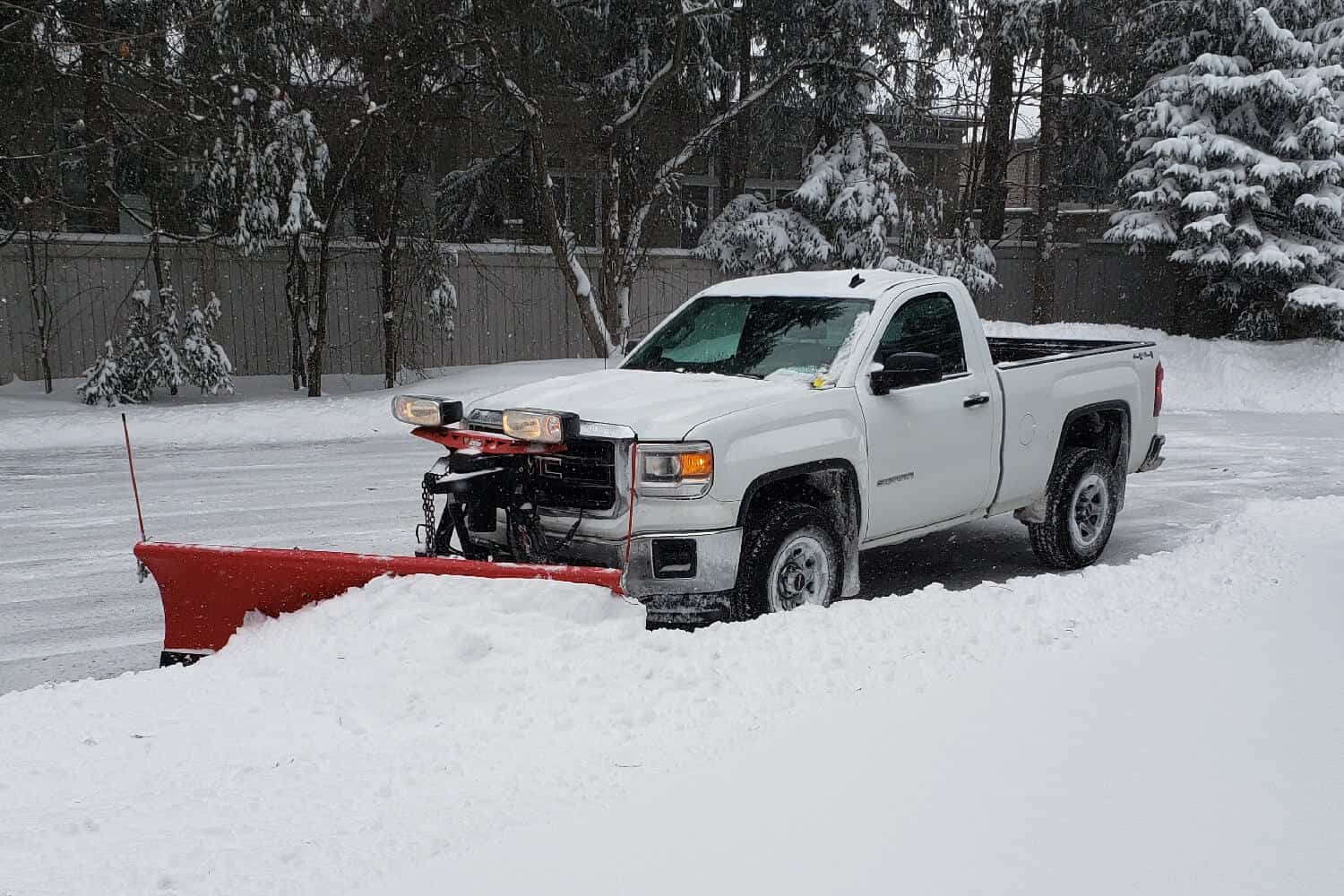
Winter driving presents a unique set of challenges. Icy roads, blizzard conditions, and reduced visibility demand a vehicle that's not only reliable but also specifically equipped to handle the harsh realities of snow and ice. Choosing the "best truck in snow" isn't just about brand loyalty; it's about finding a vehicle that offers the right combination of features, technology, and capability to keep you safe and confident on winter roads. This article delves deep into what makes a truck excel in snowy conditions, offering practical advice and actionable insights to help you make an informed decision.
Why a Truck Might Be the Best Choice for Snow:
Conquering the Cold: Finding the Best Truck In Snow
While SUVs and cars can be equipped for winter driving, trucks often offer inherent advantages. Their higher ground clearance allows them to navigate deeper snowdrifts without getting bogged down. Their robust chassis and powerful engines provide the necessary torque to power through challenging conditions. Furthermore, many trucks offer advanced four-wheel-drive systems and specialized winter driving features that are not always available on other vehicle types. However, not all trucks are created equal when it comes to snow performance.
Key Factors to Consider When Choosing a Truck for Snow:
The "best truck in snow" isn't a single model but rather a category of trucks that excel in specific areas. Here's a breakdown of the key factors to consider:
- Four-Wheel Drive (4WD) or All-Wheel Drive (AWD): This is the most critical feature. 4WD systems, typically found in trucks, provide maximum traction by sending power to all four wheels. AWD systems, often found in SUVs and some trucks, automatically distribute power based on road conditions. For serious off-road snow driving, a traditional 4WD system with a low-range gear is often preferred.
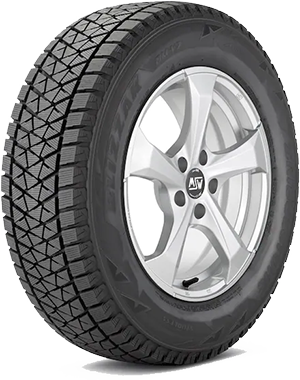
- Tire Type: All-season tires are a compromise, while dedicated winter tires are designed specifically for cold temperatures and snowy conditions. Winter tires feature a softer rubber compound that remains pliable in freezing temperatures and a tread pattern designed to grip snow and ice. Investing in a set of winter tires is arguably the single best upgrade you can make for winter driving safety.
- Ground Clearance: Higher ground clearance allows the truck to navigate deeper snow without scraping the undercarriage or getting stuck. Consider the average snowfall in your area when determining the necessary ground clearance.
- Weight Distribution: A balanced weight distribution can improve traction and stability. Trucks with a heavier front end tend to handle better in snow, as the weight over the front wheels provides more grip for steering.
- Electronic Stability Control (ESC): ESC helps prevent skidding and loss of control by automatically applying brakes to individual wheels. This feature is standard on most modern trucks and is crucial for winter safety.
- Traction Control System (TCS): TCS limits wheel spin by reducing engine power or applying brakes to the spinning wheel. This helps maintain traction on slippery surfaces.
- Locking Differentials: Locking differentials, particularly rear locking differentials, can be invaluable in extreme snow conditions. They force both wheels on an axle to rotate at the same speed, preventing one wheel from spinning freely while the other remains stationary.
- Engine Power and Torque: While excessive horsepower isn't necessary, sufficient torque is essential for powering through snowdrifts and maintaining momentum on inclines. Diesel engines often provide excellent low-end torque, making them a good choice for winter driving.
- Heated Seats and Steering Wheel: While not directly related to performance, these features can significantly improve comfort during long winter drives.
- Remote Start: A remote start allows you to warm up the engine and defrost the windshield before even stepping outside.

Popular Truck Models and Their Strengths in Snow:
While the "best" truck is subjective, here are some popular models known for their snow performance:
- Ford F-150: A perennial favorite, the F-150 offers a wide range of engine options, including powerful EcoBoost engines and a hybrid powertrain. Its available 4WD system and electronic locking rear differential make it a capable snow performer. The F-150 Raptor, with its increased ground clearance and off-road suspension, is particularly adept at handling challenging winter conditions.
- Chevrolet Silverado/GMC Sierra: These twins offer similar capabilities, with robust 4WD systems, available locking differentials, and a range of powerful engines. The Silverado Trail Boss and Sierra AT4 models, with their factory lift and off-road tires, are designed for enhanced off-road and snow performance.
- Ram 1500: The Ram 1500 stands out with its coil-spring rear suspension, which provides a smoother ride than traditional leaf springs. Its available 4WD system, locking rear differential, and powerful engine options make it a capable winter performer.
- Toyota Tacoma/Tundra: Known for their reliability and off-road prowess, Toyota trucks are well-suited for winter driving. The Tacoma TRD Off-Road and Tundra TRD Pro models, with their upgraded suspension, skid plates, and locking rear differentials, are particularly capable in snowy conditions.
- Jeep Gladiator: Combining the open-air experience of a Jeep with the utility of a truck, the Gladiator is a capable off-roader and a solid performer in snow. Its standard 4WD system, available locking differentials, and solid axles make it a formidable winter machine.
Tips for Driving a Truck in Snow:
- Slow Down: This is the most important tip. Reduce your speed significantly and allow for extra braking distance.
- Maintain a Safe Following Distance: Increase your following distance to at least 6-8 seconds to give yourself more time to react.
- Brake Gently: Avoid sudden braking, which can cause the wheels to lock up and lead to a skid.
- Steer Smoothly: Avoid jerky steering movements, which can upset the vehicle's balance.
- Use Four-Wheel Drive (If Equipped): Engage 4WD when driving on snow-covered roads. Remember that 4WD provides increased traction but does not guarantee grip.
- Avoid Overconfidence: Even with 4WD and winter tires, it's still possible to lose control on snow-covered roads.
- Carry an Emergency Kit: Include items such as a shovel, ice scraper, jumper cables, flashlight, blanket, and extra clothing.
- Practice Winter Driving Techniques: Find a safe, empty parking lot covered in snow and practice braking, steering, and recovering from skids.
Potential Challenges and Solutions:
- Reduced Fuel Economy: Driving in 4WD and using winter tires can decrease fuel economy.
- Increased Wear and Tear: Snow and ice can accelerate wear and tear on your truck's components. Regular maintenance, including washing and waxing, can help protect your vehicle.
- Loss of Traction: Even with the best equipment, it's possible to lose traction on ice or deep snow. Knowing how to recover from a skid is crucial.
Table: Comparing Trucks for Snow Performance
| Truck Model | Starting Price (USD) | 4WD Available? | Locking Differential Available? | Ground Clearance (Inches) | Key Strengths | Potential Weaknesses |
|---|---|---|---|---|---|---|
| Ford F-150 | $34,000 | Yes | Yes | 8.3 - 9.4 | Wide range of engine options, available locking differential, advanced tech | Can be expensive in higher trims |
| Chevy Silverado | $36,000 | Yes | Yes | 7.9 - 10.9 | Powerful engine options, available Trail Boss trim, strong towing capacity | Interior can feel dated compared to competitors |
| Ram 1500 | $38,000 | Yes | Yes | 8.2 - 8.7 | Comfortable ride, luxurious interior, available locking differential | Can be less fuel-efficient than some competitors |
| Toyota Tacoma | $28,000 | Yes | Yes | 9.4 | Legendary reliability, TRD Off-Road trim for enhanced off-road capability | Smaller cab and bed compared to full-size trucks |
| Toyota Tundra | $39,000 | Yes | Yes | 8.1 - 10.4 | Known for reliability, TRD Pro trim for extreme off-road performance | Fuel economy not as competitive as other trucks |
| Jeep Gladiator | $39,000 | Yes | Yes | 11.1 | Standard 4WD, solid axles, removable top and doors, excellent off-road | Can be noisy on the highway, limited bed space compared to other trucks |
Frequently Asked Questions (FAQ):
-
Q: Is 4WD always necessary for driving in snow?
- A: While not always necessary, 4WD significantly improves traction and control on snow-covered roads. If you live in an area with frequent snowfall, 4WD is highly recommended.
-
Q: Are winter tires really worth the investment?
- A: Absolutely. Winter tires provide significantly better grip on snow and ice compared to all-season tires. They are a worthwhile investment for winter safety.
-
Q: Can I just use all-season tires in the winter?
- A: All-season tires can be used in light snow conditions, but they are not designed for severe winter weather. For optimal safety, winter tires are recommended.
-
Q: How do I know if my truck has a locking differential?
- A: Check your truck's owner's manual or look for a switch or button labeled "Differential Lock" or similar.
-
Q: What is the best way to recover from a skid?
- A: Steer in the direction of the skid, and gently apply the brakes. Avoid sudden movements or braking.
Conclusion:
Choosing the best truck in snow is a personal decision based on your individual needs and driving conditions. By considering the key factors outlined in this article, such as 4WD, tire type, ground clearance, and electronic safety features, you can make an informed decision and select a truck that will keep you safe and confident on winter roads. Remember that even the best truck in snow requires responsible driving habits and a healthy dose of caution. Drive safely and enjoy the winter season!