The roar of your truck engine, the sun beating down, and the endless expanse of sand dunes stretching before you – off-roading in sand is an exhilarating experience. But to truly enjoy it, and to avoid getting bogged down and frustrated, you need the right equipment. And nothing is more crucial than a good set of sand tires.
Choosing the best sand tires for your truck isn't as simple as picking the biggest, baddest-looking option. It requires understanding the unique demands of sandy terrain, considering your truck's specific needs, and weighing the various features and benefits different tires offer. This comprehensive guide will walk you through everything you need to know to select the perfect sand tires and transform your truck into a dune-conquering machine.
Conquer the Dunes: Finding the Best Sand Tires for Your Truck
Why Sand Tires Matter: More Than Just Looks
Regular tires are designed for paved roads, dirt trails, or even mud. They typically have aggressive treads designed to bite into the surface. Sand, however, is a different beast. A standard tire will often dig into the sand, causing it to sink and get stuck. Sand tires, on the other hand, are specifically engineered to:
- Float on the Sand: Their wide profile and unique tread patterns help them distribute the truck's weight over a larger surface area, preventing the tires from sinking.
- Paddle Through: Many sand tires feature paddle-like treads that scoop and propel the truck forward, providing exceptional traction in loose sand.
- Clean Themselves: The tread design helps to eject sand, preventing the tires from becoming clogged and losing traction.
- Improve Control: Proper sand tires enhance steering responsiveness and overall control, making it easier to navigate the dunes.
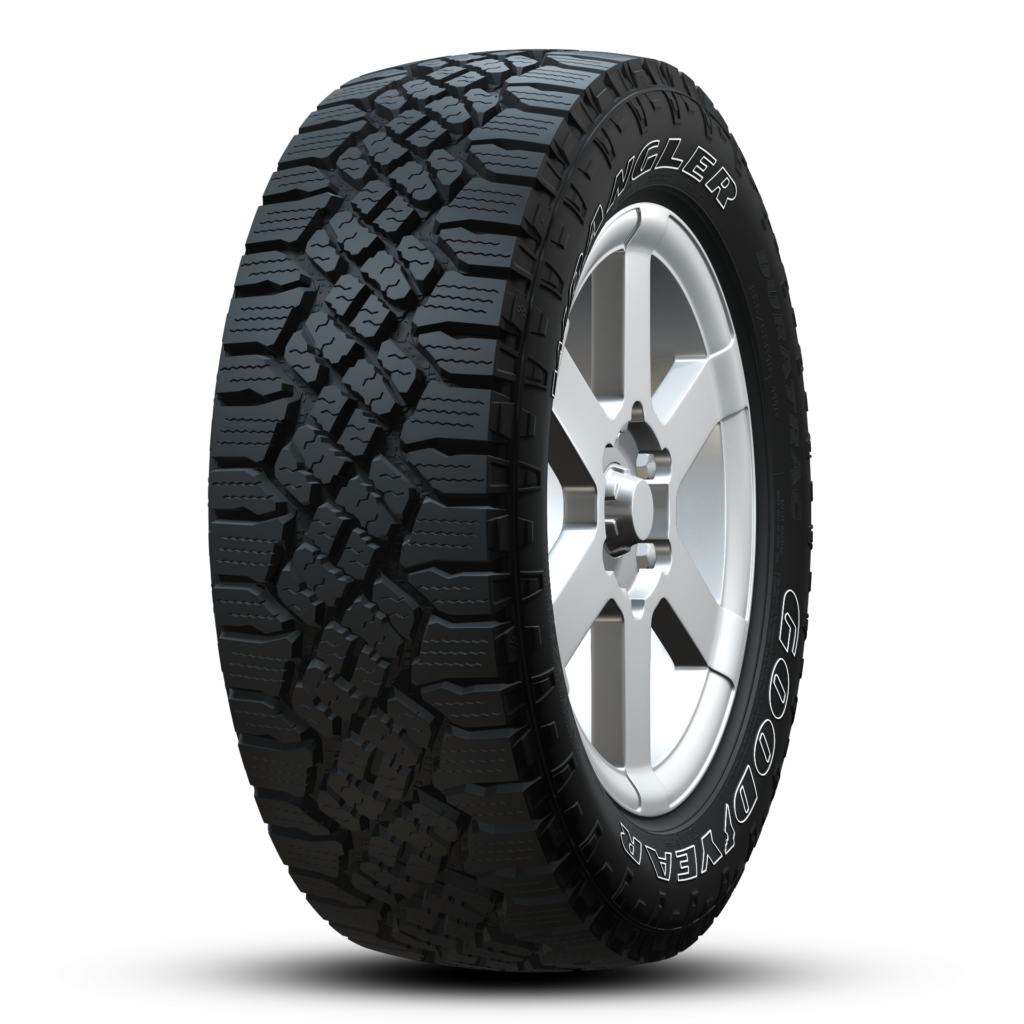
Investing in the right sand tires isn't just about preventing frustration; it's about maximizing your truck's performance, ensuring safety, and preserving the longevity of your vehicle by reducing strain on the drivetrain.
Understanding Sand Tire Characteristics: Key Features to Consider
Before you start browsing, familiarize yourself with the key characteristics of sand tires:
- Size and Fit: This is the most crucial factor. Refer to your truck's owner's manual or the sticker on the driver's side doorjamb to determine the appropriate tire size. Consider the overall diameter and width. A wider tire generally provides better floatation in sand, but make sure it doesn't rub against the wheel wells or suspension components.
- Tread Pattern: Sand tires typically feature one of two primary tread patterns:
- Paddle Tires: These tires have large, scoop-like paddles that dig into the sand for maximum forward propulsion. They are ideal for pure sand environments but are generally not suitable for use on paved roads due to their aggressive tread and potential for road noise and vibration.
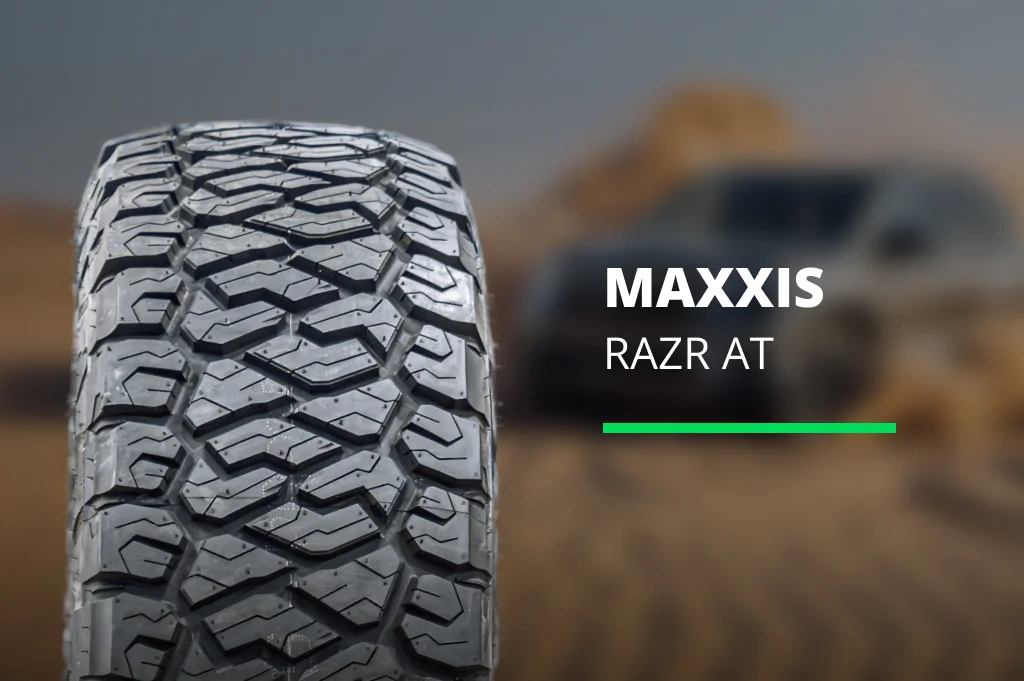
- Ribbed Tires: These tires have a series of raised ribs that run circumferentially around the tire. They offer good floatation and steering control in sand and are often preferred for trucks that need to transition between sand and other surfaces.
- Construction:
- Bias-Ply: These tires are more affordable and offer a softer ride. They are generally more puncture-resistant in sandy conditions due to their thicker sidewalls. However, they can be prone to flat-spotting if the truck sits for extended periods.
- Radial: Radial tires offer better fuel economy and handling on paved roads. They are typically more expensive than bias-ply tires but provide a smoother and more stable ride.
- Load Rating: Ensure the tires have a load rating that meets or exceeds the weight of your truck. This is crucial for safety and prevents premature tire wear.
- Sidewall Strength: Look for tires with reinforced sidewalls, as they will be more resistant to punctures and abrasions caused by sand and rocks.
- Ply Rating: Indicates the tire's strength and load-carrying capacity. Higher ply ratings generally indicate a more durable tire.

Types of Sand Tires: Paddle vs. Ribbed – Which is Right for You?
The choice between paddle and ribbed tires depends on your specific needs and the type of sand terrain you'll be tackling.
- Paddle Tires:
- Best For: Pure sand dunes, open sandy areas, and areas where maximum traction is required.
- Pros: Exceptional traction and acceleration in sand.
- Cons: Poor performance on paved roads, high road noise, potential for damage on hard surfaces, and can be difficult to steer at high speeds.
- Ribbed Tires:
- Best For: Mixed terrain, including sand, dirt, and occasionally paved roads.
- Pros: Good floatation in sand, improved steering control, and better performance on harder surfaces.
- Cons: Less traction than paddle tires in deep sand.
Practical Advice: Tips for Choosing and Using Sand Tires
- Consider Air Pressure: Lowering tire pressure increases the contact patch with the sand, improving floatation and traction. Experiment with different pressures to find the optimal setting for your truck and the specific sand conditions. Start with a pressure around 10-15 PSI and adjust as needed. Always carry a portable air compressor to re-inflate your tires before driving on paved roads.
- Proper Inflation: Use a quality tire pressure gauge to ensure accurate and consistent inflation. Over-inflation can reduce traction and increase the risk of tire damage.
- Tire Rotation: Rotate your tires regularly to ensure even wear and maximize their lifespan.
- Visual Inspection: Regularly inspect your tires for any signs of damage, such as cuts, punctures, or bulges.
- Wheel Size: Consider your wheel size when selecting tires. Some sand tires may require specific wheel widths.
- Truck Modifications: Depending on the size of the tires you choose, you may need to modify your truck's suspension or body to accommodate them.
- Driving Techniques: Learn proper sand driving techniques, such as maintaining momentum, avoiding sudden stops, and using low gear.
Potential Challenges and Solutions
- Getting Stuck: Even with the best sand tires, getting stuck is sometimes inevitable. Carry a shovel, tow strap, and traction boards to help you get unstuck.
- Overheating: Driving in sand can put a strain on your truck's engine and transmission, leading to overheating. Monitor your gauges closely and take breaks if necessary. Consider installing an auxiliary transmission cooler.
- Tire Damage: Sharp rocks and debris can damage your tires. Choose tires with reinforced sidewalls and be mindful of the terrain.
- Steering Issues: Sand can sometimes make steering difficult. Consider installing a steering stabilizer to improve control.
Table Price: Sand Tires For Trucks
| Tire Brand & Model | Tire Type | Size Example | Price Range (USD) | Key Features | Best Use Case |
|---|---|---|---|---|---|
| Skat-Trak Extreme | Paddle | 33x12.5-15 | $300 - $500 | Extreme paddle depth, aggressive tread, lightweight construction | High-performance dune running, racing |
| Paddle Master | Paddle | 33x15-15 | $250 - $400 | Wide paddle design, durable construction, good floatation | Recreational dune driving, all-around sand performance |
| BFGoodrich Baja T/A KR2 | Ribbed/All-Terrain | LT285/70R17 | $250 - $400 | Excellent traction, durable sidewalls, good on-road manners | Mixed terrain, sand, dirt, and occasional paved roads |
| Mickey Thompson Baja Boss A/T | Ribbed/All-Terrain | LT285/70R17 | $300 - $450 | Aggressive tread, quiet on-road performance, strong sidewalls | Mixed terrain, sand, dirt, and occasional paved roads |
| Interco TrXus STS | Ribbed | 35x12.5-15 | $200 - $350 | Aggressive rib pattern, good floatation, durable construction | Sand, mud, and other off-road conditions |
| CST Sandblast | Paddle/Rib | 33x13-15 | $200 - $300 | Combination paddle and rib design, versatile performance | Recreational dune driving, transitioning between terrains |
Disclaimer: Prices are approximate and may vary depending on the retailer, tire size, and current promotions.
Conclusion: Gearing Up for Sand Domination
Choosing the best sand tires for your truck is a crucial step in unlocking the full potential of your off-road adventures. By understanding the unique demands of sandy terrain, carefully considering your truck's specific needs, and selecting the right tire type and features, you can transform your truck into a sand-conquering machine. Remember to prioritize safety, practice proper driving techniques, and always be prepared for the challenges that sand can present. With the right tires and a bit of know-how, you'll be carving up the dunes and enjoying the thrill of off-roading in sand like never before!
Frequently Asked Questions (FAQ)
-
Q: Can I use regular tires in the sand?
- A: While it's possible, it's not recommended. Regular tires are likely to sink into the sand, reducing traction and potentially getting you stuck. Sand tires are specifically designed to float and propel you through the sand.
-
Q: What's the best tire pressure for sand?
- A: Generally, lower tire pressure is better in sand. Start with around 10-15 PSI and adjust as needed. Always carry a portable air compressor to re-inflate your tires before driving on paved roads.
-
Q: Are paddle tires street legal?
- A: In most cases, no. Paddle tires are not designed for paved roads and can be dangerous to use on the street due to their aggressive tread pattern and poor handling.
-
Q: How do I prevent my tires from spinning in the sand?
- A: Maintain momentum, use low gear, and avoid sudden acceleration. If your tires start to spin, ease off the throttle and try again.
-
Q: Can I use all-terrain tires in the sand?
- A: All-terrain tires can work in sand, but they are not as effective as dedicated sand tires. Choose all-terrain tires with an aggressive tread pattern and be prepared to lower the tire pressure.