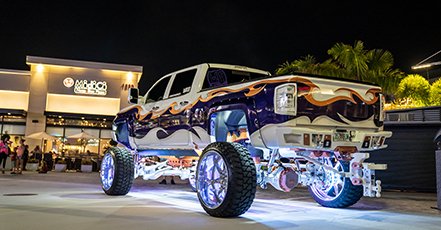
Rock lights. They're not just a cool aesthetic upgrade for your truck; they're a functional necessity for off-road enthusiasts and anyone wanting to add a touch of personalization and safety to their vehicle. Imagine navigating a rocky trail at night, the terrain illuminated by a vibrant array of colors emanating from beneath your rig. Or picture your truck standing out from the crowd at a car show, its undercarriage glowing with a unique personality. Rock lights make all of this possible.
But with a seemingly endless variety of options available, choosing the best rock lights for your truck can feel overwhelming. This comprehensive guide will break down everything you need to know, from understanding the benefits and features to consider, to providing practical advice and addressing common concerns. We'll navigate the landscape of lumens, LEDs, and mounting options to help you make an informed decision and light up your next adventure.
Illuminate Your Adventures: Finding the Best Rock Lights for Your Truck
Why Choose Rock Lights for Your Truck? Beyond the Aesthetics
While the visual appeal of rock lights is undeniable, their functionality is equally important. Here's a breakdown of the key benefits:
- Enhanced Visibility & Safety: Rock lights dramatically improve visibility when off-roading at night or in low-light conditions. They illuminate obstacles, rocks, and uneven terrain, allowing you to navigate safely and avoid potential damage to your truck. They also increase your truck's visibility to other vehicles and pedestrians, especially in areas with poor lighting.
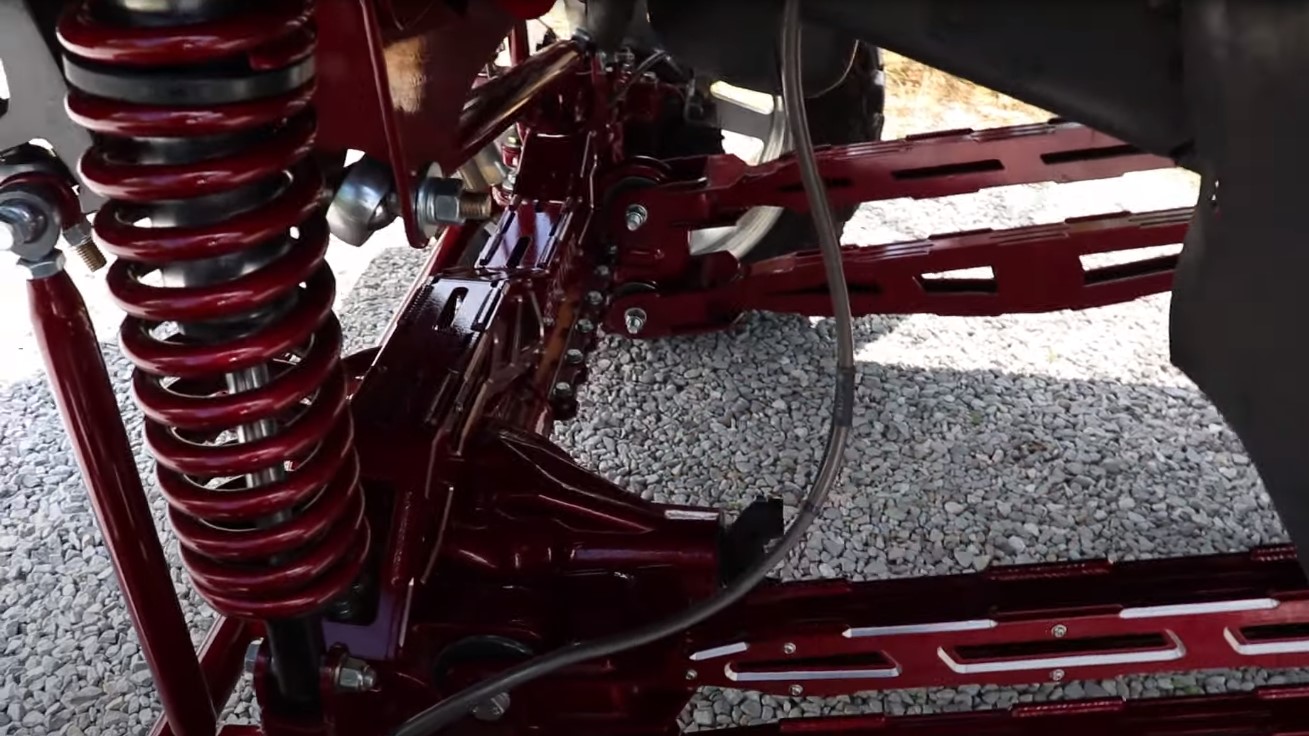
- Underbody Protection & Awareness: By illuminating the underside of your truck, rock lights allow you to inspect for potential damage after off-road excursions. You can easily spot bent suspension components, damaged skid plates, or leaks, enabling you to address problems before they escalate.
- Customization & Personalization: Rock lights offer a fantastic way to personalize your truck and express your individual style. With a wide range of colors, patterns, and control options, you can create a unique lighting scheme that reflects your personality.
- Added Convenience: Rock lights can also serve as utility lights, providing illumination for tasks like setting up camp, changing a tire, or working on your truck in the dark.
Key Considerations When Choosing Rock Lights
Before diving into specific products, let's explore the crucial factors to consider when selecting rock lights:
- Brightness (Lumens): Lumens measure the total amount of visible light emitted. Higher lumen ratings generally equate to brighter lights. For rock lights, a range of 500-1500 lumens per pod is usually sufficient, depending on your desired level of illumination. Consider the terrain you'll be navigating; more challenging trails may require brighter lights.
- LED Type & Quality: The type and quality of the LEDs directly impact the light output, color accuracy, and lifespan of your rock lights. Look for LEDs from reputable manufacturers like CREE or Osram. RGB (Red, Green, Blue) LEDs offer a wider range of color options compared to single-color LEDs.
- Durability & Waterproofing: Rock lights are exposed to harsh conditions, including water, mud, dust, and impacts. Ensure the lights are housed in durable, impact-resistant materials like aluminum or polycarbonate. Look for an IP (Ingress Protection) rating of IP67 or higher, indicating excellent protection against dust and water immersion.
- Power Consumption: Consider the power consumption of the rock lights, especially if you have a limited electrical system. LEDs are generally energy-efficient, but the number of lights and their brightness will affect the overall power draw.
- Control Options: Rock lights can be controlled in various ways, including:
- On/Off Switch: The simplest option, offering basic control.
- Remote Control: Allows you to turn the lights on/off and change colors remotely.
- Bluetooth App Control: Provides advanced features like color customization, dimming, strobe effects, and music synchronization.
- Ease of Installation: Consider your comfort level with wiring and electrical work. Some rock light kits are designed for easy DIY installation, while others may require professional installation. Look for kits with clear instructions, pre-wired harnesses, and mounting hardware.
- Warranty: A good warranty provides peace of mind and protects you against defects in materials or workmanship.
Types of Rock Lights: A Quick Overview
Rock lights can be broadly categorized based on their features and functionality:
- Single-Color Rock Lights: Offer a single color of light, typically white, amber, red, green, or blue. They are the simplest and most affordable option.
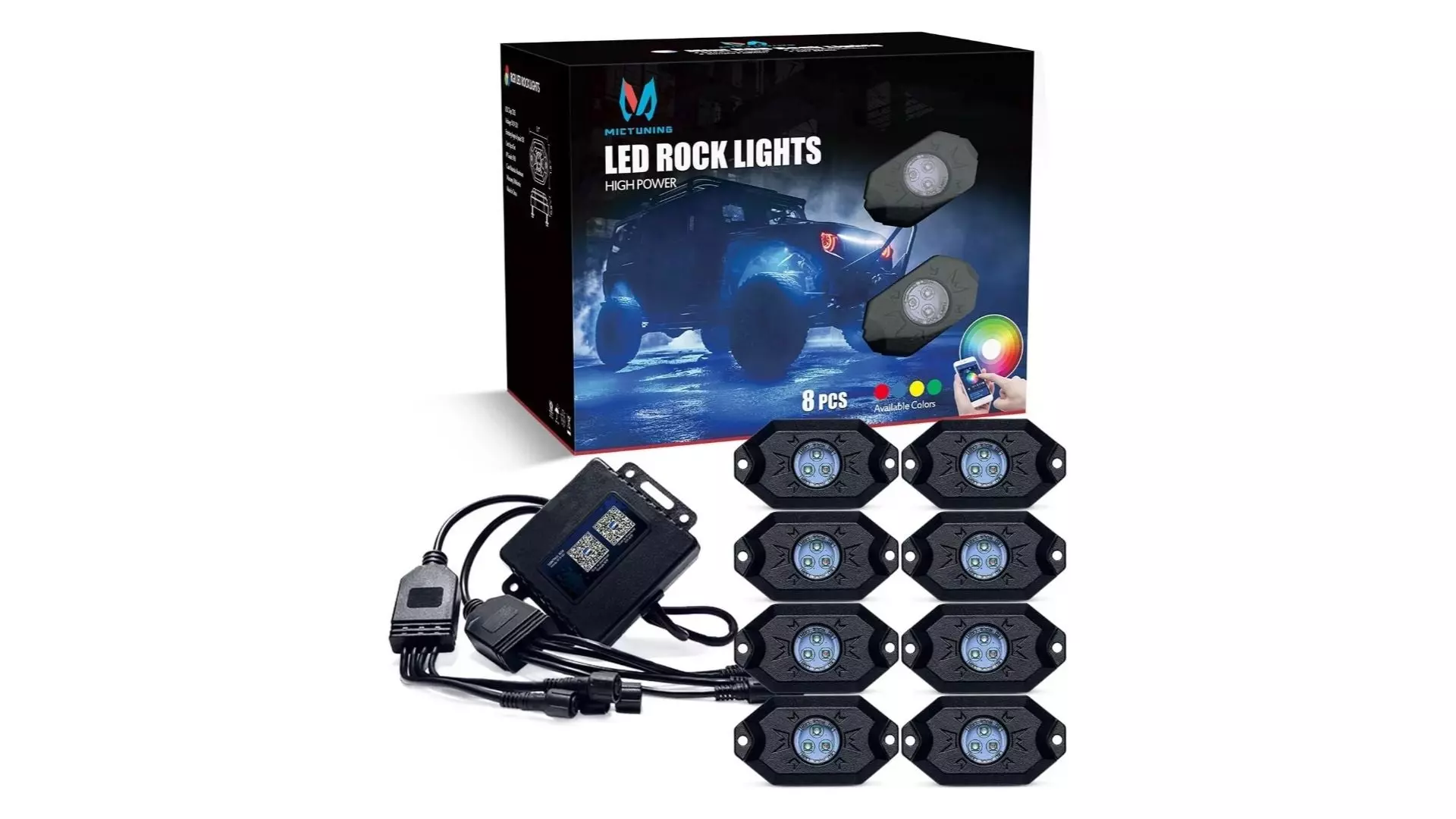
- RGB Rock Lights: Allow you to select from a wide range of colors by mixing red, green, and blue LEDs. They offer greater customization options.
- RGBW Rock Lights: Similar to RGB lights, but with the addition of a dedicated white LED. This allows for a brighter and more accurate white light output.
- Addressable RGB (ARGB) Rock Lights: Allow you to control each LED individually, creating dynamic lighting effects and patterns. They are the most advanced and expensive option.
Installation Guide: Lighting Up Your Truck
While specific installation steps may vary depending on the rock light kit you choose, here's a general overview of the process:
- Planning & Preparation: Determine the desired location for each rock light pod. Consider factors like visibility, accessibility, and protection from impacts. Gather the necessary tools, including a drill, wire stripper, wire crimper, electrical tape, and zip ties.
- Mounting the Lights: Use the provided mounting hardware to securely attach the rock light pods to the chosen locations. Ensure the lights are properly aligned and aimed.
- Wiring the Lights: Connect the wires from the rock lights to the power source, typically the vehicle's battery or a dedicated accessory power supply. Follow the wiring diagram provided with the kit. Use proper wiring techniques, including soldering or crimping connections, and protect the wires with electrical tape or heat shrink tubing.
- Connecting the Control Unit: If your rock lights have a control unit, connect it according to the instructions. This may involve connecting it to the battery, ground, and a switch or remote receiver.
- Testing & Adjusting: Once the lights are installed, test them to ensure they are working properly. Adjust the aiming and brightness as needed. Secure any loose wires with zip ties to prevent them from dangling or rubbing against moving parts.
Important Safety Tip: Always disconnect the vehicle's battery before working on the electrical system. If you are not comfortable with electrical work, it's best to have the rock lights installed by a professional.
Common Challenges and Solutions
- Water Intrusion: Ensure all connections are properly sealed to prevent water from entering the lights. Use dielectric grease on connectors to further protect against corrosion.
- Wire Damage: Protect wires from abrasion and heat by routing them away from sharp edges and hot components. Use wire loom or conduit to provide additional protection.
- Flickering Lights: Flickering lights can be caused by a loose connection or a faulty ground. Check all connections and ensure the ground is properly connected to a clean metal surface.
- Limited Power: If you have a lot of accessories, your vehicle's electrical system may struggle to provide enough power. Consider upgrading your battery or adding a secondary battery.
Tips for Maximizing Your Rock Light Experience
- Choose the Right Colors: Consider the legal restrictions in your area regarding the use of colored lights on vehicles. White and amber are generally safe, while red and blue may be restricted.
- Adjust the Brightness: Avoid blinding other drivers by adjusting the brightness of your rock lights to a reasonable level.
- Experiment with Lighting Effects: Take advantage of the various lighting effects offered by RGB and ARGB rock lights to create a unique and eye-catching display.
- Keep Your Lights Clean: Regularly clean your rock lights to remove dirt and debris, ensuring optimal brightness and visibility.
- Protect Your Investment: Consider purchasing a protective film or cover for your rock lights to prevent scratches and damage from rocks and debris.
Rock Lights Price Table
| Brand | Model Name | LED Type | Lumens (per pod) | IP Rating | Control Method | Price (USD) |
|---|---|---|---|---|---|---|
| Nilight | Rock Lights | RGB | 500 | IP68 | App Control, Remote | $40-$60 |
| MICTUNING | RGB LED Rock Lights | RGB | 600 | IP67 | App Control, Remote | $50-$70 |
| XKGLOW | LED Rock Light Kit | RGBW | 800 | IP67 | App Control, Remote | $100-$150 |
| KC Hilites | Cyclone LED Rock Light | Single (White) | 750 | IP68 | Switch | $80-$120 |
| ORACLE Lighting | LED Rock Lights | RGB+A | 1200 | IP67 | App Control, Remote | $150-$200 |
| SUNPIE | RGB LED Rock Lights | RGB | 450 | IP68 | App Control, Remote | $30-$50 |
| OPT7 | Aura PRO LED Rock Light Kit | RGB | 700 | IP67 | App Control, Remote | $70-$90 |
| Heretic Studio | Heretic Studio Rock Light | Single (White) | 1000 | IP68 | Switch | $120-$180 |
| Rough Country | LED Rock Light Kit | Single (White) | 800 | IP67 | Switch | $60-$80 |
| Quake LED | Quake LED Rock Light | RGBW | 1500 | IP68 | App Control, Remote | $200-$250 |
Note: Prices may vary depending on the retailer and current promotions. Please check with the vendor for the most up-to-date pricing.
Frequently Asked Questions (FAQ)
- Are rock lights legal? The legality of rock lights varies depending on your location. Check your local laws and regulations regarding the use of colored lights on vehicles.
- How many rock lights do I need? The number of rock lights you need depends on the size of your truck and your desired level of illumination. A typical setup includes 4-8 lights, with one light per wheel well and additional lights under the chassis.
- Can I install rock lights myself? Yes, you can install rock lights yourself if you have basic electrical knowledge and are comfortable working with wiring. However, if you are not confident, it's best to have them installed by a professional.
- What is the best way to mount rock lights? The best way to mount rock lights depends on the design of the lights and the available mounting points on your truck. Common mounting locations include the frame rails, wheel wells, and bumpers.
- How do I prevent my rock lights from getting damaged? Choose rock lights made from durable materials and mount them in locations that are protected from impacts. Consider using a protective film or cover to further protect the lights from scratches and debris.
Conclusion: Illuminate Your Path
Choosing the best rock lights for your truck is a matter of balancing your needs, budget, and personal preferences. By carefully considering the factors outlined in this guide, you can select a set of rock lights that will enhance your truck's appearance, improve visibility, and provide years of reliable performance. So, get out there, explore the trails, and illuminate your adventures! Remember to always check local laws and regulations before installing and using colored lights on public roads. Happy trails!