The open road calls to truckers, but reliable tires are the unsung heroes that keep those wheels turning. Drive tires, specifically, are the workhorses of your semi-truck, responsible for transmitting power from the engine to the pavement, providing traction, and ensuring safe and efficient operation. Choosing the best semi truck drive tires is a critical decision that impacts everything from fuel economy and safety to tire longevity and overall profitability. This comprehensive guide will delve into the key aspects of selecting the right drive tires, offering practical advice and actionable insights to help you make informed choices for your specific needs.
Why Choosing the Right Drive Tires Matters
Best Semi Truck Drive Tires: A Comprehensive Guide for Owner-Operators and Fleet Managers
Drive tires are more than just round pieces of rubber; they are a significant investment with far-reaching consequences. The right tires can:
- Improve Fuel Efficiency: Low rolling resistance tires reduce friction, allowing your truck to travel further on each gallon of fuel. This translates to significant cost savings over the lifespan of the tires.
- Enhance Traction and Safety: Superior traction is crucial for maintaining control, especially in challenging weather conditions like rain, snow, or ice. Proper tread patterns and rubber compounds provide the necessary grip for safe maneuvering and braking.
- Increase Tire Life: Durable tires with robust construction and optimal tread wear patterns can withstand the demands of heavy loads and long distances, extending their lifespan and reducing replacement costs.
- Reduce Downtime: Choosing reliable tires minimizes the risk of flats, blowouts, and other tire-related issues that can lead to costly downtime and delays.
- Improve Ride Comfort: Some tires are designed to provide a smoother and more comfortable ride, reducing driver fatigue and improving overall well-being.
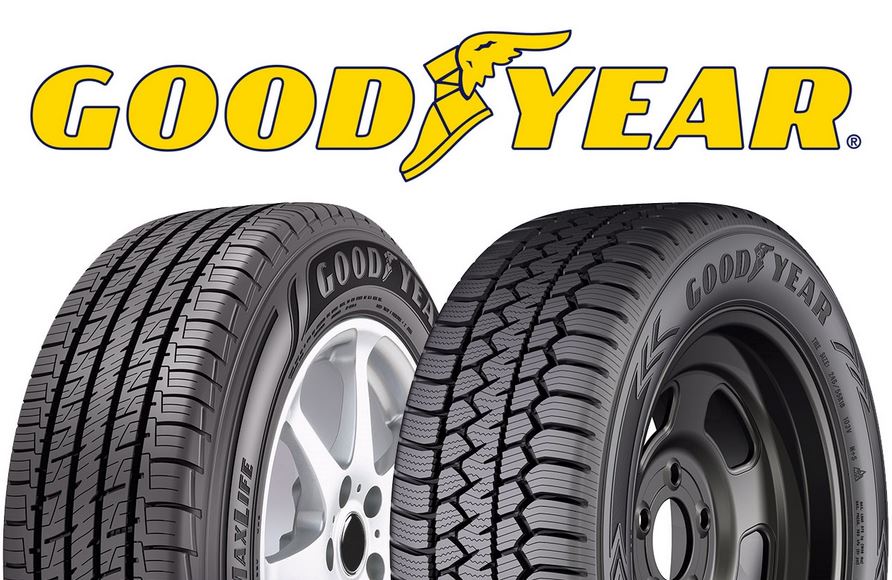
Understanding the Anatomy of a Drive Tire
Before diving into specific tire models, it's essential to understand the key components that contribute to a drive tire's performance:
- Tread Pattern: The tread pattern is the design on the tire's surface that provides traction. Different patterns are optimized for specific applications, such as long-haul, regional, or on/off-road use. Aggressive patterns offer better grip in mud and snow, while less aggressive patterns reduce rolling resistance for improved fuel economy.
- Rubber Compound: The rubber compound determines the tire's grip, durability, and rolling resistance. Compounds designed for long-haul applications prioritize low rolling resistance and longevity, while compounds for regional or on/off-road use focus on traction and cut resistance.
- Casing: The casing is the tire's structural framework, providing strength and stability. A robust casing is essential for handling heavy loads and resisting damage from impacts and punctures.
- Sidewall: The sidewall provides information about the tire's size, load capacity, and speed rating. It also contributes to the tire's overall stability and handling.

Types of Semi Truck Drive Tires
Drive tires can be broadly categorized based on their intended application:

- Long-Haul Drive Tires: Designed for long-distance highway driving, these tires prioritize fuel efficiency, tread life, and a smooth ride. They typically feature less aggressive tread patterns and compounds optimized for low rolling resistance.
- Regional Drive Tires: Suitable for regional deliveries and shorter hauls, these tires offer a balance of fuel efficiency, traction, and durability. They often have slightly more aggressive tread patterns than long-haul tires to provide better grip in varying conditions.
- On/Off-Road Drive Tires: Designed for trucks that operate both on and off paved roads, these tires prioritize traction and durability. They feature aggressive tread patterns and robust construction to withstand the demands of rough terrain.
- Winter Drive Tires: Specifically designed for winter conditions, these tires feature specialized tread patterns and rubber compounds that provide superior grip on snow and ice. They are often marked with the three-peak mountain snowflake (3PMSF) symbol.
Factors to Consider When Choosing Drive Tires
Selecting the right drive tires requires careful consideration of several factors:
- Application: Determine the primary type of driving you will be doing (long-haul, regional, on/off-road).
- Load Requirements: Ensure the tires have a load capacity that meets or exceeds your truck's maximum gross vehicle weight (GVW).
- Climate and Terrain: Consider the typical weather conditions and road surfaces you will encounter.
- Fuel Efficiency Goals: If fuel economy is a top priority, choose tires with low rolling resistance.
- Budget: Balance your needs and priorities with your budget.
- Fleet Requirements: If you are managing a fleet, consider standardizing tire models to simplify maintenance and inventory management.
Top Drive Tire Recommendations (Examples):
Please note: Tire availability and pricing can vary significantly based on location and vendor. The following are examples and should be researched further based on your specific needs and current market conditions.
- Michelin X Line Energy D+: Known for its excellent fuel efficiency and long tread life, ideal for long-haul applications.
- Bridgestone M726 ELA: A popular choice for regional hauling, offering a good balance of fuel efficiency, traction, and durability.
- Goodyear Endurance RSA: A versatile tire suitable for a variety of applications, offering good all-around performance.
- Continental HSC3: A robust tire designed for steer axle use, but can be used on drive axles in certain applications needing enhanced handling.
Maintaining Your Drive Tires for Optimal Performance
Proper tire maintenance is crucial for maximizing tire life, fuel efficiency, and safety. Key maintenance practices include:
- Regular Tire Pressure Checks: Check tire pressure regularly (ideally before each trip) and inflate to the recommended pressure.
- Wheel Alignment: Ensure proper wheel alignment to prevent uneven tire wear.
- Tire Rotation: Rotate tires regularly to distribute wear evenly.
- Visual Inspections: Inspect tires regularly for cuts, bulges, and other damage.
- Professional Inspections: Schedule regular professional tire inspections.
- Avoid Overloading: Never exceed the tire's maximum load capacity.
Potential Challenges and Solutions
- Uneven Tire Wear: Can be caused by misalignment, improper inflation, or worn suspension components. Solution: Address the underlying cause.
- Premature Tire Wear: Can be caused by aggressive driving, overloading, or poor maintenance. Solution: Modify driving habits, avoid overloading, and improve maintenance practices.
- Flats and Blowouts: Can be caused by road hazards, improper inflation, or tire damage. Solution: Inspect tires regularly, maintain proper inflation, and avoid driving on damaged tires.
Table of Drive Tire Information
| Tire Model | Application | Key Features | Estimated Price (USD) | Pros | Cons |
|---|---|---|---|---|---|
| Michelin X Line Energy D+ | Long-Haul | Low rolling resistance, long tread life, optimized for fuel efficiency | $450 - $550 | Excellent fuel economy, long-lasting, smooth ride | Higher initial cost, may not be ideal for aggressive terrains |
| Bridgestone M726 ELA | Regional | Balanced performance, good traction, durable casing | $400 - $500 | Good balance of fuel efficiency and traction, durable construction | May not offer the same fuel economy as dedicated long-haul tires |
| Goodyear Endurance RSA | All-Purpose | Versatile performance, good all-around traction, suitable for various applications | $380 - $480 | Versatile, good all-around performance, relatively affordable | May not excel in any specific area compared to specialized tires |
| Continental HSC3 | Steer/Drive | Enhanced Handling, Durable, Wide tread | $420 - $520 | Enhanced handling and steering precision, robust construction, good for heavy loads | May not be the best option for fuel efficiency, more suitable for specific applications requiring handling |
Disclaimer: Prices are estimates and can vary based on vendor, location, and tire size.
Frequently Asked Questions (FAQ)
-
Q: How do I know what size drive tires to buy?
- A: Consult your truck's owner's manual or the sticker on the driver's side doorjamb for the recommended tire size. You can also find the tire size on the sidewall of your current tires.
-
Q: What is rolling resistance, and why is it important?
- A: Rolling resistance is the force required to keep a tire rolling. Lower rolling resistance means less energy is required, resulting in improved fuel efficiency.
-
Q: How often should I rotate my drive tires?
- A: Consult your tire manufacturer's recommendations for specific rotation intervals. A general guideline is to rotate tires every 5,000 to 10,000 miles.
-
Q: Can I mix different brands of drive tires on my truck?
- A: It is generally not recommended to mix different brands or tread patterns on the same axle. This can lead to uneven wear and handling problems.
-
Q: What is the difference between a retread and a new tire?
- A: A retread tire is a used tire that has had a new tread applied to the casing. Retreads can be a cost-effective option for some applications, but they may not offer the same performance or longevity as new tires. Ensure retreads are from reputable sources.
Conclusion
Choosing the best semi truck drive tires is a critical decision that can significantly impact your bottom line and safety. By understanding the different types of tires, considering your specific needs, and implementing proper maintenance practices, you can select tires that will provide optimal performance, longevity, and value. Remember to prioritize safety, fuel efficiency, and durability when making your decision, and always consult with a qualified tire professional for personalized recommendations. Investing in quality drive tires is an investment in your truck's performance and your peace of mind on the long road ahead.