Gravel roads: the arteries of rural landscapes, the access routes to adventure, and the bane of many a truck owner. They offer stunning scenery and access to remote locations, but they also present a unique challenge to your vehicle's tires. The constant barrage of sharp rocks, loose surfaces, and unpredictable conditions can quickly wear down an unsuitable tire, leading to premature replacements, decreased fuel efficiency, and even dangerous situations. Choosing the best gravel road truck tires is therefore crucial for safety, performance, and the longevity of your investment. This article will guide you through the key considerations, top tire options, and practical advice to ensure you're equipped to conquer any gravel road with confidence.
What Makes a Great Gravel Road Tire?
Conquering the Unpaved: Finding the Best Gravel Road Truck Tires
Before diving into specific models, it's essential to understand the characteristics that define a top-performing gravel road tire. These include:
- Durability and Puncture Resistance: This is arguably the most critical factor. A tire's ability to withstand sharp rocks and resist punctures is paramount. Look for tires with robust sidewalls, multiple plies in the tread, and cut-and-chip resistant compounds.
- Tread Pattern and Traction: A well-designed tread pattern is essential for maintaining grip on loose gravel surfaces. Aggressive patterns with wide grooves and large blocks provide excellent biting edges for traction, while also effectively evacuating gravel and debris.
- Load Capacity: Gravel roads often lead to worksites or recreational areas where hauling heavy loads is common. Ensure your tires have the appropriate load rating to handle the weight of your truck and its cargo.
- Ride Comfort and Noise: While durability and traction are paramount, a comfortable ride and minimal road noise are also desirable, especially if you spend a significant amount of time on paved roads as well.
- Wear Resistance: Gravel roads can be abrasive. A tire with a long tread life will save you money in the long run. Look for tires specifically formulated for durability on rough surfaces.

Key Considerations Before Buying Gravel Road Tires:
-
Your Driving Habits: How often do you drive on gravel roads? What percentage of your driving is on paved versus unpaved surfaces? This will influence the type of tire you need. Someone who primarily drives on pavement with occasional gravel road use can opt for a less aggressive all-terrain tire, while someone who frequently traverses gravel roads requires a more specialized tire.
-
Your Truck Type and Usage: What type of truck do you have (e.g., light-duty pickup, heavy-duty truck)? What do you use it for (e.g., daily commuting, hauling equipment, off-roading)? This will determine the appropriate tire size, load rating, and overall performance characteristics.
-
Climate and Terrain: Consider the climate and terrain you'll be driving in. Are you dealing with dry, rocky conditions, or wet, muddy gravel roads? Do you experience snow and ice? This will influence the tread pattern and compound you need.

-
Budget: Gravel road tires can range in price from budget-friendly to premium options. Set a realistic budget and prioritize the features that are most important to you.
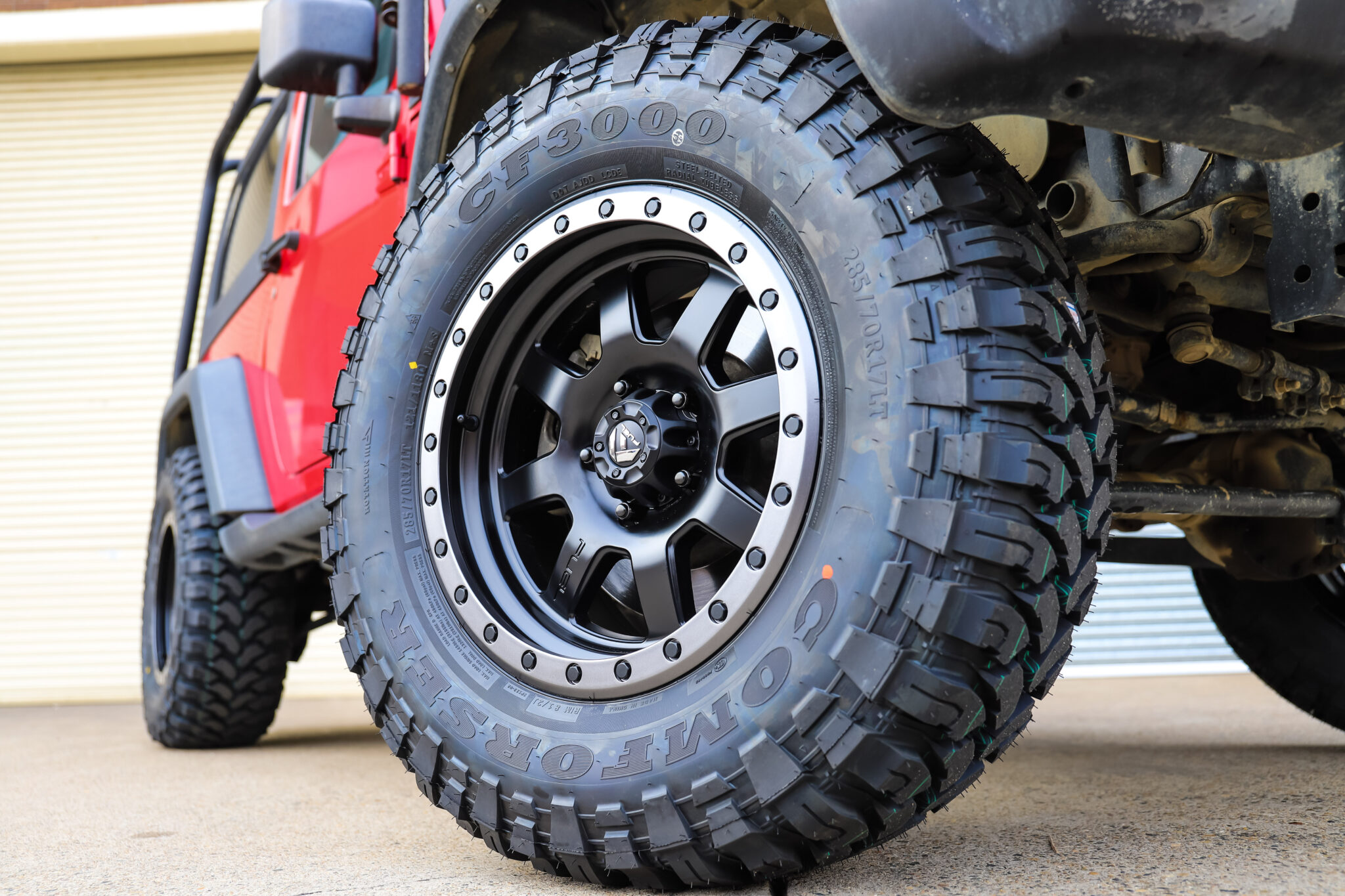
Types of Tires Suitable for Gravel Roads:
- All-Terrain (AT) Tires: These tires offer a good balance of on-road comfort and off-road capability. They typically have a more aggressive tread pattern than highway tires, providing decent traction on gravel roads. They are a good choice for drivers who spend a moderate amount of time on gravel roads.
- Mud-Terrain (MT) Tires: These tires are designed for extreme off-road conditions, including mud, rocks, and gravel. They have very aggressive tread patterns with large blocks and wide voids. While they offer excellent traction on gravel, they can be noisy and uncomfortable on paved roads and may wear down faster.
- Rugged Terrain (RT) Tires: These tires represent a middle ground between AT and MT tires. They offer more aggressive tread patterns than AT tires, providing better traction on gravel, but they are typically quieter and more comfortable on paved roads than MT tires.
- Commercial Traction Tires: Designed for heavy-duty use, these tires often feature aggressive tread patterns and durable construction to withstand the rigors of gravel roads and demanding work environments.
Top Tire Recommendations for Gravel Roads (with estimated prices - prices may vary):
| Tire Model | Tire Type | Key Features | Estimated Price (per tire) | Pros | Cons |
|---|---|---|---|---|---|
| BFGoodrich All-Terrain T/A KO2 | All-Terrain | Durable construction, aggressive tread pattern, excellent all-weather traction, good on-road manners. | $200 - $400 | Versatile, long-lasting, excellent reputation, good in snow. | Can be slightly noisy. |
| Goodyear Wrangler DuraTrac | All-Terrain | Aggressive tread pattern, durable construction, good snow traction, self-cleaning tread. | $180 - $350 | Excellent off-road traction, good in snow and ice, durable. | Can be noisy on pavement. |
| Falken Wildpeak A/T3W | All-Terrain | Aggressive tread pattern, durable construction, good snow traction, quiet on-road performance. | $150 - $300 | Excellent value, good off-road and on-road performance, good in snow. | Not as durable as some other options. |
| Cooper Discoverer AT3 XLT | All-Terrain | Durable construction, aggressive tread pattern, good on-road manners, excellent wear resistance. | $170 - $320 | Long-lasting, good off-road and on-road performance, quiet. | Can be less aggressive than some other AT tires. |
| Nitto Ridge Grappler | Rugged Terrain | Aggressive tread pattern, durable construction, relatively quiet on-road performance, good off-road traction. | $250 - $450 | Good balance of off-road traction and on-road comfort, durable. | Can be expensive. |
| General Grabber A/TX | All-Terrain | Durable construction, aggressive tread pattern, excellent value, good on-road manners. | $160 - $300 | Excellent value, good off-road and on-road performance. | Not as durable as some premium options. |
| Toyo Open Country M/T | Mud Terrain | Extremely aggressive tread pattern, excellent off-road traction, durable construction. | $300 - $500 | Unmatched off-road traction, durable. | Noisy on pavement, can wear down quickly. |
| Michelin LTX A/T2 | All-Terrain | Quiet Ride, comfortable, very long lasting, good fuel economy, very good performance on the highway | $200 - $350 | Long-lasting, comfortable ride on the highway, good fuel economy. | Lacking the aggressive look of some other all-terrain tires, less traction in deep mud. |
Tips for Extending Tire Life on Gravel Roads:
- Maintain Proper Tire Pressure: Regularly check and maintain the correct tire pressure as recommended by the tire manufacturer or your vehicle's owner's manual. Underinflated tires are more susceptible to punctures and sidewall damage.
- Rotate Your Tires Regularly: Rotating your tires every 5,000-7,000 miles helps ensure even wear and extends their lifespan.
- Drive Carefully: Avoid sharp rocks and potholes whenever possible. Reduce your speed on gravel roads to minimize the impact on your tires.
- Inspect Your Tires Regularly: Check your tires for cuts, bulges, and embedded rocks. Remove any rocks or debris from the tread.
- Consider Tire Sealant: Tire sealant can help prevent flats and punctures, especially on gravel roads.
Potential Challenges and Solutions:
- Punctures: Carry a tire repair kit and know how to use it. Consider using tire sealant.
- Sidewall Damage: Choose tires with reinforced sidewalls. Drive cautiously and avoid sharp rocks.
- Premature Wear: Maintain proper tire pressure, rotate your tires regularly, and choose tires with a durable tread compound.
- Increased Road Noise: Choose tires with a less aggressive tread pattern if road noise is a concern.
Conclusion:
Choosing the best gravel road truck tires is a crucial investment in your vehicle's safety, performance, and longevity. By considering your driving habits, truck type, climate, and budget, you can select the right tires to conquer any gravel road with confidence. Remember to prioritize durability, traction, and puncture resistance. Maintaining proper tire pressure, rotating your tires regularly, and driving carefully will further extend the life of your tires and ensure a smooth and safe ride. So, gear up, hit the gravel, and enjoy the adventure!
Frequently Asked Questions (FAQ):
-
Q: What is the best tire pressure for gravel roads?
- A: Refer to your tire manufacturer's recommendations and your vehicle's owner's manual. Generally, slightly lowering tire pressure (within the recommended range) can improve traction on gravel, but avoid underinflation, which can lead to overheating and sidewall damage.
-
Q: Can I use passenger car tires on gravel roads?
- A: It's not recommended. Passenger car tires are not designed for the rigors of gravel roads and are more susceptible to punctures and damage.
-
Q: Are mud-terrain tires necessary for gravel roads?
- A: Not always. Mud-terrain tires offer excellent traction but can be noisy and uncomfortable on pavement. All-terrain or rugged terrain tires may be a better choice for drivers who spend a significant amount of time on paved roads.
-
Q: How often should I rotate my tires when driving on gravel roads?
- A: Rotate your tires every 5,000-7,000 miles, or more frequently if you notice uneven wear.
-
Q: Should I use tire sealant on gravel roads?
- A: Tire sealant can be a good idea to help prevent flats and punctures, especially if you frequently drive on gravel roads.
-
Q: What does "ply rating" mean?
- A: Ply rating refers to the tire's load-carrying capacity. Higher ply ratings indicate a stronger tire that can handle heavier loads.