Introduction: Reaching New Heights in Arboriculture
Tree work is a challenging and often dangerous profession. Arborists constantly navigate complex environments, working at considerable heights to prune, trim, remove, and maintain trees. For many tree care operations, a bucket truck, also known as an aerial lift, is not just a convenience, it's an absolute necessity. Selecting the "best" bucket truck for tree work isn't a one-size-fits-all answer. It depends heavily on the specific needs of your business, the types of jobs you typically undertake, and your budget. This guide will provide a comprehensive overview of the key considerations, types of bucket trucks, practical advice, and potential challenges to help you make an informed decision and choose the best bucket truck to elevate your tree care operations.
The Best Bucket Truck for Tree Work: A Comprehensive Guide
Section 1: Why a Bucket Truck is Essential for Tree Work
Before diving into the specifics of selecting a truck, let's solidify why they are crucial. Bucket trucks offer several advantages over traditional climbing techniques:
- Enhanced Safety: Bucket trucks significantly reduce the risk of falls, which are a leading cause of injury in tree work. A stable platform with safety harnesses provides a much safer working environment than relying solely on ropes and climbing gear.
- Increased Efficiency: Bucket trucks allow arborists to access specific areas of a tree quickly and easily, saving time and effort compared to climbing. This efficiency translates to more jobs completed per day and increased profitability.
- Improved Precision: A stable platform allows for more precise cuts and trimming, leading to healthier and more aesthetically pleasing trees.
- Reduced Physical Strain: Climbing trees is physically demanding. Bucket trucks minimize the physical exertion required, reducing fatigue and the risk of long-term injuries.
- Access to Difficult Trees: Some trees are simply too large or structurally unsound to climb safely. Bucket trucks provide access to these trees, expanding the range of jobs you can undertake.
Section 2: Key Considerations When Choosing a Bucket Truck
Selecting the right bucket truck requires careful consideration of several factors:
- Working Height: This is the most critical factor. Determine the maximum height you'll need to reach on a regular basis. Consider not just the height of the trees, but also the terrain and any obstacles that might affect your approach. Add a few feet to your estimate for safety and flexibility.
- Horizontal Reach: Horizontal reach is just as important as vertical height. It determines how far the bucket can extend laterally from the truck. Consider the typical spacing of trees you work on and any obstructions like buildings or power lines.
- Bucket Capacity: The bucket's weight capacity determines how much weight (including the arborist, tools, and cut branches) it can safely support. Overloading the bucket is extremely dangerous. Choose a bucket with a capacity that exceeds your typical workload.
- Truck Size and Maneuverability: Consider the types of properties you'll be working on. A larger truck might offer greater reach and capacity, but it could be difficult to maneuver in tight spaces or residential areas. Smaller, more agile trucks are better suited for urban environments.
- Terrain: Will you be working on flat ground, slopes, or uneven terrain? Some bucket trucks are better suited for certain terrains than others. Consider four-wheel drive or specialized suspension systems for challenging environments.
- Power Source: Bucket trucks can be powered by gasoline, diesel, or electric motors. Gasoline engines are typically less expensive but may require more maintenance. Diesel engines offer better fuel economy and durability. Electric bucket trucks are becoming increasingly popular due to their environmental friendliness and quiet operation.
- Boom Type: There are two primary boom types:
- Telescopic Booms: These booms extend and retract like a telescope, offering a straight line of reach. They are ideal for reaching specific points with minimal obstruction.
- Articulating Booms: These booms have multiple joints, allowing them to maneuver around obstacles and reach difficult-to-access areas. They are more versatile but may require more skill to operate.
- Used vs. New: Buying a used bucket truck can save you money, but it's essential to thoroughly inspect the truck and its components for wear and tear. Hire a qualified mechanic to perform a pre-purchase inspection. New bucket trucks offer the latest technology and warranties, but they come at a higher cost.
- Budget: Bucket trucks are a significant investment. Determine your budget and explore financing options if necessary. Remember to factor in ongoing maintenance costs, insurance, and training.
- Safety Features: Ensure the truck is equipped with essential safety features, such as outriggers, emergency shut-off switches, boom interlocks, and safety harnesses.

Section 3: Types of Bucket Trucks for Tree Work
Here's a breakdown of the common types of bucket trucks used in the tree care industry:
- Insulated Bucket Trucks: These trucks have insulated booms and buckets, protecting the arborist from electrical shock when working near power lines. Insulation is crucial for safety and may be required by law in certain areas.
- Non-Insulated Bucket Trucks: These trucks are suitable for tree work that doesn't involve working near power lines. They are typically less expensive than insulated models.
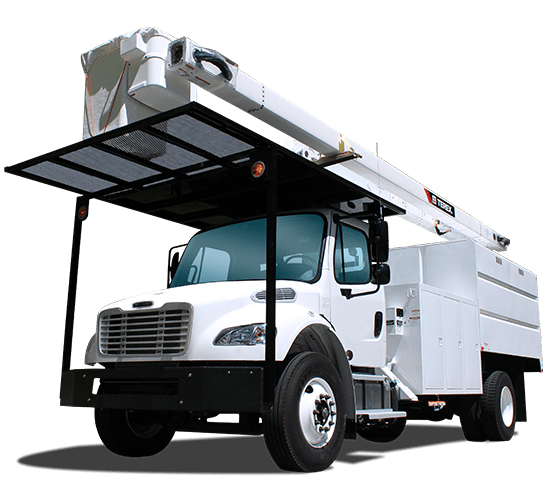
- Chip Trucks with Bucket: These trucks combine a bucket lift with a chipper body, allowing you to chip branches and debris directly into the truck. This streamlines the cleanup process and reduces the need for separate equipment.
- Compact Bucket Trucks: These smaller, more maneuverable trucks are ideal for urban environments and residential properties with limited access.
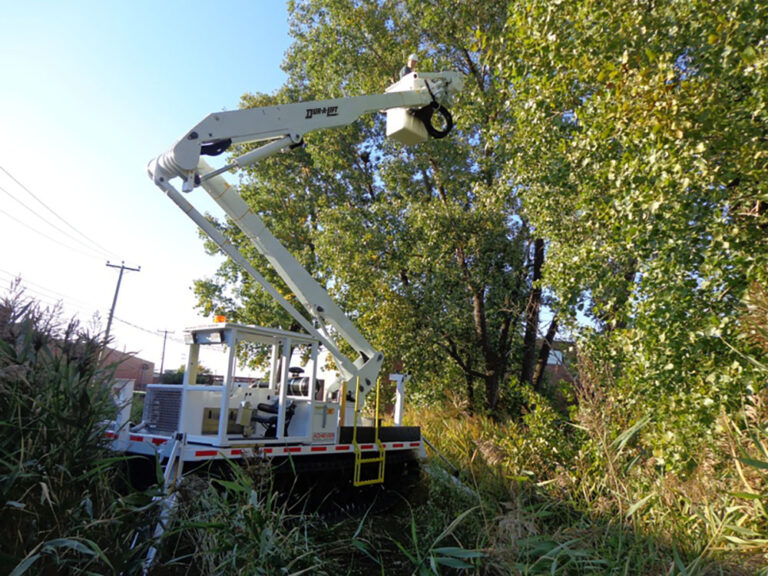
- Tracked Bucket Trucks (Spider Lifts): These trucks have tracks instead of wheels, allowing them to navigate difficult terrain and climb steep slopes. They are often used in orchards and vineyards.
Section 4: Practical Advice and Actionable Insights
- Get Trained: Proper training is essential for safely operating a bucket truck. Enroll in a certified training program that covers all aspects of bucket truck operation, including pre-trip inspections, boom operation, safety procedures, and emergency response.
- Perform Regular Inspections: Before each use, conduct a thorough inspection of the bucket truck, checking for any signs of damage or wear. Pay close attention to the boom, bucket, outriggers, hydraulic system, and safety features.
- Follow Safety Procedures: Always follow established safety procedures when operating a bucket truck. Wear appropriate personal protective equipment (PPE), including a hard hat, safety glasses, and safety harness.
- Maintain Your Truck: Regular maintenance is crucial for keeping your bucket truck in good working condition and preventing costly repairs. Follow the manufacturer's recommended maintenance schedule and keep detailed records of all maintenance activities.
- Consider Leasing: Leasing a bucket truck can be a good option for businesses that don't want to invest in a large capital expense. Leasing offers flexibility and can include maintenance and repair services.
- Network with Other Arborists: Talk to other arborists in your area to get their recommendations on bucket trucks and maintenance providers.
Section 5: Potential Challenges and Solutions
- High Cost: Bucket trucks are expensive. Solution: Explore financing options, consider buying a used truck, or lease a truck.
- Maintenance Costs: Bucket trucks require regular maintenance. Solution: Establish a maintenance schedule, keep detailed records, and hire a qualified mechanic.
- Training Requirements: Operating a bucket truck requires specialized training. Solution: Enroll in a certified training program and ensure all operators are properly trained.
- Maneuverability Issues: Large bucket trucks can be difficult to maneuver in tight spaces. Solution: Choose a smaller, more agile truck or consider using a tracked bucket truck.
- Power Line Hazards: Working near power lines is extremely dangerous. Solution: Use an insulated bucket truck, maintain a safe distance from power lines, and de-energize power lines whenever possible.
Section 6: Price Table
| Feature/Aspect | New Bucket Truck (Estimate) | Used Bucket Truck (Estimate) | Leasing (Monthly, Estimate) |
|---|---|---|---|
| Basic Non-Insulated | $80,000 - $120,000 | $40,000 - $70,000 | $1,500 - $2,500 |
| Insulated (Most Common) | $120,000 - $250,000 | $70,000 - $150,000 | $2,500 - $4,500 |
| Chip Truck Combination | $150,000 - $300,000+ | $90,000 - $200,000+ | $3,000 - $6,000+ |
| Compact/Tracked | $90,000 - $200,000+ | $50,000 - $120,000+ | $2,000 - $4,000+ |
| Factors Affecting Price | Boom Height, Insulation, Brand, Chassis, Features | Age, Condition, Hours, History | Contract Length, Included Services, Truck Type |
Note: These are estimated ranges. Actual prices vary based on specific models, features, and market conditions. Always get quotes from multiple dealers.
Conclusion: Choosing the Right Tool for the Job
Selecting the best bucket truck for tree work is a crucial decision that can significantly impact your business's safety, efficiency, and profitability. By carefully considering the factors outlined in this guide, you can choose a truck that meets your specific needs and helps you reach new heights in your arboricultural endeavors. Remember to prioritize safety, invest in proper training, and maintain your truck regularly to ensure its longevity and reliability. A well-chosen and properly maintained bucket truck is an invaluable asset for any tree care professional.
Frequently Asked Questions (FAQ)
- Q: How often should I inspect my bucket truck?
- A: You should perform a thorough inspection before each use.
- Q: What is the difference between an insulated and a non-insulated bucket truck?
- A: Insulated bucket trucks have insulated booms and buckets, protecting the arborist from electrical shock when working near power lines.
- Q: Is it better to buy a new or used bucket truck?
- A: It depends on your budget and needs. New trucks offer the latest technology and warranties, while used trucks can save you money.
- Q: How much does it cost to maintain a bucket truck?
- A: Maintenance costs vary depending on the truck's age, condition, and usage. It's essential to budget for regular maintenance.
- Q: Do I need a special license to operate a bucket truck?
- A: Licensing requirements vary by location. Check with your local authorities to determine the specific requirements in your area.
- Q: What safety features should I look for in a bucket truck?
- A: Essential safety features include outriggers, emergency shut-off switches, boom interlocks, and safety harnesses.
- Q: Can I use a bucket truck in the rain?
- A: Operating a bucket truck in the rain can be hazardous. Exercise caution and follow all safety procedures. Avoid operating the truck in heavy rain or thunderstorms.
- Q: How high can a bucket truck reach?
- A: Bucket truck heights vary, but typical tree work models range from 40 to 75 feet, with some reaching over 100 feet.
- Q: What is the best boom type for tree work?
- A: Articulating booms are generally preferred for their versatility in navigating around obstacles, but telescopic booms can be useful for straight-line reach.
- Q: What should I do if my bucket truck breaks down on the job?
- A: Follow your company's emergency procedures. Ensure the area is safe, and contact a qualified mechanic for assistance.