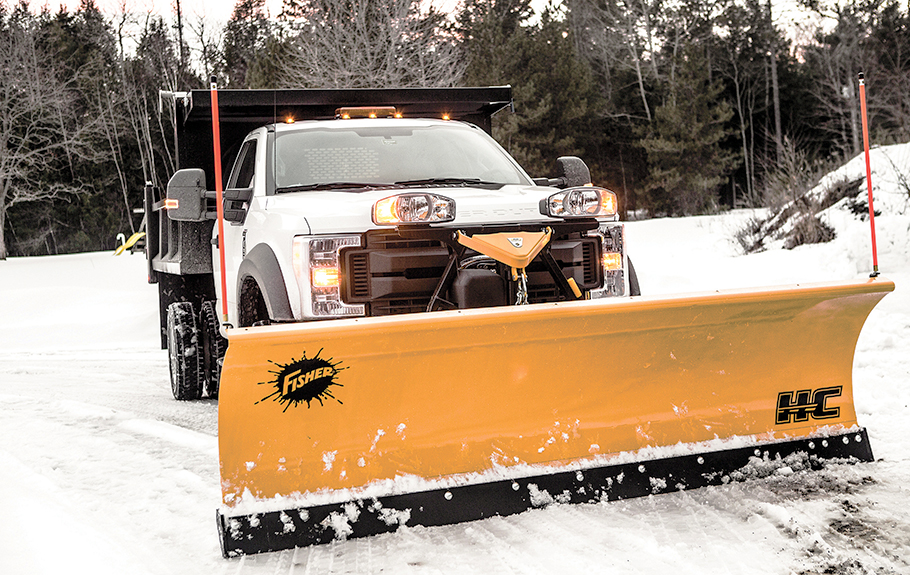
When winter hits, your snow plow truck becomes an indispensable tool for keeping roads clear and businesses accessible. But a snow plow is a demanding machine, placing a significant strain on its electrical system. A weak or unreliable battery can leave you stranded in the cold, jeopardizing your efficiency and potentially your safety. Choosing the best battery for your snow plow truck is therefore a crucial investment, ensuring reliable starts, consistent power for your plow operations, and overall peace of mind during the harshest winter conditions.
This comprehensive guide will delve into the intricacies of selecting the right battery, covering key considerations, battery types, practical advice, and frequently asked questions. By the end, you'll be equipped with the knowledge to confidently choose the best battery to power your snow plow truck through even the toughest winters.
The Ultimate Guide to Choosing the Best Battery For Your Snow Plow Truck
I. Understanding the Demands of a Snow Plow Truck Battery
Before diving into specific battery types, it's essential to understand the unique demands placed on a snow plow truck battery. These demands go far beyond simply starting the engine:
- High Cold Cranking Amps (CCA): Starting a cold engine in sub-freezing temperatures requires significant power. The CCA rating indicates a battery's ability to deliver a high current burst for 30 seconds at 0°F (-18°C) while maintaining a minimum voltage. A higher CCA rating is crucial for reliable starts in winter.
- Deep Cycling Capability: Plowing often involves frequent stopping and starting, combined with operating accessories like lights, radios, and hydraulic pumps. This repeated discharge and recharge cycle, known as deep cycling, puts a strain on standard car batteries. A battery designed for deep cycling can withstand this stress better and maintain its performance over time.
- Reserve Capacity (RC): The reserve capacity indicates how long a battery can supply a constant current (usually 25 amps) before its voltage drops below a usable level. This is particularly important if your alternator fails while you're plowing, allowing you to operate for a limited time and reach safety.
- Vibration Resistance: Plowing involves navigating rough terrain and enduring constant vibrations. A battery designed to withstand these vibrations is less likely to experience internal damage and will have a longer lifespan.
- Corrosion Resistance: Road salt and other de-icing chemicals are highly corrosive. A battery with terminals and casing resistant to corrosion will ensure reliable connections and prevent premature failure.

II. Exploring Different Battery Types for Snow Plow Trucks
Several battery types are suitable for snow plow trucks, each with its own advantages and disadvantages:
- Flooded Lead-Acid Batteries (Wet Cell): These are the most common and typically the least expensive type of battery. They contain liquid electrolyte and require periodic maintenance to check and replenish the water level. While generally less expensive, they are also more susceptible to damage from vibration and deep cycling compared to other options. They also tend to be more prone to spilling if tilted.
- Absorbent Glass Mat (AGM) Batteries: AGM batteries are a type of sealed lead-acid battery where the electrolyte is absorbed into a fiberglass mat, preventing spills and allowing them to be mounted in any orientation. They offer superior vibration resistance, deep cycling capability, and cold-cranking performance compared to flooded batteries. They also require no maintenance. However, they typically come at a higher price point.
- Gel Cell Batteries: Gel cell batteries are another type of sealed lead-acid battery where the electrolyte is in a gel form. They are extremely resistant to vibration and deep cycling but are more sensitive to overcharging than AGM batteries. They are generally more expensive than AGM batteries and may not offer significantly better performance in a snow plow application.
- Lithium-Ion Batteries (LiFePO4): While typically more expensive upfront, lithium-ion batteries (specifically LiFePO4) offer significant advantages in terms of weight, lifespan, and energy density. They can withstand thousands of deep discharge cycles, providing years of reliable service. They also offer excellent cold-cranking performance and maintain a more consistent voltage throughout their discharge cycle. However, they require a compatible charging system and may be more susceptible to damage from extreme cold if not properly insulated or heated. They are still relatively uncommon in snow plow applications but are gaining popularity as technology advances and prices decrease.

III. Key Considerations When Choosing a Battery
When selecting the best battery for your snow plow truck, consider the following factors:
- Battery Group Size: The battery group size refers to the physical dimensions and terminal placement of the battery. Consult your vehicle's owner's manual or use an online battery finder tool to determine the correct group size for your truck.
- CCA Rating: As mentioned earlier, the CCA rating is critical for reliable cold-weather starts. Aim for a CCA rating that meets or exceeds the manufacturer's recommendations for your truck and engine. Err on the side of higher CCA if you frequently operate in extremely cold conditions.
- Reserve Capacity: A higher reserve capacity will provide more backup power in case of an alternator failure. Consider a battery with a reserve capacity of at least 120 minutes.
- Warranty: A longer warranty indicates the manufacturer's confidence in the battery's quality and durability. Pay attention to the warranty terms and conditions, including coverage for deep cycling and vibration damage.
- Budget: Battery prices can vary significantly depending on the type, brand, and specifications. Set a budget beforehand and compare different options within your price range. While it's tempting to go for the cheapest option, investing in a higher-quality battery can save you money in the long run by providing longer lifespan and more reliable performance.
- Brand Reputation: Research different battery brands and read reviews from other snow plow operators. Choose a reputable brand known for producing high-quality, durable batteries.
IV. Practical Tips for Maintaining Your Snow Plow Truck Battery
Proper maintenance can significantly extend the lifespan of your battery and ensure reliable performance:
- Keep the Battery Clean: Regularly clean the battery terminals and casing to remove dirt, corrosion, and debris. Use a battery terminal cleaner or a mixture of baking soda and water.
- Check the Electrolyte Level (for Flooded Batteries): For flooded lead-acid batteries, periodically check the electrolyte level and add distilled water as needed to keep the plates submerged.
- Secure the Battery Properly: Ensure the battery is securely mounted in its tray to prevent vibration damage.
- Use a Battery Maintainer: When your truck is not in use for extended periods, use a battery maintainer (also known as a trickle charger) to keep the battery fully charged and prevent sulfation.
- Avoid Deep Discharges: Repeatedly discharging the battery to very low levels can shorten its lifespan. Minimize idling and avoid running accessories for extended periods with the engine off.
- Regularly Test Your Battery: Have your battery tested periodically by a qualified technician to assess its health and identify any potential issues before they lead to failure.
V. Potential Challenges and Solutions
- Extreme Cold: Cold temperatures can significantly reduce battery performance. Consider using a battery warmer or blanket to keep the battery at a more optimal temperature.
- Corrosion: Road salt and de-icing chemicals can cause corrosion on battery terminals and cables. Use corrosion-resistant terminals and regularly clean and protect the connections.
- Vibration: Constant vibration can damage the internal components of the battery. Choose a battery with high vibration resistance and ensure it is securely mounted.
- Overcharging: Overcharging can damage the battery. Use a properly regulated charging system and avoid overcharging the battery with a battery charger.
VI. Sample Battery Price Table
| Battery Type | Brand | Group Size | CCA | Reserve Capacity | Warranty | Estimated Price |
|---|---|---|---|---|---|---|
| Flooded Lead-Acid | ACDelco | 78 | 800 | 120 min | 2 years | $120 - $180 |
| AGM | Optima | 34/78 | 800 | 100 min | 3 years | $250 - $350 |
| AGM | Odyssey | 65 | 950 | 135 min | 4 years | $300 - $400 |
| LiFePO4 | Battle Born | 100Ah (Equivalent) | 1000 | N/A | 10 years | $900 - $1200 |
Note: Prices are estimates and may vary depending on the retailer and specific model.
VII. Frequently Asked Questions (FAQ)
- Q: What does CCA stand for?
- A: Cold Cranking Amps. It measures a battery's ability to deliver a high current burst for 30 seconds at 0°F (-18°C) while maintaining a minimum voltage.
- Q: Is a higher CCA rating always better?
- A: Generally, yes. A higher CCA rating indicates a stronger battery, especially in cold weather. However, make sure the CCA rating is appropriate for your vehicle's requirements.
- Q: Can I use a car battery in my snow plow truck?
- A: While you can, it's not recommended. Car batteries are not designed for the deep cycling and heavy demands of a snow plow truck. A deep-cycle battery or AGM battery is a much better choice.
- Q: How often should I replace my snow plow truck battery?
- A: The lifespan of a snow plow truck battery varies depending on the type, usage, and maintenance. However, most batteries will need to be replaced every 3-5 years.
- Q: Where can I buy a snow plow truck battery?
- A: You can purchase batteries from auto parts stores, online retailers, and some big box stores.
- Q: How do I dispose of my old battery?
- A: Most auto parts stores will accept old batteries for recycling. Never dispose of a battery in the trash.
VIII. Conclusion
Choosing the best battery for your snow plow truck is a critical decision that impacts its reliability and performance throughout the winter season. By understanding the demands placed on the battery, exploring different battery types, and considering key factors like CCA, reserve capacity, and warranty, you can make an informed choice that meets your specific needs and budget. Remember to prioritize proper maintenance to extend the lifespan of your battery and ensure your snow plow truck is always ready to tackle the toughest winter conditions. A well-chosen and well-maintained battery will provide the power you need to keep roads clear and businesses accessible, ensuring a safe and productive winter season.