For truck drivers, their cell phone is more than just a device for calls and texts. It's a lifeline, a navigation tool, a communication hub, and often, their only connection to the outside world during long stretches on the road. Choosing the best cell phone carrier, therefore, is a critical decision that impacts not only their productivity but also their safety and well-being. This article will serve as a comprehensive guide, navigating the complexities of cellular service to help truck drivers find the perfect carrier to keep them connected on the open road.
Why a Reliable Cell Phone Carrier is Crucial for Truck Drivers:
The Long Haul Connection: Finding the Best Cell Phone Carrier for Truck Drivers
Truck drivers rely heavily on their cell phones for a multitude of tasks, including:
- Navigation: GPS apps are essential for planning routes, avoiding traffic, and finding fuel stops, rest areas, and weigh stations.
- Communication: Staying in touch with dispatchers, family, and friends is vital for coordinating deliveries, addressing emergencies, and combating loneliness.
- Load Management: Electronic Logging Devices (ELDs) and load boards require a constant internet connection for compliance and finding new opportunities.
- Entertainment: Streaming music, podcasts, and audiobooks helps alleviate boredom during long hours behind the wheel.
- Emergency Assistance: In case of breakdowns or accidents, a reliable cell phone is crucial for contacting roadside assistance or emergency services.
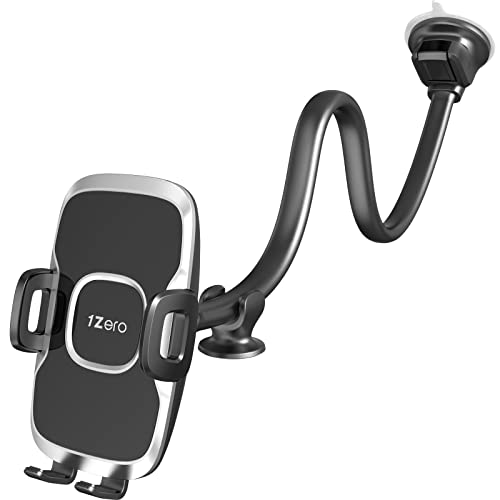
Given these critical functions, a weak signal, limited data, or unreliable service can be detrimental to a truck driver's job and safety.
Factors to Consider When Choosing a Cell Phone Carrier:
Choosing the right cell phone carrier for trucking involves careful consideration of several key factors:
- Coverage Area: This is arguably the most important factor. Truck drivers travel across vast distances, often through rural areas with limited coverage. A carrier with a robust nationwide network is essential.
- Data Allowance: Data is needed for navigation, ELDs, load boards, and entertainment. Consider a plan with ample data or unlimited data, especially if streaming is a frequent activity.
- Price: Budget is always a concern. Compare the costs of different plans and carriers, considering data limits, roaming charges, and potential overage fees.
- Network Speed: Fast download and upload speeds are crucial for streaming, downloading maps, and using data-intensive applications.
- Customer Service: Reliable customer support is essential in case of technical issues or billing discrepancies.
- Roaming Agreements: Understand the carrier's roaming policies, especially when traveling in areas with limited coverage from the primary network.
- Tethering/Hotspot Capabilities: The ability to use your phone as a mobile hotspot can be invaluable for connecting laptops or other devices while on the road.
- 5G Availability: While 5G coverage is still expanding, it offers significantly faster speeds in areas where it's available. Consider a carrier with a growing 5G network.

Top Cell Phone Carriers for Truck Drivers: A Comparative Overview
Here's a breakdown of the major cell phone carriers and their strengths and weaknesses for truck drivers:
- Verizon: Known for its extensive nationwide coverage, particularly in rural areas. Offers a variety of plans, including unlimited data options. However, Verizon tends to be pricier than other carriers.
- AT&T: Another strong contender with excellent nationwide coverage. Offers competitive plans and good network speeds. Their 5G network is also expanding rapidly.
- T-Mobile: T-Mobile boasts a rapidly growing network and competitive pricing, particularly for unlimited data plans. Their coverage is improving, but still lags behind Verizon and AT&T in some rural areas.
- US Cellular: A regional carrier with strong coverage in the Midwest and parts of the East Coast. Offers competitive plans and good customer service in their coverage area.
- Smaller Carriers (MVNOs): Mobile Virtual Network Operators (MVNOs) like Mint Mobile, Visible, and Google Fi use the networks of the major carriers and offer more affordable plans. However, they may have limited customer support and data deprioritization during peak hours.
A Detailed Look at Each Carrier:
-
Verizon:
- Pros: Best overall coverage, reliable service, strong 4G LTE network, expanding 5G network.
- Cons: Higher prices, can experience data throttling on unlimited plans.
- Ideal for: Drivers who prioritize coverage above all else and are willing to pay a premium for reliability.
-
AT&T:
- Pros: Excellent nationwide coverage, fast network speeds, competitive pricing, good customer service.
- Cons: Can be slightly more expensive than T-Mobile, roaming charges may apply in some areas.
- Ideal for: Drivers who need a balance of coverage, speed, and affordability.
-
T-Mobile:
- Pros: Competitive pricing, generous data allowances, improving coverage, strong 5G network.
- Cons: Coverage still not as extensive as Verizon or AT&T, potential data deprioritization during peak hours.
- Ideal for: Drivers who prioritize value and data allowance and primarily travel in areas with good T-Mobile coverage.
-
US Cellular:
- Pros: Strong coverage in the Midwest and East Coast, good customer service.
- Cons: Limited coverage outside of their regional footprint.
- Ideal for: Drivers who primarily operate within US Cellular's coverage area.
-
MVNOs (e.g., Mint Mobile, Visible, Google Fi):
- Pros: Affordable plans, often use the networks of major carriers.
- Cons: Limited customer support, data deprioritization during peak hours, potential roaming restrictions.
- Ideal for: Drivers on a tight budget who don't need extensive customer support and primarily travel in areas with good coverage from the underlying network.
Practical Advice and Actionable Insights:
- Map Your Routes: Before committing to a carrier, map out the routes you typically drive. Check the coverage maps of different carriers to see which offers the best coverage in those areas.
- Read Reviews: Look for reviews from other truck drivers regarding their experiences with different carriers in your typical driving areas.
- Consider a Signal Booster: If you frequently drive in areas with weak signal, consider investing in a cell phone signal booster for your truck.
- Test the Service: If possible, try out a carrier's service before committing to a long-term contract. Many carriers offer free trials or prepaid options.
- Negotiate with Your Carrier: Don't be afraid to negotiate with your carrier for a better deal, especially if you're a long-term customer.
- Monitor Your Data Usage: Keep track of your data usage to avoid overage charges or data throttling.
Potential Challenges and Solutions:
- Challenge: Weak signal in rural areas.
- Solution: Choose a carrier with strong rural coverage, consider a signal booster, or use Wi-Fi at truck stops and rest areas.
- Challenge: High data costs.
- Solution: Choose a plan with ample data, monitor your usage, and use Wi-Fi whenever possible.
- Challenge: Unreliable customer service.
- Solution: Read reviews of different carriers' customer service before signing up, and be prepared to escalate issues if necessary.
Table: Carrier Comparison for Truck Drivers
| Carrier | Coverage | Data Allowance | Price | Network Speed | Customer Service | Ideal For |
|---|---|---|---|---|---|---|
| Verizon | Excellent | Varies | High | Fast | Good | Drivers prioritizing coverage & reliability |
| AT&T | Excellent | Varies | Moderate | Fast | Good | Balanced coverage, speed, & affordability |
| T-Mobile | Good (Improving) | Varies | Moderate | Fast | Average | Value & data allowance; good T-Mobile coverage |
| US Cellular | Regional | Varies | Moderate | Fast | Good | Drivers primarily in US Cellular's coverage area |
| MVNOs (e.g., Mint) | Varies (Uses Major Networks) | Varies | Low | Varies | Limited | Budget-conscious drivers; good underlying network |
Frequently Asked Questions (FAQ):
-
Q: What is the most important factor when choosing a cell phone carrier for trucking?
- A: Coverage is generally considered the most important factor, as truck drivers travel across vast distances and need reliable service in both urban and rural areas.
-
Q: Is unlimited data necessary for truck drivers?
- A: It depends on your usage. If you stream a lot of music or video, or use data-intensive applications like ELDs and load boards, unlimited data is highly recommended.
-
Q: Are smaller carriers (MVNOs) a good option for truck drivers?
- A: MVNOs can be a good option for budget-conscious drivers, but it's important to check their coverage maps and be aware of potential limitations in customer support and data prioritization.
-
Q: Can I use a cell phone signal booster in my truck?
- A: Yes, cell phone signal boosters can significantly improve signal strength in areas with weak coverage.
-
Q: How can I save money on my cell phone bill as a truck driver?
- A: Choose a plan that fits your data usage, use Wi-Fi whenever possible, and negotiate with your carrier for a better deal.
Conclusion:
Choosing the best cell phone carrier for truck drivers is a crucial decision that impacts their productivity, safety, and well-being. By carefully considering factors like coverage area, data allowance, price, and customer service, and by utilizing the practical advice and actionable insights provided in this guide, truck drivers can find the perfect carrier to keep them connected on the long haul. Ultimately, the "best" carrier is the one that best meets the individual needs and priorities of each driver, ensuring they can stay connected, informed, and safe on the open road.