Starting a diesel engine in freezing temperatures can be a real challenge. Thickened oil, sluggish batteries, and hard-to-ignite fuel all conspire to make cold starts difficult, potentially damaging your engine and shortening its lifespan. That's where an engine block heater comes in. This vital piece of equipment pre-heats the engine, making it easier to start, reducing wear and tear, and even improving fuel efficiency. But with so many options on the market, choosing the "best" engine block heater for your diesel truck can feel overwhelming. This comprehensive guide will walk you through everything you need to know to make an informed decision.
Why You Need an Engine Block Heater for Your Diesel Truck
The Ultimate Guide to Choosing the Best Engine Block Heater for Your Diesel Truck
Diesel engines are known for their robustness and longevity, but they are also particularly susceptible to cold-weather starting problems. The high compression ratios required for diesel combustion make it difficult for the engine to turn over when the oil is thick and the air is cold. An engine block heater addresses these issues in several key ways:
- Easier Starting: By warming the engine block, the heater thins the oil, allowing the starter to turn the engine more easily. This reduces strain on the battery and starter motor.
- Reduced Engine Wear: Cold starts cause significant engine wear due to poor lubrication and increased friction. A block heater helps to minimize this wear, extending the life of your engine.
- Improved Fuel Efficiency: Warming the engine allows it to reach optimal operating temperature faster, resulting in improved fuel economy, especially during short trips.
- Reduced Emissions: A warm engine burns fuel more efficiently, reducing harmful emissions.
- Peace of Mind: Knowing your truck will start reliably even in the coldest weather provides invaluable peace of mind.

Understanding the Different Types of Engine Block Heaters
There are several types of engine block heaters available, each with its own advantages and disadvantages:
-
Freeze Plug Heaters: These are the most common type. They replace a freeze plug in the engine block and heat the coolant directly. They are typically the most effective for overall engine warming.
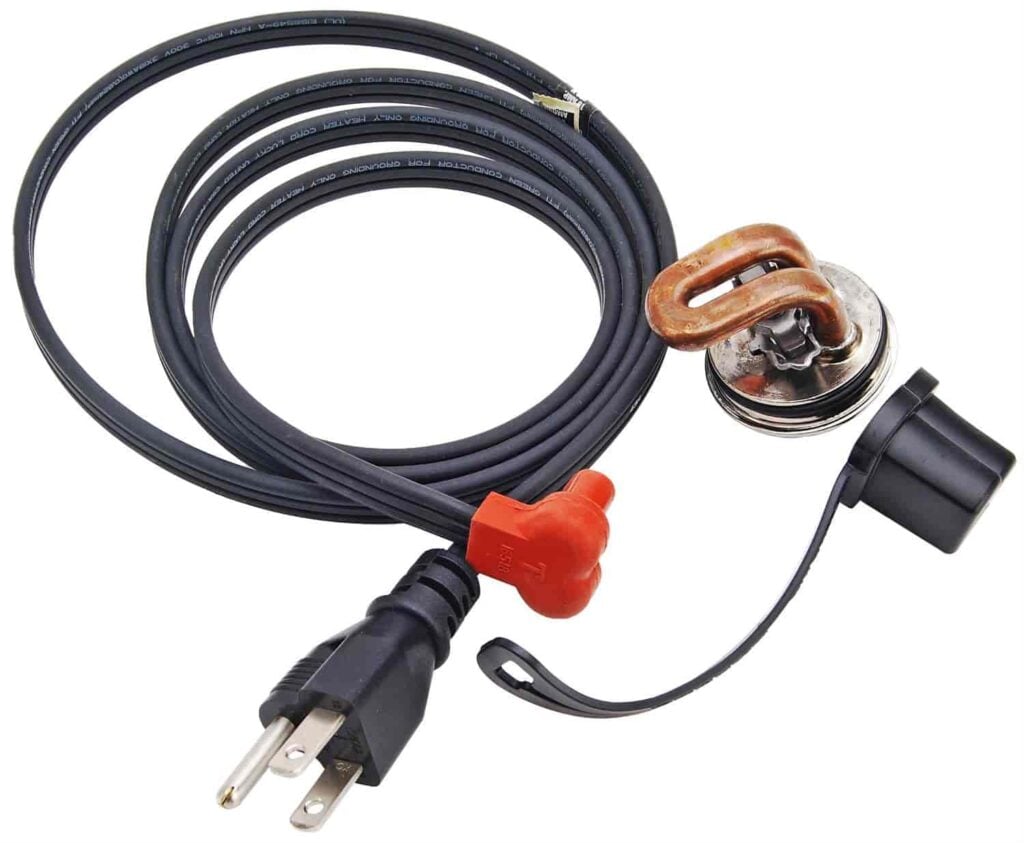
- Pros: Effective heating, relatively inexpensive.
- Cons: Requires draining the coolant for installation, can be more difficult to install.
-
Dipstick Heaters: These heaters are inserted into the dipstick tube and heat the oil.
- Pros: Easy to install, no coolant draining required.
- Cons: Less effective at overall engine warming than freeze plug heaters, heats only the oil.
-
Magnetic Heaters: These heaters attach to the oil pan or engine block using magnets.
- Pros: Very easy to install, portable.
- Cons: Least effective at overall engine warming, can be less secure.
-
In-Line Coolant Heaters: These heaters are installed in the coolant hose and heat the coolant as it circulates.
- Pros: Can be more effective than dipstick or magnetic heaters, relatively easy to install.
- Cons: May require cutting coolant hoses, requires proper hose clamps.

Choosing the Right Engine Block Heater for Your Diesel Truck: Key Considerations
Selecting the best engine block heater for your diesel truck requires careful consideration of several factors:
- Vehicle Make and Model: The most important factor is compatibility. Check the manufacturer's recommendations or consult a mechanic to determine the correct heater type and wattage for your specific truck. Some vehicles have specific freeze plug locations or pre-installed heater ports.
- Climate: If you live in an area with extremely cold winters, you'll need a more powerful heater than someone in a milder climate. Consider the average lowest temperature in your area.
- Wattage: Engine block heaters come in various wattages. Higher wattage heaters will heat the engine more quickly but also consume more electricity. Consult your owner's manual or a mechanic to determine the appropriate wattage for your truck.
- Ease of Installation: Consider your mechanical skills. Freeze plug heaters can be more challenging to install than dipstick or magnetic heaters. If you're not comfortable working on your engine, it's best to have a professional install the heater.
- Safety Features: Look for heaters with built-in thermostats and overheat protection to prevent damage to the engine or electrical system.
- Cord Length and Quality: Ensure the heater has a sufficient cord length to reach a convenient power outlet. Also, check the quality of the cord and plug to ensure they are durable and safe for outdoor use.
- Brand Reputation and Reviews: Research different brands and read reviews from other diesel truck owners to get an idea of the heater's performance and reliability.
Installation Guide (General - Specific to Freeze Plug Heater)
Always consult your vehicle's service manual for specific instructions and safety precautions. This is a general overview.
- Safety First: Disconnect the negative battery terminal before starting any work.
- Drain the Coolant: Locate the radiator drain plug and drain the coolant into a clean container. Dispose of the coolant properly.
- Locate the Freeze Plug: Consult your vehicle's service manual to identify the correct freeze plug location.
- Remove the Freeze Plug: Use a hammer and punch to carefully knock the freeze plug inward. Then, use pliers or a specialized freeze plug removal tool to remove the plug.
- Clean the Opening: Thoroughly clean the opening where the freeze plug was removed, removing any rust or debris.
- Install the Heater: Apply a thin layer of sealant to the heater element and carefully insert it into the opening. Ensure it is properly seated and secured.
- Connect the Wiring: Connect the heater's wiring harness to the vehicle's electrical system, following the manufacturer's instructions.
- Refill the Coolant: Refill the cooling system with the appropriate coolant mixture.
- Check for Leaks: Start the engine and check for any coolant leaks around the heater.
- Test the Heater: Plug in the heater and check to see if it is warming the engine block.
Tips for Using Your Engine Block Heater Effectively
- Use a Timer: Use a timer to turn on the heater a few hours before you plan to start your truck. This will save energy and prevent the engine from overheating. Typically 2-3 hours is sufficient, even in very cold weather.
- Consider an Extension Cord: If your heater's cord isn't long enough to reach an outlet, use a heavy-duty outdoor extension cord.
- Inspect the Heater Regularly: Check the heater's cord and plug for damage regularly. Replace any damaged components immediately.
- Unplug Before Driving: Always unplug the heater before starting and driving your truck.
- Monitor Coolant Levels: Check your coolant levels regularly, especially after installing a freeze plug heater.
Potential Challenges and Solutions
- Difficulty Removing Freeze Plugs: Freeze plugs can be difficult to remove, especially if they are corroded. Use penetrating oil and a specialized freeze plug removal tool.
- Coolant Leaks: Coolant leaks can occur if the heater is not properly installed or if the sealant is not applied correctly. Ensure the heater is properly seated and use a high-quality sealant.
- Electrical Problems: Electrical problems can occur if the heater is not properly wired or if the cord is damaged. Follow the manufacturer's instructions carefully and inspect the cord regularly.
- Heater Failure: Engine block heaters can fail over time. If your heater stops working, replace it immediately.
Conclusion
Investing in the best engine block heater for your diesel truck is a smart decision that can save you time, money, and headaches in the long run. By understanding the different types of heaters available, considering your specific needs, and following the installation and usage tips outlined in this guide, you can choose the perfect heater to keep your truck running smoothly all winter long. Don't let cold weather stop you. Prepare your diesel truck with the right engine block heater and enjoy reliable starts and optimal performance, no matter the temperature.
Price Table: Best Engine Block Heaters for Diesel Trucks
| Heater Type | Brand | Model | Wattage | Estimated Price | Key Features | Pros | Cons |
|---|---|---|---|---|---|---|---|
| Freeze Plug | Kat's Heaters | 11607 600W Freeze Plug Heater | 600W | $30-$50 | Direct replacement, efficient heating | Effective heating, relatively inexpensive | Requires draining coolant, can be difficult to install |
| Freeze Plug | Zerostart | 3100033 Engine Block Heater | 400W | $40-$60 | Heavy-duty construction, reliable performance | Reliable, durable | Requires draining coolant, can be difficult to install |
| Dipstick | Kat's Heaters | 1140 400W Universal Dipstick Heater | 400W | $20-$40 | Easy to install, universal fit | Easy to install, no coolant draining required | Less effective at overall engine warming, heats only the oil |
| Magnetic | Zerostart | 2100005 Magnetic Tank Heater | 200W | $25-$45 | Portable, easy to install | Very easy to install, portable | Least effective at overall engine warming, can be less secure |
| In-Line Coolant | DEI (Design Eng.) | 83525 In-Line Coolant Heater | 150W | $60-$90 | Simple to install, compact design | Relatively easy to install, heats coolant directly | May require cutting coolant hoses, requires proper hose clamps |
| Freeze Plug | Hot Shot Heaters | Hot Shot 3000 Series Freeze Plug Heater | 500W | $55-$75 | Fast Warmup, Thermostatically controlled | Quick and easy installation, built-in thermostat | More expensive than standard freeze plug heaters |
Prices are estimates and may vary depending on the retailer and specific vehicle application.
Frequently Asked Questions (FAQ)
-
Q: How long should I leave my engine block heater plugged in?
- A: Typically, 2-3 hours is sufficient, even in very cold weather. Using a timer is recommended to save energy.
-
Q: Is it safe to leave my engine block heater plugged in overnight?
- A: While generally safe, it's more efficient and cost-effective to use a timer and only heat the engine for a few hours before starting.
-
Q: Can I install an engine block heater myself?
- A: It depends on the type of heater and your mechanical skills. Dipstick and magnetic heaters are relatively easy to install, while freeze plug heaters require more expertise. If you're not comfortable working on your engine, it's best to have a professional install the heater.
-
Q: What wattage engine block heater do I need?
- A: Consult your vehicle's owner's manual or a mechanic to determine the appropriate wattage for your specific truck and climate.
-
Q: How do I know if my engine block heater is working?
- A: After plugging in the heater for a few hours, you should be able to feel warmth on the engine block. You can also use an infrared thermometer to measure the temperature of the block.
-
Q: Can an engine block heater improve fuel efficiency?
- A: Yes, by warming the engine, the heater allows it to reach optimal operating temperature faster, resulting in improved fuel economy, especially during short trips.
-
Q: Where can I buy an engine block heater?
- A: Engine block heaters are available at most auto parts stores, online retailers, and from some mechanics.