The fifth wheel is the unsung hero of the trucking world. This deceptively simple device is the linchpin connecting a semi-truck tractor to its trailer, bearing immense weight and enduring relentless stress on every journey. Choosing the best fifth wheel isn't about brand loyalty; it's about safety, efficiency, and longevity. A poorly chosen or maintained fifth wheel can lead to catastrophic accidents, costly downtime, and compromised cargo. This comprehensive guide will delve into the intricacies of fifth wheels, helping you make an informed decision for your specific trucking needs.
Introduction: The Vital Role of the Fifth Wheel
The Ultimate Guide to Choosing the Best Fifth Wheel for Semi Trucks
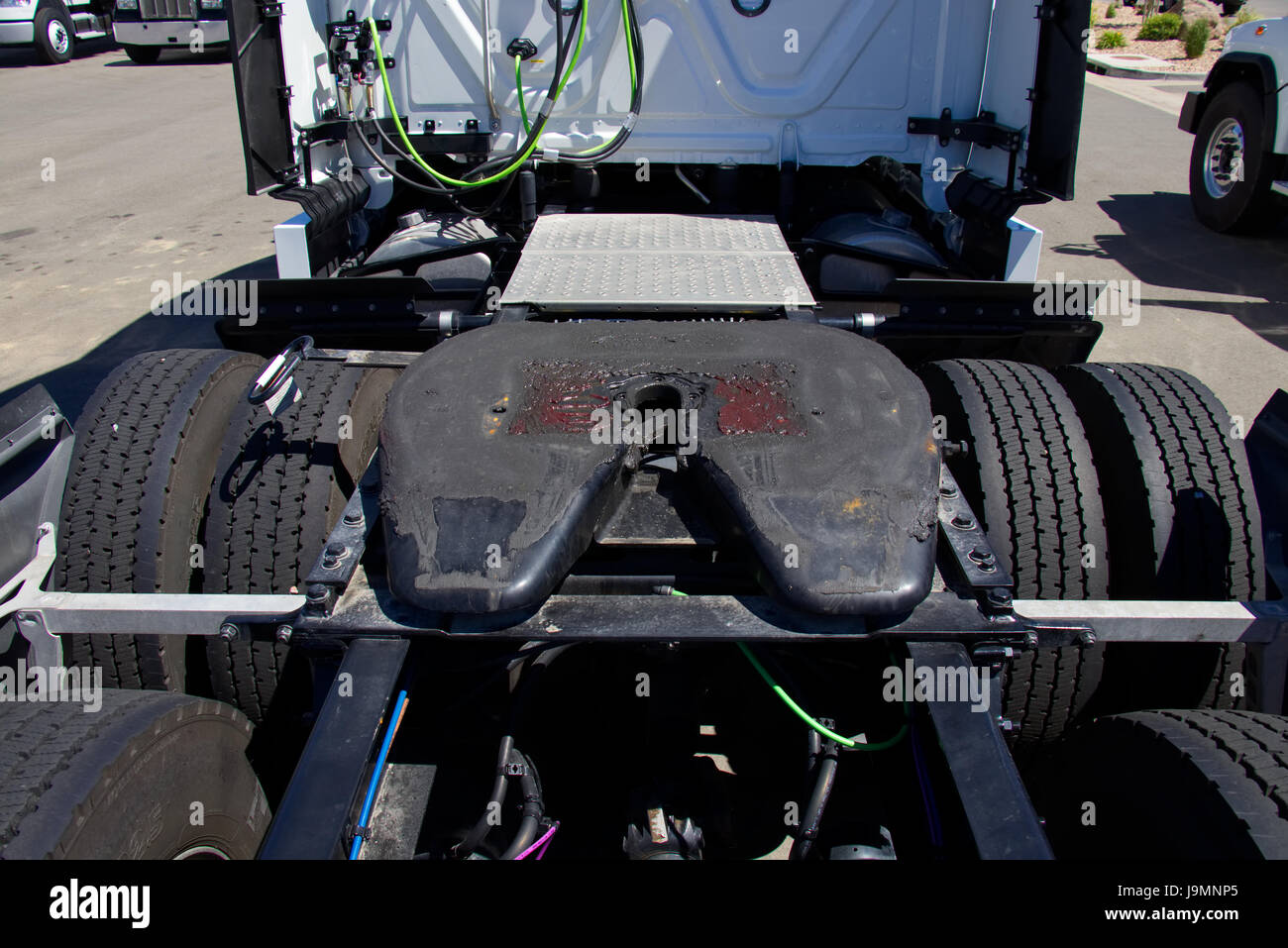
A fifth wheel coupling is a horseshoe-shaped device mounted on the rear of a semi-truck tractor unit. It's designed to couple with a kingpin located underneath the front of a semi-trailer. This connection allows the tractor to pull the trailer, enabling articulation for turning and maneuvering. The "fifth wheel" name originates from early wagon designs, where a similar circular plate allowed for steering.
The importance of a reliable fifth wheel cannot be overstated. It's responsible for:
- Bearing Significant Weight: Handling tens of thousands of pounds of trailer weight, plus the cargo load.
- Ensuring Safe Connection: Providing a secure and reliable link between the tractor and trailer.
- Enabling Articulation: Allowing the tractor to turn and maneuver safely.
- Reducing Wear and Tear: Minimizing stress on the tractor's frame and suspension.
Understanding Fifth Wheel Components
Before diving into the selection process, it's crucial to understand the key components of a fifth wheel:
- Top Plate: The main surface that the trailer's kingpin rests upon. It's typically made of hardened steel and must be able to withstand immense pressure and friction.
- Locking Mechanism: This mechanism secures the kingpin within the fifth wheel. It's a critical safety feature and must be robust and reliable. There are various types, including jaw-type and locking bar mechanisms.
- Mounting Brackets: These brackets attach the fifth wheel to the tractor's frame. They must be strong enough to withstand the forces generated during towing.
- Pivot Assembly: Allows the fifth wheel to tilt and rotate, accommodating uneven terrain and preventing stress on the frame.
- Grease Fittings: Essential for lubricating moving parts and reducing friction, extending the life of the fifth wheel.
Factors to Consider When Choosing a Fifth Wheel

Selecting the right fifth wheel involves careful consideration of several factors:
-
Weight Capacity (GAWR & GTW): This is the most critical factor. The fifth wheel must have a Gross Axle Weight Rating (GAWR) that meets or exceeds the combined weight of the tractor's rear axle and the trailer's kingpin weight. The Gross Trailer Weight (GTW) rating indicates the maximum weight the fifth wheel can safely handle. Always err on the side of caution and choose a fifth wheel with a higher capacity than required.
-
Type of Hauling: Different types of hauling require different fifth wheel designs.
- Over-the-Road (OTR) Trucking: Requires a heavy-duty, durable fifth wheel that can withstand long hours of operation and varying road conditions.
- Heavy Hauling: Demands a specialized fifth wheel with an exceptionally high weight capacity and robust construction.
- Local Delivery: May benefit from a lighter-duty fifth wheel with features that enhance maneuverability.
-
Kingpin Compatibility: Ensure the fifth wheel is compatible with the standard kingpin size (typically 2 or 3.5 inches).
-
Mounting Height: The fifth wheel mounting height must be compatible with the trailer's height. Adjusting the mounting height may be necessary to maintain proper trailer leveling.
-
Ease of Adjustment and Maintenance: Look for a fifth wheel that is easy to adjust for different trailer heights and requires minimal maintenance. Accessible grease fittings and replaceable wear plates are desirable features.
-
Locking Mechanism Type: Consider the type of locking mechanism. Jaw-type mechanisms are generally considered more robust and reliable than locking bar mechanisms.
-
Air Slide vs. Stationary: An air slide fifth wheel allows the driver to adjust the fifth wheel position along the tractor frame, optimizing weight distribution. Stationary fifth wheels are simpler and less expensive but lack this adjustability.
-
Manufacturer Reputation and Warranty: Choose a reputable manufacturer with a proven track record of producing high-quality fifth wheels. A solid warranty provides peace of mind.
-
Budget: Fifth wheel prices can vary significantly depending on the brand, features, and weight capacity. Balance your budget with your needs and prioritize safety and reliability.
Types of Fifth Wheels
While the basic principle remains the same, fifth wheels come in several variations:
- Standard Fifth Wheels: The most common type, suitable for general hauling applications.
- Air Slide Fifth Wheels: Offer adjustable positioning for optimal weight distribution and maneuverability.
- Low Lube Fifth Wheels: Designed to reduce grease consumption and maintenance.
- Oscillating Fifth Wheels: Allow for greater articulation on uneven terrain, ideal for off-road or construction applications.
- Heavy-Duty Fifth Wheels: Built for extreme weight capacities and demanding hauling tasks.
Installation and Maintenance: Key to Longevity
Proper installation and regular maintenance are crucial for ensuring the longevity and safe operation of your fifth wheel.
- Installation: Follow the manufacturer's instructions carefully. Use the correct mounting hardware and torque specifications. If you're not comfortable performing the installation yourself, hire a qualified mechanic.
- Lubrication: Grease the fifth wheel regularly according to the manufacturer's recommendations. Use the correct type of grease.
- Inspection: Inspect the fifth wheel regularly for wear and tear, cracks, loose bolts, and other damage. Pay particular attention to the locking mechanism and wear plates.
- Wear Plate Replacement: Replace worn wear plates promptly to prevent damage to the top plate.
- Locking Mechanism Adjustment: Ensure the locking mechanism is properly adjusted to provide a secure connection.
- Cleanliness: Keep the fifth wheel clean and free of debris.
Potential Challenges and Solutions
- Incorrect Weight Distribution: Can lead to handling problems and premature wear. Solution: Use an air slide fifth wheel to adjust the position of the trailer over the tractor axles.
- Kingpin Damage: Can result from improper coupling or worn fifth wheel components. Solution: Inspect the kingpin regularly for damage and replace it if necessary.
- Fifth Wheel Cracking: A sign of overloading or fatigue. Solution: Replace the fifth wheel immediately.
- Grease Contamination: Can reduce the effectiveness of lubrication. Solution: Use a high-quality grease and clean the fifth wheel regularly.
Practical Advice and Actionable Insights
- Consult with a Professional: If you're unsure which fifth wheel is right for you, consult with a qualified mechanic or truck parts supplier.
- Read Reviews: Research different fifth wheel models and read reviews from other truckers.
- Keep Records: Maintain a record of all maintenance performed on the fifth wheel.
- Prioritize Safety: Never compromise safety for cost.
Conclusion: Investing in Safety and Reliability
Choosing the best fifth wheel for your semi-truck is an investment in safety, efficiency, and longevity. By carefully considering the factors outlined in this guide, you can make an informed decision that will ensure a secure and reliable connection between your tractor and trailer for years to come. Remember to prioritize safety, choose a reputable manufacturer, and maintain your fifth wheel diligently. A well-chosen and properly maintained fifth wheel is a vital component of a successful and safe trucking operation.
Table Price
| Feature | Low-End Price | Mid-Range Price | High-End Price |
|---|---|---|---|
| Weight Capacity | 30,000 - 40,000 lbs | 40,000 - 50,000 lbs | 50,000+ lbs |
| Price Range | $800 - $1,500 | $1,500 - $3,000 | $3,000+ |
| Air Slide Feature | Not Included | Optional | Standard |
| Locking Mechanism | Basic Jaw | Enhanced Jaw | Premium Jaw/Lock |
| Maintenance | High | Medium | Low (Low Lube) |
| Durability | Standard | Enhanced | Heavy-Duty |
Frequently Asked Questions (FAQ)
Q: How often should I grease my fifth wheel?
A: The frequency of greasing depends on the type of fifth wheel and the operating conditions. Refer to the manufacturer's recommendations, but generally, grease the fifth wheel every 10,000-20,000 miles or at least once a month.
Q: What type of grease should I use?
A: Use a high-quality lithium-based grease that is specifically designed for fifth wheels.
Q: How do I know if my fifth wheel is worn out?
A: Signs of a worn-out fifth wheel include excessive play, difficulty locking or unlocking, cracks in the top plate, and worn wear plates.
Q: Can I repair a cracked fifth wheel?
A: No. A cracked fifth wheel should be replaced immediately.
Q: What is the difference between a stationary and an air slide fifth wheel?
A: A stationary fifth wheel is fixed in position, while an air slide fifth wheel allows the driver to adjust its position along the tractor frame. Air slide fifth wheels are useful for optimizing weight distribution.
Q: How do I choose the right mounting height for my fifth wheel?
A: The mounting height should be adjusted to ensure the trailer is level when coupled to the tractor. Consult with a qualified mechanic to determine the correct mounting height.
Q: Is it possible to upgrade my fifth wheel?
A: Yes, you can upgrade your fifth wheel to a higher-capacity or more advanced model. Ensure the new fifth wheel is compatible with your tractor and trailer.