The aroma of sizzling onions, the friendly chatter of customers, and the rhythmic hum of the generator – these are the hallmarks of a successful food truck. But behind the scenes, a crucial element often overlooked is the flooring. Choosing the right flooring for your food truck isn't just about aesthetics; it's about safety, hygiene, durability, and ultimately, the success of your mobile culinary venture. In this comprehensive guide, we'll delve into the world of food truck flooring, exploring the best options available, their pros and cons, and everything you need to consider before making this vital decision.
Why Flooring Matters: More Than Just a Surface
Best Flooring For Food Truck: A Comprehensive Guide to Choosing the Right Surface
Think of your food truck floor as the foundation of your mobile kitchen. It needs to withstand constant foot traffic, spills of hot grease and sauces, the weight of heavy equipment, and the rigors of daily cleaning. A poorly chosen floor can lead to a host of problems:
- Safety Hazards: Slippery surfaces can cause accidents, putting your staff and yourself at risk.
- Hygiene Concerns: Porous materials can harbor bacteria and mold, leading to health code violations and potential food contamination.
- Durability Issues: Inadequate flooring can crack, peel, or warp under pressure, requiring costly repairs or replacements.
- Operational Inefficiency: Difficult-to-clean floors can slow down your cleaning process, impacting your turnaround time and profitability.
Investing in the right flooring from the start will save you time, money, and headaches in the long run.
Key Considerations When Choosing Food Truck Flooring
Before diving into specific flooring types, let's outline the crucial factors to consider when making your decision:
- Durability: Food trucks endure heavy use. The flooring must withstand constant foot traffic, equipment weight, and potential impacts from dropped items. Look for materials that are resistant to wear and tear.
- Slip Resistance: Safety is paramount. Choose a flooring option with a high slip-resistance rating to prevent accidents, especially when dealing with grease and liquids.
- Hygiene and Cleanliness: Food trucks are subject to strict health codes. The flooring must be non-porous, easy to clean, and resistant to bacteria and mold growth.
- Water Resistance: Spills are inevitable in a food truck. The flooring must be completely waterproof to prevent damage to the subfloor and avoid mold issues.
- Weight: Weight is a critical factor in food trucks. Heavy flooring can impact fuel efficiency and potentially exceed weight restrictions. Choose lightweight yet durable options.
- Cost: Balance your budget with your needs. While cheaper options might seem appealing initially, they may not be as durable or hygienic in the long run, leading to higher replacement costs.
- Installation: Consider the ease of installation. Some flooring types require professional installation, while others can be installed DIY. Factor in installation costs when making your decision.
- Heat Resistance: Especially near cooking equipment, flooring should be able to withstand high temperatures without warping or melting.
- Chemical Resistance: Cleaning chemicals can be harsh. The flooring should be resistant to damage from commonly used cleaning agents.

The Best Flooring Options for Food Trucks: A Detailed Look
Now, let's explore the most popular and effective flooring options for food trucks, weighing their pros and cons:
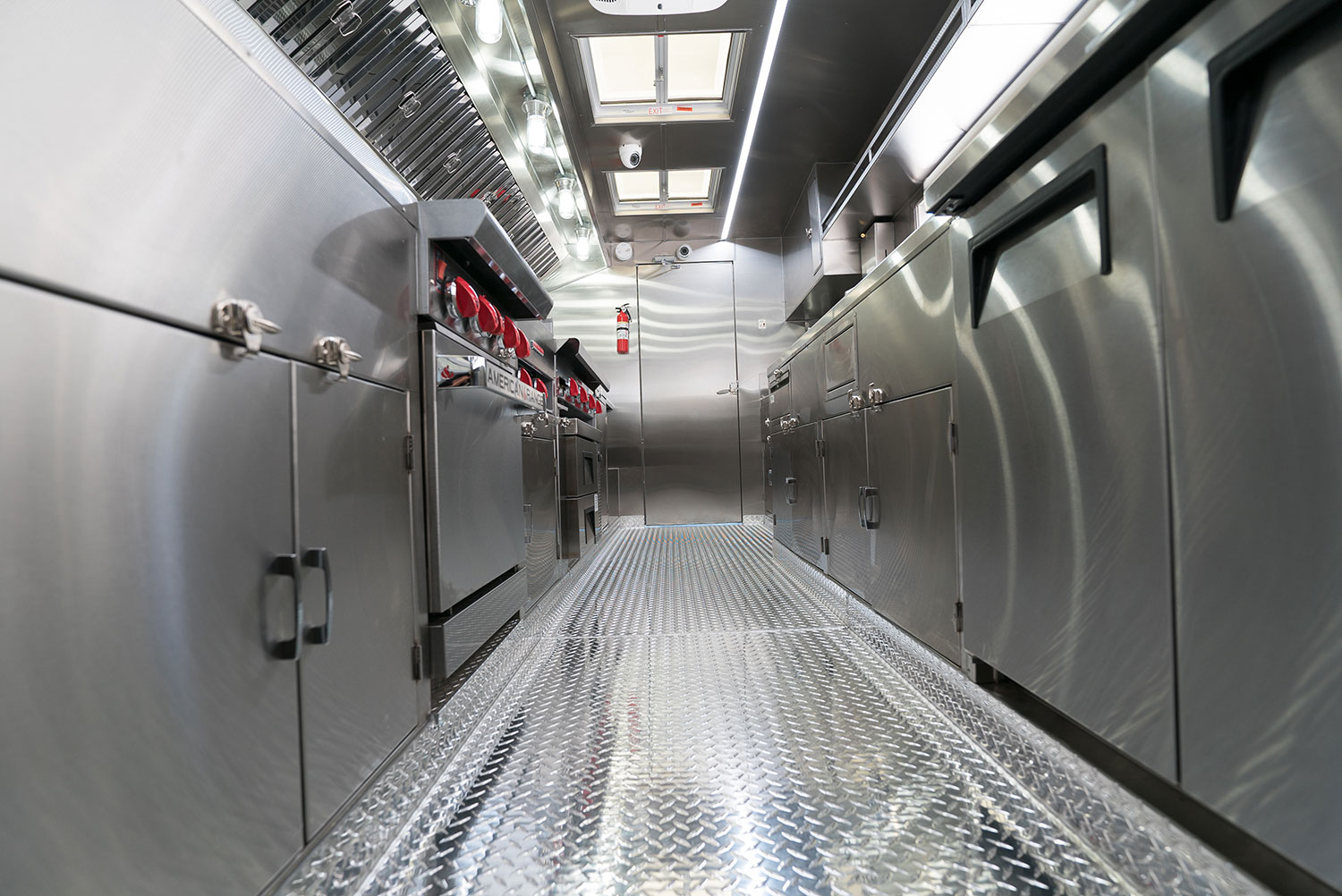
1. Aluminum Tread Plate:
- Description: Also known as diamond plate, this is a classic and widely used option. It's made of aluminum with a raised diamond pattern for slip resistance.
- Pros:
- Extremely Durable: Can withstand heavy loads and constant traffic.
- Slip-Resistant: The diamond pattern provides excellent traction.
- Waterproof: Impervious to water and spills.
- Easy to Clean: Wipes down easily with soap and water.
- Professional Look: Provides a clean and professional aesthetic.
- Cons:
- Can be Expensive: One of the pricier options.
- Weight: Can add significant weight to the truck.
- Can Dent: While durable, it can dent from dropped heavy objects.
- Installation: Requires professional installation for a proper fit and watertight seal.
- Best For: High-volume food trucks with heavy equipment and a focus on durability and a professional appearance.
2. Rubber Flooring (Commercial Grade):
- Description: Made from recycled rubber, this option is available in rolls or tiles.
- Pros:
- Excellent Slip Resistance: Provides a safe and comfortable surface.
- Durable: Resistant to wear and tear.
- Waterproof: Protects against spills and moisture.
- Easy to Clean: Simple to maintain with regular cleaning.
- Sound Dampening: Reduces noise levels inside the truck.
- Comfortable Underfoot: Provides cushioning for long hours of standing.
- Cons:
- Can be Heavy: Weight can be a concern, especially with thick rolls.
- Can Stain: Certain spills, like grease, can stain if not cleaned promptly.
- Can Off-Gas: May have a rubbery odor initially, which usually dissipates over time.
- Best For: Food trucks prioritizing safety, comfort, and noise reduction, particularly those with a smaller budget than aluminum.
3. Vinyl Flooring (Commercial Grade):
- Description: Available in sheets, tiles, or planks, commercial-grade vinyl is a popular choice due to its versatility and affordability.
- Pros:
- Affordable: A budget-friendly option.
- Waterproof: Resistant to water damage.
- Easy to Clean: Simple to maintain.
- Variety of Styles: Available in a wide range of colors and patterns.
- Lightweight: Doesn't add significant weight to the truck.
- Cons:
- Less Durable than Aluminum or Rubber: More susceptible to scratches and dents.
- Slip Resistance Varies: Choose a textured vinyl with a high slip-resistance rating.
- Seams Can Be Weak Points: Sheets are preferable to tiles to minimize seams.
- Can be Damaged by Heat: Avoid placing hot equipment directly on vinyl.
- Best For: Food trucks on a tight budget that prioritize aesthetics and ease of cleaning, but need to be careful with heavy use and heat.
4. Epoxy Flooring:
- Description: A durable and seamless coating applied over the existing subfloor.
- Pros:
- Extremely Durable: Resistant to scratches, dents, and chemicals.
- Seamless: Eliminates seams where bacteria can accumulate.
- Waterproof: Provides a watertight seal.
- Easy to Clean: Hygienic and easy to maintain.
- Customizable: Can be customized with colors, patterns, and slip-resistant additives.
- Cons:
- Expensive: One of the more costly options.
- Installation Requires Expertise: Professional installation is essential for proper application.
- Long Curing Time: Requires several days to fully cure.
- Can Be Slippery: Requires slip-resistant additives.
- Best For: High-end food trucks that prioritize hygiene, durability, and a custom look, and are willing to invest in professional installation.
5. Polyurethane Flooring:
- Description: Similar to epoxy, polyurethane is a seamless coating that provides a durable and hygienic surface.
- Pros:
- Excellent Abrasion Resistance: More flexible than epoxy, offering better resistance to impacts and wear.
- Seamless: Prevents bacteria buildup.
- Chemical Resistance: Stands up to harsh cleaning agents.
- Waterproof: Prevents moisture damage.
- Good UV Resistance: Less likely to yellow or fade in sunlight compared to epoxy.
- Cons:
- Expensive: A higher initial investment.
- Professional Installation Required: Proper application is crucial.
- Surface Preparation is Key: The subfloor needs to be properly prepared.
- Best For: Food trucks seeking a long-lasting, durable, and aesthetically pleasing flooring option, especially in environments with high traffic and chemical exposure.
Installation Tips and Considerations
- Proper Subfloor Preparation: Ensure the subfloor is clean, level, and dry before installing any flooring.
- Professional Installation: For aluminum, epoxy, and polyurethane, professional installation is highly recommended to ensure a proper fit and watertight seal.
- Sealing: For vinyl and rubber, carefully seal all seams and edges to prevent water penetration.
- Adhesive: Use a high-quality adhesive specifically designed for the flooring material you've chosen.
- Ventilation: Ensure proper ventilation during and after installation to allow adhesives and coatings to cure properly.
Troubleshooting Common Flooring Problems
- Slippery Floors: Apply a slip-resistant coating or mat.
- Cracks and Dents: Repair or replace damaged sections of flooring.
- Mold Growth: Identify and eliminate the source of moisture, and clean the affected area with a mold-killing solution.
- Loose Flooring: Re-apply adhesive or replace damaged sections.
Price Table: Flooring Options for Food Trucks
| Flooring Type | Material Cost (per sq ft) | Installation Cost (per sq ft) | Total Cost (per sq ft) | Pros | Cons |
|---|---|---|---|---|---|
| Aluminum Tread Plate | $15 - $25 | $10 - $20 | $25 - $45 | Extremely durable, slip-resistant, waterproof, easy to clean, professional look | Expensive, heavy, can dent, requires professional installation |
| Commercial Rubber Flooring | $8 - $15 | $5 - $10 | $13 - $25 | Excellent slip resistance, durable, waterproof, easy to clean, sound dampening, comfortable | Can be heavy, can stain, may off-gas |
| Commercial Vinyl Flooring | $3 - $8 | $2 - $5 | $5 - $13 | Affordable, waterproof, easy to clean, variety of styles, lightweight | Less durable than aluminum or rubber, slip resistance varies, seams can be weak points, can be heat damaged |
| Epoxy Flooring | $5 - $12 | $8 - $15 | $13 - $27 | Extremely durable, seamless, waterproof, easy to clean, customizable | Expensive, requires professional installation, long curing time, can be slippery without additives |
| Polyurethane Flooring | $6 - $14 | $9 - $16 | $15 - $30 | Excellent abrasion resistance, seamless, chemical resistance, waterproof, good UV resistance | Expensive, requires professional installation, surface preparation is key |
Frequently Asked Questions (FAQ)
-
Q: What's the most slip-resistant flooring option?
- A: Aluminum tread plate and commercial rubber flooring are excellent choices for slip resistance.
-
Q: Can I install flooring myself?
- A: While you can install vinyl or rubber flooring yourself, professional installation is recommended for aluminum, epoxy, and polyurethane.
-
Q: How often should I clean my food truck floor?
- A: Clean your floor daily, or more frequently if spills occur.
-
Q: How do I prevent mold growth on my food truck floor?
- A: Choose a waterproof flooring material, seal all seams and edges, and address any leaks promptly.
-
Q: What's the best way to clean grease spills?
- A: Use a degreasing cleaner specifically designed for your flooring material.
Conclusion: Investing in the Right Foundation
Choosing the best flooring for your food truck is an investment in the safety, hygiene, and longevity of your mobile business. By carefully considering the factors outlined in this guide and weighing the pros and cons of each flooring option, you can select the perfect surface to support your culinary creations for years to come. Don't underestimate the importance of this often-overlooked element; a well-chosen floor will contribute to a safer, more efficient, and more profitable food truck experience. Good luck, and happy cooking!