The 2003 Jeep Liberty, a compact SUV that blended off-road capability with everyday practicality, was a popular choice in its day. However, like many vehicles, it wasn't without its issues. Over its lifespan, several recalls were issued for the 2003 Jeep Liberty, addressing a range of safety concerns. Understanding these recalls is crucial for current and potential owners to ensure the vehicle is safe to operate and to maintain its value. This guide provides a comprehensive overview of the 2003 Jeep Liberty recalls, covering the reasons behind them, how to check if your vehicle is affected, and the steps you should take to resolve these issues.
Why Understanding 2003 Jeep Liberty Recalls Matters
2003 Jeep Liberty Recalls: A Comprehensive Guide for Owners
Recalls are issued by manufacturers, often in conjunction with government agencies like the National Highway Traffic Safety Administration (NHTSA), when a safety defect is identified that poses a risk to vehicle occupants or other drivers on the road. Ignoring a recall can lead to serious accidents, injuries, or even fatalities. Furthermore, neglecting to address recall issues can negatively impact the resale value of your vehicle. By staying informed about the 2003 Jeep Liberty recalls and taking appropriate action, you can protect yourself, your passengers, and other road users.
Main Sections:
-
Identifying the Recalls Affecting the 2003 Jeep Liberty:
-
Recalls vs. Technical Service Bulletins (TSBs): It's important to differentiate between recalls and TSBs. Recalls address safety-related defects, and the repairs are performed free of charge by the manufacturer. TSBs, on the other hand, address common issues or complaints but aren't necessarily safety-related. Repairs under a TSB are usually the owner's responsibility.

-
Key 2003 Jeep Liberty Recalls (Examples): While the exact number and nature of recalls can vary slightly depending on the specific build date and location, here are some of the most significant recalls that affected the 2003 Jeep Liberty:
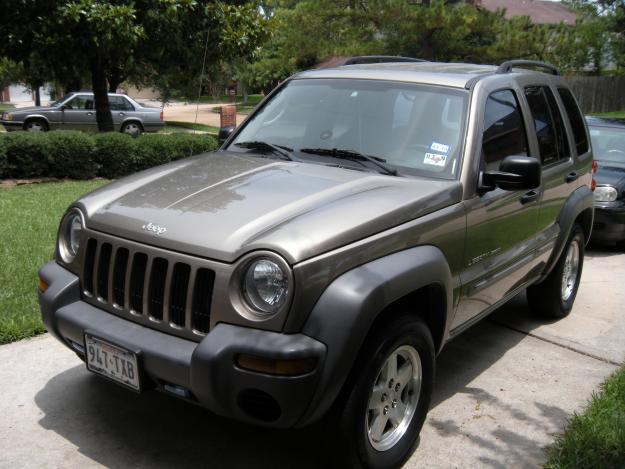
Rear Suspension Lower Control Arm Ball Joint: This was a significant recall affecting a large number of 2002-2007 Jeep Liberties. The ball joint in the rear lower control arm could corrode, leading to premature wear and potential separation. This separation could cause a loss of vehicle control, increasing the risk of a crash.
-
Airbag Inflator: Similar to many other vehicles manufactured during this period, the 2003 Jeep Liberty could be affected by the Takata airbag inflator recall. This recall involved defective airbag inflators that could rupture upon deployment, sending shrapnel into the passenger compartment.
-
Fuel Tank Roll-Over Valve: This recall addressed a potential issue where the fuel tank roll-over valve could malfunction, leading to fuel leakage during a rollover accident. Fuel leakage increases the risk of fire.
-
Possible Steering Column Lock-up: This recall dealt with the possibility of the steering column locking up while the vehicle was in motion, leading to loss of control.
-
Checking for Recalls: The best way to determine if your 2003 Jeep Liberty is affected by any outstanding recalls is to visit the NHTSA website (www.nhtsa.gov/recalls) and enter your vehicle's 17-digit Vehicle Identification Number (VIN). You can also contact your local Jeep dealer with your VIN, and they can check for any outstanding recalls. The VIN is typically located on the driver's side dashboard, visible through the windshield, or on your vehicle's registration and insurance documents.
-
-
Understanding the Risks Associated with Unresolved Recalls:
-
Safety Hazards: As mentioned earlier, unresolved recalls can pose significant safety risks. A failing ball joint in the rear suspension could lead to a loss of vehicle control, while a defective airbag inflator could cause serious injury or death during a collision. A fuel leak creates a fire hazard.
-
Liability Concerns: If you are involved in an accident and it is determined that a known safety defect (subject to a recall) contributed to the accident, you could be held liable.
-
Resale Value: Vehicles with outstanding recalls are typically worth less than those with all recalls addressed. Potential buyers may be hesitant to purchase a vehicle with known safety issues.
-
-
Taking Action: How to Resolve 2003 Jeep Liberty Recalls:
-
Contacting Your Jeep Dealer: Once you have identified any outstanding recalls for your vehicle, the first step is to contact your local Jeep dealer. Schedule an appointment to have the recall work performed.
-
Providing Your VIN: Be sure to provide the dealer with your VIN when scheduling the appointment. This will allow them to verify the recall and ensure they have the necessary parts in stock.
-
Free Repairs: Recall repairs are performed free of charge by the manufacturer. This includes the cost of parts and labor.
-
Documentation: After the recall work has been completed, be sure to obtain documentation from the dealer confirming that the repairs have been performed. Keep this documentation for your records.
-
-
Navigating Potential Challenges:
-
Parts Availability: In some cases, parts for older recalls may be difficult to obtain. If this is the case, the dealer may need to order the parts, which could delay the repair. Don't be afraid to check with multiple dealerships.
-
Dealer Cooperation: While dealers are obligated to perform recall repairs, some may be less enthusiastic about working on older vehicles. If you encounter any difficulties, contact Jeep's customer service department.
-
Extended Timeframes: Depending on the complexity of the recall repair and the dealer's workload, the repair may take several hours or even a day to complete. Inquire about loaner vehicles if the repair is lengthy.
-
-
Preventative Maintenance and Long-Term Care:
-
Regular Inspections: Even if your 2003 Jeep Liberty has had all recalls addressed, it's still important to perform regular inspections of critical components, such as the suspension, brakes, and steering system.
-
Addressing Potential Issues Early: If you notice any unusual noises, vibrations, or handling problems, have your vehicle inspected by a qualified mechanic as soon as possible.
-
Following the Maintenance Schedule: Adhere to the manufacturer's recommended maintenance schedule to ensure your vehicle is properly maintained and to prevent potential problems.
-
-
The Importance of Staying Informed:
-
NHTSA Website: Regularly check the NHTSA website for any new recalls that may affect your vehicle.
-
Jeep Owner's Website: Monitor the Jeep owner's website for updates and information about recalls and other important notices.
-
Automotive News Sources: Stay informed about automotive news and recall announcements through reputable automotive news sources.
-
Practical Advice and Actionable Insights:
- Prioritize Safety: Don't delay in addressing outstanding recalls. Your safety and the safety of others on the road depend on it.
- Be Proactive: Don't wait for a recall notice to arrive in the mail. Check your VIN on the NHTSA website regularly.
- Document Everything: Keep records of all recall repairs and other maintenance work performed on your vehicle.
- Don't Be Afraid to Ask Questions: If you have any questions or concerns about a recall, don't hesitate to ask your Jeep dealer or Jeep's customer service department.
Concluding Summary:
The 2003 Jeep Liberty, while a capable and popular SUV, has been subject to several recalls over its lifetime. Understanding these recalls, checking your vehicle's VIN for outstanding issues, and taking prompt action to resolve them is crucial for ensuring the safety and reliability of your vehicle. By staying informed and proactive, you can protect yourself, your passengers, and other road users, and maintain the value of your 2003 Jeep Liberty. Ignoring recalls can have serious consequences, so don't delay in addressing any outstanding issues. Your safety is worth it.
Table: 2003 Jeep Liberty Recalls (Example - Consult NHTSA for Complete and Up-to-Date Information)
| Recall Number | Component Affected | Description of Defect | Remedy |
|---|---|---|---|
| (Example) | Rear Suspension Ball Joint | Corrosion of the rear lower control arm ball joint can lead to separation, causing loss of vehicle control. | Dealers will inspect the rear suspension and replace the lower control arms if necessary. |
| (Example) | Takata Airbag Inflator | Defective airbag inflators may rupture upon deployment, sending shrapnel into the passenger compartment. | Dealers will replace the airbag inflator. |
| (Example) | Fuel Tank Roll-Over Valve | Malfunction of the fuel tank roll-over valve can lead to fuel leakage during a rollover accident, increasing the risk of fire. | Dealers will replace the fuel tank assembly. |
| (Example) | Steering Column Lock-up | Possibility of the steering column locking up while the vehicle is in motion, leading to loss of control. | Dealers will inspect and replace the steering column assembly if necessary. |
Important Note: This table is for illustrative purposes only. You MUST check the NHTSA website (www.nhtsa.gov/recalls) using your VIN to obtain the complete and up-to-date recall information specific to your 2003 Jeep Liberty.
Frequently Asked Questions (FAQ):
-
Q: How do I find my VIN?
- A: Your VIN is typically located on the driver's side dashboard, visible through the windshield, or on your vehicle's registration and insurance documents.
-
Q: Is there a cost to have recall repairs performed?
- A: No, recall repairs are performed free of charge by the manufacturer.
-
Q: What if the dealer says the parts are not available?
- A: Contact Jeep's customer service department or try contacting other Jeep dealerships in your area.
-
Q: What if I already paid to have a recall repair performed before the recall was announced?
- A: You may be eligible for reimbursement. Contact Jeep's customer service department for more information.
-
Q: How long do recall repairs typically take?
- A: The length of time depends on the complexity of the repair and the dealer's workload. Inquire about the estimated timeframe when scheduling your appointment.
-
Q: What happens if I ignore a recall?
- A: Ignoring a recall can put you and others at risk of serious injury or death. It can also negatively impact the resale value of your vehicle and potentially expose you to liability.
-
Q: My 2003 Jeep Liberty was involved in a collision. Will the airbags still deploy if the Takata recall hasn't been addressed?
- A: While the airbags might still deploy, there's a risk of the inflator rupturing and causing injury. It's crucial to address the airbag recall as soon as possible.
-
Q: I no longer own the 2003 Jeep Liberty. Do I need to do anything?
- A: No, you are not obligated to do anything if you no longer own the vehicle. However, it's a good idea to inform the new owner about any outstanding recalls.