Moving can be a stressful and expensive undertaking. One of the most significant costs associated with moving is often the rental of a moving truck. U-Haul, a well-known and widely used moving truck rental company, offers a variety of truck sizes and services to accommodate different moving needs. But understanding the cost of renting a U-Haul for a day is crucial for effective budgeting and planning. This comprehensive guide breaks down all the factors that influence the price of a U-Haul rental for a single day, helping you make informed decisions and avoid unexpected expenses.
Introduction: Understanding the True Cost of a U-Haul Day Rental
Cost Of Uhaul For A Day: A Comprehensive Guide to Budgeting Your Move
The term "Cost Of Uhaul For A Day" seems straightforward, but it encompasses more than just the advertised base rental rate. It represents the total expenditure you'll incur for using a U-Haul truck for a 24-hour period. This includes the base rental fee, mileage charges, insurance, taxes, and any additional fees for services like moving supplies or equipment. Accurately calculating this total cost is essential for creating a realistic moving budget and preventing financial surprises. Neglecting to consider all the components can lead to a significantly higher bill than anticipated, adding unnecessary stress to an already challenging process. This guide aims to provide you with the knowledge to navigate the U-Haul rental process and accurately estimate your "Cost Of Uhaul For A Day."
1. The Base Rental Rate: The Foundation of Your Cost
The base rental rate is the initial price you'll see advertised for a U-Haul truck. This rate varies depending on several factors:
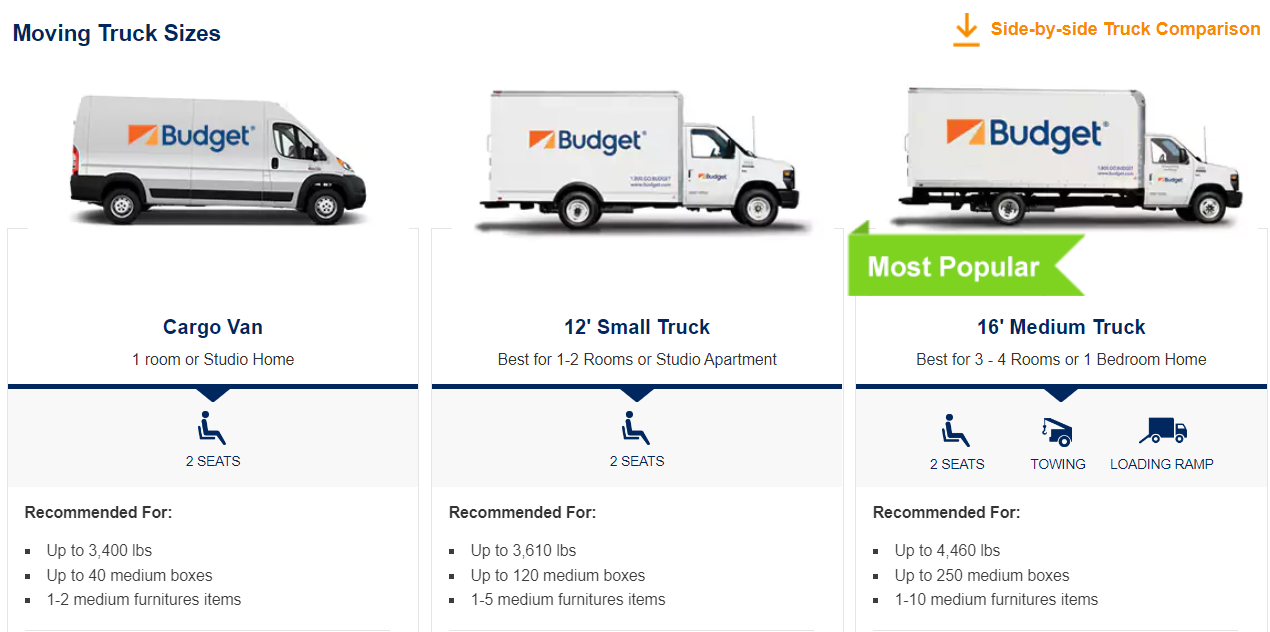
- Truck Size: U-Haul offers a range of truck sizes, from pickup trucks and cargo vans to large 26-foot trucks. Naturally, larger trucks with greater carrying capacity command higher base rental rates.
- Location: Rental rates can differ significantly between locations, even within the same city. Areas with high demand or limited availability tend to have higher prices.
- Time of Year/Day of the Week: Weekends and the end/beginning of the month are peak moving times, resulting in higher demand and consequently, increased base rental rates. Renting mid-week, especially during off-peak seasons, can often save you money.
- One-Way vs. Local Rental: Local rentals, where you pick up and return the truck to the same location, generally have lower base rates than one-way rentals, where you drop off the truck at a different U-Haul location.

Actionable Insight: Check U-Haul's website or call your local U-Haul dealer to compare base rental rates for different truck sizes and rental dates/times. Be flexible with your moving date if possible to take advantage of lower weekday rates.
2. Mileage Charges: Pay-Per-Mile Usage
Mileage charges are applied to local U-Haul rentals and are calculated based on the number of miles you drive the truck. This is a significant cost factor, especially if you're moving a considerable distance within your local area. The per-mile rate varies by location and truck size.
- Estimating Mileage: Accurately estimating the mileage you'll travel is crucial. Use online mapping tools like Google Maps or MapQuest to calculate the distance between your old and new homes, as well as any additional stops you'll need to make (e.g., storage unit, furniture pickup). Add a buffer of extra miles to account for unexpected detours or errands.
- Impact of Route: Consider the route you'll take. A shorter, more direct route will minimize mileage charges. Avoid routes with heavy traffic or construction, as these can lead to increased mileage.
Actionable Insight: Carefully plan your route in advance and factor in potential detours or extra stops. Use online mapping tools and add a buffer to your mileage estimate. Consider a one-way rental if the mileage costs for a local rental are significantly higher.
3. Insurance Coverage: Protecting Yourself and the Truck

U-Haul offers various insurance options to protect you and the truck in case of accidents or damage. While optional, insurance coverage is highly recommended, as you'll be responsible for any damages to the truck without it.
- SafeMove: This is U-Haul's primary damage waiver and cargo protection plan. It covers accidental damage to the truck (subject to exclusions), as well as damage to your belongings caused by an accident involving the truck.
- SafeMove Plus: This option provides more comprehensive coverage than SafeMove, including coverage for overhead damage (e.g., hitting a low bridge) and tire and windshield damage. It also typically includes cargo protection with a higher coverage limit.
- Collision Damage Waiver (CDW): While not offered directly by U-Haul in all areas, your existing auto insurance policy or credit card may offer CDW coverage for rental vehicles. Check with your insurance provider or credit card company to see if you're already covered.
Actionable Insight: Carefully consider your risk tolerance and the value of your belongings when choosing insurance coverage. Compare the costs and coverage limits of different options. If you have existing insurance coverage, ensure it extends to U-Haul rentals.
4. Taxes and Fees: The Unavoidable Additions
Taxes and fees are added to the total rental cost and are generally unavoidable. These can include:
- Sales Tax: The applicable sales tax rate for your location will be added to the rental charges.
- Environmental Fees: Some locations may charge environmental fees to cover the cost of vehicle maintenance and disposal.
- Other Fees: Depending on the location and rental agreement, other miscellaneous fees may apply.
Actionable Insight: Ask your U-Haul representative about any applicable taxes and fees upfront to get a complete picture of the total cost.
5. Additional Services and Equipment: Convenience at a Cost
U-Haul offers a range of additional services and equipment that can make your move easier but will add to the overall cost.
- Moving Supplies: U-Haul sells boxes, tape, packing materials, and other moving supplies. While convenient, these supplies can often be purchased at a lower cost from other retailers.
- Moving Equipment: U-Haul rents dollies, furniture pads, and other equipment to help you move heavy items. Consider whether you need these items or if you can borrow or rent them from other sources.
- Moving Help: U-Haul partners with Moving Help, a network of independent moving laborers, to provide loading and unloading assistance. While this can save you time and effort, it adds a significant cost to your move.
Actionable Insight: Evaluate whether you truly need the additional services and equipment offered by U-Haul. Compare prices with other retailers and consider borrowing or renting equipment from alternative sources.
6. The Impact of One-Way Rentals
One-way rentals, where you pick up the truck in one location and drop it off in another, offer convenience but generally come with a higher cost than local rentals.
- Fixed Fee: One-way rentals typically have a fixed fee based on the distance between the pickup and drop-off locations. This fee can vary significantly depending on the route and demand.
- Mileage Included: One-way rentals usually include a certain number of miles in the fixed fee. However, you'll still be charged for any miles driven over the allotted amount.
Actionable Insight: Compare the cost of a one-way rental with the cost of a local rental plus mileage charges, especially if you're moving a short distance. Consider driving the truck back to the original location if it's more cost-effective.
7. Tips for Minimizing Your U-Haul Rental Cost
- Rent During Off-Peak Times: Avoid renting on weekends and at the end or beginning of the month.
- Reserve in Advance: Booking your truck in advance can help you secure a better rate.
- Compare Prices: Get quotes from multiple U-Haul locations to find the best price.
- Downsize Your Load: The smaller the truck you need, the lower the rental cost.
- Pack Efficiently: Maximize space in the truck to avoid needing a larger vehicle.
- Decline Unnecessary Extras: Only rent the equipment and services you truly need.
- Return the Truck on Time: Late returns can incur significant penalties.
- Fill the Gas Tank: Return the truck with the same fuel level as when you picked it up to avoid refueling charges.
- Clean the Truck: Avoid cleaning fees by returning the truck clean and free of debris.
Potential Challenges and Solutions
- Hidden Fees: Always read the rental agreement carefully and ask about any potential hidden fees.
- Truck Availability: Book your truck well in advance, especially during peak moving season, to ensure availability.
- Unexpected Damage: Take photos of the truck before and after your rental to document its condition and avoid being charged for pre-existing damage.
- Limited Mileage: Accurately estimate your mileage needs to avoid exceeding the allotted mileage and incurring extra charges.
Cost Of Uhaul For A Day: Price Table
| Truck Size | Base Rate (Local) | Mileage Rate | Insurance (SafeMove) | Estimated Daily Cost (50 miles) | Estimated Daily Cost (100 miles) |
|---|---|---|---|---|---|
| Pickup Truck/Cargo Van | $19.95 - $29.95 | $0.99/mile | $14.00 | $83.40 - $93.40 | $132.95 - $142.95 |
| 10' Truck | $19.95 - $29.95 | $0.99/mile | $14.00 | $83.40 - $93.40 | $132.95 - $142.95 |
| 15' Truck | $29.95 - $39.95 | $0.99/mile | $14.00 | $93.40 - $103.40 | $142.95 - $152.95 |
| 20' Truck | $39.95 - $49.95 | $0.99/mile | $14.00 | $103.40 - $113.40 | $152.95 - $162.95 |
| 26' Truck | $39.95 - $49.95 | $0.99/mile | $14.00 | $103.40 - $113.40 | $152.95 - $162.95 |
Note: These are estimated costs and can vary depending on location, time of year, and specific U-Haul dealer. Taxes and additional fees are not included in this table. Insurance costs may vary slightly depending on the level of coverage selected. Mileage rates can fluctuate based on demand.
Frequently Asked Questions (FAQ)
-
Q: How far in advance should I reserve a U-Haul?
- A: It's recommended to reserve your U-Haul at least 2-4 weeks in advance, especially during peak moving season.
-
Q: What happens if I return the U-Haul late?
- A: Late returns can result in significant penalties, including extra day rental charges and late fees.
-
Q: Can I return the U-Haul to a different location than where I picked it up?
- A: Yes, you can opt for a one-way rental, but this will typically cost more than a local rental.
-
Q: What if the U-Haul breaks down?
- A: U-Haul provides roadside assistance for breakdowns. Contact U-Haul's customer service for assistance.
-
Q: Do I need a special license to drive a U-Haul?
- A: No, a standard driver's license is typically sufficient for driving most U-Haul trucks.
Conclusion: Planning for a Cost-Effective U-Haul Rental
Calculating the "Cost Of Uhaul For A Day" requires careful consideration of various factors beyond the base rental rate. By understanding the impact of truck size, mileage charges, insurance options, taxes, and additional services, you can create a realistic moving budget and avoid unexpected expenses. Planning ahead, comparing prices, and minimizing unnecessary extras are key to securing a cost-effective U-Haul rental and ensuring a smoother, less stressful moving experience. Remember, thorough research and proactive planning are your best tools for managing the costs associated with your move.