Moving can be one of life's most stressful experiences. Among the many logistical challenges, figuring out transportation is often a primary concern. For many, renting a U-Haul truck becomes the go-to solution. However, understanding the cost to rent a U-Haul truck is crucial for budgeting and making informed decisions. This comprehensive guide will break down all the factors that influence the cost of renting a U-Haul, providing you with the knowledge to plan your move effectively and avoid unpleasant surprises.
Section 1: The Base Rental Rate: Understanding the Starting Point
Cost Rent Uhaul Truck: A Comprehensive Guide to Understanding Moving Expenses
The base rental rate is the first element you'll encounter when calculating the cost to rent a U-Haul truck. This rate is essentially the daily fee for using the truck and varies significantly based on several factors:
- Truck Size: U-Haul offers a range of truck sizes, from pickup trucks and cargo vans to large 26-foot trucks. Naturally, the larger the truck, the higher the base rental rate. Smaller trucks like cargo vans are typically used for small apartment moves or hauling individual items, while the larger trucks are suitable for moving entire houses.
- Distance: Local moves (where you pick up and return the truck to the same location) usually have a flat daily rate, while one-way moves are priced based on mileage. The farther you plan to drive, the higher the total cost will be.
- Location: Rental rates can fluctuate depending on the location of the U-Haul dealer. High-demand areas or locations with limited truck availability may charge higher rates.
- Seasonality: Just like hotels and airlines, U-Haul's rental rates are subject to seasonal fluctuations. Peak moving seasons, such as summer and the end of the month, tend to have higher rates due to increased demand.
- Day of the Week: Weekends are generally more expensive than weekdays to rent a U-Haul. If your schedule is flexible, moving during the week can help you save money.
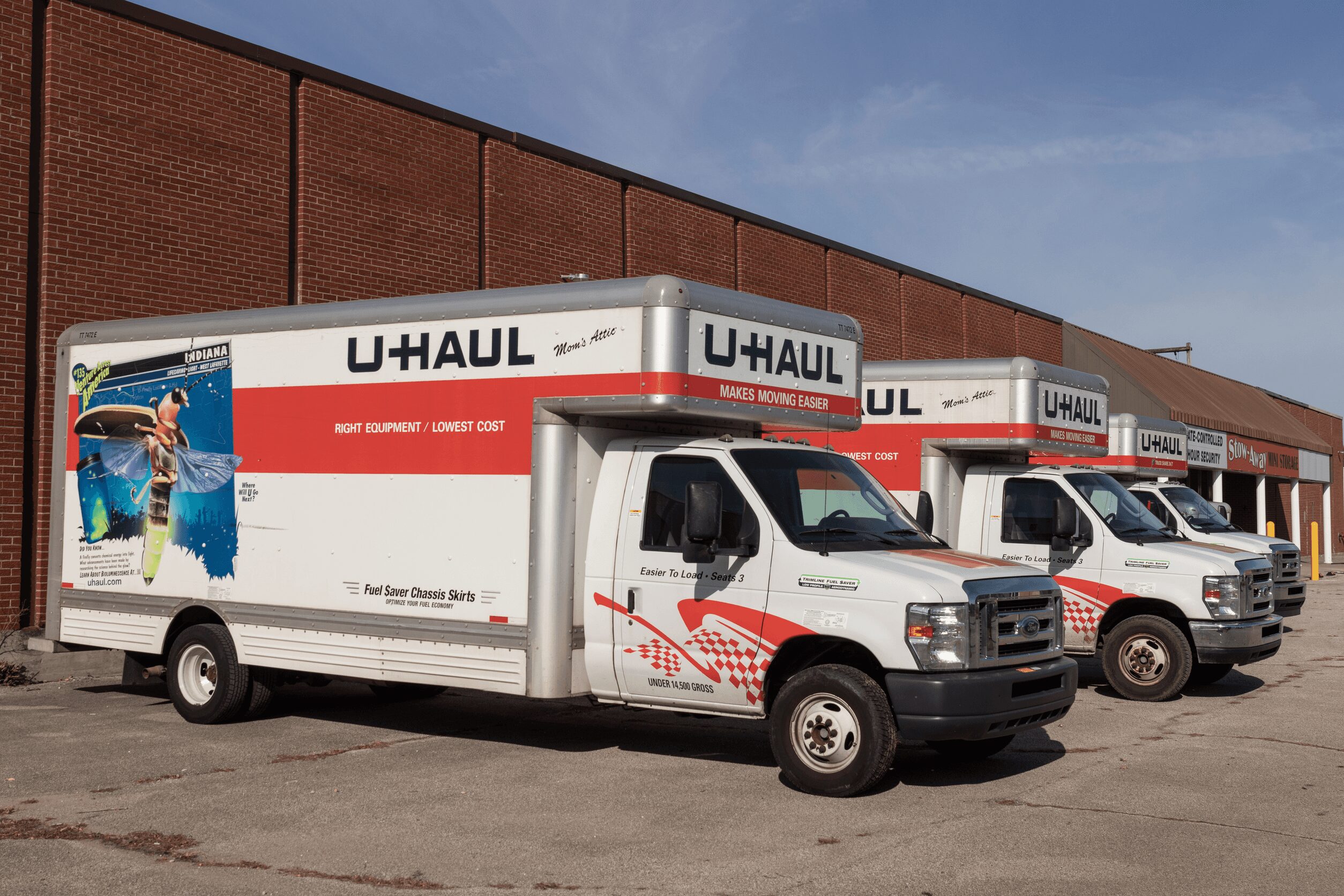
Actionable Insight: Check U-Haul's website or call their customer service to get a base rental rate quote for the specific truck size, dates, and locations you need. This will provide a solid foundation for your cost estimation.
Section 2: Mileage Fees: Calculating the Cost Per Mile
Mileage fees are a significant component of the overall cost, especially for one-way moves. U-Haul charges a per-mile fee in addition to the base rental rate. This fee can vary based on:
- Distance of the Move: The longer the distance, the higher the total mileage cost.
- Availability: The per-mile rate is sometimes affected by truck availability.

Practical Advice: Accurately estimate the distance of your move. Use online mapping tools like Google Maps or MapQuest to get an accurate mileage calculation. Add a buffer for detours or unexpected routes.
Section 3: Insurance Options: Protecting Your Move
U-Haul offers various insurance options to protect you and your belongings during your move. While optional, these are highly recommended to mitigate potential risks and financial burdens. Here's a breakdown of the common insurance types:

- Safemove: Covers accidental damage to the U-Haul truck, cargo, and provides medical and life coverage for the driver and passengers. This is the most comprehensive option.
- Safetow: Covers the rental equipment, the customer's vehicle, and cargo if towing a trailer or car carrier.
- Safestor: Covers your belongings while in storage at a U-Haul facility.
The cost of insurance depends on the level of coverage you choose. While it adds to the overall expense, consider it an investment in peace of mind.
Important Consideration: Carefully review the terms and conditions of each insurance option to understand what is covered and what is not. Consider your risk tolerance and the value of your belongings when deciding which insurance is right for you.
Section 4: Additional Fees: Unveiling Hidden Costs
Beyond the base rental rate, mileage, and insurance, several other fees can impact the total cost of renting a U-Haul:
- Environmental Fees: U-Haul may charge a small environmental fee to offset the cost of truck maintenance and disposal.
- Fuel Charges: You are responsible for returning the truck with the same amount of fuel as when you picked it up. If you return it with less fuel, U-Haul will charge you a refueling fee, which is typically higher than the price at a gas station.
- Late Return Fees: Returning the truck late can result in significant penalties. Be sure to adhere to the agreed-upon return time to avoid these fees.
- Cleaning Fees: If the truck is returned excessively dirty, U-Haul may charge a cleaning fee.
- Equipment Rental Fees: Dollies, furniture pads, and other moving equipment are available for rent at an additional cost.
Tips:
- Fill up the gas tank before returning the truck.
- Return the truck on time.
- Clean the truck thoroughly before returning it.
- Only rent the equipment you need.
Section 5: Comparing U-Haul to Alternatives: Exploring Other Options
While U-Haul is a popular choice, it's essential to compare its costs and services to other moving options:
- Penske: Similar to U-Haul, Penske offers truck rentals with competitive rates. Compare quotes from both companies to see which offers the best deal for your specific move.
- Budget Truck Rental: Budget is another truck rental company that offers a range of truck sizes.
- Moving Companies: Hiring a full-service moving company can be more expensive than renting a U-Haul, but it can save you time and effort.
- Portable Moving Containers (PODS): PODS delivers a container to your location, you load it, and they transport it to your destination. This is a good option for long-distance moves.
Actionable Insight: Get quotes from multiple moving companies and truck rental services to compare prices and services. Consider the pros and cons of each option based on your budget, timeline, and physical capabilities.
Section 6: Strategies for Saving Money on Your U-Haul Rental
- Move During the Off-Season: Avoid moving during peak seasons (summer and end of the month) to take advantage of lower rates.
- Move During the Week: Weekday rentals are typically cheaper than weekend rentals.
- Rent a Smaller Truck: Choose the smallest truck that can comfortably accommodate your belongings.
- Compare Quotes: Get quotes from multiple U-Haul locations and other truck rental companies.
- Pack Efficiently: Optimize your packing to minimize the number of trips required.
- Avoid Unnecessary Equipment Rentals: Only rent the equipment you need.
- Return the Truck on Time and Clean: Avoid late return and cleaning fees.
- Check for Discounts: U-Haul offers discounts for students, military personnel, and AAA members.
Section 7: Price Table
| Factor | Description | Estimated Cost |
|---|---|---|
| Base Rental Rate | Daily fee for renting the truck; varies by truck size, location, seasonality, and day of the week. | Local Move: $19.95 - $39.95/day (plus mileage) One-Way: Varies greatly based on distance and availability; get a quote online. |
| Mileage Fee | Per-mile charge, especially for one-way moves. | $0.69 - $1.29 per mile (check your specific quote) |
| Safemove Insurance | Covers damage to the truck, cargo, and provides medical/life coverage. | $14 - $30+ per day, depending on the truck size and level of coverage. |
| Environmental Fee | Fee to offset the cost of truck maintenance and disposal. | Typically a few dollars (e.g., $5 - $10). |
| Fuel Charges | Cost of refueling the truck if returned with less fuel than when picked up. | Significantly higher than gas station prices; avoid by refilling before returning. |
| Late Return Fee | Penalty for returning the truck after the agreed-upon return time. | Can be substantial; check your rental agreement (e.g., $20+ per hour or full day rental fee). |
| Cleaning Fee | Charge for returning the truck excessively dirty. | $25 - $100+ (depending on the severity) |
| Equipment Rentals | Dollies, furniture pads, etc. | Dollies: $7 - $10+ per day Furniture Pads: $5 - $10+ per half-dozen |
| Total Estimated Cost | Based on a local move (50 miles, 1 day, insurance, dolly): | $100 - $250+ (This is just an example; your cost will vary based on the specifics of your move.) |
Disclaimer: Prices are estimates and can vary significantly based on location, availability, seasonality, and specific rental terms. Always get a personalized quote from U-Haul for accurate pricing.
Section 8: Frequently Asked Questions (FAQ)
-
Q: How far in advance should I reserve a U-Haul truck?
- A: It's recommended to reserve your truck at least 2-4 weeks in advance, especially during peak moving seasons.
-
Q: Can I return the U-Haul truck to a different location?
- A: Yes, you can opt for a one-way rental and return the truck to a different U-Haul location. However, this will affect the pricing.
-
Q: What happens if I damage the U-Haul truck?
- A: If you have Safemove insurance, it will cover the cost of accidental damage. If you don't have insurance, you will be responsible for the repair costs.
-
Q: Can I tow a trailer with a U-Haul truck?
- A: Yes, but you need to ensure that the truck and trailer are compatible and that you have the appropriate hitch and wiring.
-
Q: What is the cancellation policy for U-Haul reservations?
- A: U-Haul's cancellation policy varies depending on the type of reservation. Check your reservation confirmation for details.
-
Q: Does U-Haul offer discounts for students or military personnel?
- A: Yes, U-Haul offers discounts for students, military personnel, and AAA members. Be sure to ask about these discounts when making your reservation.
-
Q: What forms of payment does U-Haul accept?
- A: U-Haul accepts credit cards, debit cards, and cash. However, cash payments may require a deposit.
Conclusion:
Understanding the cost to rent a U-Haul truck involves considering various factors, from the base rental rate and mileage fees to insurance options and potential additional charges. By carefully planning your move, comparing quotes, and taking advantage of cost-saving strategies, you can minimize your expenses and ensure a smooth and affordable relocation. Remember to prioritize safety by opting for appropriate insurance coverage and adhering to all U-Haul's terms and conditions. With proper preparation and knowledge, you can navigate the complexities of U-Haul rentals and move efficiently without breaking the bank.