Moving can be one of life's most stressful events. Amidst the packing, planning, and farewells, figuring out the cost of your moving truck rental shouldn't add to the anxiety. U-Haul, a dominant player in the moving industry, offers a range of trucks and services, but navigating their pricing structure can be confusing. This comprehensive guide breaks down the various factors that influence the cost of a U-Haul rental, equipping you with the knowledge to budget effectively and avoid unwelcome surprises.
What Impacts the Cost of Your U-Haul?
Decoding the Maze: A Comprehensive Guide to U-Haul Costs
The "Cost of U-Hauls" isn't a single, fixed number. It's a dynamic calculation influenced by several key elements:
- Distance: The further you move, the higher the rental cost. U-Haul typically charges a per-mile fee in addition to a base rental rate. Local moves usually involve a fixed hourly or daily rate with mileage.
- Truck Size: U-Haul offers a variety of truck sizes, from pickup trucks and cargo vans to large moving trucks. The larger the truck, the higher the rental fee. Choosing the right size is crucial; going too small means multiple trips, while going too big means paying for unused space.
- Rental Duration: How long you need the truck directly impacts the cost. Local moves are typically priced hourly or daily, while long-distance moves have a set number of days included in the initial quote. Exceeding the allotted time will incur extra charges.
- Day of the Week and Time of Year: Weekends and the end/beginning of the month are peak moving times. Expect to pay more during these periods. Similarly, summer months, particularly June through August, tend to have higher demand and therefore higher prices.
- Origin and Destination: The location of your pickup and drop-off points can influence the price. Moving from a high-demand area to a low-demand area may result in a lower rate than moving in the opposite direction.
- One-Way vs. Round-Trip: A one-way rental allows you to drop off the truck at a different location than where you picked it up. This is convenient for long-distance moves but generally more expensive than a round-trip rental, where you return the truck to the original location.
- Insurance and Protection Plans: U-Haul offers various protection plans that cover damage to the truck, cargo, and potential injuries. These are optional but recommended, and their cost can significantly add to the overall rental expense.
- Additional Services and Equipment: Services like moving help (loading and unloading), packing supplies (boxes, tape, blankets), dollies, and furniture pads all add to the final bill.
- Hidden Fees and Taxes: Always factor in taxes and potential hidden fees. These can include environmental fees, fuel surcharges, and cleaning fees if the truck is returned excessively dirty.
- Guaranteed Availability: U-Haul offers guaranteed availability with reservations, but often it comes at a higher price.

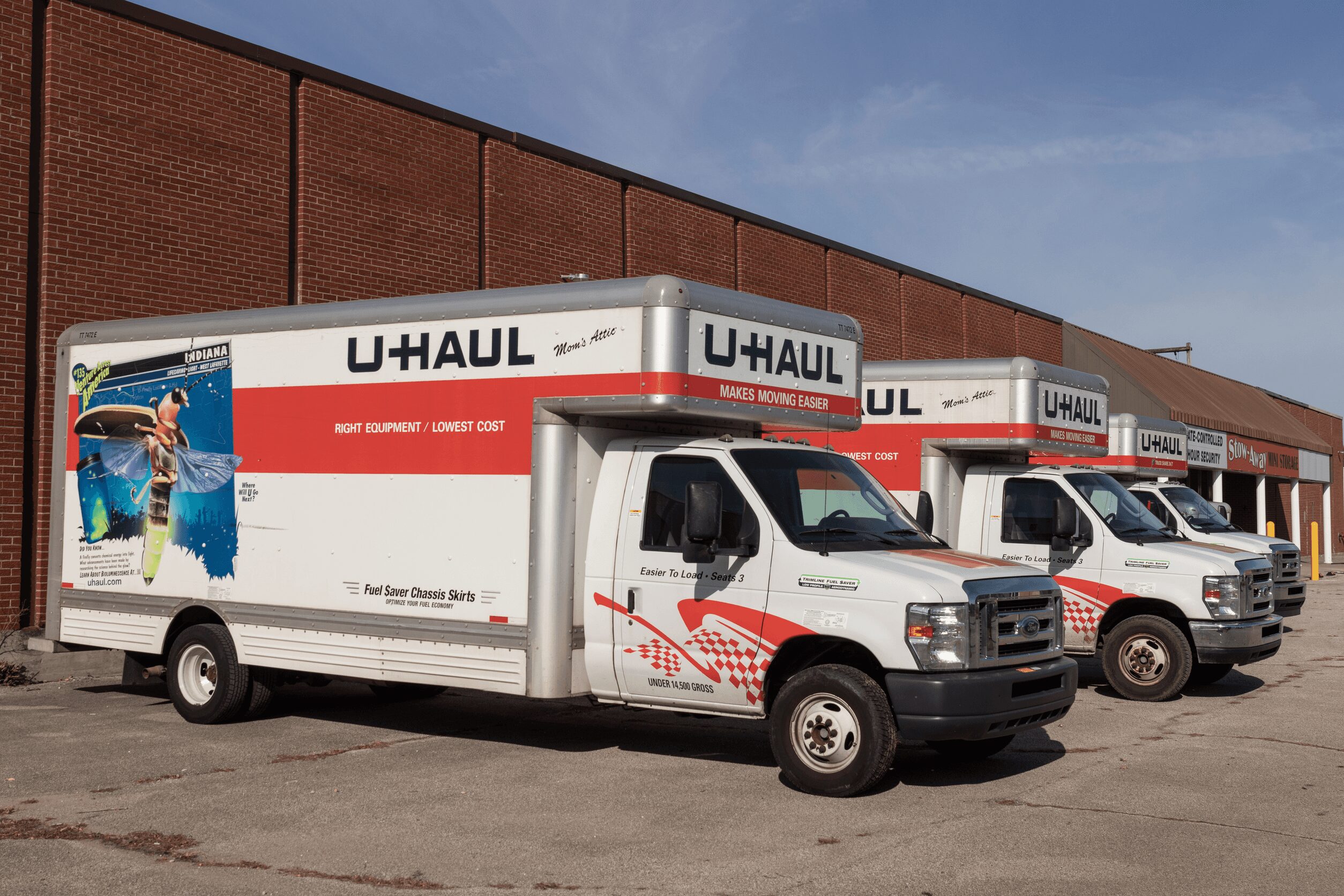
Breaking Down the Cost: A Practical Example
Let's illustrate how these factors come into play with a hypothetical move:
- Scenario: Moving from Chicago, IL to Denver, CO (approximately 1000 miles) using a 15-foot truck.
- Truck Size: 15-foot truck - $800 (base rate, subject to change)
- Mileage: 1000 miles at $0.79 per mile - $790
- Rental Duration: 5 days (included in the base rate)
- Safemove Plus Insurance: $14 per day x 5 days - $70
- Furniture Pads (12): $5 per pad x 12 = $60
- Taxes: Estimated at 7% - $116.90 (Calculated on the subtotal)
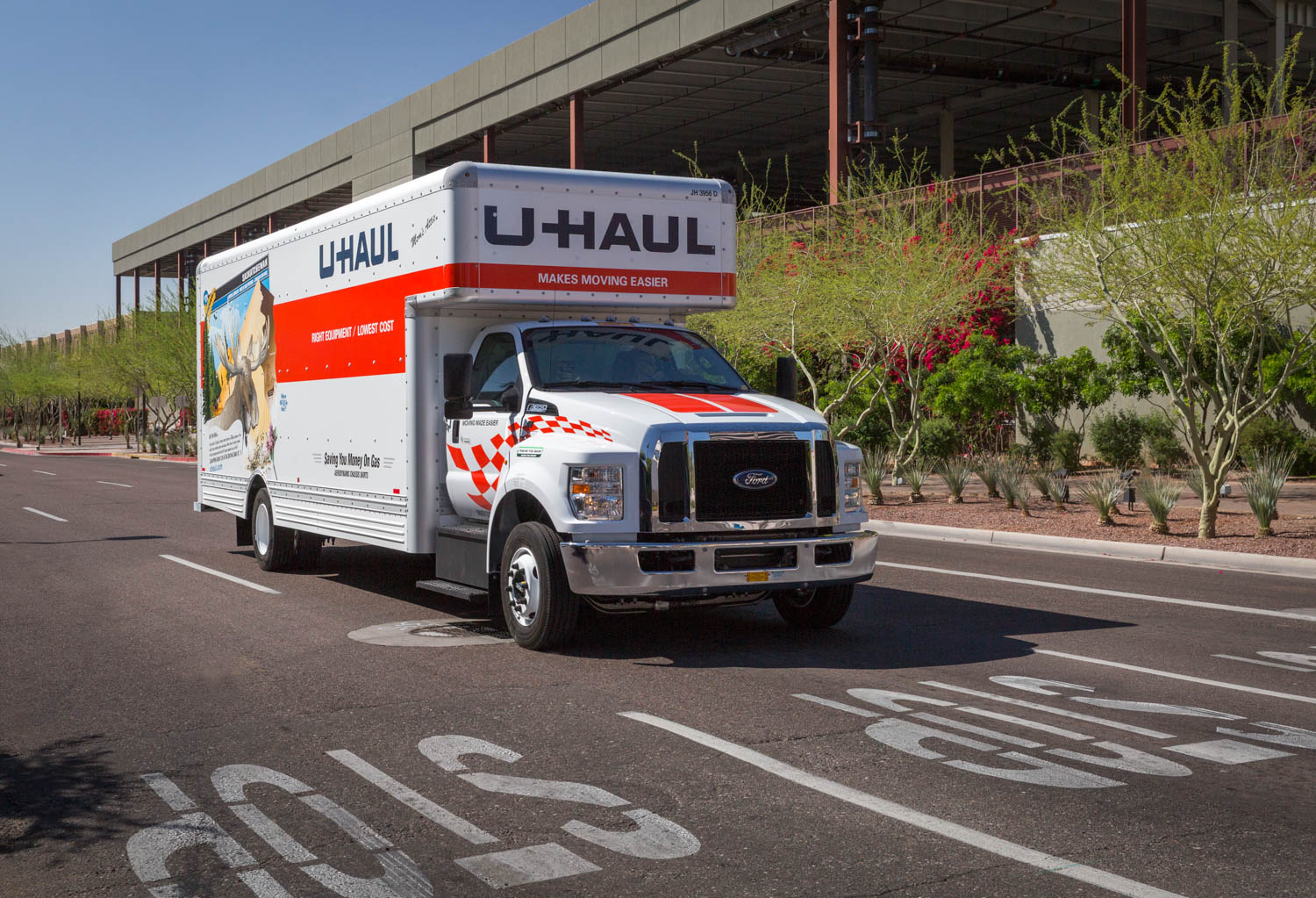
Estimated Total Cost: $1836.90
Important Note: This is just an estimate. The actual cost could vary depending on the specific dates, availability, and any additional services or fees. Always obtain a formal quote from U-Haul directly.
Types of U-Haul Rentals and Their Associated Costs
U-Haul offers different rental types catering to various needs:
- Local Moves: Priced hourly or daily with a mileage charge. These are ideal for short-distance moves within the same city. The cost depends on the truck size and rental duration.
- One-Way Moves: Fixed price based on distance and truck size, including a set number of days and mileage. More expensive than round-trip but convenient for long-distance relocations.
- U-Box Containers: Portable storage containers delivered to your location. You load them, and U-Haul transports them to your destination. The cost includes container rental, shipping, and delivery. These are good for long distance moves where you need more time.
- Trailers: Suitable for hauling smaller loads or towing behind your own vehicle. Trailer rental costs vary depending on the size and type of trailer.
Tips for Saving Money on Your U-Haul Rental
- Move During Off-Peak Times: Avoid weekends, holidays, and the end/beginning of the month. Mid-week rentals during the off-season (fall and winter) are generally cheaper.
- Reserve in Advance: Booking early can often secure a better rate, especially during peak seasons.
- Compare Quotes: Check prices from multiple U-Haul locations and competitors (like Budget Truck Rental or Penske) to ensure you're getting the best deal.
- Choose the Right Truck Size: Don't overestimate your needs. Renting a smaller truck and making multiple trips might be more cost-effective than paying for a larger truck with empty space.
- Consider Round-Trip Rentals: If possible, opt for a round-trip rental to save money compared to one-way rentals.
- Pack and Load Yourself: Hiring movers can be expensive. Enlist friends and family to help with packing and loading to save on labor costs.
- Decline Unnecessary Add-Ons: Carefully evaluate the need for optional insurance and protection plans. While recommended, you might already have coverage through your own auto or homeowner's insurance.
- Return the Truck on Time and Clean: Avoid late fees and cleaning charges by returning the truck on time and in the same condition you received it.
- Fuel Up Before Returning: Refill the gas tank to the same level as when you picked up the truck to avoid paying U-Haul's refueling charges, which are typically higher than gas station prices.
- Check for Discounts: Inquire about discounts for students, military personnel, or AAA members.
Potential Challenges and Solutions
- Hidden Fees: Solution: Read the rental agreement carefully and ask about any potential fees before signing.
- Truck Availability: Solution: Reserve your truck well in advance, especially during peak seasons. Consider alternative locations if your preferred location is unavailable.
- Unexpected Charges: Solution: Document the condition of the truck before and after your rental with photos and videos. Dispute any charges you believe are unfair or incorrect.
- Insurance Coverage: Solution: Understand the terms and conditions of U-Haul's protection plans. Compare them to your existing insurance policies to determine the best coverage option.
Table of U-Haul Cost Factors and Considerations
| Factor | Impact on Cost | Considerations |
|---|---|---|
| Distance | Higher mileage = higher cost | Plan your route carefully to minimize mileage. |
| Truck Size | Larger truck = higher cost | Choose the right size based on your belongings. |
| Rental Duration | Longer duration = higher cost | Accurately estimate the time you need the truck. |
| Day/Time of Year | Peak times = higher cost | Move during off-peak times for lower rates. |
| Origin/Destination | High demand areas = higher cost | Be flexible with pickup/drop-off locations if possible. |
| One-Way vs. Round-Trip | One-way = generally higher cost | Consider round-trip if feasible. |
| Insurance/Protection | Adds to the overall cost | Evaluate your needs and compare coverage options. |
| Add-on Services | Increases the total expense | Only choose services you truly need. |
| Fuel | Impacts the final cost | Refill the tank before returning to avoid extra charges. |
| Cleaning Fees | Can be incurred if truck is returned dirty | Clean the truck before returning it. |
| Guaranteed Availability | Can increase the cost | Decide if guaranteed availability is worth the extra expense. |
Frequently Asked Questions (FAQ)
-
Q: How much does it cost to rent a U-Haul for a local move?
- A: Local moves are typically priced hourly or daily with a per-mile fee. The cost varies depending on the truck size and rental duration, but expect to pay between $20-$40 per hour plus mileage.
-
Q: How much does it cost to rent a U-Haul for a long-distance move?
- A: Long-distance moves are priced based on distance, truck size, and the number of days included in the rental. Prices can range from a few hundred dollars to several thousand, depending on the specifics of your move.
-
Q: What happens if I return the U-Haul late?
- A: U-Haul charges late fees, which can be significant. It's crucial to return the truck on time to avoid these charges.
-
Q: Do I need insurance when renting a U-Haul?
- A: While U-Haul offers optional protection plans, you might already have coverage through your own auto or homeowner's insurance. Review your existing policies to determine if you need additional coverage.
-
Q: How do I reserve a U-Haul truck?
- A: You can reserve a U-Haul truck online at U-Haul's website, by calling U-Haul directly, or by visiting a U-Haul location in person.
-
Q: Can I change my U-Haul reservation?
- A: Yes, you can usually change your U-Haul reservation, but changes might be subject to availability and could affect the price. Contact U-Haul directly to make changes to your reservation.
-
Q: What is SafeMove and SafeMove Plus?
- A: These are protection plans offered by U-Haul. SafeMove provides limited coverage for damage to the U-Haul truck, while SafeMove Plus offers more comprehensive coverage, including cargo protection and medical coverage.
Conclusion: Mastering the Cost of Your Move
Understanding the intricacies of U-Haul costs is essential for a successful and stress-free move. By carefully considering the factors outlined in this guide, planning ahead, and comparing your options, you can effectively budget for your U-Haul rental and avoid unexpected expenses. Remember to read the fine print, ask questions, and always prioritize safety throughout the moving process. A well-informed mover is an empowered mover, ready to tackle the challenges of relocation with confidence. Now, go forth and conquer that move!