Moving is often cited as one of life's most stressful events. Add to that the complexities of logistics, packing, and transportation, and the stress levels can skyrocket. U-Haul, a ubiquitous presence in the moving industry, offers a solution for those tackling long-distance relocations: one-way rentals. But before you load up the truck and hit the road, understanding U-Haul one-way costs is crucial. This comprehensive guide will break down the intricacies of U-Haul's pricing structure, offering practical advice, actionable insights, and essential considerations to help you navigate your move with confidence and stay within budget.
What is U-Haul One-Way Cost?
Decoding U-Haul One-Way Costs: Your Comprehensive Guide to Budget-Friendly Moving
Simply put, a U-Haul one-way rental allows you to pick up a truck or trailer at one location and drop it off at another. This eliminates the hassle of returning the vehicle to the original rental point, making it an ideal choice for long-distance moves. However, this convenience comes at a price, and understanding how that price is calculated is paramount. The U-Haul one-way cost encompasses several factors, including the distance of your move, the size of the truck, the rental duration, and potential add-ons. This article will dissect these elements to empower you with the knowledge you need to make informed decisions and secure the best possible deal.
Understanding the Components of U-Haul One-Way Cost
Several elements contribute to the final cost of your U-Haul one-way rental. Let's break down each component:
-
Base Rate: This is the fundamental cost associated with renting the truck or trailer for a specific route. It's largely determined by the distance between your origin and destination. Popular routes with high demand may have higher base rates. U-Haul's online quote system provides an initial estimate of the base rate.
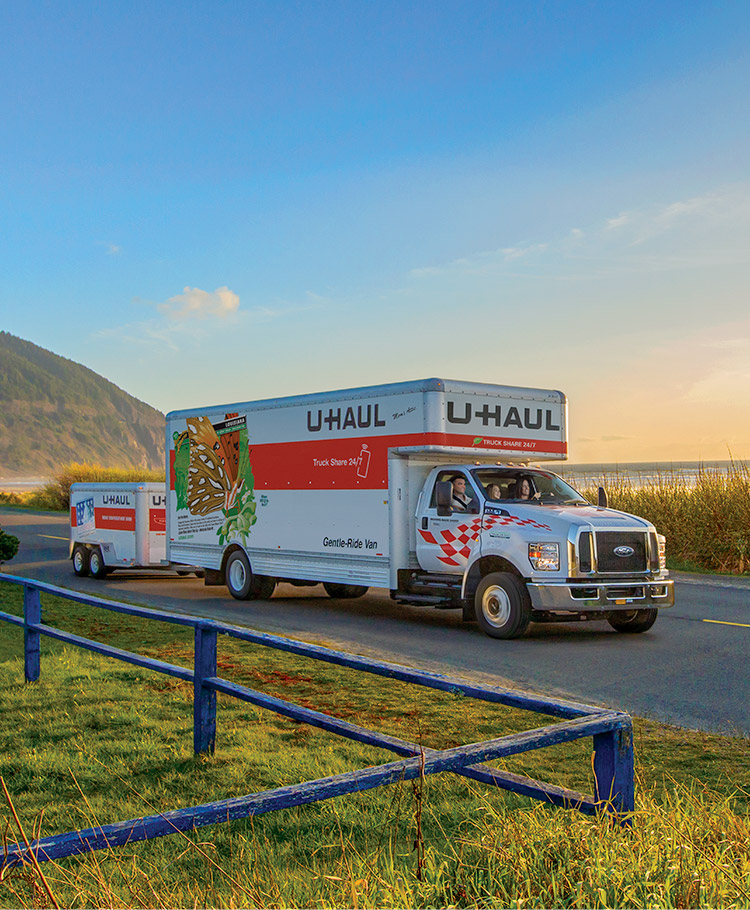
Truck Size: The size of the truck you choose directly impacts the cost. Larger trucks, like the 26-foot model, command a higher base rate than smaller options like the 10-foot van. Choosing the right size truck is crucial – overestimating can lead to unnecessary expenses, while underestimating can result in multiple trips or leaving belongings behind.
-
Rental Duration: U-Haul provides an allotted timeframe to complete your move. Exceeding this timeframe will result in additional daily charges. The initial rental duration is usually determined based on the distance of your move, but it's wise to factor in potential delays, such as traffic or unforeseen circumstances, when planning your itinerary.
-
Mileage: While U-Haul offers a set mileage allowance, exceeding this limit will incur a per-mile charge. This is a significant consideration, especially for long-distance moves. Carefully plan your route and factor in any potential detours to avoid racking up extra mileage charges.
-
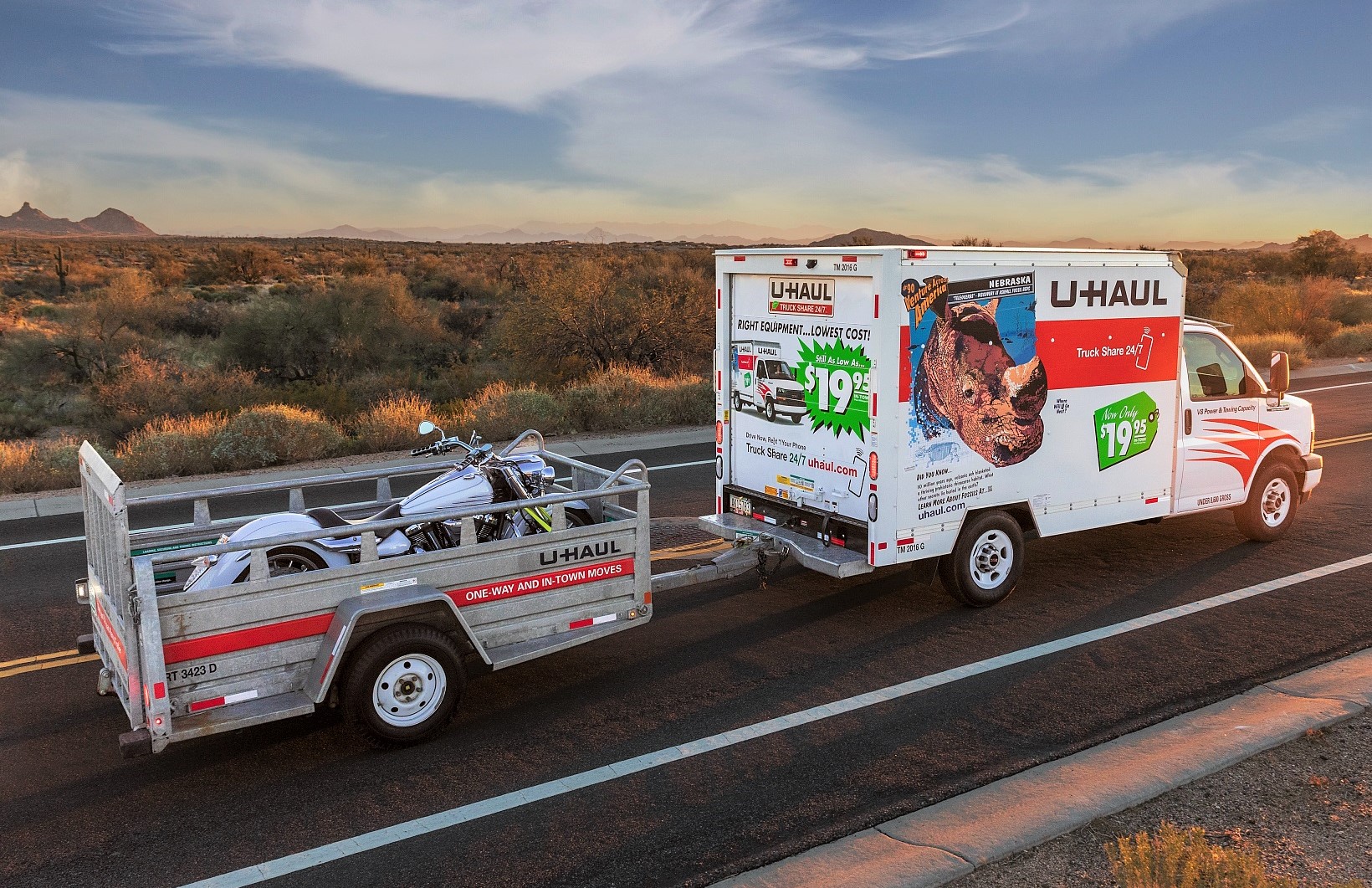
Insurance: U-Haul offers various insurance options, including Safemove (covers accidental damage to the truck and cargo), Safemove Plus (offers increased coverage and liability protection), and Safetow (covers towed vehicles). While insurance adds to the overall cost, it can provide peace of mind and protect you from potentially expensive repairs or liabilities.
-
Additional Equipment and Services: This category includes add-ons like furniture pads, dollies, packing supplies, and moving labor. While these services can be helpful, they also contribute to the total cost. Consider whether you can source these items elsewhere (e.g., borrowing from friends, buying from a discount store) to save money.
-
Taxes and Fees: Sales tax is applied to the rental cost, and there may be additional fees depending on your location and the specific rental agreement. Be sure to review the fine print to understand all applicable taxes and fees.

Practical Tips for Minimizing U-Haul One-Way Costs
Now that you understand the various components of U-Haul one-way cost, let's explore strategies to minimize your expenses:
-
Plan Ahead and Book Early: Booking your U-Haul well in advance, especially during peak moving season (summer and end of the month), can help you secure a lower base rate. Procrastination can lead to limited availability and higher prices.
-
Be Flexible with Dates: If possible, consider moving during the off-season or mid-week. Demand is typically lower during these periods, which can translate to significant cost savings.
-
Choose the Right Truck Size: Accurately estimate the amount of space you need. Use U-Haul's online size guide or consult with a representative to determine the appropriate truck size. Avoid overestimating, as a larger truck means a higher base rate.
-
Pack Efficiently: Optimize your packing to maximize space utilization. Disassemble furniture, pack boxes tightly, and utilize vertical space. Efficient packing can potentially allow you to downsize your truck, saving you money.
-
Compare Quotes from Multiple Locations: Prices can vary slightly between different U-Haul locations. Obtain quotes from several nearby locations to compare rates and identify the most affordable option.
-
Consider Alternative Transportation: Explore alternative transportation options for items that don't require a truck, such as shipping boxes via mail or using a freight service.
-
Decline Unnecessary Add-ons: Carefully evaluate whether you need all the add-ons offered by U-Haul. You may be able to source packing supplies, dollies, and other equipment from cheaper alternatives.
-
Return the Truck on Time: Avoid exceeding the allotted rental duration to avoid additional daily charges. Plan your itinerary carefully and factor in potential delays.
-
Negotiate: Don't be afraid to negotiate with U-Haul representatives, especially if you have a competing quote or are renting during a slow period. You might be able to secure a discount or negotiate a better rate.
Potential Challenges and Solutions
Even with careful planning, unexpected challenges can arise during your U-Haul one-way rental. Here are some common issues and potential solutions:
-
Truck Availability: During peak season, truck availability can be limited. Booking well in advance and being flexible with dates can help mitigate this issue. If your desired truck size is unavailable, consider renting a smaller truck and making multiple trips or exploring alternative transportation options.
-
Mechanical Issues: Although U-Haul maintains its fleet, mechanical issues can occur. In the event of a breakdown, contact U-Haul's roadside assistance immediately. Document the issue and request compensation for any delays or expenses incurred.
-
Unexpected Fees: Thoroughly review the rental agreement to understand all applicable fees. If you believe you have been charged unfairly, contact U-Haul's customer service department and provide documentation to support your claim.
-
Difficulty Finding Drop-off Location: Ensure you have clear directions to the designated drop-off location. Contact the location in advance to confirm their hours of operation and any specific instructions.
U-Haul One Way Cost Price Table
| Feature | Description | Cost (Estimates) | Notes |
|---|---|---|---|
| Base Rate | Cost of the truck rental based on distance, demand, and truck size. | Varies widely: $100 - $2,000+ | Dependent on route popularity, time of year, and booking lead time. |
| Truck Size (10ft) | Smallest truck, suitable for studio apartments or small moves. | $19.95/day + mileage | Local moves, best for smaller items. |
| Truck Size (15ft) | Medium-sized truck, good for 1-2 bedroom apartments. | $29.95/day + mileage | Can handle larger furniture and more belongings. |
| Truck Size (26ft) | Largest truck, suitable for 3+ bedroom homes or large moves. | $39.95/day + mileage | Best for large households or significant amounts of furniture and boxes. |
| Mileage | Cost per mile driven beyond the included allowance. | $0.40 - $1.50/mile (varies by location and demand) | Monitor mileage carefully, plan your route, and avoid unnecessary detours. |
| Rental Duration | Time allotted to complete the move; exceeding this incurs daily charges. | Varies based on distance; $40-$100/day if exceeded | Plan your route to ensure you return the truck on time. |
| Safemove Insurance | Basic insurance covering damage to the truck and cargo. | Approx. $15 - $50 (depends on truck size and coverage) | Consider the level of protection needed based on the value of your belongings. |
| Furniture Pads | Protective pads to prevent damage to furniture. | Approx. $8 - $15 per dozen | Can be cheaper to buy reusable moving blankets. |
| Hand Truck/Dolly | Equipment to assist with moving heavy items. | Approx. $10 - $20 per day | Essential for moving appliances or heavy furniture. |
| Sales Tax | Tax applied to the total rental cost. | Varies by state/location | Factor this into your budget. |
| Environmental Fee | Fee imposed to cover environmental costs. | Varies by location | Typically a small fee. |
Please Note: These are estimates only. Actual costs may vary based on location, demand, availability, and specific rental terms. Always obtain a detailed quote from U-Haul for your specific move.
Frequently Asked Questions (FAQ)
-
Q: How does U-Haul calculate the base rate for a one-way rental?
- A: The base rate is primarily determined by the distance of your move, the demand for that route, and the size of the truck you choose. Popular routes and larger trucks typically have higher base rates.
-
Q: Can I return the U-Haul to a different location than originally planned?
- A: It may be possible to change the drop-off location, but this is subject to availability and may incur additional fees. Contact U-Haul customer service as soon as possible to request a change.
-
Q: What happens if I exceed the allotted mileage?
- A: You will be charged a per-mile fee for each mile driven beyond the included allowance. The per-mile rate varies depending on the location and demand.
-
Q: Is U-Haul insurance mandatory?
- A: No, U-Haul insurance is not mandatory, but it is highly recommended. It provides coverage for damage to the truck, cargo, and potential liabilities.
-
Q: Can I cancel my U-Haul reservation?
- A: U-Haul's cancellation policy varies depending on the type of reservation. Review the terms and conditions of your reservation for specific details.
-
Q: Does U-Haul offer discounts?
- A: U-Haul occasionally offers discounts for students, military personnel, and AAA members. Inquire about available discounts when making your reservation.
Conclusion
Navigating U-Haul one-way costs can seem daunting, but with a thorough understanding of the pricing components and effective planning, you can minimize your expenses and ensure a smooth and affordable move. Remember to book early, choose the right truck size, pack efficiently, compare quotes, and be mindful of mileage and rental duration. By implementing these strategies, you can confidently tackle your relocation and embark on your new adventure without breaking the bank. The key is to be informed, proactive, and adaptable throughout the moving process. Good luck with your move!