Moving is often cited as one of life's most stressful events. Whether it's across town or across the country, the logistical challenges can feel overwhelming. One of the most significant decisions is choosing a reliable and affordable moving option. U-Haul, a household name in the moving industry, offers a convenient solution with its one-way rental service. But understanding the nuances of U-Haul one-way costs is crucial to budgeting effectively and avoiding unexpected expenses. This comprehensive guide will break down the factors influencing these costs, provide practical advice, and answer frequently asked questions to help you navigate your next move with confidence.
What is U-Haul One-Way Cost and Why is it Important?
Understanding U-Haul One-Way Costs: A Comprehensive Guide
U-Haul one-way rentals allow you to pick up a truck or trailer at one location and drop it off at another. This is a significant advantage over round-trip rentals, especially for long-distance moves, as it eliminates the need to return the vehicle to the original location. Understanding the cost associated with this service is vital for several reasons:
- Budgeting: Knowing the estimated cost allows you to plan your moving budget accurately, avoiding financial strain.
- Comparison Shopping: Understanding the breakdown of costs allows you to compare U-Haul's one-way rates with those of other moving companies and choose the most cost-effective option.
- Avoiding Hidden Fees: Familiarizing yourself with the potential charges helps you identify and avoid unnecessary expenses.
- Making Informed Decisions: Knowing how different factors affect the price empowers you to make informed decisions about your moving date, truck size, and optional services.
Factors Influencing U-Haul One-Way Costs
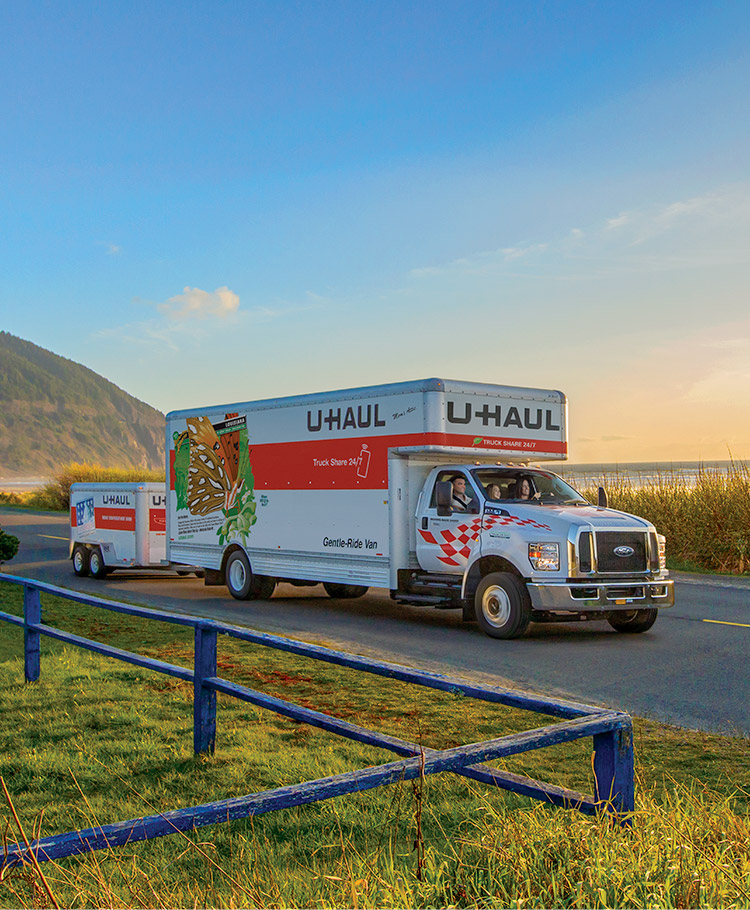
U-Haul's one-way rental costs aren't fixed; they're dynamic and influenced by several factors. Here's a detailed look at each:
-
Distance: This is arguably the most significant factor. The further you're moving, the higher the cost. U-Haul calculates a mileage rate based on the distance between your pickup and drop-off locations.
-
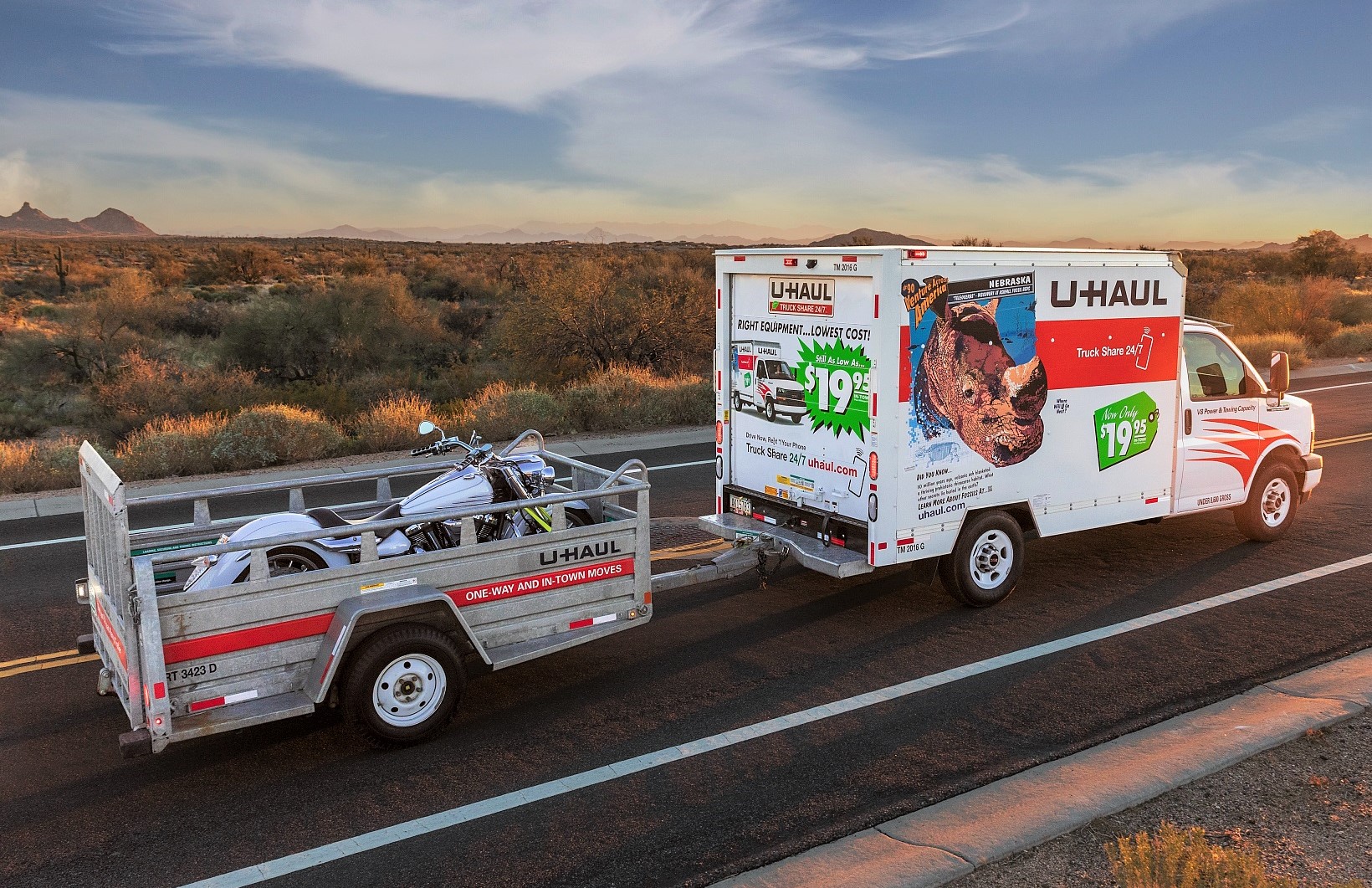
Truck Size: U-Haul offers a range of truck sizes, from pickup trucks and cargo vans to large 26-foot trucks. The larger the truck, the higher the base rental rate. Consider the volume of your belongings carefully to avoid renting a truck that's too large or too small.
-
Rental Date and Time: Demand plays a significant role in pricing. Weekends, the end of the month, and peak moving seasons (summer) are generally more expensive. If your schedule is flexible, consider moving during the week or in the off-season (fall or winter) to potentially save money.
-
Pickup and Drop-off Locations: The popularity of the route significantly impacts the price. Routes with high demand, such as those moving from densely populated cities to smaller towns, may be more expensive due to inventory imbalances. If possible, consider alternative drop-off locations slightly further from your final destination, as this might lower the cost.
-
Insurance Coverage: U-Haul offers various insurance options, including damage waivers and cargo protection. While these provide peace of mind, they also add to the overall cost. Carefully assess your needs and consider your existing insurance policies (e.g., homeowner's or renter's insurance) before purchasing additional coverage.
-
Additional Services: U-Haul offers a variety of additional services, such as moving supplies (boxes, tape, packing paper), dollies, and moving labor. These services can be convenient but will increase the overall cost. Consider purchasing moving supplies elsewhere, such as online retailers or local hardware stores, to potentially save money.
-
Guaranteed Reservation: Paying for a guaranteed reservation ensures that the specific truck size you reserved will be available on the day you need it. This is particularly important during peak moving seasons. However, it also adds to the cost.
-
Equipment Protection: U-Haul offers different protection plans. These are often optional, but provide coverage for damages to the equipment. Different plans have different deductibles and coverage limits, impacting the total cost.

A Step-by-Step Guide to Estimating U-Haul One-Way Costs
The best way to get an accurate estimate of your U-Haul one-way cost is to use U-Haul's online quote tool. Here's a step-by-step guide:
- Visit the U-Haul Website: Go to uhaul.com.
- Enter Pickup and Drop-off Locations: Provide the city, state, and zip code for both your pickup and drop-off locations.
- Select Your Moving Date: Choose your desired moving date and time. Remember that prices may vary depending on the day and time.
- Choose Your Truck Size: Select the appropriate truck size based on the estimated volume of your belongings. Use U-Haul's online size guide for assistance.
- Review the Quote: The quote will display the estimated cost, including the base rental rate, mileage charge, estimated fuel cost, and any optional services or insurance coverage you've selected.
- Customize Your Quote: Adjust the options to see how they affect the price. For example, try changing the moving date, truck size, or insurance coverage.
- Compare Quotes: Get quotes from multiple moving companies to ensure you're getting the best possible price.
Tips for Saving Money on U-Haul One-Way Rentals
- Move During the Off-Season or Mid-Week: Avoid moving during peak season (summer) or on weekends, as prices are typically higher.
- Be Flexible with Your Pickup and Drop-off Dates: If possible, adjust your moving date by a day or two to potentially save money.
- Choose the Right Truck Size: Don't rent a truck that's larger than you need. Use U-Haul's online size guide or consult with a U-Haul representative to determine the appropriate truck size.
- Decline Unnecessary Insurance Coverage: Review your existing insurance policies and decline any U-Haul insurance coverage that you don't need.
- Purchase Moving Supplies Elsewhere: Buy boxes, tape, and packing paper from online retailers or local hardware stores instead of purchasing them from U-Haul.
- Load and Unload Yourself: Hire moving labor only if you absolutely need it. Consider enlisting the help of friends and family instead.
- Return the Truck Clean and with a Full Tank of Gas: Avoid incurring additional charges by returning the truck clean and with a full tank of gas.
- Look for Discounts: Check for discounts for students, military personnel, or AAA members.
- Early booking: Booking in advance can often secure better rates.
Potential Challenges and Solutions
- Hidden Fees: Carefully review the rental agreement to identify any potential hidden fees, such as late return fees, cleaning fees, or mileage overage fees.
- Solution: Read the fine print carefully and ask a U-Haul representative to clarify any unclear charges.
- Truck Availability: During peak moving seasons, truck availability can be limited.
- Solution: Reserve your truck well in advance to ensure availability. Consider being flexible with your pickup and drop-off dates.
- Unexpected Damage: Accidents can happen.
- Solution: Consider purchasing U-Haul's insurance coverage or ensuring that you have adequate coverage through your existing insurance policies.
- Drop-Off Location Issues: Drop-off locations may have limited hours or be located in inconvenient areas.
- Solution: Confirm the drop-off location's hours of operation and location before your move.
U-Haul One-Way Cost Table
Please note that these are estimated costs and can vary based on the factors mentioned above.
| Truck Size | Distance (Miles) | Estimated Base Rate | Estimated Mileage Charge | Estimated Fuel Cost | Estimated Insurance (Optional) | Total Estimated Cost |
|---|---|---|---|---|---|---|
| Cargo Van | 500 | $19.95 | $0.99/mile ($495) | $100 | $30 | $644.95 |
| 10' Truck | 500 | $29.95 | $0.99/mile ($495) | $120 | $35 | $679.95 |
| 15' Truck | 500 | $39.95 | $0.99/mile ($495) | $140 | $40 | $714.95 |
| 20' Truck | 500 | $49.95 | $0.99/mile ($495) | $160 | $45 | $749.95 |
| 26' Truck | 500 | $59.95 | $0.99/mile ($495) | $180 | $50 | $784.95 |
| Cargo Van | 1000 | $19.95 | $0.99/mile ($990) | $200 | $30 | $1239.95 |
| 10' Truck | 1000 | $29.95 | $0.99/mile ($990) | $240 | $35 | $1294.95 |
| 15' Truck | 1000 | $39.95 | $0.99/mile ($990) | $280 | $40 | $1349.95 |
| 20' Truck | 1000 | $49.95 | $0.99/mile ($990) | $320 | $45 | $1404.95 |
| 26' Truck | 1000 | $59.95 | $0.99/mile ($990) | $360 | $50 | $1459.95 |
Frequently Asked Questions (FAQ)
-
Q: How does U-Haul calculate mileage charges?
- A: U-Haul calculates mileage charges based on the distance between your pickup and drop-off locations. The mileage rate varies depending on the route and demand.
-
Q: What is the difference between a guaranteed reservation and a standard reservation?
- A: A guaranteed reservation ensures that the specific truck size you reserved will be available on the day you need it. A standard reservation does not guarantee availability.
-
Q: What happens if I return the truck late?
- A: You will be charged a late return fee, which can be substantial.
-
Q: Can I change my drop-off location after I've made a reservation?
- A: It may be possible to change your drop-off location, but it may incur additional charges. Contact U-Haul customer service to inquire about changing your drop-off location.
-
Q: What kind of fuel does U-Haul trucks use?
- A: Most U-Haul trucks use regular unleaded gasoline, but it's always best to double-check the fuel requirements on the specific truck you're renting.
Conclusion
Understanding U-Haul one-way costs is essential for planning a successful and budget-friendly move. By considering the various factors that influence pricing, utilizing U-Haul's online quote tool, and following the tips outlined in this guide, you can make informed decisions and avoid unexpected expenses. Remember to plan ahead, be flexible, and carefully review the rental agreement to ensure a smooth and stress-free moving experience. Moving doesn't have to break the bank; with careful planning and informed choices, you can navigate the process with confidence.