The roar of the engine, the spray of dirt, the adrenaline-pumping competition – these are the hallmarks of off-road racing. And at the heart of it all lies the machine, the race truck. While power and suspension are critical components, often overlooked is the importance of the body. Enter fiberglass race truck bodies, a game-changer for racers seeking to shave weight, improve aerodynamics, and gain a competitive edge. This comprehensive guide will delve into the world of fiberglass race truck bodies, exploring their benefits, considerations, installation, and everything you need to know to determine if they're the right choice for your racing aspirations.
Why Fiberglass? The Advantage Explained
Fiberglass Race Truck Bodies: Shedding Weight, Gaining Speed
Fiberglass, or glass-reinforced plastic (GRP), is a composite material made by embedding glass fibers in a resin matrix. This combination results in a material that boasts a remarkable strength-to-weight ratio. For race trucks, this translates into several key advantages:
- Weight Reduction: This is perhaps the most significant benefit. Fiberglass is significantly lighter than steel or aluminum, the traditional materials used in truck bodies. Reducing weight improves acceleration, braking, and handling, allowing the truck to respond more quickly and efficiently.
- Increased Strength & Durability: While lighter, fiberglass can be surprisingly strong and durable. High-quality fiberglass bodies are designed to withstand the rigors of off-road racing, including impacts from rocks, debris, and even rollovers. The resin matrix helps distribute impact forces, preventing catastrophic failures.
- Aerodynamic Optimization: Fiberglass allows for more complex and aerodynamic shapes than traditional materials. Manufacturers can mold fiberglass bodies to reduce drag and improve airflow, resulting in higher top speeds and better fuel efficiency.
- Ease of Repair: While durable, accidents happen. Fiberglass is relatively easy to repair compared to steel or aluminum. Cracks and breaks can often be patched and reinforced with fiberglass resin and cloth, minimizing downtime and repair costs.
- Corrosion Resistance: Unlike steel, fiberglass is inherently resistant to rust and corrosion. This is a crucial advantage in the harsh environments where race trucks operate, extending the lifespan of the body.
- Customization: Fiberglass is highly customizable. Manufacturers can create bodies to meet specific dimensions, shapes, and aerodynamic requirements. This allows racers to tailor their truck to their individual needs and racing style.

Key Considerations Before Buying a Fiberglass Race Truck Body
Before investing in a fiberglass race truck body, it's essential to consider several factors:
- Quality of Materials: Not all fiberglass is created equal. Look for bodies made with high-quality resins and woven fiberglass cloth. Cheaper materials may be weaker and more prone to damage. Research the manufacturer's reputation and read reviews.
- Construction Techniques: The way a fiberglass body is constructed significantly impacts its strength and durability. Look for bodies with reinforced stress points, such as around door frames and mounting points. Hand-laid fiberglass is generally stronger than chopper-gun fiberglass.
- Fit and Finish: A well-fitting body is crucial for both aesthetics and performance. Ensure the body is designed to fit your specific truck chassis and that it has a smooth, even surface for optimal aerodynamics.
- Weight: While fiberglass is lighter than steel, the weight of the body can still vary depending on the materials and construction techniques used. Ask the manufacturer for the body's weight and compare it to other options.
- Cost: Fiberglass race truck bodies can range in price from a few hundred dollars to several thousand, depending on the size, complexity, and quality of the materials used. Set a budget and compare prices from different manufacturers.
- Compliance with Racing Regulations: Ensure that the fiberglass body meets the regulations of the racing organization you participate in. Some organizations may have specific rules regarding body materials, dimensions, and safety features.
- Installation: Consider the installation process. Some fiberglass bodies are designed to be bolt-on replacements, while others may require more extensive modifications. Factor in the cost of professional installation if you're not comfortable doing it yourself.
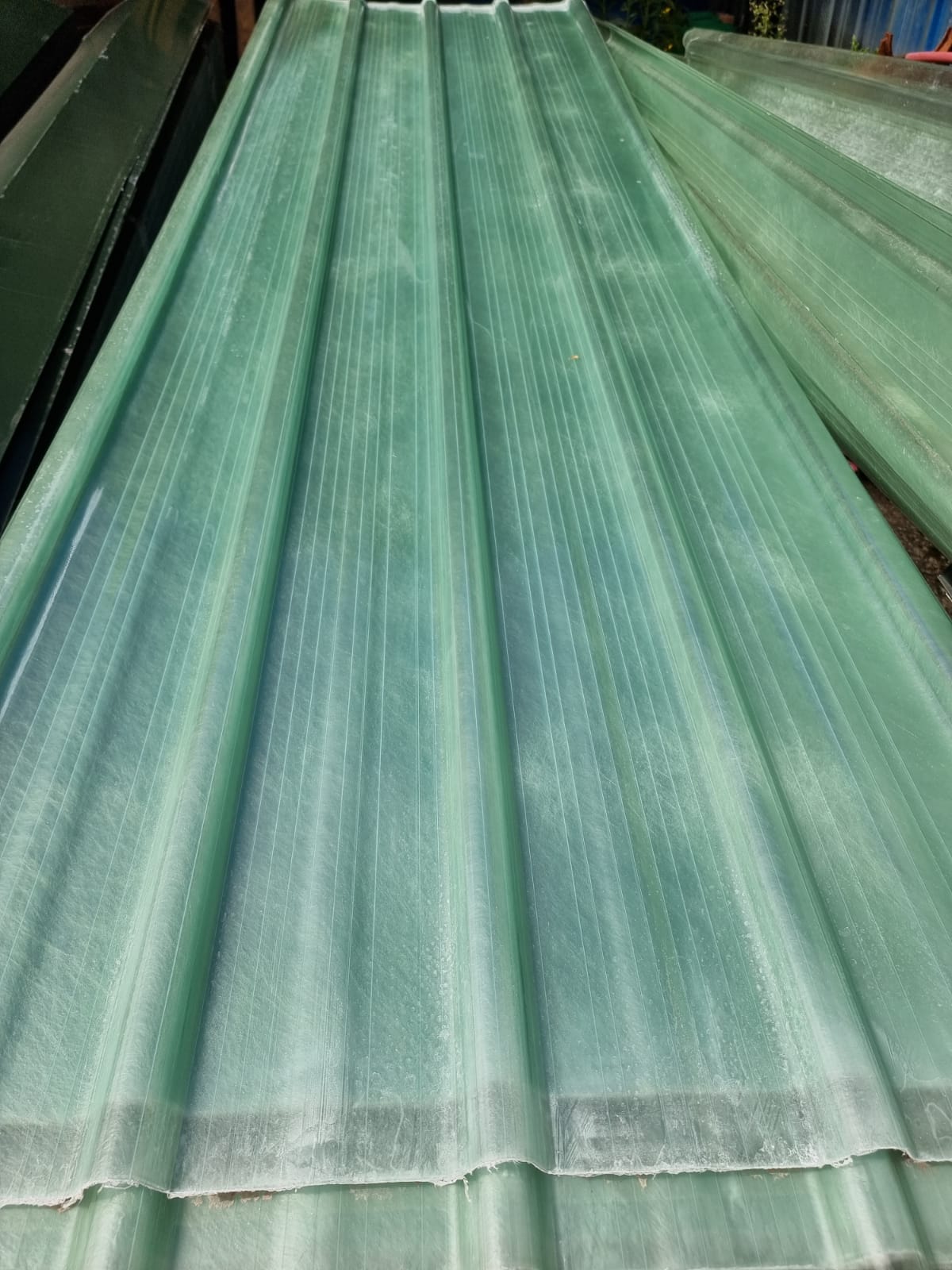

Types of Fiberglass Race Truck Bodies
Fiberglass race truck bodies come in various styles and configurations to suit different racing disciplines and truck types. Some common categories include:
- Full Bodies: These are complete replacements for the original truck body, including the cab, bed, and fenders. They offer the greatest weight savings and aerodynamic benefits.
- Clip-On Bodies: These bodies consist of separate panels that attach to the existing truck chassis. They're often used for modifying the appearance of a truck without replacing the entire body.
- Fender Flares and Bed Sides: These are smaller fiberglass components that can be used to widen the track width and improve the appearance of a truck.
- Hoods and Scoops: Fiberglass hoods and scoops can be used to reduce weight and improve airflow to the engine.
Installation Guide: A General Overview
Installing a fiberglass race truck body can be a complex process that requires patience, skill, and the right tools. Here's a general overview of the steps involved:
- Preparation: Remove the existing truck body and thoroughly clean the chassis. Inspect the chassis for any damage and make any necessary repairs.
- Test Fit: Before permanently mounting the fiberglass body, perform a test fit to ensure proper alignment and fitment. Make any necessary adjustments to the chassis or body.
- Mounting: Use appropriate mounting hardware, such as bolts, nuts, and washers, to secure the fiberglass body to the chassis. Be sure to tighten the hardware to the manufacturer's specifications.
- Finishing: After the body is mounted, sand and prime the surface to prepare it for painting. Apply several coats of paint, allowing each coat to dry thoroughly.
- Wiring and Plumbing: Reconnect all necessary wiring and plumbing, such as headlights, taillights, and fuel lines.
- Final Inspection: Perform a final inspection to ensure that all components are properly installed and functioning correctly.
Tips for Maintaining Your Fiberglass Race Truck Body
- Regular Cleaning: Wash the body regularly with soap and water to remove dirt, mud, and debris.
- Waxing: Apply a coat of wax every few months to protect the paint and maintain the body's shine.
- Inspection for Damage: Regularly inspect the body for cracks, chips, and other damage. Repair any damage promptly to prevent it from worsening.
- Proper Storage: When storing the truck, protect the body from the elements by covering it with a tarp or storing it in a garage.
- Avoid Harsh Chemicals: Avoid using harsh chemicals or solvents on the fiberglass body, as they can damage the paint and resin.
Potential Challenges and Solutions
- Cracking: Fiberglass can be prone to cracking, especially in high-stress areas. To prevent cracking, use high-quality materials, reinforce stress points, and avoid over-tightening mounting hardware. If cracks do occur, repair them promptly with fiberglass resin and cloth.
- Delamination: Delamination is the separation of the fiberglass layers. To prevent delamination, use high-quality resins and ensure proper bonding between the layers. If delamination occurs, it can be repaired by re-bonding the layers with resin.
- Fitment Issues: Fiberglass bodies may not always fit perfectly, especially if they're aftermarket products. To minimize fitment issues, choose a body that's designed for your specific truck chassis and perform a test fit before permanently mounting it.
- Cost: Fiberglass bodies can be expensive. To save money, consider buying a used body or fabricating your own.
In Conclusion: A Winning Investment
Fiberglass race truck bodies offer a significant advantage for racers looking to improve their performance. By reducing weight, improving aerodynamics, and offering enhanced durability, fiberglass can help you shave seconds off your lap times and gain a competitive edge. While the initial investment may be higher than traditional materials, the long-term benefits in terms of performance, repair costs, and lifespan make fiberglass a worthwhile investment for serious racers. Remember to carefully consider your needs, budget, and the factors outlined in this guide before making your decision. With the right fiberglass body, you'll be well on your way to conquering the track.
Price Table for Fiberglass Race Truck Bodies
| Feature | Description | Price Range (USD) | Notes |
|---|---|---|---|
| Full Body Kit | Complete replacement for stock body (cab, bed, fenders) | $3,000 - $10,000+ | Price varies based on truck model, material quality, and aerodynamic design. High-end kits may include carbon fiber reinforcement. |
| Clip-On Body Panels | Individual panels to replace or modify sections of the body (fenders, doors, etc.) | $500 - $2,500/panel | Cost depends on the size and complexity of the panel. Good for repairs or minor modifications. |
| Fender Flares | Adds width for larger tires and improved aesthetics | $200 - $800/set | Available in various styles and widths. Important to ensure proper fitment and wheel clearance. |
| Bed Sides | Replaces stock bed sides with lighter fiberglass versions | $500 - $1,500/pair | Often used in conjunction with fender flares. Improves overall appearance and reduces weight. |
| Hoods | Lighter than stock hoods; some offer improved airflow | $300 - $1,000 | Can be functional (with scoops and vents) or purely aesthetic. |
| Dashboards | Lightweight race dashboards | $200 - $700 | Can be customized to hold gauges and switches |
| Installation | Professional installation of a full body kit | $500 - $2,000+ | Varies depending on the complexity of the installation and the shop's labor rates. |
| Repair Costs | Repairing cracks or damage to fiberglass bodies | $100 - $500+ | Depends on the extent of the damage and the repair method used. Smaller repairs can often be done DIY. |
Frequently Asked Questions (FAQ)
Q: Are fiberglass race truck bodies street legal?
A: This depends on local laws and regulations. Many fiberglass bodies lack features required for street use, such as lights and safety equipment. Check with your local DMV for specific requirements.
Q: How much weight can I save by switching to a fiberglass body?
A: Weight savings can vary significantly depending on the size of the truck and the quality of the fiberglass. However, you can typically expect to save several hundred pounds compared to a steel body.
Q: Can I paint a fiberglass race truck body myself?
A: Yes, but it requires proper preparation and painting techniques. It's recommended to sand the surface, apply a primer, and use a high-quality automotive paint. If you're not comfortable painting yourself, consider hiring a professional.
Q: How long will a fiberglass race truck body last?
A: With proper care and maintenance, a fiberglass race truck body can last for many years. The lifespan will depend on the quality of the materials, the construction techniques used, and the severity of the racing conditions.
Q: Where can I buy a fiberglass race truck body?
A: Fiberglass race truck bodies are available from various manufacturers and retailers specializing in racing equipment. Do your research and choose a reputable supplier with a good track record. Online marketplaces can be a good source, but verify the seller's reputation before making a purchase.
Q: Are fiberglass bodies fire resistant?
A: Standard fiberglass is flammable. However, some manufacturers offer fiberglass bodies with fire-retardant resins for added safety. Check with the manufacturer for details on fire resistance.
Q: Can I use a fiberglass body on a stock chassis?
A: Yes, fiberglass bodies are often designed to be used with stock or modified chassis. However, it's important to ensure that the body is compatible with your specific chassis and that you have the necessary mounting hardware.
By understanding the advantages, considerations, and potential challenges associated with fiberglass race truck bodies, you can make an informed decision and invest in a product that will help you achieve your racing goals. Good luck on the track!