The food truck industry is booming, offering aspiring entrepreneurs a lower-barrier-to-entry path to restaurant ownership. However, launching a successful food truck isn't just about having a killer menu; it's about meticulous planning and execution, starting with a well-thought-out food truck design layout. This isn't simply arranging equipment; it's crafting a functional, efficient, and safe workspace that maximizes productivity, minimizes waste, and enhances the customer experience. A poorly designed layout can lead to cramped working conditions, slow service, and ultimately, a struggling business. A well-designed one, however, sets the stage for culinary triumph.
This comprehensive guide will delve into the intricacies of food truck design layout, providing you with the knowledge and tools to create the perfect mobile kitchen for your culinary dreams.
Food Truck Design Layout: The Blueprint for Culinary Success on Wheels
Why Food Truck Design Layout Matters
Imagine trying to orchestrate a symphony in a closet. That's what a poorly designed food truck can feel like. A strategic layout is crucial for several reasons:
- Efficiency: A well-organized space streamlines workflows, allowing you and your team to prepare and serve food quickly and efficiently, especially during peak hours.
- Safety: A clear layout minimizes the risk of accidents, such as collisions, burns, and slips. Proper ventilation and fire suppression systems are also integral parts of a safe design.
- Hygiene: A layout that facilitates easy cleaning and sanitation is essential for maintaining food safety standards and preventing foodborne illnesses.
- Comfort: Creating a comfortable and ergonomic workspace reduces fatigue and improves employee morale, leading to better performance and reduced turnover.
- Compliance: Regulations vary by location, but all food trucks must meet specific health and safety standards. A properly designed layout ensures compliance with these regulations.
- Profitability: By optimizing efficiency and minimizing waste, a well-designed layout can directly contribute to increased profitability.
- Customer Experience: A smooth and efficient operation translates to faster service and happier customers, boosting your reputation and attracting repeat business.
Key Considerations Before You Start Designing
Before diving into the specifics of layout, consider these crucial factors:
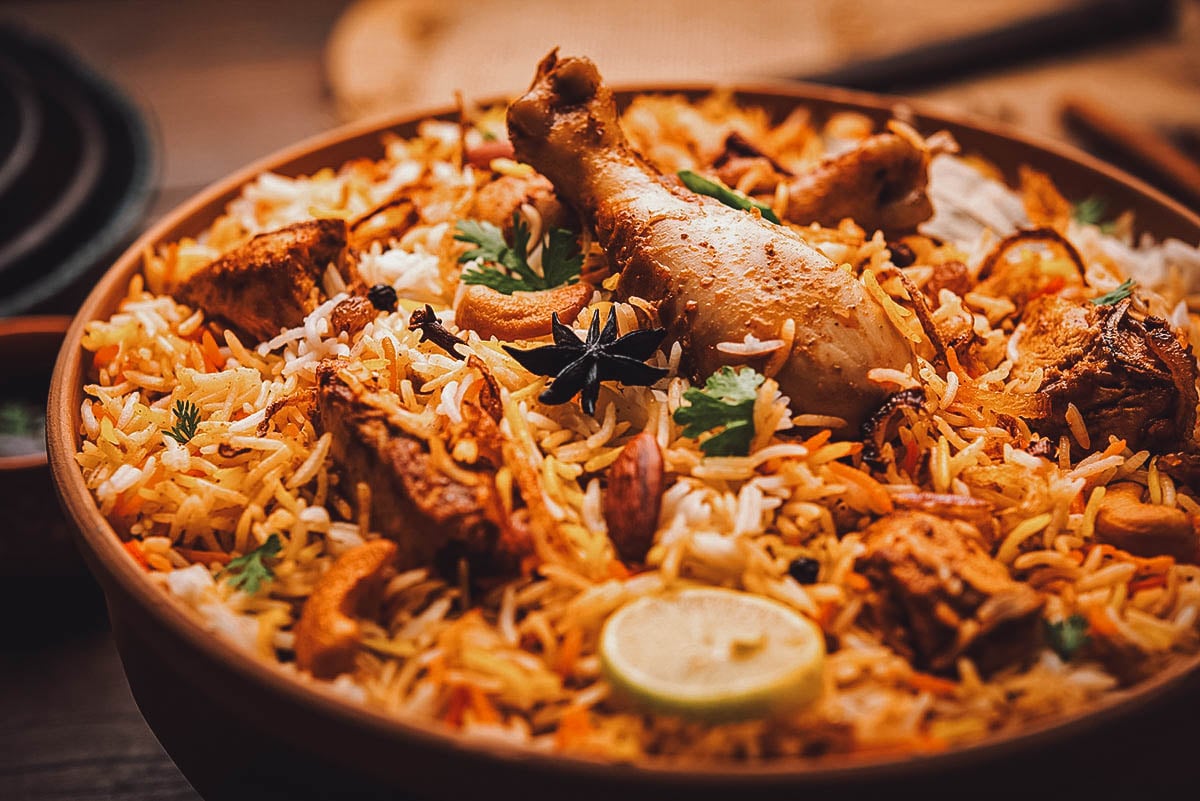
- Menu: Your menu is the foundation of your design. The equipment and space required will vary drastically depending on whether you're serving gourmet burgers, wood-fired pizzas, or delicate pastries.
- Truck Size: The size of your truck dictates the available space. Consider the external dimensions and internal usable space before making any layout decisions.
- Equipment List: Compile a comprehensive list of all the equipment you'll need, including cooking appliances, refrigeration units, prep stations, and point-of-sale systems.
- Staffing: How many people will be working in the truck at once? This will influence the amount of workspace and movement space needed.
- Local Regulations: Research and understand all local health and safety regulations, including requirements for ventilation, fire suppression, and waste disposal.
- Budget: Establish a realistic budget for the design and build-out of your food truck.
The Anatomy of a Food Truck Layout: Key Zones and Components
A functional food truck layout typically incorporates several distinct zones:
- Cooking Zone: This is the heart of the operation, housing the primary cooking equipment such as grills, fryers, ovens, and stovetops. This zone should be strategically positioned for efficient workflow and proper ventilation.
- Prep Zone: A dedicated space for prepping ingredients, including cutting boards, sinks, and storage for raw materials. This zone should be separate from the cooking zone to prevent cross-contamination.
- Service Zone: This is where orders are taken, food is assembled, and customers are served. It should be easily accessible to both staff and customers and should include a point-of-sale system.
- Refrigeration Zone: Refrigeration units are essential for storing perishable ingredients. Consider the size and type of refrigeration needed based on your menu and storage requirements.
- Storage Zone: Ample storage space is crucial for storing dry goods, utensils, and cleaning supplies. Utilize vertical space with shelving and organizers to maximize storage capacity.
- Dishwashing Zone: A dedicated area for washing dishes and utensils. This zone should include a three-compartment sink, a drying rack, and adequate hot water.
- Waste Disposal Zone: A designated area for trash and recycling containers. This zone should be easily accessible and regularly emptied to maintain hygiene.
Design Principles for an Efficient and Ergonomic Layout
- Work Triangle: Apply the work triangle principle used in kitchen design. This principle focuses on minimizing the distance between the cooking zone, prep zone, and refrigeration zone to improve efficiency.
- Flow: Design the layout to create a smooth and logical flow of movement for staff, minimizing unnecessary steps and bottlenecks.
- Ergonomics: Consider the ergonomics of the workspace to reduce strain and fatigue. Adjust the height of workstations to accommodate different staff members and provide adequate lighting.
- Maximize Vertical Space: Utilize vertical space with shelving and organizers to maximize storage capacity in a limited space.
- Prioritize Safety: Ensure adequate clearance around equipment and install safety features such as fire suppression systems and non-slip flooring.
- Accessibility: Consider accessibility for employees and customers with disabilities, complying with ADA guidelines.
The Design Process: From Concept to Reality
- Sketching and Planning: Start by sketching out different layout options on paper or using online design tools. Experiment with different configurations and consider the flow of movement.
- 3D Modeling (Optional): Create a 3D model of your layout to visualize the space and identify potential problems.
- Consulting with Professionals: Work with a food truck builder or designer to finalize the layout and ensure it meets all regulatory requirements.
- Installation: Carefully install the equipment and fixtures according to the approved layout.
- Testing and Refinement: Once the truck is operational, test the layout and make any necessary adjustments to optimize efficiency and workflow.
Potential Challenges and Solutions
- Limited Space: Solution: Maximize vertical space with shelving and organizers. Choose compact and multi-functional equipment.
- Ventilation Issues: Solution: Install a powerful ventilation system to remove smoke, grease, and odors.
- Insufficient Power Supply: Solution: Ensure the truck has an adequate power supply to support all equipment. Consider using propane-powered equipment to reduce electrical load.
- Compliance Issues: Solution: Consult with local health and safety inspectors to ensure the layout meets all regulatory requirements.
Table Price: Food Truck Design Layout
| Item | Description | Estimated Cost (USD) | Notes |
|---|---|---|---|
| Design Consultation | Initial consultation with a food truck designer to discuss menu, equipment, and layout requirements. | $500 - $2,000 | Price varies depending on the designer's experience and the complexity of the project. |
| Layout Design (2D/3D) | Creation of a detailed 2D or 3D layout plan, including equipment placement and workflow analysis. | $1,000 - $5,000 | 3D models offer a more realistic visualization of the space. |
| Equipment Costs | Varies greatly depending on menu. Includes costs for ovens, grills, fryers, refrigerators, etc. | $10,000 - $50,000+ | Consider buying used equipment to save money. |
| Plumbing & Electrical | Installation of plumbing and electrical systems to support the equipment. | $3,000 - $10,000 | Requires licensed professionals. Ensure compliance with local codes. |
| Ventilation System | Installation of a commercial-grade ventilation system to remove smoke, grease, and odors. | $2,000 - $8,000 | Essential for safety and comfort. |
| Fire Suppression System | Installation of a fire suppression system to protect against fires. | $1,000 - $3,000 | Required by law in most jurisdictions. |
| Sinks & Wash Stations | Installation of a three-compartment sink, handwashing sink, and mop sink. | $500 - $2,000 | Must meet health department requirements. |
| Countertops & Shelving | Installation of countertops and shelving for prep and storage. | $1,000 - $5,000 | Consider durable and easy-to-clean materials. |
| Flooring | Installation of non-slip and easy-to-clean flooring. | $500 - $2,000 | Important for safety and hygiene. |
| Contingency | Unexpected costs and modifications. | 10% - 20% of total cost | Always factor in a contingency budget to cover unforeseen expenses. |
| Permitting and Licensing | Fees associated with obtaining necessary permits and licenses. | $500 - $2,000+ | Varies significantly by location. |
Disclaimer: These prices are estimates and can vary depending on location, vendor, and specific requirements.
Frequently Asked Questions (FAQ)
Q: How much does it cost to design a food truck layout?
A: The cost can range from a few hundred dollars for a simple DIY design to several thousand dollars for professional design services.
Q: What are the essential pieces of equipment for a food truck?
A: The essential equipment depends on your menu, but typically includes cooking appliances, refrigeration units, prep stations, sinks, and a point-of-sale system.
Q: How do I ensure my food truck layout complies with local regulations?
A: Consult with local health and safety inspectors to understand the specific requirements in your area.
Q: Can I design my own food truck layout?
A: Yes, you can design your own layout, but it's recommended to consult with a professional to ensure it meets all regulatory requirements and is optimized for efficiency.
Q: What is the most important thing to consider when designing a food truck layout?
A: The most important thing is to design a layout that is functional, efficient, safe, and compliant with local regulations.
Conclusion
Crafting the perfect food truck design layout is an investment in your business's future. By carefully considering your menu, equipment needs, and local regulations, you can create a mobile kitchen that is efficient, safe, and profitable. Don't underestimate the power of a well-designed space – it's the foundation for culinary success on wheels. Remember to prioritize safety, efficiency, and compliance, and don't be afraid to seek professional help to bring your vision to life. With a strategic and well-executed layout, you'll be well on your way to serving up delicious food and building a thriving food truck business.