The Jeep 4.0 liter inline-six engine, affectionately known as the "4.0," is legendary. Its robust design and reputation for reliability have made it a favorite among Jeep enthusiasts for decades. However, even the most dependable engine can benefit from a performance boost. This is where the Jeep 4.0 Turbo Kit comes into play. This article provides a comprehensive guide to these kits, exploring their benefits, considerations, installation aspects, and potential challenges, all to help you decide if forced induction is the right path for your Jeep.
Introduction: Why Turbocharge Your Jeep 4.0?
Unleash the Beast: A Comprehensive Guide to Jeep 4.0 Turbo Kits
The Jeep 4.0, while reliable, isn't known for its blistering horsepower. While perfectly adequate for most daily driving and off-roading scenarios, many Jeep owners crave more power, especially when tackling challenging terrain, running larger tires, or simply wanting a more responsive driving experience. A turbocharger kit offers a significant increase in horsepower and torque, transforming your Jeep from a capable workhorse into a true off-road beast. By forcing more air into the engine cylinders, a turbocharger allows for more fuel to be burned, resulting in a dramatic improvement in performance. A "Jeep 4.0 Turbo Kit For Sale" search is often the first step for Jeep owners looking to take their vehicle's performance to the next level.
I. Understanding the Jeep 4.0 Turbo Kit: Components and Functionality
A complete Jeep 4.0 Turbo Kit typically includes the following essential components:
- Turbocharger: The heart of the system, responsible for compressing and forcing air into the engine. The size and type of turbocharger will greatly influence the performance characteristics of the kit.
- Turbo Manifold/Header: Replaces the stock exhaust manifold and provides a mounting point for the turbocharger. It's designed to efficiently direct exhaust gases towards the turbocharger turbine.
- Downpipe: Connects the turbocharger outlet to the exhaust system. Its design impacts exhaust flow and overall performance.
- Intercooler: Cools the compressed air from the turbocharger before it enters the engine. Cooler air is denser, allowing for even more fuel to be burned and further increasing power.
- Piping and Hoses: Connect all the components, including the turbocharger, intercooler, and engine. These must be high-quality and designed to withstand the high pressures and temperatures involved.
- Blow-Off Valve (BOV) / Diverter Valve: Releases excess pressure when the throttle is closed, preventing compressor surge and protecting the turbocharger.
- Wastegate: Regulates the boost pressure produced by the turbocharger, preventing overboost and potential engine damage.
- Fuel Injectors: Larger fuel injectors are typically required to provide the additional fuel needed to match the increased air volume.
- Fuel Pump: An upgraded fuel pump ensures adequate fuel delivery to the engine.
- Engine Management System (EMS) / Piggyback ECU: The most critical component. The stock ECU needs to be recalibrated to handle the increased air and fuel. This can be achieved with a standalone EMS or a piggyback system that modifies the signals to the factory ECU.
- Oil Lines and Fittings: Provide lubrication to the turbocharger bearings.
- Air Filter: Protects the turbocharger from debris.


The turbocharger uses exhaust gas to spin a turbine, which in turn spins a compressor. This compressor forces air into the engine's intake manifold, increasing the amount of air available for combustion. This allows the engine to burn more fuel, resulting in a significant power increase. The intercooler cools the compressed air, further enhancing performance.
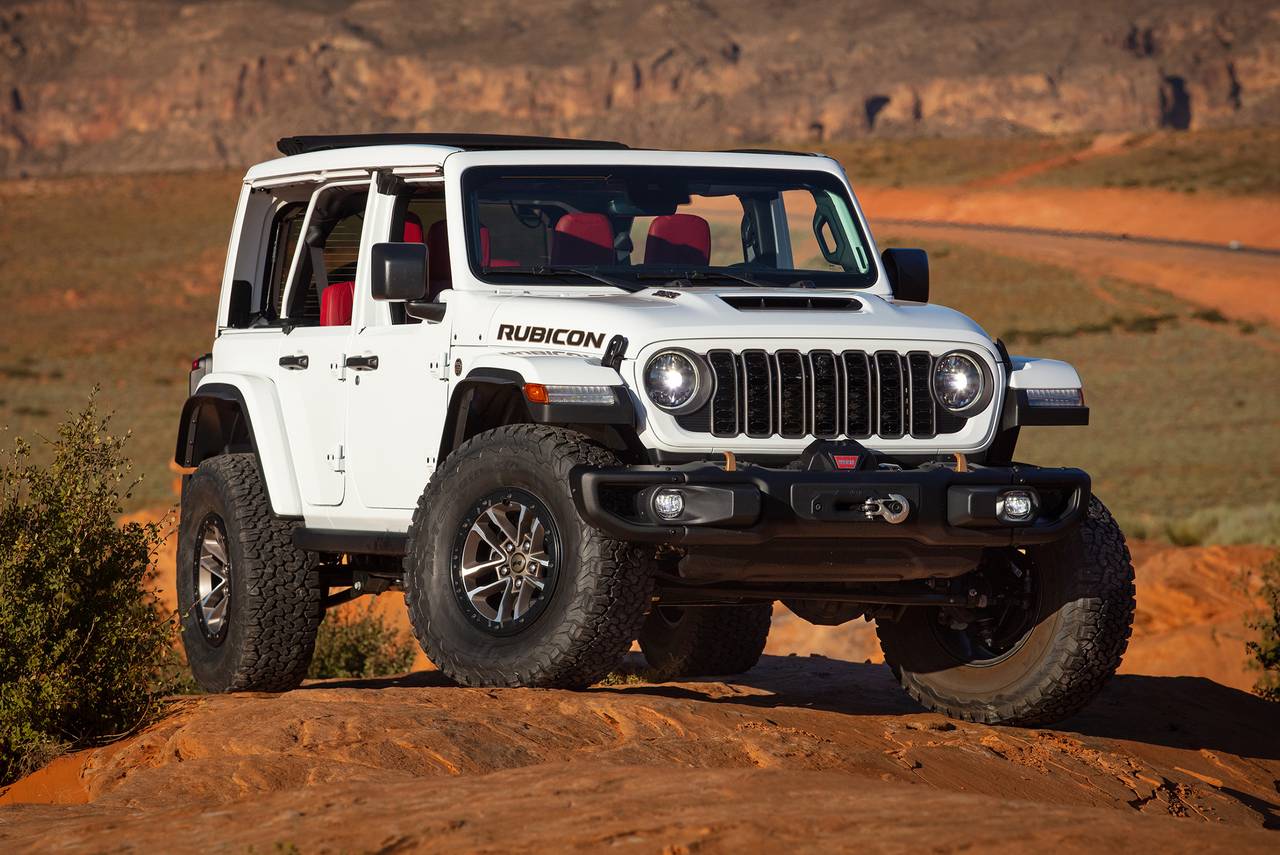
II. Benefits of Installing a Jeep 4.0 Turbo Kit
- Significant Power Increase: Expect a substantial boost in horsepower and torque. Depending on the kit and boost levels, gains of 50-100+ horsepower are common.
- Improved Off-Road Performance: Increased torque at lower RPMs makes tackling challenging terrain easier and more controlled.
- Enhanced Towing Capacity: The added power and torque improve the Jeep's ability to tow trailers and other heavy loads.
- More Responsive Throttle: A turbocharger eliminates the sluggishness often associated with the 4.0 engine, providing a more responsive and engaging driving experience.
- Modernized Driving Feel: A turbo kit can bring a classic Jeep into the modern era with improved performance and drivability.
III. Important Considerations Before Purchasing a Kit
- Budget: Turbo kits are a significant investment. Factor in the cost of the kit itself, installation (if you're not doing it yourself), tuning, and potential supporting modifications (e.g., upgraded clutch, stronger axles).
- Engine Condition: A healthy engine is crucial. A turbocharger will only amplify any existing weaknesses. Ensure your engine is in good running condition before considering a turbo kit. Compression test is highly recommended.
- Installation Complexity: Turbo kits can be complex to install, requiring mechanical knowledge, specialized tools, and a solid understanding of engine management systems. Consider whether you have the skills and resources to tackle the project yourself or if you'll need professional installation.
- Tuning: Proper tuning is absolutely critical. An improperly tuned turbo engine can suffer from severe damage. Work with a reputable tuner experienced with Jeep 4.0 engines and turbocharging.
- Boost Levels: Higher boost levels equate to more power, but also increased stress on the engine. Be realistic about your needs and choose a kit and boost level that's appropriate for your engine's condition and intended use. Lower boost is often safer and more reliable for a daily driver.
- Supporting Modifications: Depending on the boost levels and intended use, you may need to upgrade other components, such as the clutch, axles, and cooling system.
- Legality: Check your local laws regarding turbocharger installations and emissions regulations.
IV. Types of Jeep 4.0 Turbo Kits
Turbo kits can be broadly categorized based on their intended use and components:
- Basic Kits: These kits typically include the essentials – turbocharger, manifold, downpipe, and basic piping. They often require more fabrication and customization.
- Complete Kits: These kits include everything needed for a complete installation, including fuel injectors, fuel pump, engine management, and all necessary hardware. They are generally easier to install but may be more expensive.
- Low-Boost Kits: Designed for reliable power gains with minimal stress on the engine. They typically run lower boost levels and may not require as many supporting modifications.
- High-Boost Kits: Designed for maximum power output. They require more extensive modifications and careful tuning. They are typically used for dedicated off-road or racing applications.
- Intercooled vs. Non-Intercooled Kits: Intercooled kits provide a significant performance advantage by cooling the compressed air. Non-intercooled kits are simpler but less efficient.
V. Step-by-Step Guide to Turbo Kit Installation (Simplified)
- Preparation: Gather all necessary tools, parts, and instructions. Disconnect the battery.
- Remove Existing Components: Remove the stock exhaust manifold, air intake system, and any other components that will interfere with the turbo kit installation.
- Install Turbo Manifold: Install the turbo manifold, ensuring proper alignment and torque.
- Mount Turbocharger: Mount the turbocharger to the manifold.
- Install Downpipe: Connect the downpipe to the turbocharger outlet.
- Install Intercooler and Piping: Install the intercooler and connect the piping between the turbocharger, intercooler, and intake manifold.
- Install Fuel Injectors and Fuel Pump: Replace the stock fuel injectors with the larger injectors provided in the kit. Install the upgraded fuel pump.
- Connect Oil and Water Lines (if applicable): Connect the oil lines to the turbocharger for lubrication. If the turbocharger is water-cooled, connect the water lines as well.
- Install Blow-Off Valve and Wastegate: Install the blow-off valve and wastegate according to the manufacturer's instructions.
- Install Engine Management System: Install the EMS or piggyback ECU and connect all necessary wiring.
- Final Checks: Double-check all connections and ensure everything is properly installed.
- Tuning: Take the vehicle to a reputable tuner for proper tuning.
Important Note: This is a highly simplified overview. Refer to the specific instructions provided with your turbo kit for detailed installation procedures. Professional installation is highly recommended for those without extensive mechanical experience.
VI. Potential Challenges and Solutions
- Fitment Issues: Some kits may require slight modifications to fit properly. Careful research and selection of a reputable brand can minimize this risk.
- Engine Management Problems: Getting the engine properly tuned is crucial. Work with an experienced tuner and be prepared to make adjustments as needed.
- Overheating: Turbocharging can increase engine temperatures. Consider upgrading the radiator and adding an oil cooler.
- Boost Creep: This occurs when the wastegate cannot effectively regulate boost pressure. Ensure the wastegate is properly sized and functioning.
- Turbo Lag: This is the delay between pressing the accelerator and feeling the boost. Choosing a smaller turbocharger can reduce turbo lag.
VII. Tips for a Successful Turbo Kit Installation
- Research Thoroughly: Choose a kit that is well-suited to your needs and budget. Read reviews and talk to other Jeep owners who have installed turbo kits.
- Follow Instructions Carefully: Pay close attention to the manufacturer's instructions.
- Use Quality Parts: Don't cut corners on quality. Use high-quality parts to ensure reliability and performance.
- Seek Professional Help When Needed: Don't be afraid to ask for help from a qualified mechanic or tuner.
- Monitor Engine Performance: Keep a close eye on engine temperatures, boost pressure, and other vital signs.
VIII. Conclusion: Is a Jeep 4.0 Turbo Kit Right for You?
A Jeep 4.0 Turbo Kit can be a fantastic upgrade, transforming your Jeep's performance and making it a more capable and enjoyable vehicle to drive. However, it's a significant investment that requires careful planning, proper installation, and expert tuning. By understanding the benefits, considerations, and potential challenges, you can make an informed decision and unleash the true potential of your Jeep 4.0 engine. Remember to prioritize reliability and safety, and enjoy the added power and performance that a turbo kit can provide.
Table: Price Comparison of Jeep 4.0 Turbo Kits
| Kit Name/Brand | Features | Estimated Price | Skill Level Required |
|---|---|---|---|
| CXRacing Turbo Kit | Basic kit, manifold, turbo, downpipe, intercooler piping. Requires tuning. | $1,500 - $2,000 | Advanced |
| Boosted Technologies Kit | Complete kit, fuel injectors, fuel pump, ECU, intercooler, all hardware. | $4,000 - $6,000 | Intermediate |
| Hesco Turbo Kit | High-end kit, performance turbo, upgraded components, requires professional tuning. | $5,500 - $7,500 | Advanced |
| On3Performance Turbo Kit | Budget-friendly option, basic kit, requires supporting mods. | $1,200 - $1,800 | Intermediate |
| AEM Turbo Kit | Complete kit with AEM ECU, easy installation, pre-programmed maps. | $4,500 - $6,500 | Intermediate |
Note: Prices are estimates and may vary depending on the vendor and specific options. Installation costs are not included.
Frequently Asked Questions (FAQ)
-
Q: How much horsepower can I expect to gain?
- A: Gains typically range from 50-100+ horsepower, depending on the kit, boost levels, and tuning.
-
Q: Is a turbo kit reliable?
- A: A properly installed and tuned turbo kit can be reliable, but it's crucial to maintain the engine and monitor performance.
-
Q: Can I install a turbo kit myself?
- A: Installation requires mechanical knowledge and experience. Professional installation is recommended for those who are not comfortable working on engines.
-
Q: Do I need to upgrade my fuel system?
- A: Yes, larger fuel injectors and a higher-capacity fuel pump are typically required to provide the additional fuel needed for the increased air volume.
-
Q: Will a turbo kit affect my gas mileage?
- A: Gas mileage may decrease slightly, especially when driving aggressively. However, with proper tuning, it may be possible to maintain or even improve gas mileage during normal driving conditions.
-
Q: What kind of engine management system do I need?
- A: You'll need either a standalone engine management system (EMS) or a piggyback ECU to recalibrate the stock ECU and properly control the engine with the turbocharger.
-
Q: How much does it cost to get a turbo kit professionally installed?
- A: Installation costs can vary widely depending on the shop and the complexity of the kit. Expect to pay anywhere from $1,000 to $3,000 or more for professional installation.
-
Q: Is it legal to install a turbo kit on my Jeep?
- A: Check your local laws regarding turbocharger installations and emissions regulations. Some areas may require emissions testing or may prohibit certain modifications.