The Garda Armored Service, a specialized unit within An Garda Síochána (the Irish police force), plays a critical, albeit often unseen, role in maintaining security and public safety across Ireland. This highly trained and equipped unit is responsible for providing armed support and armored transport in high-risk situations, ensuring the safety of Gardaí and the public during events that pose a significant threat. From cash-in-transit operations to responding to armed sieges, the Garda Armored Service stands as a vital line of defense, capable of handling situations that would otherwise overwhelm regular policing resources. This article delves into the multifaceted nature of the Garda Armored Service, exploring its responsibilities, capabilities, training, and importance to the overall security landscape of Ireland.
1. The Role and Responsibilities of the Garda Armored Service
Garda Armored Service: Protecting Ireland's Assets and Personnel
The Garda Armored Service is not a static force; its duties are diverse and demand a high level of adaptability. Its core responsibilities include:
- Cash-in-Transit Escort: Providing secure transport for large sums of money between banks, businesses, and other financial institutions. This reduces the risk of armed robberies and protects both the transported funds and the personnel involved.
- Armed Support to Other Garda Units: Deploying to incidents where armed suspects are present, providing tactical support and containment capabilities. This includes situations such as armed robberies, sieges, and barricaded individuals.
- High-Risk Prisoner Transport: Ensuring the safe and secure transport of dangerous or high-profile prisoners between prisons, courts, and other locations.
- VIP Protection: Providing armored transport and security for visiting dignitaries and other individuals deemed to be at high risk.
- Responding to Terrorist Threats: Being prepared to respond to terrorist incidents and provide a secure perimeter in the event of an attack.
- Special Operations Support: Assisting other specialized Garda units, such as the Emergency Response Unit (ERU), in complex and high-risk operations.
- Public Order Support: In extreme circumstances, providing armored support during major public order incidents where violence is a significant threat.

2. Capabilities and Equipment: A Force Prepared for the Unexpected
The effectiveness of the Garda Armored Service hinges on its specialized equipment and the proficiency of its personnel in using it. The unit is equipped with:
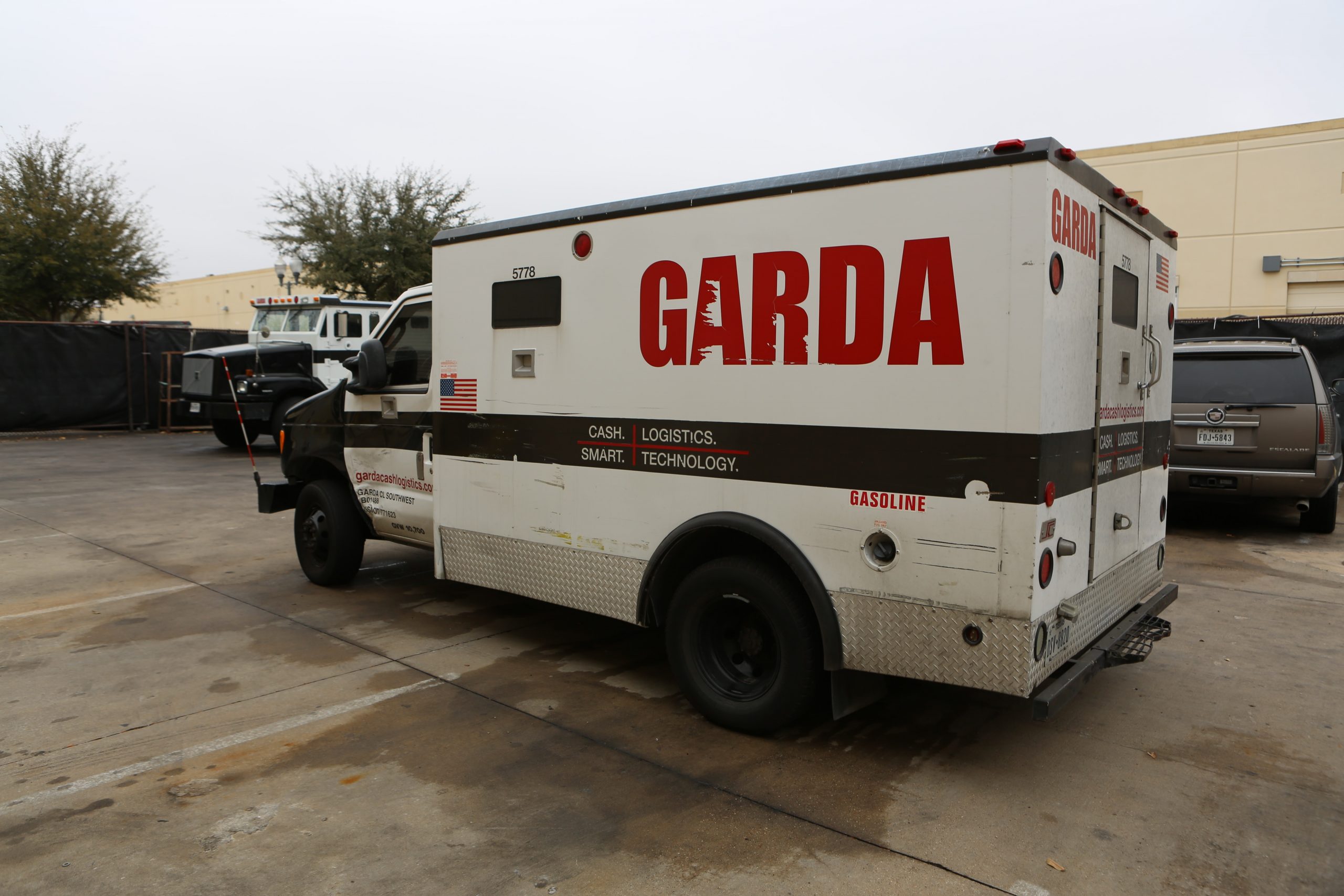
- Armored Vehicles: These are the cornerstone of the service, providing ballistic protection and a mobile platform for Gardaí. These vehicles vary in size and capability, from smaller, more agile armored cars to larger, heavily armored personnel carriers. They are designed to withstand small arms fire, explosions, and other potential threats.
- Firearms: Members of the Garda Armored Service are trained and equipped with a range of firearms, including pistols, rifles, and submachine guns. The specific weapons carried will depend on the nature of the operation.
- Communication Equipment: Reliable communication is crucial for coordinating operations. The unit utilizes secure radio systems and other communication devices to maintain contact with Garda headquarters and other units in the field.
- Protective Gear: Beyond the armored vehicles, Gardaí are equipped with ballistic vests, helmets, and other protective gear to minimize the risk of injury in dangerous situations.
- Specialized Equipment: Depending on the specific task, the unit may also utilize specialized equipment such as night vision devices, thermal imaging cameras, and breaching tools.

3. Training and Selection: The Making of an Armored Service Garda
Becoming a member of the Garda Armored Service is a rigorous process that requires both physical and mental resilience. The selection and training process typically involves:
- Garda Membership: All applicants must first be sworn members of An Garda Síochána with several years of experience.
- Selection Process: This involves a series of tests and interviews designed to assess the applicant's suitability for the role, including physical fitness, psychological stability, and tactical aptitude.
- Initial Training: Recruits undergo intensive training in the use of firearms, armored vehicles, tactical procedures, and other essential skills.
- Advanced Training: Following initial training, Gardaí receive ongoing advanced training to maintain and improve their skills. This may include specialist courses in areas such as hostage negotiation, bomb disposal awareness, and advanced driving techniques.
- Regular Assessment: Members of the Garda Armored Service are subject to regular assessments to ensure they maintain the required standards of physical fitness, skill, and professionalism.
4. Benefits and Importance to Irish Security
The Garda Armored Service provides several crucial benefits to Irish security:
- Deterrence: The presence of a highly visible and capable armored unit acts as a deterrent to criminals and terrorists, making them less likely to attempt high-risk attacks.
- Response Capability: The unit provides a rapid and effective response to serious incidents, minimizing the risk of harm to the public and Gardaí.
- Enhanced Security: The service provides enhanced security for cash-in-transit operations, VIPs, and other high-value assets, reducing the risk of theft and attack.
- Public Confidence: The presence of a dedicated armored unit reassures the public that the Gardaí are capable of dealing with even the most serious threats.
- Specialized Expertise: The Garda Armored Service provides specialized expertise in areas such as armed tactics and armored vehicle operations, which can be invaluable in complex and high-risk situations.
5. Challenges and Solutions
Like any specialized unit, the Garda Armored Service faces its share of challenges:
- Maintaining Equipment: Keeping the armored vehicles and other equipment in good working order requires significant resources and expertise. Solution: Investing in regular maintenance programs and providing specialized training for maintenance personnel.
- Evolving Threats: Criminals and terrorists are constantly adapting their tactics, so the Garda Armored Service must stay ahead of the curve. Solution: Continuously reviewing and updating training programs and equipment to address emerging threats.
- Public Perception: The use of armored vehicles and firearms can sometimes be controversial, and it is important to maintain public trust. Solution: Transparent communication about the role and responsibilities of the Garda Armored Service, and a commitment to using force only when necessary and proportionate.
- Recruitment and Retention: Attracting and retaining highly qualified personnel can be challenging. Solution: Offering competitive salaries and benefits, and providing opportunities for career advancement and professional development.
6. Tips for the Public (If Encountering the Garda Armored Service)
While it's unlikely the average citizen will directly interact with the Garda Armored Service, understanding their role and how to react in their presence is important:
- Remain Calm: If you encounter the Garda Armored Service during an incident, remain calm and follow their instructions.
- Do Not Approach: Avoid approaching the vehicles or Gardaí unless instructed to do so.
- Stay Clear: Keep a safe distance from the area of operation.
- Cooperate: If approached by Gardaí, cooperate fully with their requests.
- Report Information: If you have any information that could be relevant to the situation, report it to the Gardaí immediately.
7. Conclusion: A Vital Component of Irish Security
The Garda Armored Service is an essential component of Ireland's security infrastructure. Its specialized equipment, rigorous training, and diverse responsibilities make it a vital asset in protecting the public and maintaining order. By understanding its role and capabilities, we can appreciate the dedication and professionalism of the Gardaí who serve in this critical unit. The Garda Armored Service stands as a testament to Ireland's commitment to providing its law enforcement with the tools and resources necessary to face the challenges of modern policing. Their continued effectiveness depends on ongoing investment, adaptation to evolving threats, and maintaining the public's trust.
8. Garda Armored Service: Pricing Table
While a precise pricing table for the Garda Armored Service is not publicly available (as it is an internal government service), we can frame costs within the broader context of police funding and specialized unit maintenance:
| Category | Description | Estimated Cost (Annual - Hypothetical) | Notes |
|---|---|---|---|
| Personnel Costs | Salaries, benefits, training for Gardaí assigned to the Armored Service. | €1,500,000 - €3,000,000 | Dependent on unit size, seniority, and specialized training requirements. |
| Vehicle Maintenance | Servicing, repairs, and upkeep of armored vehicles. Includes fuel, tires, and specialized parts. | €100,000 - €250,000 | Armored vehicles require more frequent and specialized maintenance than standard police vehicles. |
| Equipment Purchases | Procurement of new firearms, protective gear, communication devices, and other specialized equipment. | €50,000 - €150,000 | This cost varies depending on the need to replace aging equipment or acquire new technologies. |
| Training Programs | Advanced training courses for Gardaí in areas such as armed tactics, vehicle operation, and hostage negotiation. | €20,000 - €50,000 | Essential for maintaining a high level of proficiency and adapting to evolving threats. |
| Infrastructure | Maintenance and upkeep of facilities used by the Armored Service, including vehicle storage and training grounds. | €10,000 - €30,000 | Includes utilities, security, and general maintenance. |
| Operational Costs | Fuel, ammunition, and other consumables used during training exercises and real-world deployments. | €10,000 - €40,000 | Varies depending on the frequency and intensity of training and operational deployments. |
| Total Estimated Cost | Overall annual cost to maintain and operate the Garda Armored Service. | €1,690,000 - €3,520,000 | This is a hypothetical estimate. Actual costs are likely embedded within the broader An Garda Síochána budget and not explicitly broken out. |
Important Note: These figures are estimates based on publicly available information about police funding and the costs associated with operating specialized units. The actual costs may vary. This table is designed to provide a general understanding of the resource requirements for the Garda Armored Service, not a precise financial breakdown.
9. Frequently Asked Questions (FAQ)
-
Q: What is the Garda Armored Service?
- A: It is a specialized unit within An Garda Síochána responsible for providing armed support and armored transport in high-risk situations.
-
Q: What types of vehicles does the Garda Armored Service use?
- A: They use a variety of armored vehicles, including armored cars and armored personnel carriers, designed to withstand small arms fire and explosions.
-
Q: How do I become a member of the Garda Armored Service?
- A: You must first be a sworn member of An Garda Síochána with several years of experience and then undergo a rigorous selection and training process.
-
Q: Why does the Garda Armored Service exist?
- A: To provide a secure response to high-risk situations, protect Gardaí and the public, and deter criminal activity.
-
Q: What should I do if I see the Garda Armored Service in my area?
- A: Remain calm, follow their instructions, and stay clear of the area of operation.
-
Q: Is the Garda Armored Service only used in Dublin?
- A: No, the unit can be deployed throughout Ireland as needed.
-
Q: How often does the Garda Armored Service train?
- A: The unit undergoes regular and intensive training to maintain its skills and readiness.
-
Q: Where does the funding for the Garda Armored Service come from?
- A: The funding comes from the overall budget allocated to An Garda Síochána by the Irish government.